request to quote
Leave Your Message
0%

Box packaging plays such a key role in the global market these days. I mean, according to William Edwards from Packaging Solutions Inc., a smart box design can really save money while making products look more attractive. That’s a pretty eye-opening idea, right? Like, it shows how important it is to keep thinking outside the box when it comes to packaging strategies.

In this rapidly changing world, it’s super important for buyers and companies alike to stay flexible. A lot of businesses don’t realize just how much they could save by tweaking their box designs a little. Sometimes, just resizing or adjusting dimensions to cut out unnecessary space can slash shipping costs significantly.

And don’t forget, the environmental side is a huge deal nowadays. Eco-friendly packaging options aren’t just trendy—they're a smart move to attract customers who care about the planet. Plus, they help companies stick to global standards. But here’s the thing: not every box works for every product, and chasing after every new trend blindly can actually backfire and waste resources. As the industry evolves, our view of what ‘good packaging’ means has to evolve too—and honestly, staying adaptable is key.
Top 10 Box Packaging Tips for Global Buyers to Save Costs

Understanding the Importance of Box Packaging for Cost Savings

Top 10 Box Packaging Tips for Global Buyers to Save Costs

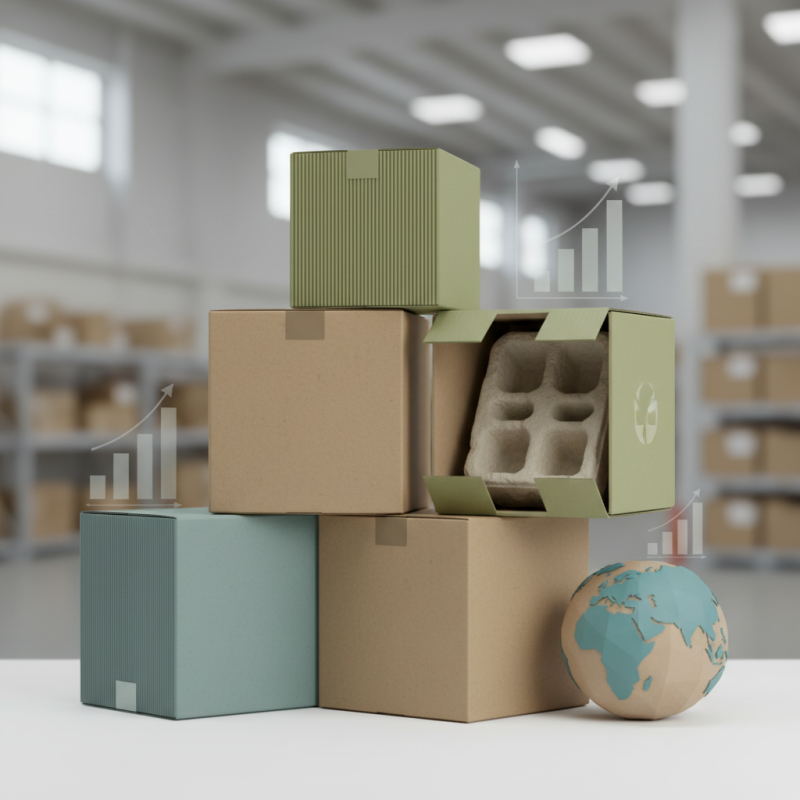
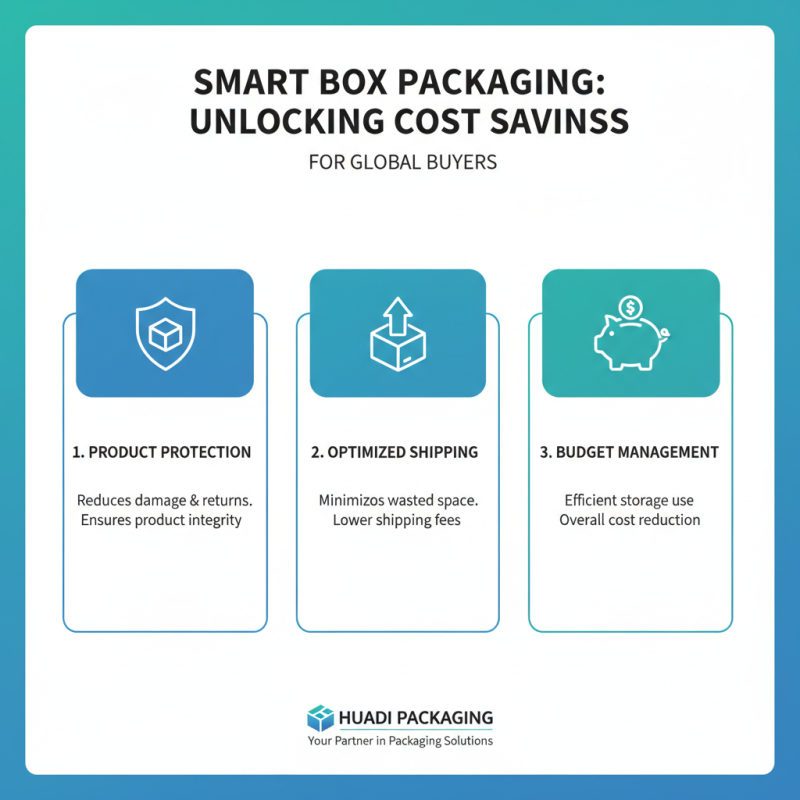
Box Packaging plays a crucial role in cost savings for global buyers. Understanding its importance can lead to better budget management and enhanced product safety. Effective box packaging not only protects items during shipping but also optimizes storage space. You can save on shipping costs when items fit snugly without wasted empty spaces.

Consider using eco-friendly materials. Sustainable box packaging options reduce environmental impact. Buyers can often find cost savings through partnerships with suppliers who prioritize sustainable practices. Additionally, re-evaluate box dimensions. Custom-sized boxes tailored to your products will minimize shipping fees and waste.

Regularly assess your packaging process. If you find that your current methods are cumbersome or inefficient, explore alternatives. Streamlining your box packaging approach can significantly cut costs. Keep an eye on suppliers for innovations in materials and techniques. Always remember that the more you invest in thoughtful box packaging, the greater the long-term savings.

Analyzing Different Packaging Materials and Their Cost Implications

When considering box packaging, material choice greatly impacts cost. Each type comes with unique properties and price points. For instance, corrugated cardboard is widely used. It is lightweight yet strong, making it an ideal choice for shipping. However, its long-term durability may not match that of heavier materials.

Plastic packaging offers versatility but can be costly. It protects products well but raises environmental concerns. Buyers should weigh these factors when selecting materials. For example, eco-friendly options are increasingly popular. Still, they may require higher upfront investments. Reflecting on overall cost implications is crucial.

Furthermore, understanding local regulations can influence packaging decisions. Some materials may be restricted in certain regions. Being aware of this can prevent unexpected expenses and delays. In all cases, Box It Packaging advocates for smart choices that balance cost and sustainability.

Designing Efficient Box Dimensions to Minimize Shipping Expenses

When designing box dimensions for global shipping, efficiency is key to minimizing costs. Start with precise measurements. Tailoring box sizes to fit products snugly reduces unnecessary space. This careful packaging can prevent damages and minimize the need for additional cushioning. Consider materials that are lightweight yet sturdy. Using less bulky materials can result in significant shipping savings.

Evaluate your shipping routes. Different carriers have varying rates based on dimensions. Keep this in mind when selecting box sizes. Irregular shapes can incur extra fees, so aim for standard dimensions. It’s a balance of aesthetics and practicality. Finding that balance can take time and thought.

Reflection is essential in this process. Sometimes, box designs may seem visually appealing but fail in practicality. Test designs for durability and efficiency. Gather feedback from shipping partners and customers. This step can reveal major insights into what works and what doesn't. Continuous improvement is crucial in aligning box design with shipping efficiency.

Incorporating Sustainable Practices to Reduce Packaging Costs

Sustainable practices in packaging are essential for reducing costs. Companies should consider eco-friendly materials that lower expenses while minimizing environmental impact. For instance, using recycled paper for Bag Box Packaging can cut costs significantly. This choice not only reduces material costs but also appeals to environmentally-conscious consumers.

Investing in biodegradable options is another effective strategy. Though initially more expensive, they attract a growing market segment that values sustainability. Brands often overlook the long-term savings from these practices. Understanding consumer preferences is crucial. Moreover, simplifying designs can streamline production and reduce waste. It’s important to regularly evaluate how designs can improve efficiency.

Collaboration with suppliers can further enhance sustainability. By sharing goals, businesses might find innovative packaging solutions that also save money. However, it's essential to balance cost with quality. Overlooking this may lead to subpar packaging, impacting brand perception. Frequent assessment of current practices can reveal areas for improvement, ensuring both cost efficiency and sustainability in Bag Box Packaging.

Top 10 Box Packaging Tips for Global Buyers to Save Costs

Tip No. Packaging Tip Cost Saving Method Sustainable Practice
1 Optimize Box Size Reduces material costs and shipping fees. Use recyclable materials.
2 Utilize Minimalist Design Less ink and fewer materials mean lower costs. Promotes clean and sustainable branding.
3 Bulk Ordering Lower cost per unit. Reduces production waste.
4 Innovative Materials Cheaper alternatives to traditional packaging. Use biodegradable or compostable options.
5 Standardize Packaging Eases production and reduces inventory costs. Encourages efficient recycling processes.
6 Test Packaging Designs Identifies the most efficient and cost-effective designs. Focus on eco-friendly testing materials.
7 Automate Packaging Process Decreases labor costs and increases efficiency. Reduces wastage due to human error.
8 Bulk Container Shipping Saves on shipping costs per item. Less fuel consumption compared to smaller shipments.
9 Use of Returnable Packaging Reduces overall packaging costs over time. Encourages circular economy practices.
10 Educate Staff on Packaging Efficiency Promotes a culture of cost-saving. Fosters awareness of sustainability issues.

Optimizing Supply Chain Logistics for Better Packaging Solutions

Effective supply chain logistics are crucial for optimizing Box And Packaging solutions. By reducing unnecessary steps, companies can save on costs. Streamlining the transportation process is essential. For example, consolidating shipments can minimize freight charges. Choosing the right packaging material also impacts overall costs. Lightweight yet durable materials can reduce shipping fees.

Coordination with suppliers is vital for efficient logistics. Regular communication helps align expectations and timelines. It ensures that packaging materials arrive just in time. However, not all suppliers are reliable. Research and vet potential partners thoroughly. Sometimes, businesses overlook the importance of local suppliers. They can provide faster service and lower shipping costs.

Investing in the right technology is also key. Software that tracks inventory and shipping can optimize logistics. Yet, the initial setup may seem daunting. Companies often grapple with tech integration in their supply chains. A responsive approach to these challenges can enhance box and packaging strategies. Embrace flexibility and be prepared to iterate. This journey toward optimization is ongoing, and every step counts.

Evaluating Customization Options to Enhance Cost Efficiency

When exploring customization options in box packaging, it's essential to analyze both aesthetics and functionality. Custom designs can enhance brand visibility and resonate with target audiences. However, too much focus on intricate designs can inflate costs. Finding a balance is crucial.

Consider material choices carefully. Eco-friendly materials often appeal to consumers, but they may come at a premium. It's wise to assess the trade-offs between sustainability and budget. Opting for standard sizes instead of unique dimensions may also yield significant savings.

Incorporating practical features like easy-open and secure closures can improve user experience. Nevertheless, complicated packaging mechanisms can lead to higher production costs. Testing packaging solutions through small runs can provide valuable insights without overspending. Balancing innovation with cost efficiency can be a challenging journey but is necessary for successful packaging.

Implementing Technology for Streamlined Packaging Processes

Implementing technology in packaging processes is crucial for global buyers. A recent report by Smithers Pira indicates that over 60% of packaging professionals are adopting automation to reduce costs. Automation enhances efficiency, minimizing human errors and improving overall production quality. Streamlined processes also significantly cut down on waste, making packaging more sustainable.

Adopting advanced technologies such as AI and IoT leads to smarter packaging solutions. AI algorithms can predict demand, allowing for optimized production runs. IoT devices can track packaging in real-time, ensuring that supply chains run smoothly. Surprisingly, about 30% of businesses still rely on outdated methods. This gap presents an opportunity for those willing to adapt and innovate.

Investing in technology isn't without its challenges. Initial costs can be high, and training staff is often overlooked. Additionally, there are concerns regarding data security and integration with existing systems. These factors need to be carefully assessed, as they can impact the overall success of technology implementation. Finding the right balance between cost-saving and technological advancement is crucial for achieving long-term goals.

FAQS

: What should I consider when choosing packaging materials?

: Material choice impacts cost and durability. Lightweight options like corrugated cardboard are ideal for shipping.

Are eco-friendly packaging options worth the investment?

Eco-friendly materials appeal to consumers but may require higher upfront costs. Weigh the benefits and budget.

How does customization affect packaging costs?

Custom designs increase brand visibility but can inflate costs. Balance aesthetics and functionality to manage expenses.

Is it important to understand local regulations regarding packaging?

Yes, some materials may be restricted regionally. Knowing regulations can prevent unexpected costs and delays.

How can I enhance user experience with packaging?

Use practical features like easy-open closures. Avoid overly complicated mechanisms to keep production costs down.

Can testing packaging solutions help reduce costs?

Yes, small runs allow for valuable insights into effectiveness without overspending on a full production.

What compromises might I need to make in packaging design?

You may need to prioritize cost over intricate designs. Finding a balance is often necessary for budget-conscious decisions.

How can standard sizes benefit my packaging strategy?

Opting for standard sizes can lead to significant savings. Unique dimensions often incur higher production costs.

What are the risks of focusing too much on design?

Overly complex designs can inflate costs. Consider practicality to avoid budget overruns.

Why is it crucial to reflect on long-term packaging costs?

Long-term durability matters. Cheaper options may result in higher replacement costs. Consider the total cost of ownership.

Conclusion

Box packaging plays a crucial role in cost savings for global buyers, as it not only protects products but also influences shipping expenses and overall logistics. Understanding various packaging materials and their cost implications is essential for making informed decisions that can significantly impact the bottom line. Additionally, designing efficient box dimensions can minimize shipping costs, while sustainable practices can further reduce packaging expenses by utilizing environmentally friendly and cost-effective materials.

Moreover, optimizing supply chain logistics enhances packaging solutions by streamlining processes and ensuring that packaging meets both functional and budgetary requirements. Buyers can also evaluate customization options that not only enhance product appeal but also improve cost efficiency. Lastly, implementing technology to modernize packaging processes allows for better tracking and management, ultimately leading to increased overall efficiency in box packaging.

Sophie

Sophie

Sophie is a dedicated marketing professional at Dongguan Huadi Packaging Products Co., Ltd., a company established in 2003 that specializes in high-quality packaging solutions for various industries. With her extensive knowledge of the company's products and services, Sophie plays a crucial role in......
Previous What are the Best Pouch Packaging Materials for Global Buyers?