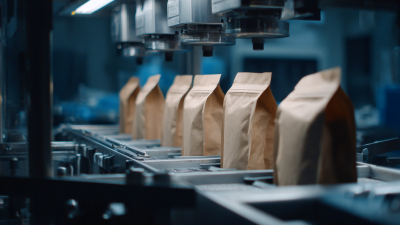
In today’s constantly changing market, picking the right pouch packaging material is a pretty big deal for businesses looking to make it worldwide. It’s not just about protecting what's inside—packing also says a lot about your brand. A good material pouch can really make your product stand out on the shelf and keep customers happy, so it’s worth considering different options carefully.
Different industries use pouch packaging in their own unique ways. Take food, for example—you usually need materials that block moisture and light to keep things fresh. On the other hand, the cosmetics world often prefers pouches that let customers see the product while still keeping it safe and intact. These differences show just how important it is to choose the right material for your specific industry.
That said, with so many choices out there, it can get pretty overwhelming. It's a good habit to keep an eye on what suppliers like Amcor and Mondi are offering—they come up with some pretty innovative options. But at the same time, I think it's really important to understand what each material can do and how it fits into your long-term goals. Making thoughtful decisions about your pouch packaging isn’t just a one-time thing; it’s an ongoing process. Sometimes, finding that perfect pouch feels a bit like an adventure, but hey, that’s part of the journey, right?
Types of Pouch Packaging Materials Available Globally
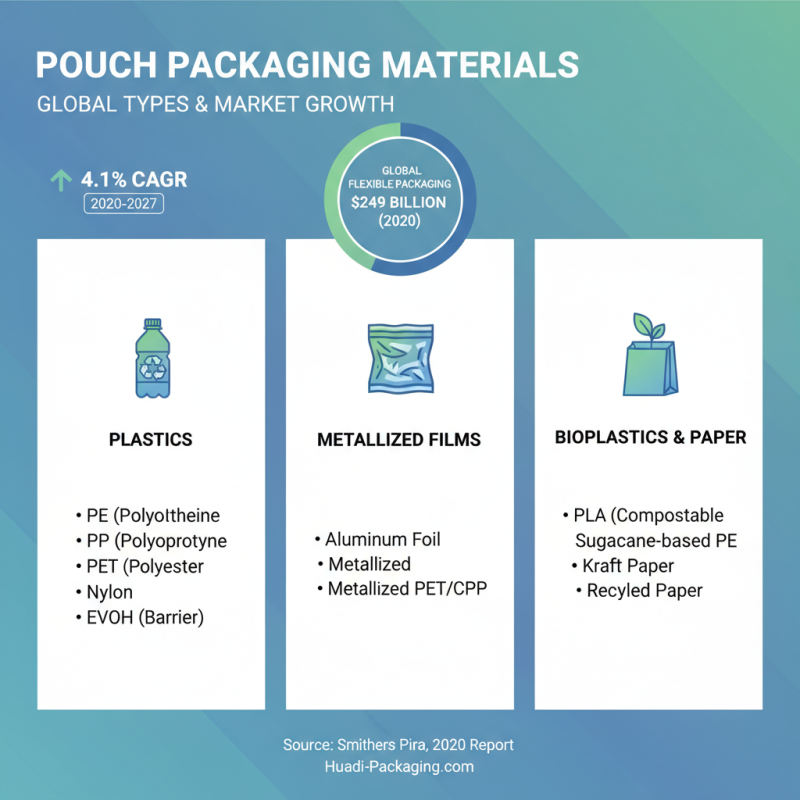
Pouch packaging has grown significantly in recent years. According to a recent study by Smithers Pira, the global flexible packaging market was valued at over $249 billion in 2020 and is expected to grow annually by 4.1%. This increase highlights the demand for effective Pouch Materials.
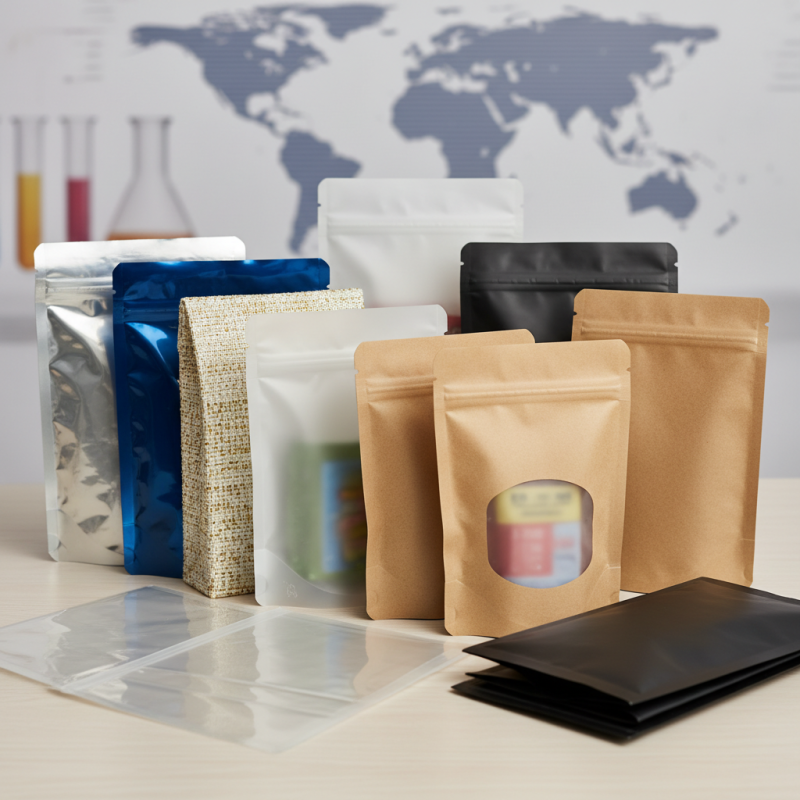
There are several types of pouch materials available globally. For food packaging, polypropylene (PP) and polyethylene (PE) are popular choices. They provide an excellent moisture barrier, ensuring product freshness. In contrast, high barrier films, such as PET and aluminum foil, are preferred for perishable goods. These materials protect against light and air, extending shelf life significantly.
Sustainability is becoming a crucial consideration in pouch material selection. Many manufacturers are now looking for eco-friendly alternatives, such as compostable films. Though these materials are still developing, the need for greener options is pressing. Companies must balance performance and environmental impact with pouch material choices.
Comparative Analysis of Plastic vs. Paper Pouches
When analyzing pouch packaging materials, the debate between plastic and paper pouches is significant. Plastic pouches dominate the Food Packaging Material sector due to their versatility and durability. Reports indicate that in 2022, plastic pouch packaging represented over 39% of the global market share. Their ability to create moisture barriers ensures freshness, which is crucial for perishable goods. However, concerns around plastic waste remain a pressing issue.
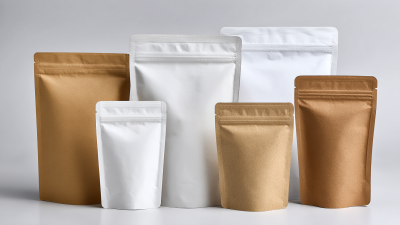
On the other side, paper pouches are gaining traction among eco-conscious buyers. The Nielsen Global Sustainability Report highlights that 73% of consumers are willing to change their consumption habits to reduce their environmental impact. Paper pouches are biodegradable and offer a renewable alternative to plastic. Nonetheless, they may lack the same level of protection against moisture and oxygen. This could affect the shelf life of certain food products.
The choice between plastic and paper pouches ultimately depends on specific product requirements and consumer preferences. As manufacturers navigate these materials, findings suggest an opportunity for innovation in hybrid designs. Combining the strengths of both materials could address sustainability concerns while maintaining functionality, highlighting an ongoing need for research and development in food packaging material options.
Comparative Analysis of Plastic vs. Paper Pouches
Key Properties of Barrier Materials in Pouch Packaging
When selecting pouch packaging materials, barrier properties are vital for product integrity. A good barrier protects against moisture, oxygen, and light. These factors prevent spoilage and preserve flavor. Every material offers different levels of protection. For example, aluminum foil is often chosen for its excellent moisture and oxygen barrier. It is highly effective but can be costly.
Other materials, like plastic films, are versatile and often lighter. They may not offer the same barrier performance as aluminum. However, innovations in coating technologies are improving their effectiveness. It's essential to consider the specific needs of the product when choosing materials. Sometimes, a combination of materials can provide optimal protection.
The decision-making process is not always clear-cut. Factors like cost, sustainability, and specific protection needs must be balanced. Selecting the right pouch material can be challenging. Understanding the properties of each option can lead to better-informed choices. Ultimately, the goal is to ensure product quality and safety throughout its shelf life.
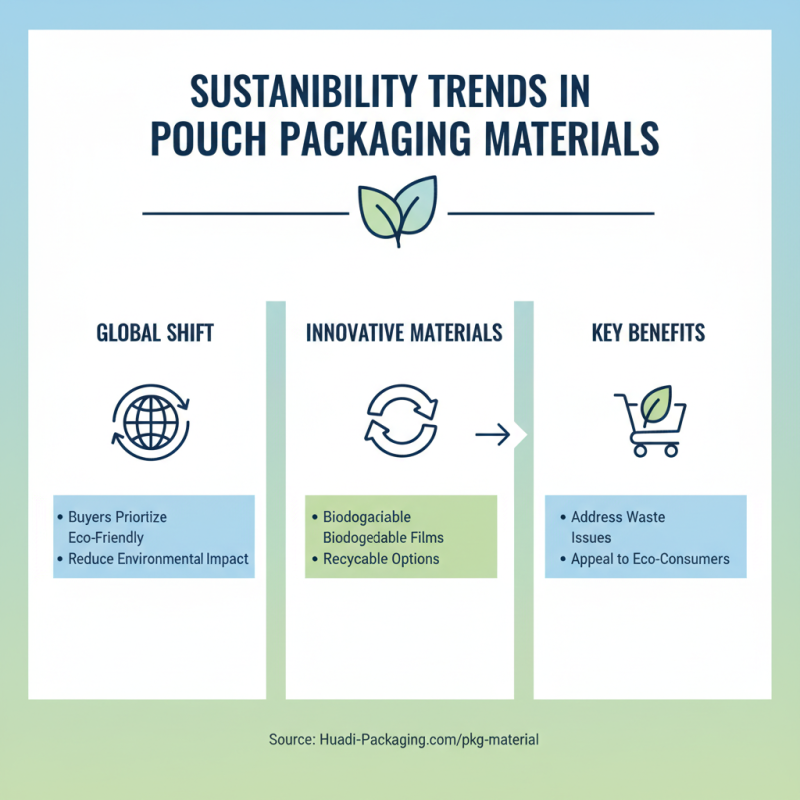
Sustainability Trends in Pouch Packaging Materials
The pouch packaging industry is witnessing a significant shift towards sustainability. As global buyers prioritize eco-friendly options, manufacturers are exploring innovative Pkg Material to reduce environmental impact. Biodegradable films and recyclable options have emerged as top choices. These materials not only address waste issues but also appeal to environmentally conscious consumers.
However, the journey towards sustainable packaging isn't without challenges. Some biodegradable options may not break down effectively in all environments. Additionally, sourcing sustainable Pkg Material can sometimes lead to increased costs. Brands must balance sustainability with budget constraints, which can complicate decision-making. Transparency in the sourcing of materials is essential.
Moving forward, constant innovation and adaptation will shape the landscape of pouch packaging. Collaboration within the industry could help identify effective solutions. As buyers become more knowledgeable, their influence can drive positive change in materials used. Emphasizing authentic sustainability can enhance brand trust and align with consumer values.
Factors Affecting Material Selection for Pouch Packaging
When selecting pouch packaging materials, several factors come into play. Material choice is influenced by product type, durability, and barrier properties. Buyers must consider how different materials protect the contents from moisture, light, and air. Each product has unique needs. For instance, food products may require a high barrier to extend shelf life, while non-food items might prioritize cost over protection.
Sustainability has become a crucial factor in material selection. Many manufacturers are increasingly looking for eco-friendly options. Biodegradable materials, for example, are gaining traction in the market. This shift reflects a growing awareness of environmental impact. However, the challenge lies in balancing sustainability with functionality.
Cost is another significant determinant. Budget constraints may limit choices, forcing buyers to compromise on material quality. Not all economical options provide the necessary protection. It's essential to weigh long-term benefits against upfront costs. Buyers sometimes overlook this balance, focusing only on the immediate financial outlay while ignoring potential losses from damaged products. Select the right Box Material thoughtfully. Each choice shapes overall effectiveness and brand reputation.
What are the Best Pouch Packaging Materials for Global Buyers? - Factors Affecting Material Selection for Pouch Packaging
| Material Type |
Key Benefits |
Cost-Effectiveness |
Sustainability |
Typical Uses |
| Plastic (PET/PE) |
Lightweight, moisture resistant, variety of designs |
Moderate to low |
Recyclable options available |
Snacks, liquids, powdered products |
| Foil |
Excellent barrier properties against light, moisture and gases |
Moderate |
Not biodegradable, but can be recycled |
Coffee, snacks, pharmaceuticals |
| Kraft Paper |
Biodegradable, recyclable, natural look |
Moderate |
Highly sustainable |
Flours, grains, organic products |
| Bioplastics |
Derived from renewable sources, customizable |
Higher than traditional plastics |
Fully biodegradable |
Food packaging, single-use items |
| Compostable Materials |
Environmentally friendly, compostable |
Higher cost |
Fully compostable |
Organic waste collection, food items |
Innovations in Pouch Packaging Materials for Enhanced Performance
As pouch packaging evolves, innovation continues to drive the market. Recent reports indicate that the global flexible packaging market is projected to reach $300 billion by 2025. This rapid growth highlights the need for advanced materials that meet the demands of sustainability and performance. Biodegradable and recyclable materials are gaining traction. Research shows that 40% of consumers prefer eco-friendly packaging options. This shift represents a significant opportunity for manufacturers to adapt.
Moreover, enhanced barrier properties in pouch materials are crucial. Studies suggest that high-performance laminates can extend product shelf life by up to 50%. Innovations such as vacuum sealing and nitrogen flushing improve freshness. While these advancements are promising, there are challenges. The cost of developing new materials can be high. Many companies struggle to balance sustainability with production efficiency.
Additionally, not all innovations deliver the expected results. Trials often reveal shortcomings in strength or functionality. While suppliers push for lighter materials, durability must not be compromised. The quest for perfect packaging materials continues, as industry experts advocate for ongoing research and development. Keeping pace with technological advances is essential to meet evolving consumer preferences.
Best Practices for Choosing Pouch Packaging Suppliers
Choosing the right pouch packaging suppliers can be challenging. Buyers should seek experienced partners with a proven track record. Evaluate their production capabilities and quality control measures. Reliable suppliers maintain high standards. Understanding materials is crucial for packaging success. Suppliers should offer a variety of options, such as biodegradable or recyclable materials. Each material has distinct properties that affect shelf life and customer satisfaction.
Communication is key throughout the selection process. Discuss design flexibility and customization options. The best suppliers collaborate with their clients, ensuring the final product meets expectations. Consider conducting site visits to inspect facilities. This helps gauge reliability and quality firsthand. Request samples to evaluate material performance before making a decision.
Reflection is vital. Buyers often overlook the importance of long-term relationships with suppliers. A good partnership may yield better pricing and improved innovation over time. Assess your suppliers based on their responsiveness and willingness to adapt. Trust your intuition when choosing a supplier. This could significantly impact your product's success in the global market.
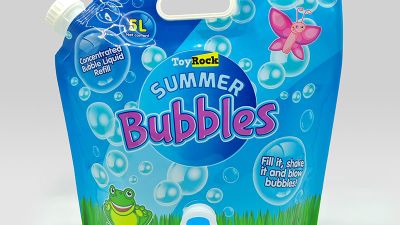
Versatile Adventure Ready: Huadi Customized 5L Bag-in-Box Super Pouch for Camping and Climbing Enthusiasts
The versatility of the Huadi Customized 5L Bag-in-Box Super Pouch lies in its innovative design tailored for camping and climbing enthusiasts. This self-supporting juice pouch offers a compact solution that not only makes outdoor adventures more convenient but also enhances efficiency in packing and transport. Unlike traditional bottled or canned juices, the stand-up pouch allows for easy stacking, maximizing use of space during travel. This feature is particularly beneficial for adventurers looking to optimize their gear and minimize bulk.
In addition to practicality for consumers, the self-supporting juice pouch brings significant advantages for manufacturers and retailers. Its lightweight nature reduces transportation and warehousing costs, making it a cost-effective choice without compromising on quality or sustainability. With efficient shipping capabilities, more products can be transported in a single load, yielding greater savings in logistics. In an age where every inch of storage matters, the design of this pouch represents a strategic solution for businesses striving to stay competitive in a rapidly evolving market. With an emphasis on cost-effectiveness and consumer satisfaction, the Huadi Customized 5L Bag-in-Box Super Pouch stands out as an ideal option for those who appreciate both adventure and efficiency.
FAQS
: Plastic pouches are versatile and durable. They create moisture barriers. Paper pouches, though biodegradable, may not protect as well.
Many consumers prefer eco-friendly options. Sustainability affects purchasing decisions and brand reputation. There is a growing push for biodegradable materials.
Material choice depends on product type, durability, and barrier properties. Cost and environmental impact are also crucial considerations.
Plastic pouches represent a significant market share. They ensure freshness for perishable goods, but plastic waste remains a concern.
Seek experienced suppliers with quality control measures. Assess their material options and production capabilities, and prioritize communication.
Focus on long-term benefits over immediate costs. Sometimes, cheaper options compromise protection, leading to potential product loss.
Open communication fosters collaboration. Discuss design options and customization to ensure the final product meets expectations.
Long-term relationships can lead to better pricing and innovation. Trust and responsiveness affect the success of future projects.
Hybrid designs may combine strengths of plastic and paper. This could enhance sustainability while still providing necessary protection.
Buyers may overlook environmental impact or chase low costs. A thoughtful choice should consider both immediate needs and long-term effects.
Conclusion
The article "What are the Best Pouch Packaging Materials for Global Buyers?" explores various types of pouch packaging materials available around the world. It provides a comparative analysis of plastic versus paper pouches, highlighting their unique advantages and disadvantages. Key properties of barrier materials essential for maintaining product integrity are discussed, alongside the current sustainability trends driving the choice of materials in pouch packaging.
Furthermore, the article examines factors that influence material selection, including product type, shelf life, and consumer preferences. Innovations in pouch packaging materials aimed at enhancing performance and functionality are also covered. Lastly, best practices for selecting reliable pouch packaging suppliers are shared, ensuring that buyers make informed decisions that align with their sustainability goals and product needs. Overall, the article serves as a comprehensive guide for understanding the dynamics of pouch packaging material selection in the global market.