Hey there! If you’re in the packaging biz, you probably already know how quickly things are changing out there. Choosing the right packaging materials? Honestly, it’s more important than ever. As we get closer to 2025, staying on top of trends and making smart decisions about your packaging can really make or break your business. So, a bit about us—Dongguan Huadi Packaging Products Co., Ltd., has been around since 2003, and we've been right there, helping various industries find top-notch packaging solutions that fit their unique needs. In this post, I want to share some insights on what the market for packaging materials might look like in 2025. We’ll dive into the main factors influencing choices and throw in five handy tips for procurement. By getting a handle on these details, your business can improve its packaging, stay eco-friendly, and save some costs too. Basically, being prepared for what's coming next—that’s the goal, right?
Key Trends Shaping the Packaging Materials Market in 2025
So, by 2025, the packaging materials industry is really set to go through some pretty big changes. A lot of this comes down to what's happening with consumer preferences and the push for more sustainable options. I read a recent report from Smithers Pira that estimates the global packaging market will hit around $1 trillion by 2024—fingers crossed, still on that upward climb! A big part of this growth? People are more willing than ever to pay a bit more for eco-friendly packaging—about 64% of consumers, actually, which is pretty compelling. Companies like Dongguan Huadi Packaging Products Co., Ltd. are really aware of these shifts and know they gotta adapt to stay ahead.
And then there's the whole boom in online shopping—e-commerce has totally changed the game when it comes to packaging. The demand for smart, protective packaging solutions is only gonna keep rising. According to Fortune Business Insights, the e-commerce packaging market is expected to grow at a CAGR of 14.2% from 2021 to 2028. That’s a huge wake-up call for companies like Huadi, which has been around since 2003. It’s all about designing packaging that’s not just secure during transit but also gives customers a better experience overall. Looking ahead to 2025, it’s super important for folks involved in procurement to keep these trends in mind and focus on strategies that balance sustainability with the needs of different industries. Don't get left behind on this one!
Emerging Sustainable Materials Revolutionizing Packaging Solutions
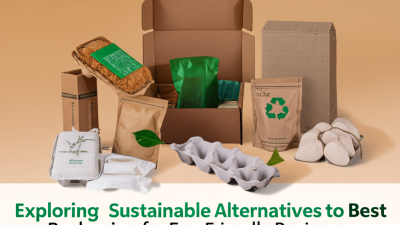
Lately, the packaging world has really started moving toward greener, more sustainable materials — and honestly, it looks like this shift will pick up even more steam by 2025. Companies like Dongguan Huadi Packaging Products Co., Ltd. are leading the charge, coming up with creative packaging solutions that cater to all kinds of industries. We're seeing eco-friendly materials like biodegradable plastics, recycled paper, and plant-based composites totally changing the game in how products get packaged and sent out, all while addressing the growing worries about the environment.
For businesses wanting to boost their green credentials, it’s pretty crucial to get a good grasp on how to source these eco-friendly materials. That means building solid partnerships with suppliers who truly prioritize sustainable practices and can offer quality materials. Plus, putting some resources into research and development can really pay off — helping companies stay ahead with the latest packaging tech. By honing in on smart procurement strategies like these, brands not only tick all the right regulatory boxes but also boost their reputation and build stronger customer loyalty in this increasingly eco-conscious market.
Consumer Preferences Influencing Packaging Material Choices
Looking ahead to 2025, it's pretty clear that consumer preferences are going to have a big impact on the way packaging evolves. These days, people are way more environmentally conscious than ever before, often leaning towards sustainable options instead of the old-school plastics and non-biodegradable stuff. This shift in mindset pushes brands to get more creative, searching for eco-friendly packaging that not only looks good but also lines up with values like caring for the environment.
Plus, there's a growing demand for transparency around how products are sourced. Customers are getting a lot smarter and want to know where their stuff comes from and how it’s packed. That's forcing brands to pick materials that are sustainable and tell the story behind the product. Using recyclable or compostable packaging can really boost a company’s image and build trust with shoppers who care about ethics just as much as convenience. So, if brands want to stay ahead and succeed in the packaging game of 2025, embracing these consumer trends is definitely the way to go.
Cost-Effective Strategies for Sourcing Packaging Materials
You know, in the constantly changing world of packaging materials, businesses really need to get creative with their sourcing strategies if they want to stay ahead of the game. I came across this recent report from Smithers — and get this — the global packaging market is projected to hit around $1.2 trillion by 2025, growing at roughly 3.5% each year. Pretty impressive, right? But with costs for raw materials bouncing around thanks to global supply chain hiccups, it just underscores how crucial smart sourcing really is.
One pretty clever approach is for companies to embrace technology, like data analytics, to make more informed buying decisions. When you analyze how much you're actually using and keep an eye on market trends, you can better predict what’s needed and strike better deals with your suppliers. Oh, and don’t forget — working with multiple suppliers instead of just one can really help cut down risks and even save some bucks. In fact, research from McKinsey shows that companies that spread out their supplier base can cut costs by up to 15% while also making their supply chain more resilient — which, let’s be honest, is a total must these days.
2025年最佳包装材料市场预测与五大采购技巧
| 包装材料类型 |
市场预测增长率 (%) |
主要应用领域 |
采购技巧 |
| 可降解塑料 |
15 |
食品包装 |
选择可持续供应商 |
| 纸质包装 |
10 |
电子产品包装 |
批量采购,争取折扣 |
| 铝箔材料 |
7 |
医药包装 |
开展供应商审核 |
| 玻璃包装 |
5 |
饮料行业 |
长期合同以确保价格稳定 |
| 复合材料 |
12 |
高端化妆品 |
关注市场趋势和技术创新 |
Innovative Technologies Driving Packaging Efficiency and Sustainability
The packaging industry is really going through some big changes lately, thanks to new technologies that are making things both more efficient and more eco-friendly. I came across a report from Smithers Pira that says the global market for sustainable packaging might hit $500 billion by 2025—that's a serious jump, growing about 7.6% each year. A lot of this growth is driven by consumers wanting greener materials, plus companies looking to streamline their operations and cut down their environmental footprint at the same time.
What’s really exciting is how tech is leading the way—think biodegradable materials, smart packaging with sensors and QR codes, and automation. For example, biodegradable plastics are really picking up steam; a report from ResearchAndMarkets says this market is expected to grow at a compound annual growth rate of around 13% from 2020 to 2027. On top of that, smart packaging isn’t just about cool gadgets—it helps improve the overall user experience and makes supply chains more efficient by tracking product conditions and cutting down on waste. These innovations are a huge part of how companies are trying to stay ahead—beating regulations and catering to what consumers are really looking for: sustainability and smarter solutions.
Essential Tips for Building Strong Supplier Relationships in Packaging Industry
Building solid relationships with your suppliers is a big deal in the packaging world—especially with all the market changes and new innovations heading our way in 2025. One really important tip? Keep the communication flowing. Taking the time to regularly check in about expectations, hurdles, and feedback helps build trust and makes everything way more transparent. When you keep those lines of communication open, you can react faster to any surprises and work together to come up with solutions—that way, everyone’s on the same page.
Also, it’s really smart to think long-term rather than chasing quick wins. Sure, switching suppliers for a better price might seem tempting, but building loyalty often pays off—and over time, you'll get better services and more favorable terms. Invest a little extra effort into understanding what your suppliers can do and the challenges they face. This not only strengthens your partnership but also opens up opportunities for joint problem-solving and innovation in your packaging ideas. At the end of the day, focusing on mutual growth and success helps keep your supply chain reliable and ready for whatever the market throws at you as things evolve.