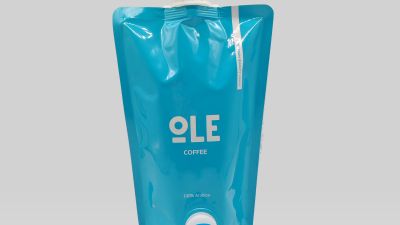
In the fast-changing world of box packaging, staying ahead of the game is more important than ever. Looking ahead to 2025, it’s clear that trends will really start shaping how packaging looks and functions. I caught up with Sarah Johnson, a real expert in packaging innovation at GreenPack Solutions, and she said, “Sustainability and practicality are going to be the main drivers for the future of box packaging.”
People are definitely moving toward eco-friendly materials now. Companies are put more focus on cutting down waste and using recycled stuff whenever they can. This isn’t just a passing trend — it’s pretty much a must if you want to stay afloat in this industry. That said, a lot of brands are finding it tricky to juggle costs and quality. Sometimes that means making compromises when it comes to design or choosing materials.
Designs that are easy to browse online are also getting more popular, especially because they catch the eye of both shoppers and retailers. The goal is to create boxes that not only shield the products but also make the unboxing a little more special. But honestly, balancing these different needs is no walk in the park. The bottom line? Companies need to get creative, or they risk falling behind in this super competitive packaging world.

Emerging Sustainability Practices in Box Packaging for 2025
The box packaging industry is shifting towards sustainability, driven by consumer demand. By 2025, nearly 75% of global consumers are willing to pay more for sustainable packaging. This trend highlights an urgent need for businesses to rethink their packaging strategies.
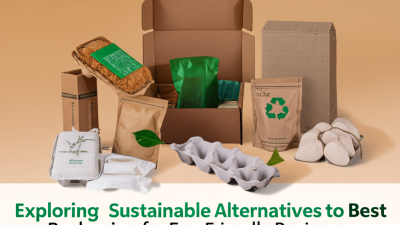
Innovative materials are at the forefront. Companies are exploring biodegradable, recycled, and reusable options. For instance, a recent report indicated that recycled paperboard usage has increased by 30% over the last three years. This change reflects a growing awareness of environmental impacts. Yet, challenges remain.
While eco-friendly materials are emerging, sourcing them can be difficult. Not all businesses have access to reliable suppliers, impacting their ability to fully commit to sustainable practices.
Companies must also consider the entire lifecycle of their packaging. A holistic approach includes not just materials but design and end-of-life solutions. Packaging with a shorter lifespan can contribute to waste. A 2022 study reported that about 40% of packaging ends up in landfills within a year. Thus, balancing innovation with practicality is essential. The journey toward sustainability is ongoing and requires continuous adaptation.
Innovative Materials Shaping the Future of Packaging Design
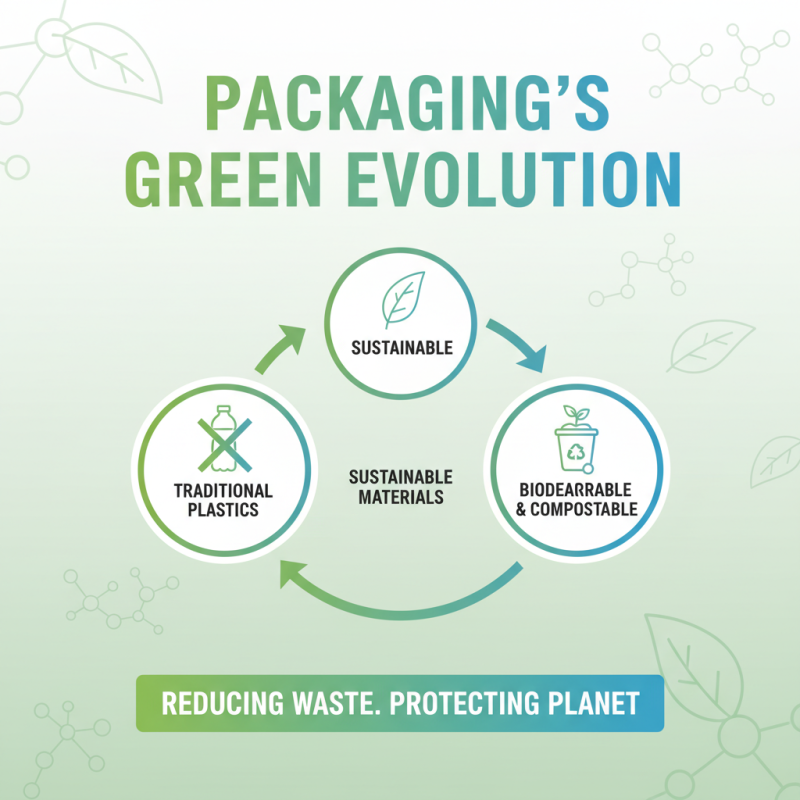
The future of packaging design is being shaped by innovative materials. Many businesses are moving away from traditional plastics. Sustainable options are gaining traction. Biodegradable materials are now commonplace. They break down naturally, reducing landfill waste. This shift is crucial for environmental responsibility. Companies are embracing eco-conscious materials.
Recycled content is another emerging trend. Brands are sourcing materials from recycled sources. This practice reduces reliance on virgin materials. It's a challenge, though, to ensure quality remains. Some recycled plastics may not meet performance standards. This is a critical point for manufacturers. They must find a balance between sustainability and functionality.
Smart packaging is on the rise as well. Technology is being integrated into materials. Sensors can track freshness or temperature. Such innovations enhance user experience. However, it can add complexity to the design process. Creating intuitive packaging can be difficult. Businesses must be mindful of user interactions with these new materials.
Trends in Customization and Personalization of Box Packaging
In 2025, customization and personalization will dominate box packaging trends. According to recent industry reports, 72% of consumers expect brands to offer personalized packaging. This expectation creates both opportunities and challenges for businesses. Custom packaging can enhance customer experience and foster brand loyalty.
However, achieving true personalization is complex. Not every business has the resources to implement unique designs at scale. Reports indicate that small to medium-sized enterprises (SMEs) may struggle with the costs associated with bespoke solutions. Despite advances in technology, many companies still rely on standard packaging. This can result in a disconnect between what consumers want and what brands can deliver.
Moreover, environmental concerns play a role in this trend. Consumers increasingly demand sustainable materials in custom packaging. According to a study, 63% of consumers are influenced by eco-friendly packaging. Balancing personalization with sustainability can be challenging. It requires innovation and a thorough understanding of consumer preferences. Brands must reflect on their strategies and adapt to these demands. Striving for a perfect balance will be crucial for success in the evolving market.
The Role of Technology in Enhancing Packaging Efficiency
In today's fast-paced market, technology plays a crucial role in enhancing packaging efficiency. Automation in packaging lines has minimized manual labor and increased speed. This shift allows businesses to produce more in less time. Advanced machinery can handle diverse materials, ensuring accurate fills and seals. Robotics streamline repetitive tasks, reducing the chance of error.
However, while technology boosts efficiency, it also poses challenges. Implementing new systems requires training. Employees may resist changes. Businesses must strive to create a culture that embraces innovation.
Tips for enhancing efficiency through tech include assessing your current packaging process. Identify bottlenecks that slow down production. Invest in software solutions that optimize workflow. Consider using AI for predictive maintenance to avoid downtime. Balance automation with the human touch. Customer satisfaction should remain the priority.
Design Aesthetics: The Shift Towards Minimalism in Packaging
In recent years, minimalism has gained immense popularity in packaging design. This trend emphasizes simplicity, clean lines, and a reduction of unnecessary elements. Brands are focusing on striking a balance between aesthetics and functionality. As consumers become increasingly environmentally conscious, minimalistic designs often use fewer materials and resources, which appeals to eco-friendly values.
The beauty of minimalism lies in its ability to convey messages clearly. A single color palette can create an impactful visual identity. However, achieving this simplicity can be challenging. It's essential to ensure that the design does not come off as bland or unremarkable. Brands must find ways to maintain uniqueness while adhering to minimalist principles.
Additionally, there is a risk of over-simplification. Sometimes, the essence of the product may get lost in the design. Striking a balance is key. Minimalism should enhance the product's appeal, not overshadow it. Brands are tasked with reflecting their values while keeping designs straightforward and engaging. There’s a fine line between minimalist beauty and empty design.
Consumer Behavior Influencing Packaging Choices in 2025
In 2025, consumer behavior will play a pivotal role in shaping packaging trends.
Environmental concerns influence buyers immensely.
More consumers are seeking eco-friendly materials.
They prefer recyclable or biodegradable options. This shift is a response to climate change awareness.
Brands that ignore this trend may face backlash.
Design aesthetics will also matter. Shoppers will favor unique and eye-catching packaging.
Minimalistic designs can attract attention quickly. However, functionality must not be sacrificed.
Packaging needs to be practical and user-friendly. A visually appealing box that is hard to open won’t win loyalty.
Moreover, personalization is becoming essential. Consumers enjoy products that reflect their identity.
Custom packages can create a deeper connection. But companies must balance personalization with cost.
It’s a challenge to cater to diverse preferences while maintaining budgets.
Many brands may struggle with this, leading to missed opportunities.
Regulatory Changes Impacting Packaging Standards and Practices
As we approach 2025, businesses must stay vigilant about regulatory changes impacting packaging standards. Recent studies indicate that over 70% of companies are unprepared for upcoming regulations. These changes could dictate materials, design, and sustainability practices. For instance, the EU is tightening restrictions on single-use plastics. This could lead to significant shifts in packaging strategies.
**Tip:** Regular training for your team on compliance can ensure you stay ahead. This can minimize risks and costs associated with non-compliance.
Companies must adapt to the potential environmental regulations that will emerge. A report from McKinsey highlights that over 40% of consumers now prefer eco-friendly packaging. This change reflects their demand for sustainability. Brands must rethink materials used in packaging. However, while pursuing sustainability, some companies overlook cost implications. Balancing performance with eco-awareness remains a challenge.
**Tip:** Consider pilot programs to test new eco-friendly materials. Gather data to assess performance and cost before full-scale implementation.
As regulatory landscapes shift, ongoing evaluation is key. Packaging choices must align with both consumer preferences and new regulations. Conducting thorough market research can aid in understanding these shifts. You may find gaps in your strategy that need addressing. Adapting proactively can give your business a competitive edge in this evolving market.
2025 Top Box Packaging Trends You Need to Know for Your Business
| Trend |
Description |
Expected Impact |
Regulatory Changes |
| Sustainable Materials |
Increase in the use of biodegradable and recyclable materials. |
Reduction in carbon footprint and improved brand image. |
Compliance with new environmental packaging regulations. |
| Smart Packaging |
Integration of IoT technology for enhanced user interaction. |
Improved customer experience and brand loyalty. |
Consideration of data privacy laws in packaging technology. |
| Minimalist Packaging |
Simplification of packaging design to reduce waste. |
Cost savings and appeal to eco-conscious consumers. |
Adherence to new waste reduction targets set by governments. |
| Customized Packaging |
Tailoring packaging to specific customer segments and preferences. |
Enhanced market competitiveness and consumer satisfaction. |
Regulations on the labeling of tailored materials. |
| Health and Safety Standards |
Increased focus on food safety and product protection. |
Reduced health risks and improved consumer trust. |
Revisions in FDA and other health authority guidelines. |
Exploring the Growth of Eco-Friendly Packaging: The Role of Huadi 1L-10L Custom Bag in Box Super Pouch in Outdoor Applications
In today's eco-conscious world, the need for sustainable packaging solutions has never been more pressing. The evolution of eco-friendly packaging is not just about addressing environmental concerns; it's also about enhancing outdoor experiences. The recent surge in demand for customized solutions, such as a versatile 1L-10L Bag-in-Box Super Pouch, highlights the fusion of practicality and ecological responsibility. This innovative product caters specifically to those who love the thrill of outdoor adventures while still being mindful of the planet.
Designed for camping and climbing enthusiasts, this Super Pouch offers an impressive capacity of 5 liters, making it the perfect companion for all essential outdoor gear. Its lightweight and compact nature ensure that it can be easily transported, allowing adventurers to focus on their journey rather than on cumbersome equipment. Importantly, its customizable design invites users to express their unique style while aligning with sustainable practices. As outdoor enthusiasts embrace their adventurous spirit, the right tools can make all the difference, and this pouch serves as a perfect example of how style can harmoniously blend with functionality, enabling exploration without compromising on environmental values.
FAQS
: The product aims to simplify daily tasks. It offers convenience and efficiency.
Anyone can use it, but it’s especially beneficial for busy individuals. Students, professionals, and parents find it helpful.
Follow the user guide closely. Practice using it regularly to gain familiarity.
Yes, it may not meet everyone’s needs. Some users may find learning curves challenging.
Troubleshooting steps are provided in the manual. If needed, contact customer support for further assistance.
Returns are allowed within a specified period. Ensure the product is in original condition for a refund.
A warranty may be included. Check the details in the product documentation for coverage information.
Regularly wipe it down with a soft cloth. Avoid using harsh chemicals to prevent damage.
Yes, it is designed for shared use. Just make sure everyone reads the instructions.
Users often skip the setup instructions. Some do not explore all features fully, missing out on benefits.
Conclusion
As we approach 2025, the landscape of box packaging is rapidly evolving, shaped by several key trends. Sustainability practices are becoming increasingly important, with businesses seeking innovative materials that reduce environmental impact while meeting consumer demands. Customization and personalization are gaining traction, allowing brands to create unique packaging that resonates with their target audience. Additionally, advancements in technology are significantly enhancing packaging efficiency, streamlining production processes and reducing waste.
Design aesthetics are also shifting towards minimalism, reflecting a preference for simplicity and elegance in packaging. Furthermore, consumer behavior plays a crucial role in influencing packaging choices, as more individuals consider sustainability and functionality when making purchasing decisions. Lastly, regulatory changes are reshaping packaging standards and practices, ensuring that businesses stay compliant while meeting consumer expectations. The convergence of these trends will significantly impact box packaging strategies for the near future.