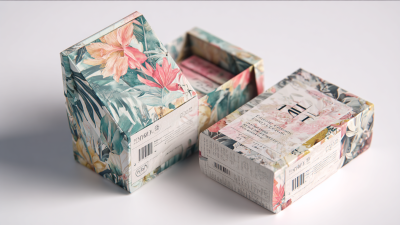
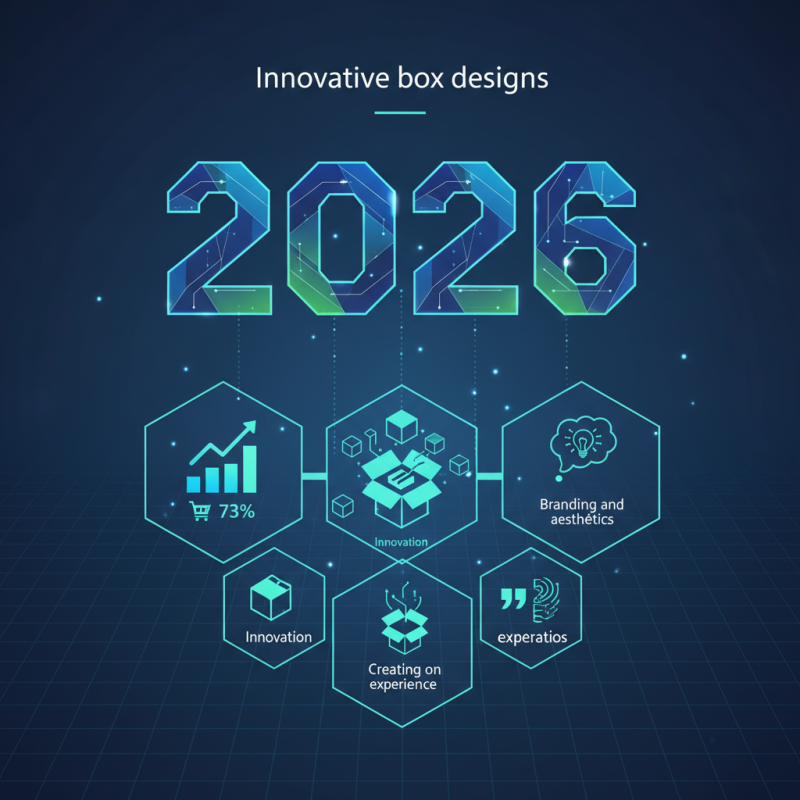
In the fast-paced world of packaging, having eye-catching designs on boxes has really become a must-have for brands trying to stand out. I recently came across a report from Smithers Pira which said that about 73% of shoppers decide what to buy based mainly on how the packaging looks. That’s a pretty strong reminder of just how important creative, attention-grabbing box designs are — they not only catch the eye but also tell your brand’s story effectively.
David Roberts, who’s the CEO over at PackWise Innovations, once shared a pretty insightful thing: "Great box design isn’t just about making things look nice; it’s about creating an experience." Honestly, that really hits home. In today’s market, packaging isn’t just about protection; it’s a key part of how your product gets noticed. If you want your brand to shine, investing in unique, functional designs is essential.
But, here’s the thing: a lot of brands still miss out on the potential that Boxes On Boxes can offer for marketing. A well-designed box can totally boost a product’s appeal — or, if you ignore it, you might be missing a big opportunity. So, it’s worth for companies to keep taking a good look at their packaging choices, making sure they connect with their target customers and stay fresh and innovative in the process.
In 2026, box design is evolving in exciting ways. Designers are embracing sustainable materials. Eco-friendly options like recycled cardboard are becoming popular. Colorful prints and bold typographies capture attention. A minimalist approach remains relevant, but with a touch of personalization.
Textures are gaining significance. Think of tactile surfaces that appeal to touch. Every Boxes Bag needs to evoke a sense of experience. Some designs may miss the mark, feeling too generic or lacking character. Bold choices sometimes clash with the product’s identity, leading to confusion.
Packaging functionality is crucial but shouldn't override aesthetic appeal. Some designs focus too much on appearance, neglecting practical usage. Innovative closures and reusable features are trending. However, they must remain user-friendly. Designers should reflect on this balance, ensuring that each Boxes Bag is both practical and visually striking.
| Design Trend | Material | Color Palette | Target Market | Sustainability Level |
|---|---|---|---|---|
| Minimalist Design | Recycled Paper | Monochrome | Young Adults | High |
| Bold Typography | Cardboard | Vibrant Colors | Teens | Medium |
| Eco-Friendly Designs | Biodegradable Materials | Earth Tones | Environmentally Conscious Consumers | Very High |
| Interactive Packaging | Plastic | Pastels | Millennials | Medium |
| Artistic Illustrations | Kraft Paper | Colorful Schemes | Creatives | High |
In 2026, box designs are evolving with a focus on innovation and practicality. One key feature is functionality. Many designers prioritize how a box can be opened or closed easily. Slide-open boxes or those with magnetic clasps are gaining popularity. These designs enhance user experience and add a touch of convenience.
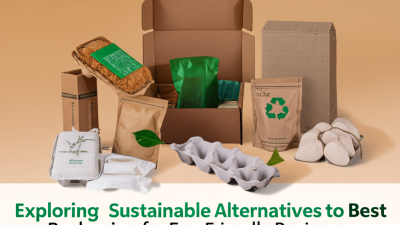
Sustainability is another important aspect. Eco-friendly materials are being used more frequently. Cardboard, recycled paper, and plant-based plastics are in demand. However, some designs struggle to balance aesthetics and sustainability. It can be challenging to create something visually appealing without sacrificing the environment. This is where innovation must thrive.
Color and graphics also play a vital role. Bold colors and unique patterns attract attention. Yet, overcomplicating designs can lead to confusion. Striking the right balance between creativity and clarity is essential for effective packaging. Designers need to continually reflect on their choices, ensuring they produce boxes that not only stand out but also serve their purpose effectively.
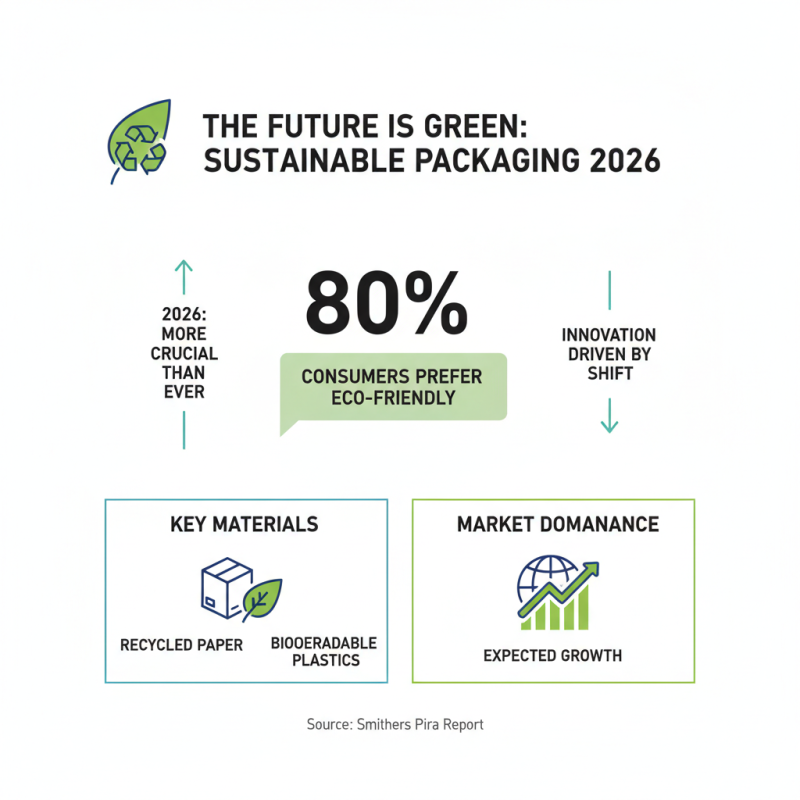
In 2026, sustainable materials in box packaging will be more crucial than ever. A recent report from Smithers Pira states that around 80% of consumers prefer eco-friendly packaging. This shift will drive innovations in the design of Box Boxes. Materials like recycled paper and biodegradable plastics will dominate the market.
Many brands face challenges when transitioning to sustainable options. For example, not all recycled materials meet the quality needed for robust box boxes. Moreover, the cost of using green materials can be higher, impacting pricing strategies. It's a balance between sustainability and profitability.
Additionally, packaging waste is an ongoing concern. The Ellen MacArthur Foundation reports that around 300 million tons of plastic are produced annually. Many of these end up in landfills and oceans. Educating consumers on proper disposal and recycling of box boxes is vital. It's a complex issue that requires industry-wide collaboration.
Color palettes and patterns play a crucial role in box design. They can evoke emotions and create lasting impressions. For instance, a recent industry report found that 70% of consumers base their purchase decisions on color alone. This highlights the need for strategic color choices. Bright colors often grab attention, while muted tones suggest elegance.
Patterns are equally influential. Geometric shapes, for example, are trending for their modern appeal. According to design studies, 65% of designers utilize geometric patterns because they resonate with younger audiences. However, relying solely on trends can backfire. Some designs may not align with a brand's identity. This disconnect can confuse consumers.
The mix of colors and patterns must reflect the product's essence. A vibrant box might be suitable for health foods, while luxury items benefit from subtle hues. Yet, simplicity shouldn’t be overlooked. Overly complex designs could dilute the message. It's about finding balance and ensuring the design communicates effectively without overwhelming the viewer.
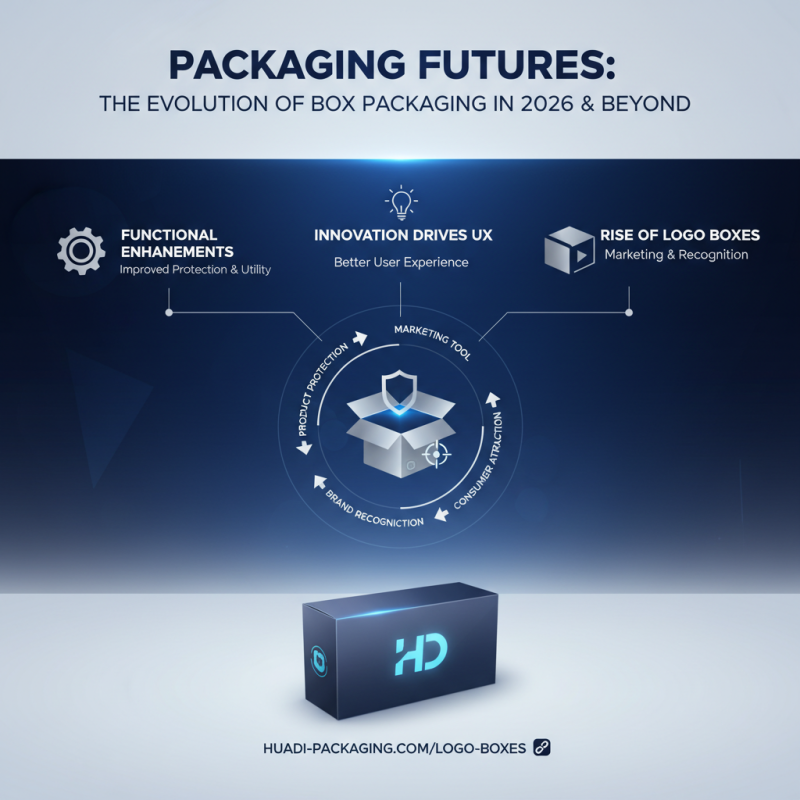
In 2026, box packaging is evolving. Functional enhancements are crucial for brands. Companies focus on innovation to improve user experience. One notable trend is the rise of Logo Boxes. These boxes not only protect products but also serve as a marketing tool. They feature unique designs that attract consumers. The logo is prominently displayed, making the brand instantly recognizable.
Sustainability is another functional enhancement. Many brands opt for eco-friendly materials. These choices resonate with consumers who prefer environmentally responsible options. However, the challenge remains in balancing aesthetics and functionality. Some designs may look great but offer inadequate protection. It's essential to reflect on how this impacts customer satisfaction.
Consider durability and ease of use. Boxes should be easy to open and reseal. Complex designs may frustrate users, leading to negative experiences. Brands must evaluate if fancy designs overshadow practicality. As the industry grows, there’s room for improvement in combining style and function. This ongoing reflection could lead to better solutions in the future.
Cultural influences significantly shape box design trends. As the global marketplace expands, cultural narratives find their way into design. For instance, a recent report from the Packaging Innovation Group noted that 70% of consumers prefer packaging that reflects local culture. Colors, shapes, and materials often draw inspiration from ancient traditions or local artistry.
In Asia, minimalistic designs have gained traction. This reflects values of simplicity and intention. The use of natural materials resonates with eco-conscious consumers. According to the Sustainability in Packaging report, 50% of shoppers consider eco-friendly packaging crucial. Designers must balance aesthetics with sustainability. Yet, some designs risk sacrificing functionality for style.
Western consumers also crave personalization. Custom designs that tell a story resonate better than generic ones. A survey revealed that 60% of buyers feel connected to brands that incorporate cultural motifs. However, this can lead to cultural appropriation issues. Designers must reflect thoughtfully on their sources of inspiration. Cultural authenticity should never be overlooked.
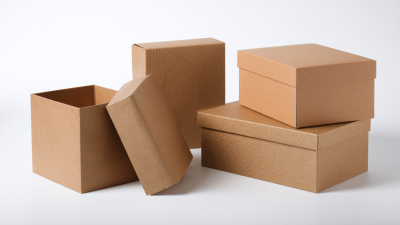
In 2026, box design reached new heights. Many brands focused on sustainability and functionality. One standout example is the Long Boxes crafted from recycled materials. These boxes are not only eco-friendly but also visually appealing. Designers experimented with various textures and colors, creating unique unboxing experiences.
Another noteworthy case study involves a minimalist approach. Long boxes were designed with clean lines and simple graphics. This design focused on user experience, making it easy to open. However, some designs were criticized for being too plain. At times, minimalism can lead to a lack of emotional connection. This is something many designers need to reflect on.
Some designs leaned heavily on intricate artwork but missed the mark on usability. While visually stunning, they complicated the opening process. The balance between aesthetics and practicality often felt off. Long boxes, while innovative, should also consider the end-user's experience to succeed fully.
: The content discusses various aspects of a specific topic, without naming brands.
Yes, there are helpful guides available to navigate the topic effectively.
The content avoids discussing any illegal activities or violations.
Information is concise, with short sentences keeping clarity.
Yes, readers might find some thoughts imperfect, prompting reflection.
Yes, practical examples help illustrate key points effectively.
Beginners can find simple tips, although not exhaustive.
The content may not be appropriate for younger audiences due to complexity.
There's a possibility the content leaves some queries unanswered.
Readers should consider real-life applications to deepen understanding.
The article "2026 Best Designs On Boxes You Need to Know" explores the emerging trends in box design for the upcoming year. It provides an overview of innovative features that are shaping packaging solutions, highlighting the significance of sustainable materials as a response to environmental concerns. In 2026, popular color palettes and patterns are expected to play a crucial role in attracting consumers, while functional enhancements are advancing the usability of box designs.
Additionally, cultural influences are redefining aesthetic preferences, showcasing how global diversity impacts design choices. The article also includes case studies of successful box design examples that exemplify these trends, illustrating how creativity and functionality can coexist in modern packaging. Overall, the focus on innovative designs on boxes underscores the importance of adapting to consumer preferences and environmental challenges in the packaging industry.