When you're on the hunt for a factory to handle your Box Packaging needs, the first thing you wanna keep in mind is quality. Picking the right ODM partner can really make a huge difference for your business down the line. A good factory should get what your vision is all about and be able to turn that into eye-catching, appealing box designs.
Don't forget to check out manufacturers like ABC Packaging or XYZ Boxes—they often show off their skills through previous work, which is pretty telling. It’s a good idea to look into what kind of materials they use, their production capacity, and how flexible they are with design options. And seriously, make sure to ask for samples so you can see their craftsmanship firsthand.
Oh, and customer service? Big deal. Clear communication can totally make or break your partnership. Take a moment to think about how responsive they are—do they get back to you quickly? How well do they handle your feedback? These little things matter a lot when you're trying to build a lasting, trustworthy relationship. At the end of the day, choosing a reliable factory isn’t just about saving a few bucks—it’s about finding a partner that genuinely supports your business growth and helps you succeed.
When selecting an ODM packaging factory, consider the factory's experience. A well-established factory often has the skills needed for quality Box Packaging. Ask about their past projects. Look for diverse examples showcasing their capabilities. This will give insights into their design flexibility.
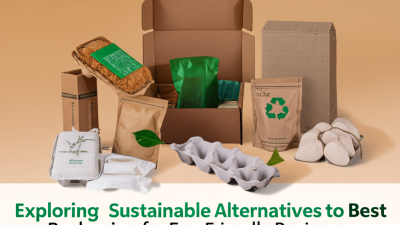
Next, assess the materials they use. High-quality materials are vital for durable box packaging. Inquire about sourcing methods and sustainability practices. Are they using eco-friendly options? This can impact your brand's image significantly.
Communication is also important. A responsive team is crucial during production. Delays can affect your timeline and budget. Visit the factory if possible. Observing the workflow can reveal dedication to quality. It's essential to feel confident in their ability to deliver.
Choosing between ODM and OEM can be daunting for businesses. ODM stands for Original Design Manufacturer. They design and produce products based on your specifications. On the other hand, OEM, or Original Equipment Manufacturer, makes products according to your design. Understanding these differences is crucial for effective decision-making.
Industry reports indicate that 70% of businesses opt for ODM due to its cost-effectiveness and time efficiency. A well-chosen ODM can enhance product innovation. However, many companies overlook the importance of quality control when selecting an ODM. This can lead to significant issues later on.
Tip: Ensure you research potential factories thoroughly. Look for certifications and past work examples. While ODM may offer more convenience, a poorly chosen factory can compromise your brand’s integrity.
Critically assessing your needs is vital. Some businesses focus solely on cost savings, which can be a mistake. If a factory lacks necessary quality checks, it can damage your reputation. Reliable partners, such as those providing Box It Packaging, often offer robust support in this area.
Tip: Build a checklist of quality standards before contacting factories. This simple step can save you from future regrets. In the end, clarity in your requirements will guide you to a suitable ODM that aligns with your brand vision.
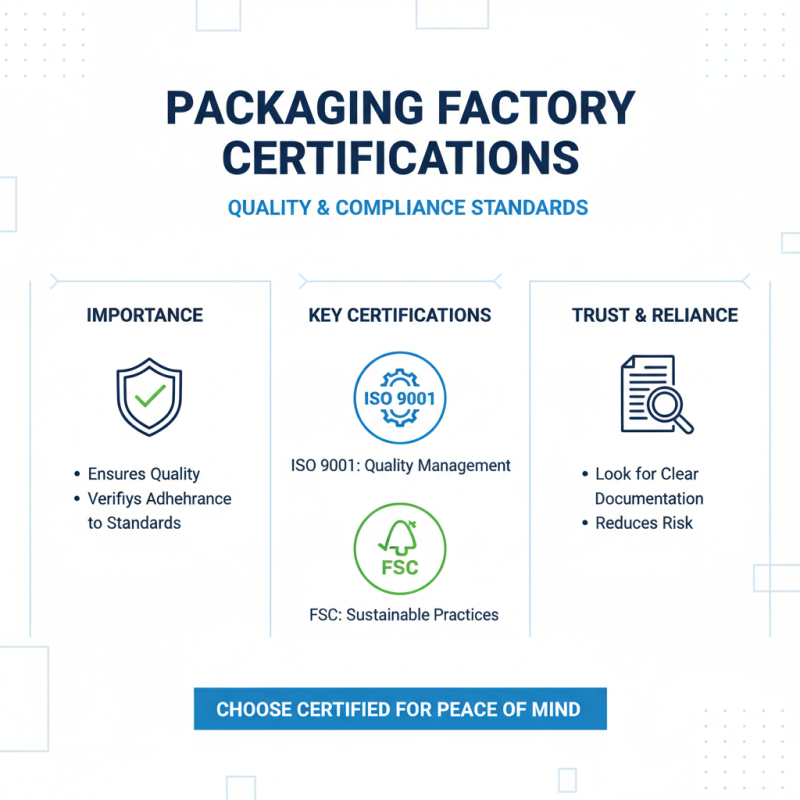
When choosing an ODM high-quality box packaging factory, factory certifications are crucial. They reflect a factory's adherence to industry standards. Look for certifications like ISO 9001, which shows a commitment to quality management. Other certifications, like FSC, ensure sustainable practices. A factory should have clear documentation for these certifications. This reassures you of their compliance.
Moreover, compliance standards vary across regions. Regulatory requirements can impact materials used in packaging. Check if the factory complies with local laws and international standards. This will help avoid potential legal issues. Ask for inspection reports. They provide insight into the factory’s practices. However, don't take these reports at face value. Investigate their authenticity.
Finally, consider the factory’s past projects. Reviewing previous work will help gauge their reliability. Look for case studies or customer testimonials. If possible, request samples of their work. This will help you evaluate the quality firsthand. It’s essential to ensure that the factory aligns with your ethical and quality standards. Trust but verify; it's a challenging yet necessary approach.
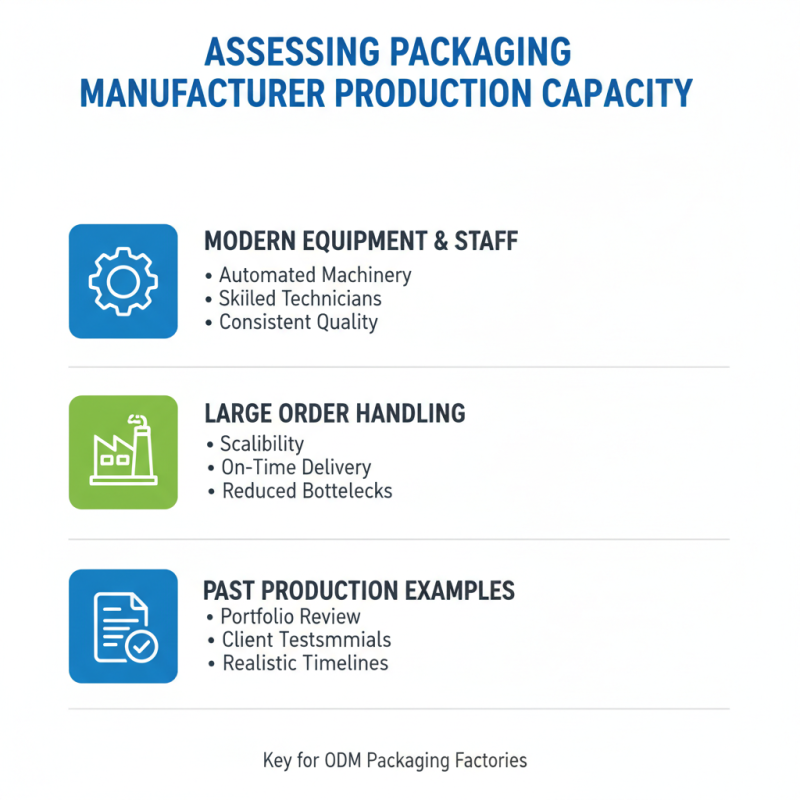
When choosing an ODM packaging factory, assessing their production capacity is crucial. Look for factories with modern equipment and skilled staff. This ensures they can handle large orders without compromising quality. It’s wise to ask for past production examples. This reveals their capabilities and helps set realistic expectations.
Lead times are another vital factor. A factory may boast impressive capacity but may not deliver on time. Request timelines during your initial discussions. Clear communication about delivery schedules can save you from frustrating delays. Ensure the factory has a solid plan for managing peak seasons too.
Sometimes, factories overestimate their capacity. Don’t hesitate to seek clarification on any unclear points. Trust is built through transparency. Prioritize factories that demonstrate a commitment to meeting deadlines while maintaining quality standards. This balance is essential for your business success.
Sustainability in packaging is no longer just a trend; it's a necessity. A recent report from the Packaging Association shows that 74% of consumers prefer brands that use sustainable practices. This shift is pivotal for ODM packaging manufacturers. They must adapt to eco-friendly materials and reduce waste throughout production. However, many factories still rely on single-use plastics. This reliance raises questions about their commitment to sustainability.
Incorporating sustainable practices can be challenging. It requires investment in new technologies and training for staff. Many ODM factories struggle with high upfront costs. However, research indicates that eco-friendly packaging can boost brand loyalty. A study shows that 61% of customers are willing to pay more for sustainable products. This creates a compelling case for businesses to prioritize their packaging choices.
While the industry moves forward, transparency is crucial. Consumers are increasingly scrutinizing brands for their environmental impact. If an ODM factory lacks clear sustainability practices, it may face backlash. In contrast, those that showcase their eco-friendly initiatives can differentiate themselves in a competitive market. Transitioning to sustainable packaging is not just responsible; it's also a strategic choice that can lead to growth.
When selecting an ODM box packaging factory, cost is a crucial factor. Quality must not be compromised for savings. Analyzing the price of various packaging solutions helps in making informed decisions. Look for factories that provide transparency in their pricing. It's essential to understand what goes into the final cost. Finding the right balance can be challenging.
Consider the materials used in Bag Box Packaging. Cheap materials may lower costs but can impact product safety. Inspect samples closely. Ask about their sourcing practices. Quality fabric or rigid materials can elevate the packaging’s appeal. However, these are often pricier. The goal is to ensure that the quality aligns with your brand image while still being cost-effective.
Keep in mind, some factories may promise quality but deliver disappointing results. Seek reviews or testimonials from other businesses. It's vital to weigh the pros and cons of each option. Engage with suppliers about potential pitfalls. Learning from others’ experiences can prevent costly mistakes. Trust your instincts during this process; finding the right factory should not solely focus on price.
| Criteria | Description | Average Cost ($) | Quality Rating (1-5) |
|---|---|---|---|
| Material Quality | Quality of materials used for packaging boxes. | 1.50 | 4 |
| Manufacturing Process | The techniques and technologies used in production. | 2.00 | 5 |
| Lead Time | Time taken from order to delivery. | 1.00 | 3 |
| Customization Options | Flexibility in customizing designs and sizes. | 1.75 | 4 |
| Customer Service | Support and communication during the project. | 1.25 | 5 |
When choosing an ODM high-quality box packaging factory, client testimonials play a crucial role. Reviews can provide valuable insights into a factory's reliability. Look for testimonials that highlight the quality of Box And Packaging. Positive feedback often reflects a factory's strengths. However, watch for vague comments. These may indicate less than ideal experiences.
Case studies reveal how a factory has handled real projects. They often include specific challenges faced and solutions implemented. A good factory will share diverse examples. Pay attention to the details of each case. What types of Box And Packaging were produced? How did they perform in the market? Understanding these factors can help you gauge their capabilities.
Sometimes, not all reviews are glowing. Consider the negative feedback as well. It can offer crucial information about potential pitfalls. Look for patterns in complaints. Are there recurring issues with delivery times or customer service? Recognizing these concerns can prevent future headaches. Make informed choices based on comprehensive feedback to select the right packaging partner for your business.
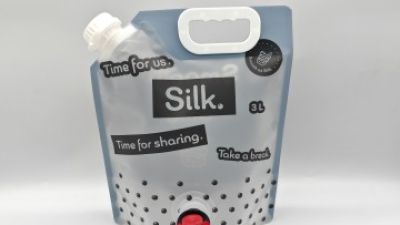
In the quest for efficient liquid packaging solutions, the 3-Liter Food-Grade Butterfly Valve Suction Nozzle Bag stands out with its innovative design tailored for both functionality and convenience. This bag combines a generous storage capacity with a unique butterfly valve feature, allowing users to dispense water easily without the risk of spills. Such design enhancements are crucial considering that studies show improper hydration solutions can lead to significant water waste and inconvenience for consumers.
The butterfly valve not only contributes to a leak-proof experience but also ensures that the bag is portable and durable, making it ideal for various settings such as home hydration, outdoor adventures, and everyday use. Research indicates that the demand for portable water solutions has surged, with markets for hydration products projected to reach several billion dollars in the coming years, reflecting an increasing awareness of the need for sustainable and user-friendly liquid packaging options.
Moreover, the ability to access fresh drinking water effortlessly feeds into a larger trend within the beverage industry towards eco-consciousness and convenience. With growing concerns over plastic waste, a product designed to minimize leaks and enhance portability aligns perfectly with consumer preferences, showcasing a shift towards innovative, environmentally responsible packaging solutions. This revolution in liquid packaging not only supports better hydration practices but also promotes a more sustainable lifestyle.
: Factory certifications reflect adherence to industry standards. They ensure quality management and sustainable practices.
Look for certifications like ISO 9001 for quality and FSC for sustainable practices. These provide reassurance of compliance.
Compliance standards vary by region. They dictate the materials used in packaging to meet legal and quality requirements.
Request inspection reports and certification documentation. But always verify their authenticity to avoid misleading information.
Reviewing past projects helps gauge reliability and quality. Look for case studies or customer testimonials for insights.
Analyze pricing transparently. Quality should not be sacrificed for lower costs. Find a balance that suits your brand image.
High-quality materials enhance appeal but may increase costs. Ask about sourcing practices for better durability and safety.
Seek reviews from other businesses. Learn from their experiences to avoid potential pitfalls in your selection process.
Trust your instincts during this process. The right choice shouldn’t focus solely on price, but also on quality and reliability.
Yes, requesting samples allows you to evaluate the packaging quality firsthand. It's a key step in making an informed choice.
When selecting a high-quality ODM box packaging factory for your business, several critical factors must be evaluated. Understanding the differences between ODM and OEM is essential for making informed decisions, as these distinctions can significantly impact your production process. Assessing factory certifications and compliance with industry standards is crucial to ensure product safety and reliability. Additionally, considering the production capacity and lead times of manufacturers can help you meet your business demand efficiently.
Sustainability practices in ODM packaging are increasingly important as consumers become more environmentally conscious, so selecting a factory that prioritizes eco-friendly solutions is advantageous. A thorough cost analysis is necessary to strike the right balance between quality and price, ensuring that your box packaging solutions are cost-effective without compromising on standards. Finally, reviewing client testimonials and case studies can provide valuable insights into a factory's performance and reliability, supporting a well-rounded decision-making process.