In the constantly changing world of food safety, flexible packaging for food has really started to play a more important role. I recently read what Dr. Emily Thompson, who’s pretty well-known in the industry and works at the Flexible Packaging Association, said—she mentioned that food flexible packaging isn’t just about making food last longer on the shelf. It’s also a crucial part of keeping food safe by stopping contamination. These innovative packages are pretty versatile, designed to work with different types of food and various processes, so consumers end up with high-quality, safe products they can trust.
As we think more about why food flexible packaging matters, it's worth noting how it helps cut down on food waste and supports sustainability. This kind of packaging is super adaptable, which meets what today’s consumers are looking for, and it also helps manufacturers keep the food’s integrity intact. With convenience and safety front and center, flexible packaging has really become a key player in how we distribute and enjoy food these days. It’s a solid example of the industry’s focus on public health and safety standards, no doubt about it.

Definition of Food Flexible Packaging and Its Features
Food flexible packaging refers to the packaging solutions that can bend, fold, and conform to the shape of the food items they contain. This type of packaging is typically made from materials such as plastics, films, and foils, which not only provide a barrier against external elements but also enhance convenience and usability. Its flexibility allows for various forms, including pouches, bags, and wraps, ensuring that products can be efficiently packaged and stored.
One of the key features of food flexible packaging is its lightweight nature, which reduces transportation costs and environmental impact. Additionally, it often incorporates advanced barrier properties to protect food from moisture, gases, and contaminants, thereby extending shelf life and ensuring product safety. The versatility of food flexible packaging also makes it suitable for a wide range of food products, from fresh produce to processed snacks, catering to the demands of modern consumers who value freshness and convenience.
Historical Development of Food Flexible Packaging Technology
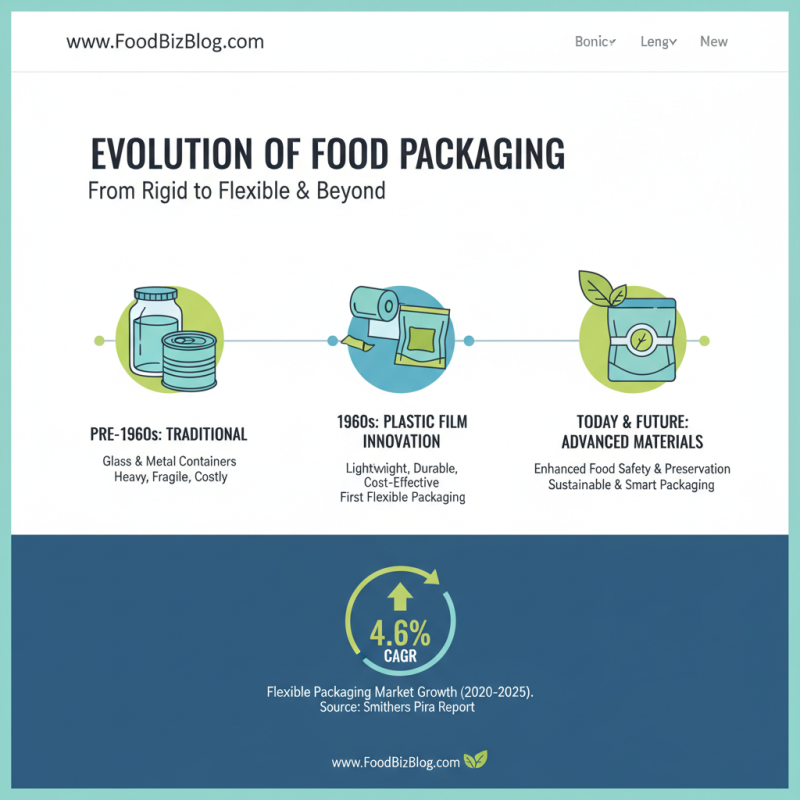
The development of food flexible packaging has transformed the food industry over the decades. Initially, traditional packaging methods such as glass and metal containers dominated the market. However, the innovation of plastic films in the 1960s made a significant impact by providing lightweight, durable, and cost-effective solutions. According to a report by Smithers Pira, the flexible packaging market is projected to grow at a compound annual growth rate (CAGR) of 4.6% between 2020 and 2025, underscoring the increasing reliance on these advanced materials for food safety and preservation.
Over the years, advancements in materials and technologies have further enhanced the properties of flexible packaging. For example, the introduction of multi-layer structures has allowed for improved barrier properties, effectively safeguarding perishable food items from moisture, oxygen, and light exposure. The Food Packaging Forum reports that the use of such materials has been linked to extended shelf life and reduced food waste, making flexible packaging a key player in sustaining modern food systems.
Tips: When selecting food flexible packaging, consider options with renewable materials or recyclable properties to align with sustainability goals. Additionally, look for products that employ advanced barrier technology to ensure optimal preservation of food quality and safety.
Benefits of Food Flexible Packaging for Food Safety
Food flexible packaging plays a crucial role in maintaining the integrity and safety of food products. One of the primary benefits of this innovative packaging solution is its ability to create a barrier against external contaminants. By protecting food items from moisture, oxygen, and light, flexible packaging helps to extend shelf life and preserve the freshness of various food types, from snacks to perishable goods. This not only ensures that consumers receive high-quality products but also minimizes food waste, which is a significant concern in today’s food industry.
Additionally, food flexible packaging is designed with consumer convenience in mind, making it easier to open, reseal, and store products. This user-friendly aspect encourages safe handling practices, reducing the risk of contamination during consumption. The lightweight nature of flexible packaging also reduces transportation costs and carbon emissions, making it an eco-friendly option that aligns with modern sustainability goals. Ultimately, food flexible packaging enhances food safety while accommodating the dynamic needs of consumers and the environment alike.
Key Materials Used in Food Flexible Packaging
Food flexible packaging plays a crucial role in preserving the safety and quality of modern food products. Several key materials are utilized in the production of flexible packaging, each contributing unique properties that ensure the longevity and integrity of food items. Common materials include polyethylene (PE), polypropylene (PP), polyester (PET), and aluminum foil. These materials are chosen for their barrier properties, which effectively protect food from moisture, light, and oxygen, thereby prolonging shelf life and reducing food waste.
In addition to their barrier qualities, these materials are lightweight and versatile, allowing for innovative packaging designs that can cater to various food types. For instance, multilayer structures can combine different materials to optimize performance, enhancing puncture resistance and thermal stability while minimizing environmental impact. The use of recyclable and biodegradable alternatives in food flexible packaging is also gaining traction, reflecting the industry's commitment to sustainability and safety. This diverse array of materials not only upholds the standards of food safety but also responds to consumer demand for convenience and environmentally friendly practices.
Environmental Impact of Food Flexible Packaging
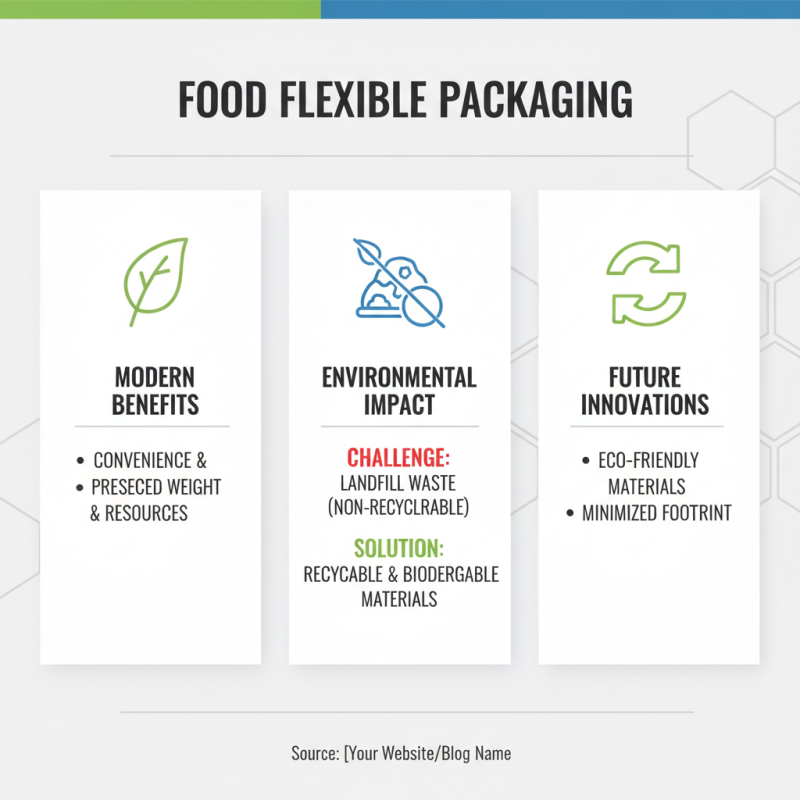
Food flexible packaging plays a crucial role in the modern food industry by offering convenience and preservation. However, its environmental impact is a critical consideration. Traditional packaging materials often contribute significantly to landfill waste, as they are not easily recyclable or biodegradable. In contrast, advancements in flexible packaging technology have introduced materials that are designed to minimize environmental footprints while maintaining food safety. These innovations can lead to reduced packaging weight and the use of recyclable components, helping to lessen the overall resource consumption.
Moreover, the lifecycle of food flexible packaging is increasingly being assessed for its sustainability credentials. Manufacturers are now focusing on creating materials that require less energy during production and can be efficiently processed post-consumer use. By adopting practices such as using renewable resources and improving recyclability, the food industry can significantly mitigate the environmental impact of packaging waste. As consumers become more environmentally conscious, the shift towards sustainable flexible packaging solutions not only meets regulatory requirements but also aligns with the growing demand for responsible consumption.
Innovations and Trends in Food Flexible Packaging
Food flexible packaging has evolved dramatically in recent years, driven by innovations that cater to both safety and convenience. Modern consumers demand packaging solutions that not only preserve the freshness and quality of food but also enhance the overall dining experience. Recent trends highlight advancements in biodegradable materials, resealable packaging, and smart technology integration, which all aim to reduce waste while maintaining food safety.
One notable innovation is the use of active packaging, which interacts with the content to prolong shelf life by absorbing oxygen or releasing antimicrobial agents. Additionally, flexible packaging designs incorporate user-friendly features such as easier open tabs and portion control, appealing particularly to on-the-go lifestyles.
**Tips:** When selecting food packaging, consider options that offer resealability to keep products fresh longer. Look for packaging that includes easy-to-read labels and storage instructions, enhancing usability and ensuring optimal safety. Another tip is to choose materials that match your environmental values, such as recyclable or compostable options, supporting sustainability in your packaging choices.
Regulatory Standards and Safety Guidelines for Food Packaging
Regulatory standards and safety guidelines for food packaging are crucial in ensuring the safety and quality of food products. These regulations are established by food safety authorities to minimize the risks associated with food contamination and protect consumer health. For instance, materials used in food flexible packaging must comply with regulations that dictate permissible substances that can come into contact with food. This includes migrating chemicals from packaging materials and ensuring that they do not leach into the food, potentially causing harm to consumers.
Moreover, manufacturers of food packaging are required to follow stringent testing protocols to validate that their products meet safety standards. This may involve assessments of physical properties, chemical interactions, and environmental impacts. Key guidelines emphasize the importance of traceability in the supply chain, which ensures that any food packaging material can be tracked back to its source. By adhering to these robust safety guidelines, companies can demonstrate their commitment to delivering safe and secure food products, ultimately fostering consumer trust and meeting market demands for quality and safety.
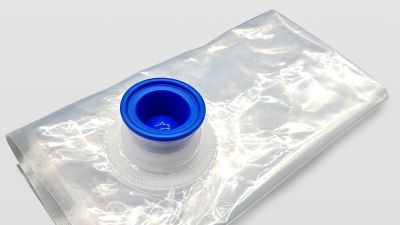
Innovative Food Storage Solutions: Huadi's Customized Aseptic Transparent Plastic Bags in Box with Cap
Innovative food storage solutions have become a vital aspect of the modern food and beverage industry, particularly with the advent of aseptic transparent plastic bags. These customized packaging options are specifically designed to maintain the freshness and nutritional integrity of a wide range of products, including juices, sauces, soups, and dairy alternatives. By employing an aseptic process, these bags ensure that the contents remain shelf-stable for extended periods, minimizing food waste while enhancing convenience for consumers. The clear presentation of the product not only showcases vibrant colors and appealing textures but also aids in consumer trust and product visibility.
In addition to their applications in the food and beverage sector, aseptic bags play a crucial role in the pharmaceutical industry. They are essential for the safe storage and transportation of liquid medications, vaccines, and intravenous solutions. The sterile environment inside these bags effectively prevents contamination, which is paramount in safeguarding the efficacy and safety of critical healthcare products. By adhering to strict hygiene standards, aseptic packaging solutions assure healthcare providers and patients alike of the reliability and integrity of essential medical supplies, reinforcing the importance of innovation in both food and pharmaceutical sectors.
FAQS
: Flexible packaging has transformed the food industry by replacing traditional packaging methods like glass and metal, with innovations in plastic films since the 1960s, offering lightweight, durable, and cost-effective solutions.
The flexible packaging market is projected to grow at a compound annual growth rate (CAGR) of 4.6% from 2020 to 2025, indicating a growing reliance on these materials for food safety and preservation.
Advancements include the introduction of multi-layered structures that enhance barrier properties, protecting food from moisture, oxygen, and light, which contributes to extended shelf life and reduced food waste.
Current trends include the development of biodegradable materials, resealable packaging, and the integration of smart technology to reduce waste while maintaining food safety.
Active packaging interacts with food contents to prolong shelf life by absorbing oxygen or releasing antimicrobial agents, thus enhancing food preservation.
Consumers should consider resealable options for longer freshness, easy-to-read labels and instructions for safety, and materials that are recyclable or compostable to support sustainability.
Sustainable packaging options, such as those made from renewable materials or recyclable properties, align with increasing consumer demand for environmentally friendly solutions and contribute to reducing plastic waste.
User-friendly features such as easier open tabs and portion control are designed to accommodate on-the-go lifestyles, enhancing convenience and usability for consumers.
Conclusion
Food Flexible Packaging is a modern solution designed to enhance the safety, preservation, and convenience of food products. With features such as lightweight materials and adaptable designs, this packaging method has evolved significantly over the years, incorporating advanced technologies that respond to the changing needs of consumers and food producers alike. The benefits it offers in terms of food safety are crucial, including improved barrier properties against moisture, oxygen, and light, thereby extending shelf life and reducing food waste.
Key materials used in Food Flexible Packaging, such as plastics, laminates, and films, play a vital role in achieving these safety benefits. However, the environmental impact of these materials is a growing concern, prompting innovations aimed at developing sustainable packaging solutions. Regulatory standards and safety guidelines govern the use of Food Flexible Packaging, ensuring that it meets health and safety requirements while protecting consumers. As the industry continues to evolve, trends towards eco-friendly options and smarter packaging solutions are shaping the future of Food Flexible Packaging.