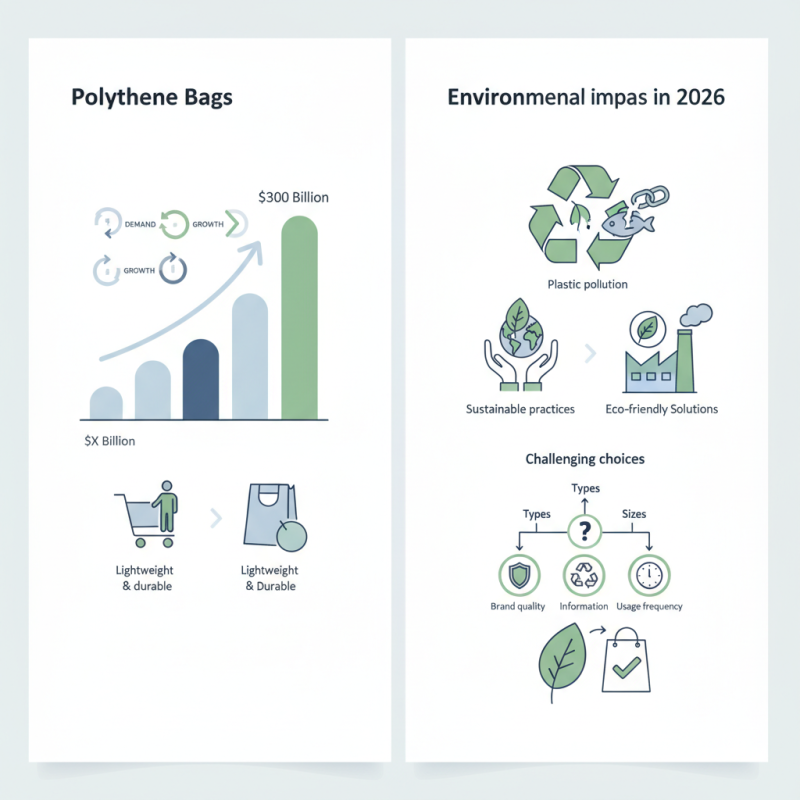
Back in 2026, it's pretty clear that the demand for Polythene Bags is just skyrocketing. I mean, if you look at recent reports from Global Market Insights, they’re saying the whole polythene packaging market could hit around $300 billion by 2025 — that's huge! People are leaning toward lighter, tougher bags for all their shopping needs, and polythene bags really tick those boxes with their versatility and affordability.
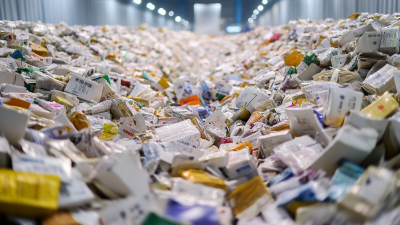
But, here’s the tricky part — the environmental side. Yeah, they’re super convenient, but the plastic pollution problem is no joke. Industry big names like Amcor are actually saying we gotta start thinking about using more sustainable practices when making and handling these bags. Still, it seems like a lot of companies are kinda struggling to find greener alternatives, which honestly feels like a missed opportunity. It’s kind of an eye-opener about rethinking how we use polythene bags in our daily routines.
Figuring out which type of polythene bag to go for isn’t always straightforward. There are so many options out there — different sizes, thicknesses, and types — each with its own pros and cons. It’s really important to consider all these factors before making a choice. Checking out the quality brands, recycling info, and how often you'll use the bags can make a big difference in choosing something responsible and smart.
Types of Polythene Bags Available in 2026
In 2026, the world of polythene bags is evolving. There are various types available to cater to different needs. Standard polythene bags are still popular for their durability. They come in various sizes and thicknesses, making them versatile for everyday use.
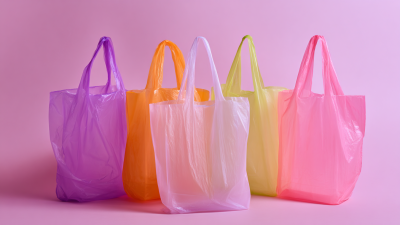
More specialized options are also emerging. Biodegradable polythene bags are gaining traction. These bags break down over time, reducing environmental impact. Additionally, colored and printed bags attract attention for branding purposes. They can enhance product presentation, which is crucial in retail.
Despite all these advancements, challenges arise. Not all biodegradable options are created equal. Some still require specific conditions to break down effectively. Consumers need to research and choose wisely. Awareness about these factors is essential for making informed decisions.
Key Features to Consider When Choosing Polythene Bags
When selecting polythene bags, several key features should guide your decision. Consider thickness as an essential factor. The right thickness will determine the bag's durability. Most common options range from 50 to 100 microns. Thicker bags provide better strength. However, they may be less flexible.
Another feature is transparency. clear polythene bags allow easy visibility of their contents. This is useful for storage and display purposes. If your needs include packaging or organizing, clarity is vital. Think about customization options, too. Printed or labeled bags can enhance branding.
Tips: Always check the bags for leakage or punctures. Poor quality can lead to unexpected spills, which is frustrating. Evaluate your intended use. For heavy items, a robust bag is essential. For lighter products, a standard bag will suffice. Reflect on your choices; sometimes, it’s easy to overlook the small details that matter most.
Environmental Impact of Polythene Bags and Alternatives
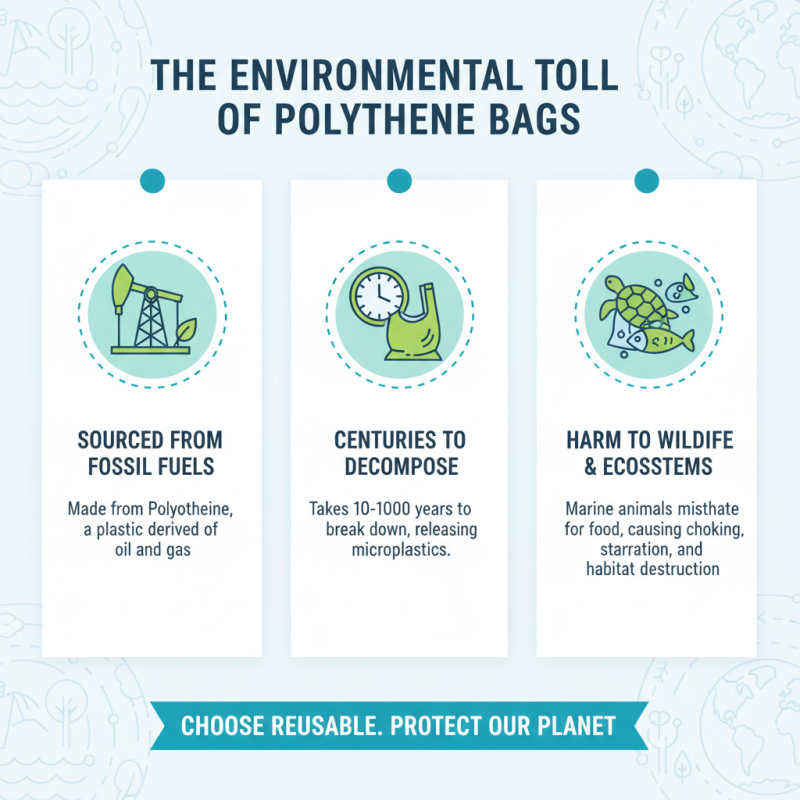
Polythene bags have been a common choice for packaging and shopping, but their environmental impact cannot be ignored. These bags are made from polyethylene, a plastic derived from fossil fuels. When disposed of, they can take hundreds of years to decompose. During that time, they can cause significant harm to wildlife and ecosystems. Marine animals often mistake these bags for food, leading to choking and starvation.
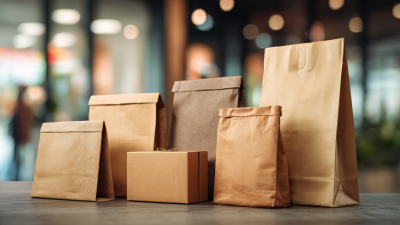
Alternatives to polythene bags are becoming more popular. Reusable cloth bags, biodegradable options, and even paper bags present greener choices. However, these alternatives also come with their own set of challenges. For instance, the production of paper bags consumes more water and energy than polythene bags. People need to weigh these factors carefully.
It's essential to recognize that simply switching materials doesn't solve our waste issue. Consumer habits play a huge role. Many still opt for single-use items, disregarding longer-lasting options. Awareness and education can change this trend. Real progress will require a collective shift toward sustainable practices and conscious consumption.
Top Brands Offering Quality Polythene Bags in 2026
Choosing the right polythene bags can impact your everyday activities. Many brands now offer high-quality options in 2026. Look for bags with adequate strength and durability. You want them to withstand heavy items without tearing easily. Consider choices that are also eco-friendly if possible.
Tips: Check the thickness of the material. Thicker bags often hold more weight. Be mindful of size as well. A bag that's too small can be frustrating. Many brands provide a choice of sizes to fit various needs. Don't overlook the handle design. Comfortable handles make carrying easier.
When it comes to aesthetics, some bags come in different colors and prints. While functionality is essential, appearance matters too. A stylish bag can elevate your shopping experience. However, a beautiful bag may not always be practical. Always evaluate the quality before choosing. Remember, appearances can be deceiving.
Best Use Cases for Different Types of Polythene Bags
When choosing polythene bags, understanding their use cases is crucial. Different types serve distinct purposes. For instance, heavy-duty bags are perfect for construction sites and industrial applications. They can hold weights of up to 30 kilograms. However, they are not ideal for retail use due to their bulkiness.
In contrast, lightweight polythene bags are widely used in grocery stores. They are convenient and cost-effective for everyday shopping, but they often lack durability. Reports suggest that over 60% of consumers prefer these bags for their ease of use. This leads to a tipping point in waste generation. Many individuals fail to consider sustainable disposal methods after use.
Tips: Choose your bags wisely. Always consider the environmental impact. Reusable bags are an alternative. Moreover, remember that even small changes help reduce waste. When using polythene bags, try to group items in
"Bags On Bags" to minimize your consumption. It's essential to reflect on your choices, balancing convenience with environmental responsibility.
Comparative Analysis of Polythene Bag Prices and Quality
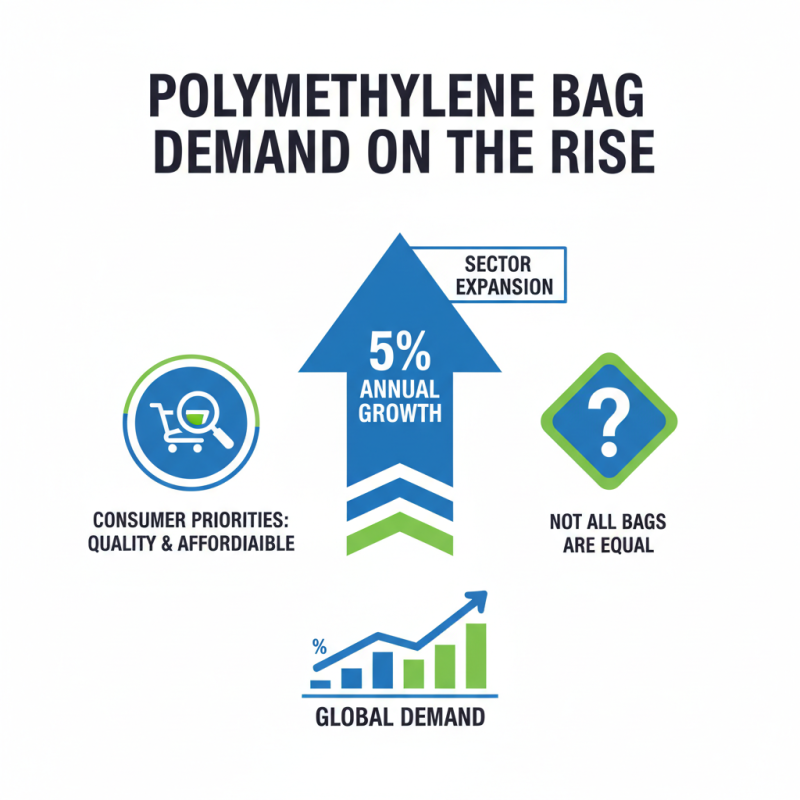
The demand for polythene bags is increasing. This is evident in data showing a 5% annual growth in the sector. Consumers want quality and affordability. However, not all polythene bags are created equal.
Prices vary significantly in the market. Some budget options may lack durability. A recent report indicated that 30% of lower-priced bags tear easily. In contrast, premium bags often feature better seals. These can withstand greater weight without damage. The price difference, however, raises concerns for many buyers.
Quality assessment remains crucial. Some bags perform well in tests, while others fail miserably. The recycling rates also affect perceptions of value. A study found that 40% of consumers consider eco-friendliness when selecting polythene bags. The inconsistency among options presents a challenge. Shoppers may find themselves overwhelmed by choices. Yet understanding the balance between price and quality is vital for making informed purchases. Bags And Bags are everywhere, and knowing what to choose is essential.
Consumer Reviews and Preferences for Polythene Bags
Polythene bags have surged in popularity as consumers seek versatility and durability. According to a recent industry report, about 70% of consumers prefer polythene bags for everyday use. Their lightweight nature appeals to many, especially when carrying groceries or other essentials. However, not all polythene products are created equal. Some bags may lack the strength needed for heavy items.
Consumer preferences are shifting. A study reveals that eco-friendly options are gaining traction, with 40% of users favoring biodegradable polythene versions. Despite this trend, there’s a gap in awareness about the environmental impact. Many buyers are still uninformed about recycling processes and proper disposal methods. It appears that while convenience drives choices, sustainability concerns are beginning to shape them as well.
Feedback from various surveys indicates that consumers value functionality in their Home Bags. They look for bags that can withstand repeated use and are easy to store. Yet, some users report dissatisfaction with certain bags tearing unexpectedly. This inconsistency highlights the need for consumers to scrutinize bag quality before purchasing. The market remains dynamic, with preferences evolving as buyers become more aware of their choices.
Exploring the Benefits of Huadi Customized Aseptic Bags: A Comprehensive Guide to Food Safety and Packaging Solutions
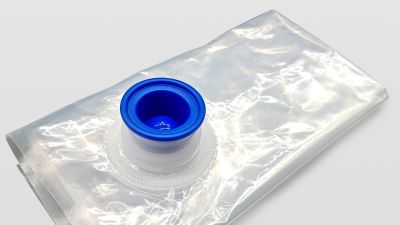
Aseptic bags have become increasingly vital in the food and beverage sector, serving a range of products from juices to dairy alternatives. According to industry reports, the global aseptic packaging market is projected to reach USD 64.31 billion by 2025, with a significant portion of this growth attributed to the rising demand for food safety and the extended shelf-life these bags provide. The aseptic process eliminates the need for preservatives, enabling manufacturers to deliver fresher products while preserving the flavor, color, and nutritional value. This not only enhances consumer convenience but also contributes to reducing food waste, a crucial consideration in today's sustainability-focused market.
In the pharmaceutical industry, the adoption of aseptic bags plays a critical role in ensuring the safe storage and transportation of liquid medications, including vaccines and intravenous solutions. A sterile environment prevents contamination, which is essential for maintaining the safety and efficacy of these products. Reports indicate that sterile packaging solutions are projected to experience a growth rate of over 7% annually, driven by increasing regulatory standards and the need for heightened hygiene in healthcare settings. As healthcare continues to evolve, the importance of maintaining strict safety standards will only intensify, further solidifying the role of aseptic bag technology in ensuring public health.
FAQS
: The product aims to enhance your daily life. It offers convenience and improved functionality for users.
Follow the instructions provided in the guide. Make sure to familiarize yourself with all the features before use.
Yes, cleaning is simple. Use a damp cloth and mild soap for maintenance.
You should refer to the troubleshooting section. If problems persist, consider reaching out for support.
While it's designed for longevity, rugged use may lead to wear. Regular checks can help maintain its condition.
A warranty is available. Review the terms for specifics on coverage and duration.
Returns are allowed within the specified period, provided it’s in original condition.
Yes, the product may not be suitable for all ages. Check the guidelines for recommended age groups.
While generally safe, supervision is necessary. Certain features may pose risks to pets.
Sign up for notifications. Regular updates will include tips and new features for better usage.
Conclusion
In 2026, Polythene Bags continue to be a popular choice for various applications due to their versatility and practicality. This article explores the different types of polythene bags available, highlighting key features such as thickness, strength, and sealability that consumers should consider when making a choice. It also addresses the environmental impact of polythene bags, suggesting alternatives for eco-conscious shoppers.
Additionally, the article provides insights into the best use cases for various types of polythene bags, ensuring that consumers can select the right product for their specific needs. A comparative analysis of prices and quality offers further guidance, along with consumer reviews that reflect preferences and satisfaction levels. Overall, understanding these aspects assists consumers in making informed decisions regarding polythene bags for their everyday use.