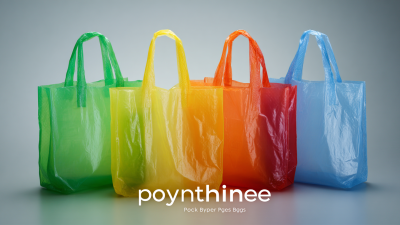
You know, with all the buzz about environmental sustainability these days, it’s no wonder that industries are scrambling to find alternatives to traditional packaging materials. I mean, just look at those polythene bags—they’re a real culprit when it comes to plastic pollution! A report from Allied Market Research shows that the global market for biodegradable plastics is set to hit a whopping $22.9 billion by 2024, which really highlights how much we're shifting towards eco-friendly options. Companies like Dongguan Huadi Packaging Products Co., Ltd. are stepping up to the plate, innovating like crazy to meet this demand. Their focus on sustainable packaging has never felt more important. Established way back in 2003, Huadi really knows their stuff when it comes to high-quality packaging products that cater to a variety of sectors, proving just how crucial it is to embrace sustainable practices. So, in this ultimate guide, we’re going to dive into some cool eco-friendly alternatives to polythene bags and explore their benefits and practical uses for a greener tomorrow.
Identifying Criteria for Selecting Quality Eco-Friendly Bag Suppliers
When you're on the hunt for eco-friendly alternatives to those classic plastic bags, it’s super important to know how to pick out quality suppliers. First off, check what materials they're using—ideally, you want to see stuff that meets environmental standards. Look for bags made from biodegradable, compostable, or recyclable materials that won’t just stick around forever and pollute the planet. It’s also a good idea to make sure the supplier has the right certifications and follows sustainable practices. That’s a big deal in this whole process.
Another thing to keep in mind is how transparent the supplier is about their manufacturing process. A solid eco-friendly bag supplier should be more than happy to share details about how they make their products, how they handle waste, and how much energy they consume. And don’t forget to check if they can whip up custom solutions that fit your packaging needs while keeping it green. Suppliers who focus on innovation can lead you to discover some cool new materials and designs that really push the limits of sustainable packaging. By prioritizing these criteria, you’ll be on your way to forming partnerships that not only help the environment but also lower your business’s eco footprint. It’s a win-win!
Understanding Certifications and Standards for Sustainable Packaging Materials
When we talk about finding sustainable packaging solutions, it's super important to get a grip on certifications and standards. There are quite a few organizations out there, like the Forest Stewardship Council (FSC) and the Global Recycling Standard (GRS), that hand out certifications to help folks like us spot products that are actually eco-friendly. Just to throw some stats at you, a report from the Ellen MacArthur Foundation points out that the plastics industry could cut down its annual greenhouse gas emissions by a whopping 1.5 gigatons if they stick to circular economy principles and use certified sustainable materials. Pretty wild, right?
Plus, let’s not forget the American Society for Testing and Materials (ASTM), which sets the standards for compostable and biodegradable stuff. This is really key for making sure that those eco-friendly options actually live up to the hype. For example, if a product meets the ASTM D6400 standard, it means it can completely break down in a composting setup—something that's really important if we want to tackle landfill waste. Oh, and did you know that according to the Biodegradable Products Institute, the market for biodegradable packaging is expected to grow by over 14% every year? That just goes to show that more and more people are looking for clear info on eco-friendly products and why it’s crucial to stick to recognized standards and certifications.
Analyzing the Environmental Impact of Alternative Packaging Options
You know, the move towards sustainable packaging in the cosmetics world is really gaining traction. I mean, over 70% of brands are now jumping on the bandwagon to go eco-friendly, all because consumers are demanding it. It’s incredible how focusing on environmental impacts is becoming a top priority. When brands look for ways to cut down their environmental footprint, ditching those traditional polythene bags for something better is a big step in the right direction.
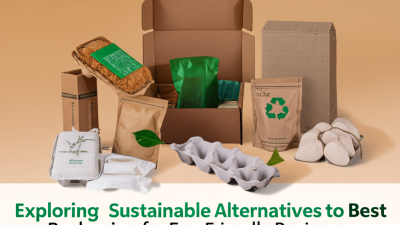
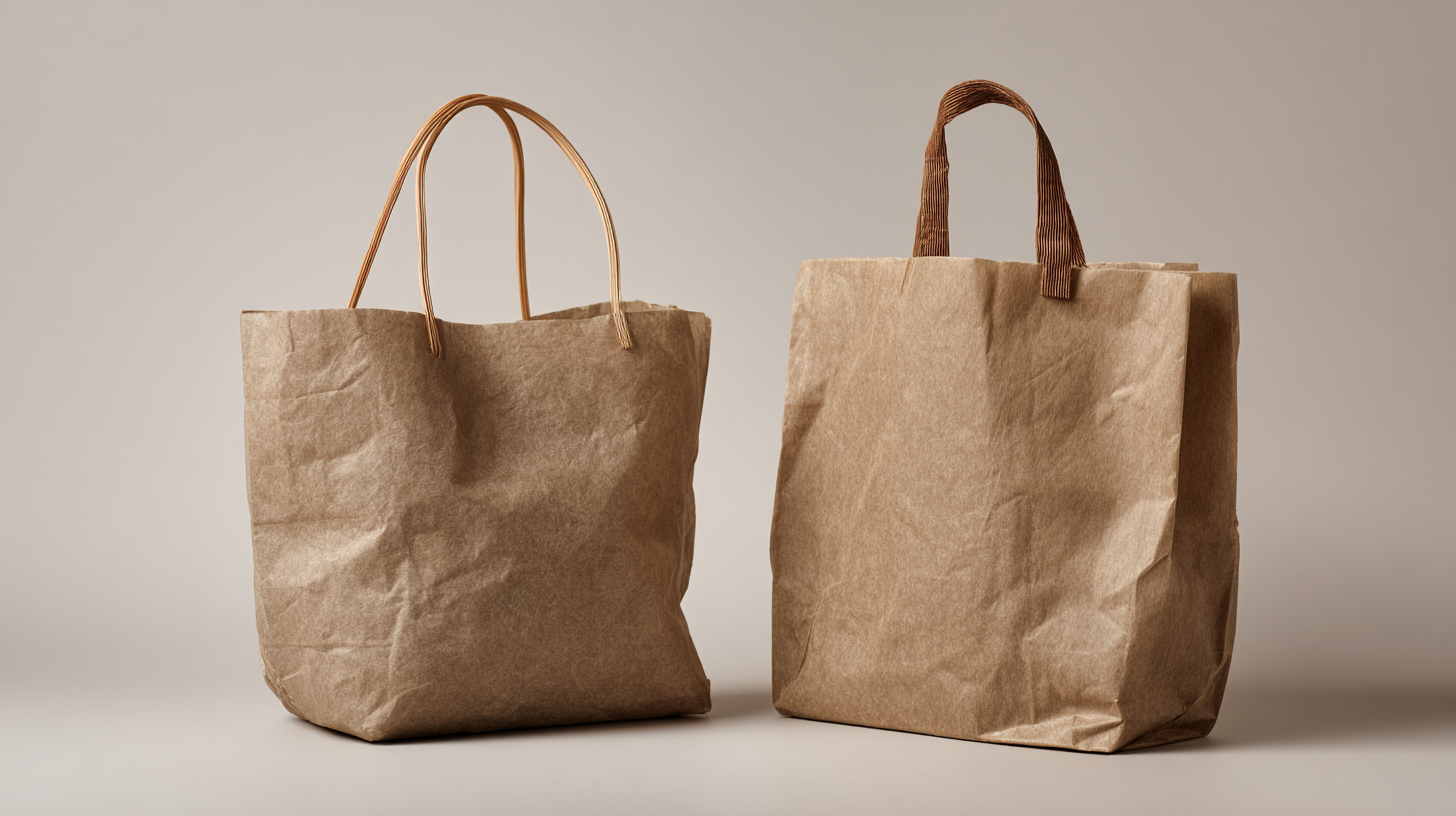
To keep up with what consumers want these days, companies should definitely check out some eco-friendly materials. There are awesome biodegradable options that come from plant-based stuff, or they might go with recycled paper or even some cool new materials like mushroom mycelium. Not only do these options help the planet, but they also boost a brand's image, especially with customers who care about sustainability.
**Pro tip:** When you’re choosing sustainable packaging, go for materials that are either recyclable or compostable to keep waste to a minimum. Also, think about the full lifecycle of your packaging to really get a sense of its environmental footprint. It’s super important to chat with customers and teach them why sustainable practices matter—it really helps in building a loyal following that cares about eco-friendliness. By taking these steps, brands can seriously contribute to a greener future while also keeping up with what the market wants.
Exploring Eco-Friendly Alternatives to Best Polythene Bags for Sustainable Packaging Solutions
| Alternative Packaging Option |
Materials Used |
Biodegradable |
Recyclable |
Average Cost per Unit |
Environmental Impact Rating (1-5) |
| Jute Bags |
Jute Fiber |
Yes |
Yes |
$0.80 |
4 |
| Biodegradable Corn Starch Bags |
Corn Starch |
Yes |
No |
$0.60 |
5 |
| Recycled Paper Bags |
Recycled Paper |
Yes |
Yes |
$0.50 |
4 |
| Cotton Bags |
Cotton |
Yes |
Yes |
$1.20 |
5 |
| Bioplastic Bags (PLA) |
Polylactic Acid |
Yes |
No |
$0.75 |
3 |
Examining Cost-Effectiveness of Eco-Friendly Packaging Solutions
These days, when we talk about sustainable packaging solutions, you can't ignore how important cost-effective eco-friendly materials are. More and more research shows that shoppers are willing to shell out a bit more for organic products, which seems to point to a growing interest in sustainable packaging too. This really reflects a shift in how people are thinking. Nowadays, many consumers are taking the environmental impact of packaging into account when they make their buying decisions. Take bioplastics, for example—these are made from renewable resources and they’re looking like a fantastic alternative to traditional plastic bags, helping to cut down the carbon footprint tied to food packaging.
A Few Tips for Picking Eco-Friendly Packaging:
-
Consider the Whole Life Cycle: When you’re choosing packaging, try to think about its entire life—from how it’s made to how it’ll be disposed of. Go for materials that can break down naturally or be recycled so we can lessen our environmental impact.
-
Think About Costs vs. Sustainability: Sure, the upfront costs might be a bit higher, but investing in sustainable packaging could save you money in the long run. It’s all about reducing waste and building loyalty among eco-conscious shoppers!
-
Keep an Eye on New Trends: The world of sustainable packaging is always changing. Make sure to stay updated on cool innovations like fruit waste-mediated nanoparticles and other exciting advancements that deliver effective and eco-friendly packaging solutions.
By using these strategies, businesses can really make a positive impact on the circular economy while also catering to what consumers want—environmentally friendly options.
Exploring Innovations in Biodegradable and Compostable Bag Technologies
You know, with people becoming more aware of the environment, the need for sustainable packaging has really kicked off. It’s pretty exciting to see innovations in biodegradable and compostable bags stepping up as great alternatives to those old-school polythene bags we all used to rely on. In fact, they say the global market for biodegradable plastics could hit around 6.9 billion bucks by 2026! That’s a solid growth rate of about 15.4% every year since 2021. This whole shift is happening because folks are demanding better choices and there’s also a lot of pressure from regulations on single-use plastics. Companies are now on the lookout for eco-friendly packaging options that not only cut down on waste but still do the job just as well as regular materials do.
At Dongguan Huadi Packaging Products Co., Ltd., which we started back in 2003, we’re really passionate about providing top-notch packaging solutions for all kinds of industries. We totally get that our customers want to make the switch to sustainable practices without losing quality. That’s why we’re focusing on cool new materials like plant-based biopolymers and recycled paper. They’re transforming the packaging game, giving businesses smart choices that are both good for the planet and super effective. As we keep diving into these innovations, we’re all about making sure our manufacturing processes align with sustainability goals, so we can help our clients tackle those eco-friendly packaging needs. It’s an exciting journey for all of us!
Exploring Eco-Friendly Alternatives to Polythene Bags
Market Trends: Consumer Demand for Sustainable Packaging Solutions
You know, more and more people are waking up to environmental issues these days, and it's really changing the way we shop. Like, have you seen that report from Grand View Research? They’re predicting that the market for sustainable packaging is gonna skyrocket to around USD 600 billion by 2027. Crazy, right? That’s an impressive growth rate of over 7% from 2020 through to 2027! It really shows how much folks are starting to care about eco-friendly stuff, which is pushing brands to rethink their packaging game.
And get this: a study by Nielsen found that a whopping 73% of consumers around the globe are ready to switch up their buying habits to be kinder to the planet. It’s especially true for younger folks like Millennials and Gen Z. They aren’t just looking for brands that do good; they’re actually willing to shell out extra cash for products with sustainable packaging!
Because of this growing demand, companies are trying out all sorts of alternatives to the usual plastic bags. Think biodegradable stuff, reusable containers, and recycled paper products. It’s a win-win situation, really. Not only is this great for the environment, but it also helps brands build loyalty with those eco-conscious consumers.
Top Reasons Why Huadi Customized Aseptic Bags are Essential for Safe Food Packaging
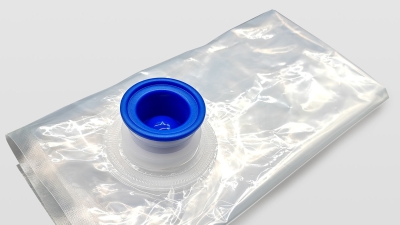
Aseptic bags have revolutionized food packaging, particularly in the food and beverage sector, by offering a high level of protection for products like juices, sauces, soups, and dairy alternatives. According to a report by Grand View Research, the global aseptic packaging market is expected to reach USD 75.4 billion by 2025, driven by the growing demand for long shelf-life products and the rise in ready-to-eat meals. The aseptic process involved in these bags not only prevents spoilage but also maintains critical attributes such as flavor, color, and nutritional value. This capability is essential for consumers who prioritize quality and convenience while also helping to significantly reduce food waste.
In the pharmaceutical industry, aseptic bag packaging plays a vital role in the safe storage and transportation of liquid medications, vaccines, and intravenous solutions. With the increasing demand for sterile packaging solutions, the need for high-quality aseptic bags is paramount. According to a study by MarketsandMarkets, the global sterile packaging market is projected to grow from USD 40.4 billion in 2019 to USD 61.9 billion by 2024. Aseptic bags ensure a sterile environment that effectively minimizes contamination risks, thus safeguarding the efficacy and safety of critical healthcare products. Maintaining stringent hygiene standards is non-negotiable, especially in healthcare settings, making the use of aseptic bags indispensable in today's medical landscape.
FAQS
: Eco-friendly bag suppliers should use biodegradable, compostable, or recyclable materials that conform to environmental standards to avoid contributing to long-lasting pollution.
Verifying a supplier’s certifications is crucial because it ensures their adherence to sustainability practices and confirms that they meet relevant environmental standards.
By choosing sustainable packaging, consumers can reduce their environmental impact, support eco-friendly brands, and contribute to a growing market trend that encourages more companies to adopt sustainable practices.
The global sustainable packaging market is expected to reach USD 600 billion by 2027, growing at a CAGR of over 7% from 2020 to 2027.
Millennials and Generation Z are leading the demand for sustainable packaging, as they prefer brands with sustainable practices and are willing to pay a premium for eco-friendly products.
Companies are exploring biodegradable materials, reusable containers, and recycled paper products as alternatives to traditional polythene bags to meet the growing demand for sustainability.
Supplier transparency regarding their manufacturing processes, waste management practices, and energy consumption is vital for building trust and ensuring they adhere to sustainable practices.
Engaging with suppliers that prioritize innovation can lead to the discovery of new materials and designs that enhance sustainable packaging options and help differentiate a brand in the marketplace.
Forming partnerships with eco-friendly suppliers can reduce a business’s ecological footprint, improve sustainability efforts, and enhance brand loyalty among environmentally conscious consumers.
Growing consumer awareness around environmental issues is prompting brands to reevaluate their packaging strategies to prioritize eco-friendly solutions, aligning with consumer preferences for sustainable options.