request to quote
Leave Your Message
0%

You know, in the constantly changing world of global packaging, polythene bags have become pretty much a must-have in all sorts of industries. It's all about their versatility and durability. Recent industry reports are buzzing with the news that the global market for polythene bags is projected to hit an impressive USD 60 billion by 2026. Can you believe that? This growth is mainly fueled by the rising demand from sectors like retail and food packaging. At the forefront of this thriving scene is Dongguan Huadi Packaging Products Co., Ltd., which has been around since 2003. They really specialize in creating top-notch packaging solutions that cater to a wide array of industry needs. With a strong commitment to excellence and a stellar reputation for being trustworthy, Huadi has really honed their craft to produce polythene bags that not only tick all the regulatory boxes but also go above and beyond what customers are looking for. So, as we dive into the ultimate checklist for finding the best polythene bags out there, it’s super important to get a grip on the key factors that determine their quality and how well they hold up in today’s competitive marketplace.
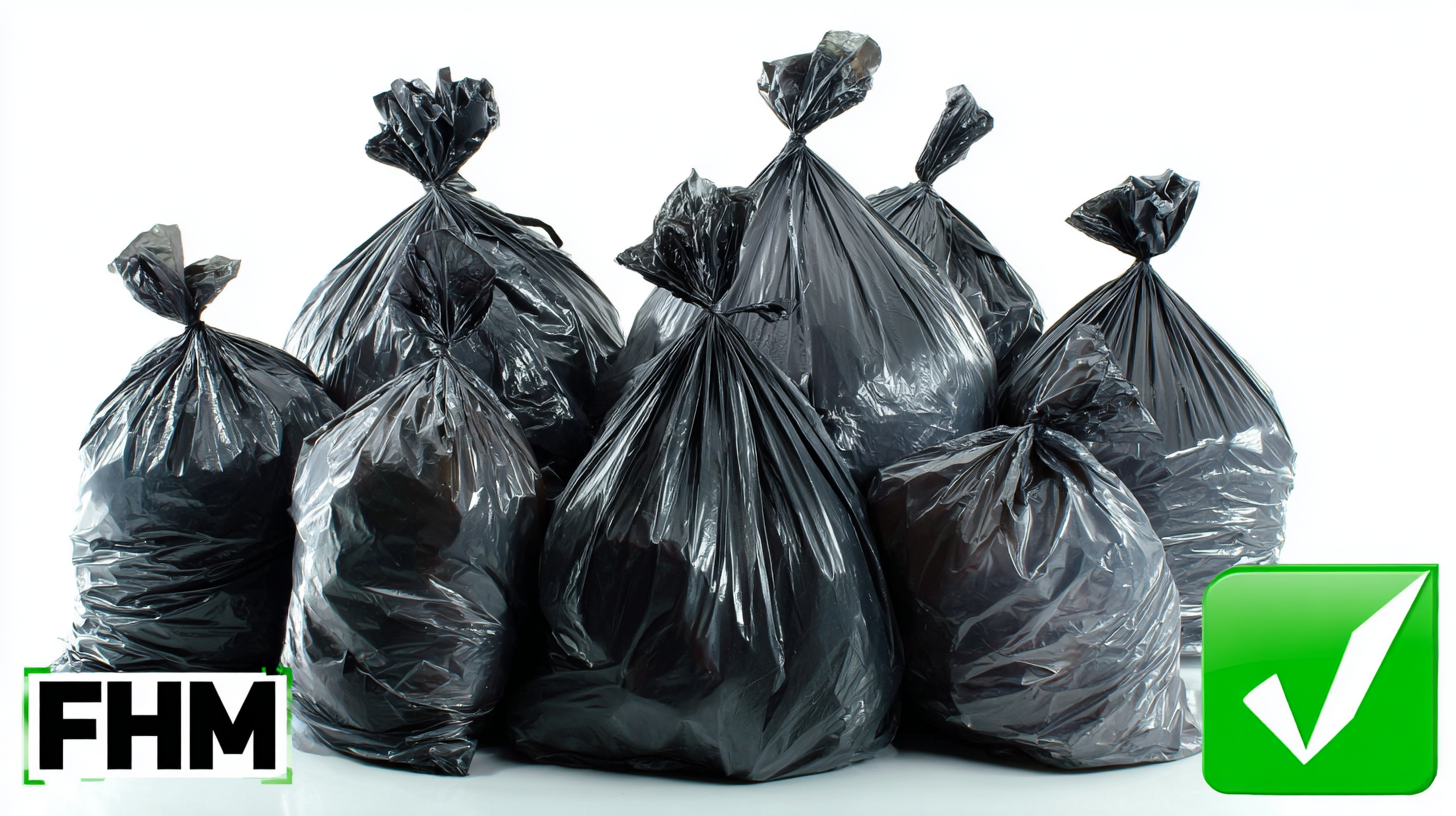
Ultimate Checklist for Sourcing the Best Polythene Bags in Global Markets

Key Factors to Consider When Comparing Different Types of Polythene Bags in Global Markets

So, if you’re diving into the global market to snag some polythene bags, there are a few important things you really should keep in mind. First off, let’s talk about the type of polythene itself. You’ll often come across low-density polyethylene (LDPE) and high-density polyethylene (HDPE) – these are the heavy hitters in the game. A recent analysis from Smithers Pira even suggests that the worldwide demand for LDPE is gonna grow by about 4% each year until 2025. Why? Well, it’s all about its uses in retail settings, packaging, and food services, which are super popular right now.

Next up, let’s not forget about the bag’s thickness and how tough it is. This part is crucial! Industry standards usually say that bags need to be at least 50 microns thick to pack enough strength for heavier stuff. And here’s a fun fact: a report from MarketsandMarkets points out that there’s a growing trend towards sustainability, pushing the demand for biodegradable bags. They’re expected to snag 25% of the market share by 2026, which is pretty significant. This shift really highlights why it’s essential to think about the environmental impact, along with the basic specs, when picking the right polythene bags for your needs.

By keeping all these factors in check, businesses can navigate the tricky waters of sourcing polythene bags and stay in tune with the latest market trends. It’s all about making smart choices that work for you and the planet!
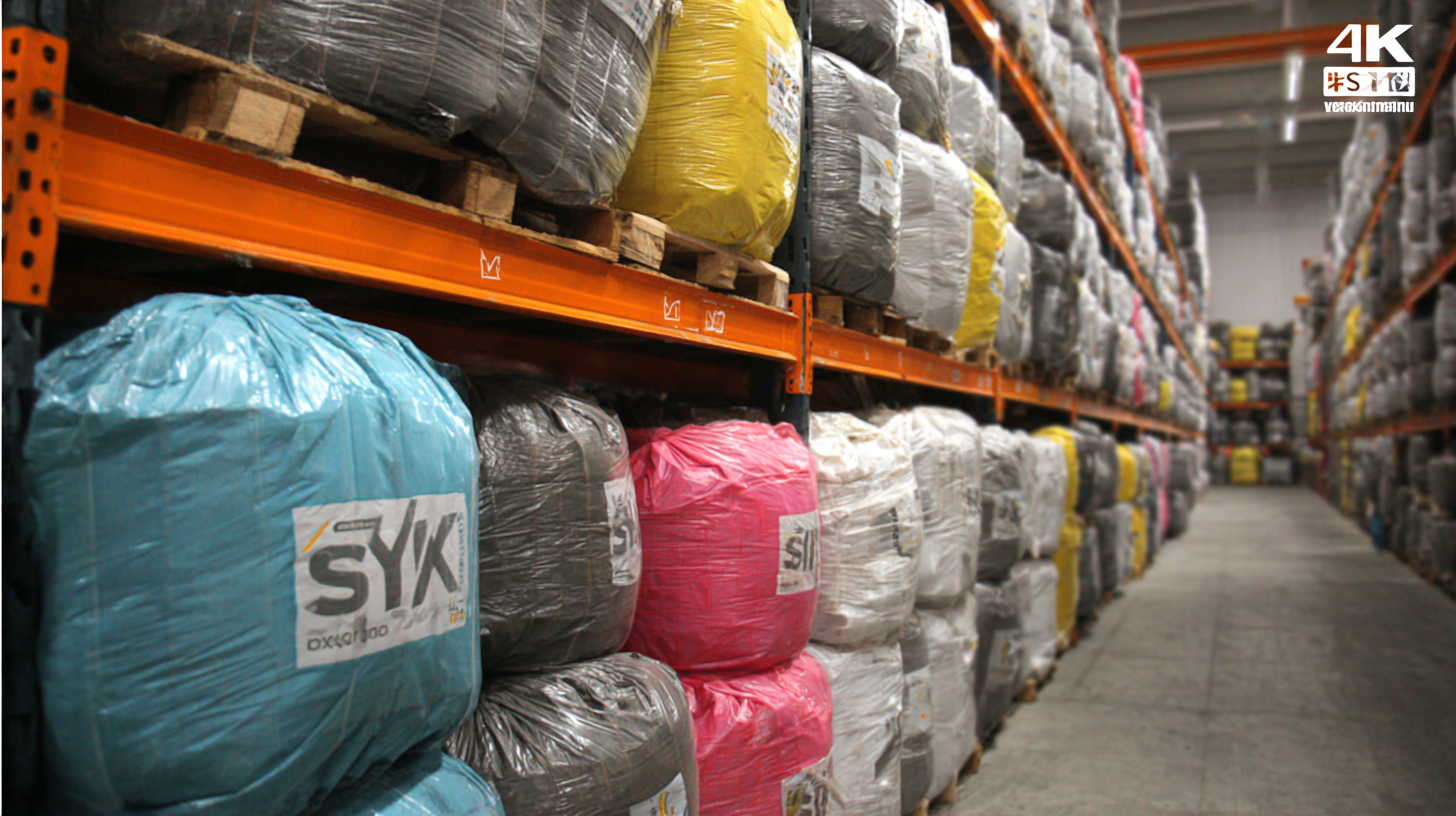
Ultimate Checklist for Sourcing the Best Polythene Bags in Global Markets

Analyzing Environmental Impact: Biodegradable vs. Traditional Polythene Bags

You know, the whole debate over biodegradable versus traditional plastic bags has really picked up steam lately. Everyone from consumers to manufacturers is on the hunt for eco-friendly ways to tackle environmental issues. Sure, traditional plastic bags are handy and easy on the wallet, but let’s be real—they're a nightmare for our ecosystems. I mean, they can sit around for hundreds of years without breaking down, causing pollution and putting wildlife at serious risk. Just think about it: as these bags pile up, we end up with clogged waterways and those pesky microplastics floating around.

On the flip side, biodegradable bags seem like a much better option. They're usually made from plant-based stuff or materials that can break down in composting situations or thanks to microbes doing their thing. When we choose these biodegradable options wisely, we can really cut down on what we send to landfills and reduce the damage to our planet. But here’s the kicker: how effective these bags actually are really depends on how we dispose of them and the environment they’re in. So, moving forward, it’s super important that we educate everyone on how to use and throw these bags away properly. And let’s keep pushing for better biodegradable technologies to make sure they deliver on their green promises!

Cost-Effectiveness of Polythene Bag Options: Pricing Trends and Market Analysis

So, when you’re looking to source polythene bags from the global market, you really need to keep an eye on what’s cost-effective, right? The prices for these bags can swing quite a bit because of things like raw material costs, how they're made, and even environmental rules that keep changing. Take eco-friendly options, for example—sure, they might make you shell out a bit more at first, but in the long run, they can save you money due to less environmental impact and lower compliance costs. It’s kind of a win-win if you think about it.

And here’s something interesting: areas that have a strong manufacturing base usually offer better prices. Countries that are already in the polythene game can really take advantage of economies of scale, which means better deals for those looking to buy in bulk. Buyers like you should look beyond just the price tag up front; think about the overall value you’re getting, including how durable the bags are, if they can be customized, and how quickly they’ll be delivered. By doing a bit of homework and checking out different suppliers, you can score great prices and also make sure your sourcing fits in with sustainability goals and what your customers are looking for.

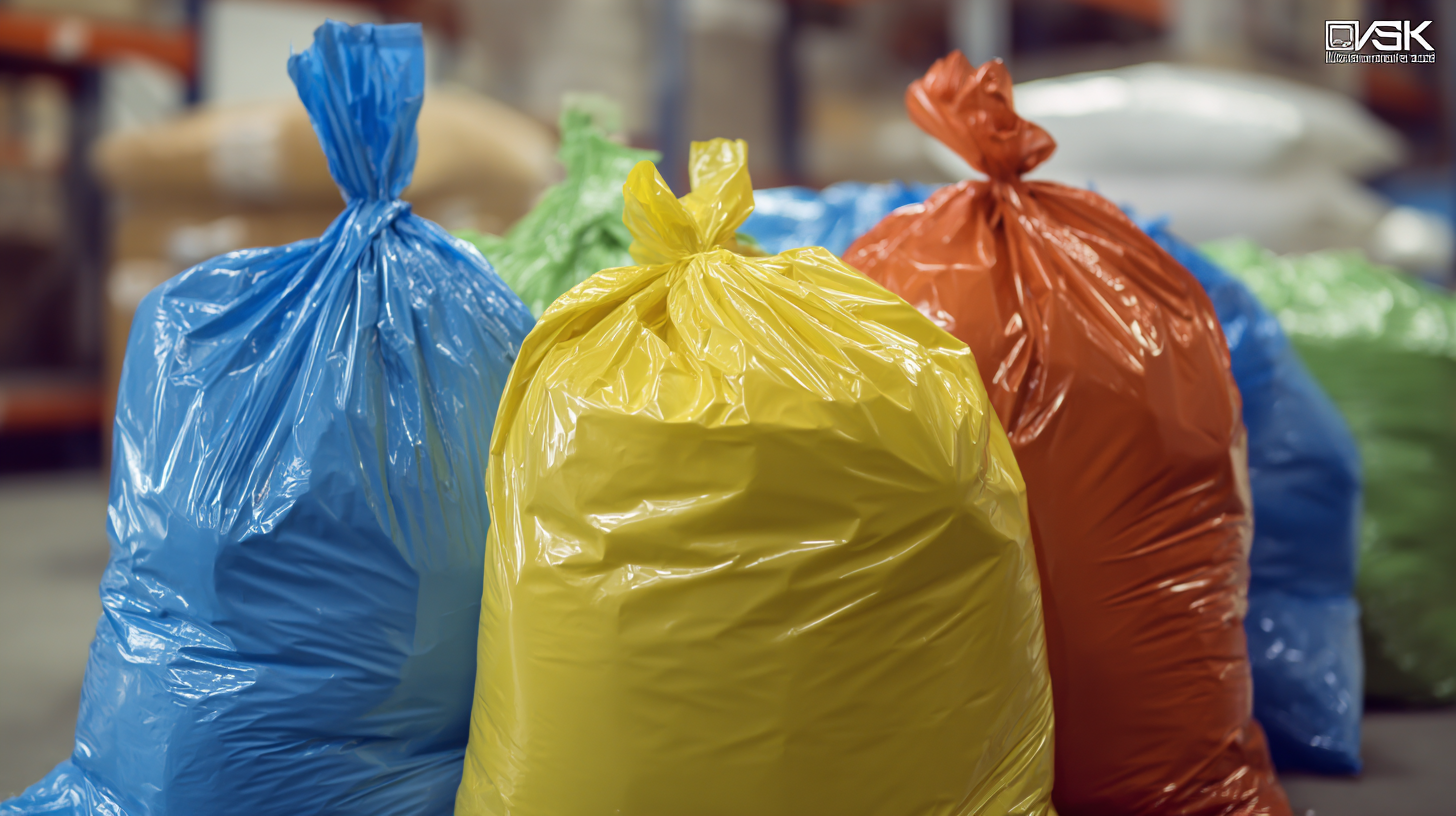
Ultimate Checklist for Sourcing the Best Polythene Bags in Global Markets

Durability and Performance: Selecting the Right Polythene Bag for Various Use Cases

So, when you're on the hunt for the right polythene bag for a particular purpose, you really want to think about durability and how well it performs. I came across a report from Smithers Pira that says the global demand for these bags is set to grow by about 4.2% each year, hitting a whopping 34.8 million tons by 2025! Crazy, right? A lot of this uptick is because different industries—like retail, agriculture, and waste management—are constantly changing, and they all need bags that can handle a variety of conditions and stresses.

Take retail, for instance. You've got to have bags that can handle a good amount of weight without ripping apart. According to the American Chemistry Council, high-density polyethylene (HDPE) bags are a popular choice because they're tough and pretty resistant to punctures. You’ll often see them in grocery stores and those big-box retailers. On the flip side, in the agricultural world, low-density polyethylene (LDPE) bags are the go-to. They’re super flexible and perfect for keeping fruits and veggies safe during transport.

So, when you’re out there looking for polythene bags, just keep in mind the different properties of the materials. It's really important to make sure you get something that ticks all the boxes for durability and works well in the environment it’s going to be used in.

Ultimate Checklist for Sourcing the Best Polythene Bags in Global Markets

Use Case Thickness (Microns) Durability Rating Recommended Closure Type Best for Environmental Impact
Retail Shopping 50 High Die Cut Handles Biodegradable Options
Packaging for Food 30 Medium Zip Lock Recyclable Options
Industrial Use 90 Very High Heat Seal Minimal Impact
Retail Display 45 Medium Open Top 100% Recyclable
Garbage Bags 70 Very High Tie Closure Compostable Options

Market Leaders: A Comparative Analysis of Top Polythene Bag Manufacturers Worldwide

You know, the global polythene bag market is really taking off lately! It’s become a big player in the flexible plastic packaging scene. Just to give you an idea, the overall plastic packaging market is expected to jump from about $454.89 billion in 2024 to a whopping $733.60 billion by 2032. So, it’s crucial for companies in the polythene sector to keep up their competitiveness and come up with new ideas to grab a slice of that pie. As people are looking more and more for sustainable options, manufacturers are putting a lot of emphasis on eco-friendly production techniques while still following the required industry standards.


Recent market research has shown that the industrial plastic bags market is on track to grow from $9 billion in 2024, which translates to a steady 4.6% growth rate each year through 2034. This really highlights the increasing need for reliable and budget-friendly packaging solutions that can be used in a bunch of different applications. On another note, have you heard about the kraft paper bag market? It’s valued at around $4.50 billion in 2024 and is also set to grow at a 4.6% rate from 2025 to 2030. All these changes point to a pretty fierce competitive environment, pushing polythene bag manufacturers to really focus on innovation, sustainability, and efficiency if they want to succeed.

Emerging Trends in Polythene Bag Innovations and Their Market Implications

You know, it's pretty exciting how the demand for sustainable packaging is really heating up these days. The polythene bag industry is riding a wave of innovation, thanks to some fresh trends coming into play. A recent report from Research and Markets predicts that the global market for polythene bags is expected to hit a whopping $12.54 billion by 2025, growing at a steady 4.5% each year. What's driving this growth, you ask? Well, folks are becoming more aware of eco-friendly packaging options, and there are stricter regulations popping up everywhere against those pesky single-use plastics.

We're seeing some really cool innovations in bioplastics and biodegradable materials leading this charge. Companies are pouring a ton of money into research and development to create polythene bags that are not only better for the planet but still get the job done. For example, a recent study from Smithers Pira noted that biopolymers could represent over 14% of all plastic production by 2027! That's a big deal and a clear sign that the packaging world is shifting towards more sustainable materials. Plus, with the advancements in barrier technology, the shelf life of products in these polythene bags is getting a serious boost, making them even more attractive in the global market.

What does all this mean for businesses? Well, it’s pretty straightforward. Companies that jump on these innovations are likely to find themselves a step ahead of the competition. They’ll be meeting that increasing consumer demand for sustainable options while also staying on the right side of regulations that are getting stricter every day. The way the polythene bag market is evolving really reflects a larger movement towards a circular economy, where packaging is designed with sustainability and resource conservation at its heart.

FAQS

: What types of polythene are commonly used for bags?

: The commonly utilized types of polythene for bags are low-density polyethylene (LDPE) and high-density polyethylene (HDPE).

What is the projected annual growth rate for the demand of LDPE until 2025?

The global demand for LDPE is projected to grow by 4% annually through 2025.

Why is the thickness of polythene bags important?

The thickness of polythene bags is crucial because bags with a minimum thickness of 50 microns offer enhanced strength and durability, making them suitable for heavier items.

What percentage of the polythene bag market is expected to be made up of biodegradable alternatives by 2026?

Biodegradable alternatives are expected to account for 25% of the market share by 2026.

What are the market trends for polythene bag manufacturers regarding sustainability?

With increasing demand for sustainable alternatives, manufacturers are focusing on eco-friendly production methods while adhering to industry standards.

What is the projected growth of the global polythene bags market by 2025?

The global polythene bags market is projected to reach $12.54 billion by 2025, growing at a CAGR of 4.5%.

How are innovations in bioplastics influencing the polythene bag industry?

Innovations in bioplastics and biodegradable materials are driving a transformation towards more sustainable packaging options while maintaining functionality.

What advancements are improving the appeal of polythene bags in global markets?

Advancements in barrier technology are improving the shelf life of products packaged in polythene bags, thus enhancing their appeal.

What impact do tightening regulations on single-use plastics have on the polythene bag market?

Tightening regulations against single-use plastics are driving the demand for sustainable packaging solutions, pushing companies to innovate and adapt.

How are market dynamics influencing the polythene bag sector?

The growing market for flexible plastic packaging and the push for sustainable practices imply that companies must leverage innovation and efficiency to remain competitive.

Elena

Elena

Elena is a dedicated marketing professional at Dongguan Huadi Packaging Products Co., Ltd., where she has been an integral part of the team since its establishment in 2003. With a deep understanding of the packaging industry, Elena excels in providing high-quality packaging solutions tailored to......
Previous Unlocking Cost-Effective Solutions: A Guide to Selecting the Perfect Postage Bags for Your Business