Lately, the packaging world has been going through some pretty big changes. You might have noticed how Flexible Packaging is really grabbing attention these days. Big names like Amcor and Sealed Air are really pushing things forward. Their innovations seem to respond to what consumers are craving—more sustainability and convenience, you know?
But, honestly, it's not all smooth sailing. While flexible options come with awesome perks like saving space, there are also questions popping up about recycling and waste. Some products still struggle to hit those environmental targets, so finding the right balance between how well something works and how eco-friendly it is remains a work in progress.
Looking ahead to 2026, it’s super important to keep up with these trends. Getting a good handle on how flexible packaging is changing can help businesses stay ahead of the game. Embracing these shifts could lead to happier customers and stronger brand loyalty. Still, it’s worth taking a moment to reflect on current practices. The journey toward truly sustainable flexible packaging has just begun, and every little step really does matter.

2026 Flexible Packaging Market Overview: Key Statistics and Forecasts
In 2026, the flexible packaging market is poised for remarkable growth. Analysts project a significant increase in demand across various industries. This is largely due to the rising preference for sustainable materials. Consumers want eco-friendly options. The convenience of flexible packaging also plays a pivotal role. Easy to transport and store, it appeals to many businesses.
Key statistics indicate a potential market size surpassing previous records. Estimated growth rates range between 5% to 7% annually. Flexible Packaging Co has noted that these trends align with a shift towards online shopping. More products require efficient packaging for delivery. This rise in e-commerce directly influences packaging innovation.
However, challenges remain in recycling and material sourcing. The industry must address waste management effectively. Not all flexible materials are recyclable. Companies need to invest in better technology and processes. Some might struggle to adapt, especially small businesses. This evolving sector requires continuous reflection and improvement to meet consumer expectations.
Sustainability Trends in Flexible Packaging: Biodegradable and Recyclable Options
Sustainability is reshaping the flexible packaging landscape, particularly in the food sector.
Biodegradable and recyclable materials are gaining traction.
According to a recent study, the global biodegradable packaging market is expected to reach $23 billion by 2027.
This growth comes from rising consumer demand for eco-friendly solutions.
Many companies are adopting biodegradable films made from plant-based sources. These films
break down in a matter of months. Yet, challenges remain in ensuring industrial composting systems can handle them.
Not all biodegradable options are created equal. Misunderstandings about disposal methods can lead to contamination in recycling streams.
Recyclability is also becoming crucial in
Food Flexible Packaging.
A report indicated that 70% of consumers prefer packaging that can be recycled.
However, the current recycling infrastructure struggles with certain plastics. This gap highlights the need for innovation.
We must rethink packaging designs to enhance recyclability. There's room for improvement, and the industry must confront these challenges head-on.
Technological Innovations Reshaping Flexible Packaging: Smart and Interactive Designs
The world of flexible packaging is evolving rapidly. Technological innovations are leading to smart and interactive designs. These advancements will reshape how consumers interact with products. Imagine a packaging bag that changes colors when exposed to different temperatures. This kind of experience makes products more engaging.
A key trend is the integration of QR codes into Flexible Packaging Bags. These codes provide consumers with instant access to product information. They can offer recipes, usage tips, and sustainability details. This not only enhances user engagement but also encourages responsible consumption.
Tips for brands: Focus on creating interactive designs that tell a story. Ensure the technology used is user-friendly. It should enhance the consumer experience without being overly complex. Reflect on how these innovations can impact your target audience. Smart packaging is a chance to connect deeper with customers.
Consumer Preferences Driving Flexible Packaging Choices: Research Insights
Consumer preferences significantly influence flexible packaging choices. Research indicates that 75% of consumers prefer products in flexible packaging due to its convenience. This shift reflects a growing desire for on-the-go solutions. Many shoppers favor resealable bags and pouches. They appreciate the ease of carrying and storing these items.
Sustainability is another key factor. A recent study found that 54% of consumers are willing to pay more for eco-friendly packaging. Brands adopting recyclable or compostable materials often attract a loyal customer base. However, challenges remain in balancing sustainability and functionality. Some flexible materials still struggle to meet both criteria effectively. The industry must innovate to address these concerns while maintaining consumer appeal.
Additionally, packaging aesthetics matter. Eye-catching designs can influence purchase decisions. Research shows that 64% of customers are drawn to colorful and attractive packaging. Nevertheless, the perception that beautiful packaging compromises functionality persists. Finding the right balance is crucial. Brands need to navigate these complexities thoughtfully to align with evolving consumer expectations.
Regulatory Impacts on Flexible Packaging: Compliance and Sustainability Standards
As the flexible packaging industry evolves, regulatory frameworks play a pivotal role in shaping its future. Compliance with specific standards is essential for manufacturers. Yet, navigating these regulations can be complex. Companies often find themselves struggling to meet ever-changing compliance requirements. This can lead to increased costs and project delays. Adapting to regulations is a challenge, but necessary for sustainable practices.
The focus on sustainability in Flexible Food Packaging is also gaining traction. Many regulations now emphasize the use of recyclable and biodegradable materials. This has sparked innovation but not without hurdles. The balance between functionality and eco-friendliness is often difficult to achieve. If companies overlook these regulations, the consequences can be severe. They may face fines or damage to their reputation. Stakeholders are becoming more environmentally conscious, pushing for compliance that matches consumer expectations.
Incorporating sustainable materials into flexible food packaging is not straightforward. Companies need to invest in research and development. However, budget constraints can limit their ability to innovate. The interplay of cost, compliance, and sustainability often forces tough decisions. These decisions require careful reflection on what truly benefits the industry and the environment. Finding that balance is a journey, one that many are grappling with in today's market.
Emerging Materials in Flexible Packaging: Innovations for Future Applications
Emerging materials are changing the landscape of flexible packaging. Innovations are paving the way for smarter, more sustainable solutions. For example, plant-based plastics are gaining traction. These materials offer a renewable alternative to traditional plastics.
Recyclable films are another exciting development. They allow for easier waste management. However, their performance can be inconsistent. This requires ongoing research and refinement. Companies are exploring how to enhance durability while maintaining recyclability.
Biodegradable options are also on the rise. They break down naturally, reducing environmental impact. Yet, some biodegradable materials may not fully decompose in landfills. This inconsistency raises questions about their effectiveness. The industry must address these challenges to make real progress.
Cost-Efficiency Trends in Flexible Packaging: Balancing Quality and Price
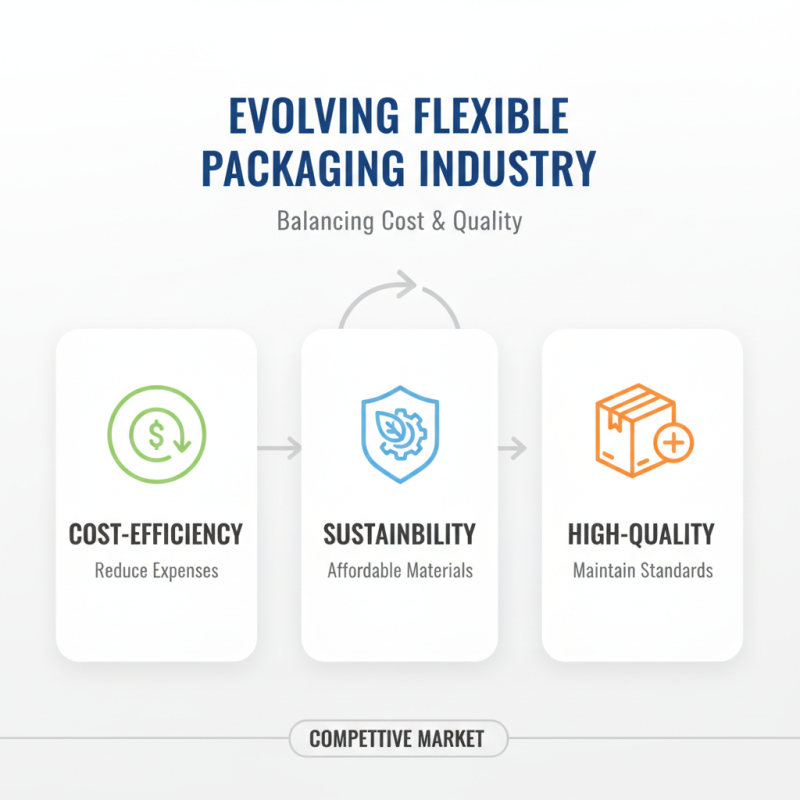
The flexible packaging industry is evolving. Cost-efficiency is now a primary focus for many businesses. Companies aim to reduce expenses while maintaining high-quality packaging. This balance is critical in a competitive market. Many manufacturers explore sustainable materials that are affordable. These materials can lower production costs considerably.
Despite advancements, challenges remain. Some new materials may not perform well under certain conditions. This can lead to wasted resources and increased costs. Companies must test products thoroughly. Striking the right balance requires careful planning and investment.
Emerging trends also point to smarter technology in production. Automation and new processes can drive down costs. However, implementing these technologies can be daunting. It requires training and adjustment. Some companies struggle to adapt, questioning their approach. A reflective mindset can lead to better solutions over time. Balancing quality and price will define the next phase of flexible packaging.
Enhancing Liquid Packaging Efficiency: Insights from Recent Market Reports on Customized 3-Liter Butterfly Valve Suction Nozzle Bags for Drinking Water
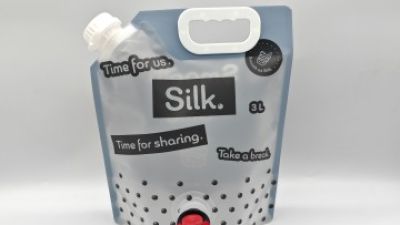
In an evolving market that emphasizes efficiency and convenience, the introduction of the 3-Liter Food-Grade Butterfly Valve Suction Nozzle Bag stands out as a game-changer for liquid packaging. With an innovative leak-proof butterfly valve design, this bag not only offers a generous capacity for water storage but also ensures that users can transport their hydration solutions without the hassles of spills. This makes it an ideal companion for various activities, from relaxing picnics to rigorous outdoor excursions.
The practicality of the 3-liter bag lies not only in its size but also in its construction, which emphasizes durability and safety for drinking water. This portable hydration solution is designed for users on the go, allowing quick access to fresh drinking water wherever they are. Whether you are trekking in nature or just enjoying a day at the park, the ease of use and reliability of such a customized product enhances the overall experience. By integrating functionality with user-friendly features, these nozzle bags are reshaping the landscape of liquid packaging for the better.
FAQS
: Rising consumer demand for eco-friendly solutions is a major factor. The market is expected to reach $23 billion by 2027.
These films are made from plant sources and break down within months. However, composting systems need to be ready for them.
No, some may not fully decompose. This inconsistency raises concerns about their effectiveness in reducing waste.
About 70% of consumers prefer recyclable packaging. Yet, current recycling infrastructure struggles with certain plastics.
Their performance can vary. Ongoing research is needed to improve their durability and recyclability.
Businesses seek cost-efficient solutions while maintaining quality. This is vital in a competitive market, but can be difficult.
New technologies can lower costs through automation. However, implementing changes can be challenging and may require adjustment.
Some sustainable materials can reduce production costs, but they may not perform well under all conditions. Testing is crucial.
Rethinking designs is essential to enhance recyclability. There's a pressing need for creative solutions in the industry.
Existing challenges show there's much work to do. A reflective approach can pave the way for better practices over time.
Conclusion
The 2026 Flexible Packaging market is poised for significant developments driven by key trends and innovations. As sustainability becomes a central concern, the demand for biodegradable and recyclable options is on the rise, pushing the industry towards eco-friendly solutions. Technological advancements are also reshaping the landscape, with smart and interactive designs enhancing consumer engagement and product functionality.
Consumer preferences play a crucial role in shaping flexible packaging choices, supported by ongoing research insights. Regulatory impacts are critical as well, emphasizing compliance with emerging sustainability standards. Additionally, the exploration of new materials and cost-efficiency strategies aims to strike a balance between quality and affordability, ensuring flexible packaging meets the evolving needs of both manufacturers and consumers in the future.