You know, pouch packaging material really has changed the game when it comes to marketing products. Back in 2022, the global market for flexible packaging hit around $250 billion, and a big chunk of that was all about pouches. Brands love using these because they’re lightweight and tend to keep products fresher for longer. But honestly, picking the right pouch material isn’t exactly straightforward — it can get pretty tricky.
A lot of companies struggle a bit when trying to choose the perfect pouch packaging. There are so many things to think about — like how well it keeps things sealed (barrier properties), how strong and durable it is, and whether it’s eco-friendly. Lately, everyone’s pushing for greener options, so recyclable materials are trending. But here’s the catch: not all eco-friendly solutions are equally tough or reliable, you know?
At the end of the day, brands really need to weigh their own needs carefully against what's out there. The market keeps changing, and what was perfect last year might not cut it anymore. This whole process can sometimes lead to overlook certain details or rush into quick choices, which is why doing a solid amount of research is so important. Finding the right pouch material can really boost customer satisfaction and build up loyalty — especially with so much competition around these days.
Understanding Pouch Packaging Materials: An Overview of Options
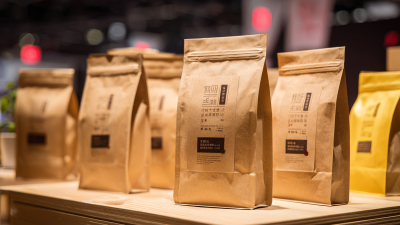
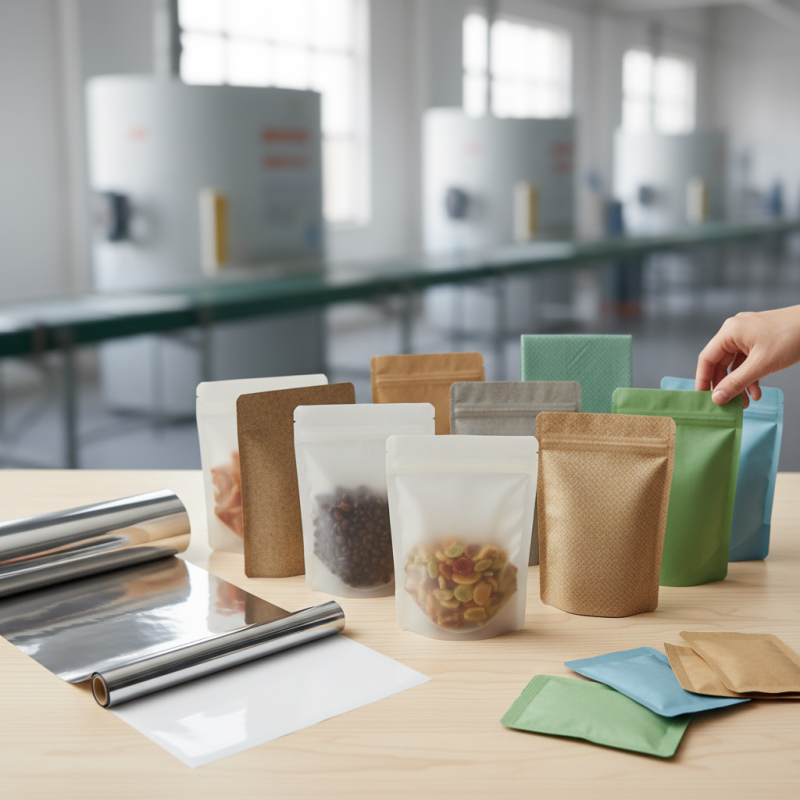
Pouch packaging materials come in various forms. Each type serves a unique purpose. Understanding these options is vital for making a smart choice. Common materials include plastic, foil, and paper. Each has distinct advantages and weaknesses.
Plastic is often lightweight and flexible. It provides good moisture resistance. However, it may not be the most eco-friendly choice. Foil pouches offer excellent protection against light and oxygen. This feature helps preserve product quality. Yet, they can be more expensive than other options. Paper pouches are biodegradable but may lack durability when exposed to moisture.
Choosing the best Pouch Material requires careful consideration. Factors like product type, shelf life, and environmental impact matter. Not every option will suit every need. A company should reflect on its priorities. Are cost savings more important, or is sustainability the goal? Balancing these aspects can lead to a better pouch material selection.
Key Factors in Selecting Pouch Packaging Materials for Products
Choosing the right pouch packaging material is vital for product integrity. Factors like barrier properties are crucial. They protect contents from moisture and oxygen. Without proper barriers, foods can spoil quickly. Think about how long items need storage. A material that works for one product might fail for another. Testing is essential.
Another aspect to consider is the environmental impact. Some Food Packaging Materials are recyclable. Others may not decompose easily. Balancing durability and sustainability can be challenging. Look at options that meet safety standards without harming the planet.
Design also plays a role. Attractive packaging can boost sales. However, it should also be functional. Users may struggle with overly complicated openings. Keep it simple yet effective. Reflect on what your audience values in packaging. Their preferences can guide your material choices.
Pouch Packaging Material Selection: Key Factors and Preferences
Comparative Analysis of Material Types: Plastic vs. Paper Pouches
When selecting pouch packaging materials, the choice between plastic and paper is crucial. According to a recent industry report, plastic pouches dominate the market with around 65% share. They are lightweight and durable, providing excellent barrier properties against moisture and oxygen. This preserves the product's freshness. However, plastics have come under scrutiny due to environmental concerns.
Paper pouches, on the other hand, are gaining traction. They hold about 25% of the market share now. Biodegradable options are available, appealing to eco-conscious consumers. Their ability to print colorful designs can enhance brand visibility. Yet, paper pouches often lack the same moisture barrier efficiency as plastic. An industry study also highlights that only 30% of consumers can easily recycle paper packaging.
While both materials have advantages, challenges persist. Plastic recycling rates remain low, and paper can be less durable. Each option requires careful consideration based on the product's needs and environmental impact. Ultimately, companies must embrace innovative solutions to balance functionality and sustainability.
Evaluating Barrier Properties: Importance in Food and Beverage Packaging
When selecting pouch packaging materials, barrier properties are critical. Food and beverage products often require protection from light, moisture, and oxygen. Effective barrier layers enhance shelf life and maintain quality. For instance, materials like aluminum and specific polymers can create robust barriers. However, not all productions are perfect. Some manufacturers may overlook the importance of these properties.
Consider the moisture barrier. Too much moisture can spoil food. Yet, some pouches fail in this area. Test results may show surprising leaks. This could lead to product deterioration. It’s essential to evaluate the specifications of your Pkg Material. High-performance films often provide greater protection but may be costlier. Balancing cost with quality is vital.
Additionally, think about the environmental impact of your choices. Sustainable materials are becoming more popular. However, they might not always provide the required barrier properties. It's a complex dilemma. Therefore, thorough testing and evaluation of each Pkg Material option is necessary. Reassess what works and what doesn't. Don't settle for the first choice; seek the best fit for your needs.
Sustainability Considerations: Eco-friendly Pouch Packaging Solutions
When considering eco-friendly pouch packaging, materials play a crucial role. Options like biodegradable plastics and compostable films gain popularity as sustainable choices. These materials break down more easily in the environment, reducing long-term waste. However, these innovations may come with higher costs. Companies must weigh the benefits against their budgets.
Recycling options are another aspect to consider. Many pouch packaging solutions lack clear recycling pathways. Labels can be misleading, leaving consumers puzzled about proper disposal. Brands need to ensure transparency in their packaging claims. It’s important for businesses to evaluate their suppliers and materials thoroughly.
Consumer awareness is rising. Shoppers often look for sustainable packaging when making choices. Yet, not all eco-friendly options are created equal. Some may still contribute to pollution despite being marketed as green. Brands must reflect on their impact and improve their sustainability strategies continuously. Adjusting to consumer demands requires innovation, but it also needs honesty and responsibility in the claims made.
Cost-Effectiveness: Budgeting for Pouch Packaging Solutions
When considering pouch packaging, cost-effectiveness is crucial for budget management. According to a recent report by Smithers Pira, flexible packaging can reduce material costs by up to 30% compared to traditional Box Material. This shift not only lowers expenses but also minimizes waste. Products in pouches often use less material, which can lead to significant savings over time.
However, it's important to balance cost with quality. Some pouches may be cheaper but less durable. A study by Packaging Strategies revealed that 15% of brands switched back to box material after a negative experience with low-quality pouches. This highlights the need for thorough evaluation before making packaging decisions. Investing in high-quality materials from the start can prevent costly returns and customer dissatisfaction later on.
Considering production costs is also vital. Pouch packaging often offers more efficient shipping options. Packs can be lighter and more space-efficient, leading to lower shipping costs. Nonetheless, brands must evaluate their specific needs and how pouch material aligns with their product lifecycle. While it may seem appealing to cut costs now, truly cost-effective solutions require foresight and careful planning.
Market Trends: Innovations in Pouch Packaging Technologies and Design
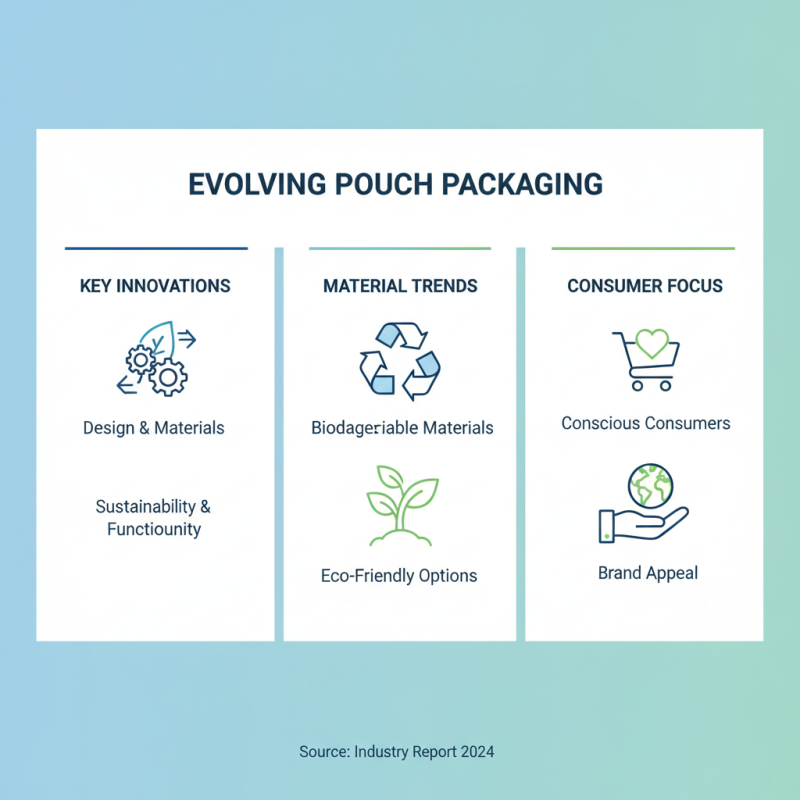
The pouch packaging industry is evolving rapidly. Innovations in design and materials are reshaping how products are presented. New technologies focus on sustainability and functionality. Biodegradable materials are gaining traction. Brands want eco-friendly options to appeal to conscious consumers.
Advancements in printing technology allow for vibrant, eye-catching designs. High-quality graphics can enhance product visibility on store shelves. However, some packaging still lacks adequate durability. Pouches must maintain freshness and prevent leaks. Developing the perfect balance can be challenging. The market demands both aesthetics and practicality.
Smart packaging features are on the rise. QR codes and NFC tags connect consumers to digital content. This trend enhances customer engagement but raises questions about data privacy. As designs become more complex, maintaining simplicity in usage is essential. Companies must continuously adapt to meet consumer expectations and regulatory standards. The journey of pouch packaging is far from perfect, but the potential for growth is significant.
Exploring the Benefits and Versatility of Huadi Customized 10L Bag in Box Super Pouch for Outdoor Adventures
When it comes to outdoor adventures, having the right storage solution is essential for any enthusiast. The Huadi Customized 10L Bag in Box Super Pouch stands out by offering unparalleled versatility and efficiency for all your outdoor gear requirements. With sizes ranging from a compact 1L to an expansive 10L, this bag caters to a variety of needs—from carrying trail snacks and water bottles to accommodating camping equipment and picnic supplies. This adaptability makes it a must-have for hikers, campers, and explorers alike.
In addition to its remarkable capacity, the durability of the Huadi Super Pouch is noteworthy. Reporting from industry experts highlights that outdoor gear facing harsh environments needs to be constructed from high-grade, tear-proof materials to ensure longevity. The moisture-proof and airtight design of this pouch bag not only keeps belongings dry but also protects them from the rigors of nature, such as unexpected rain or high humidity. Such features are crucial, with a recent study revealing that nearly 30% of outdoor enthusiasts have experienced gear failure due to improper protection in adverse conditions.
The combination of functionality and portability allows for optimal organization of essentials, ensuring easy access during outdoor activities. As storage solutions evolve, prioritizing performance and practicality becomes paramount for outdoor adventurers. The Huadi Customized 10L Bag in Box Super Pouch meets these demands, setting a high standard for what outdoor storage should represent in today's marketplace.
FAQS
: The product aims to enhance daily tasks, offering convenience and efficiency.
Follow the included instructions carefully for optimal results. Each step is important.
Generally, it's suitable for adults. Supervision is recommended for younger users.
Check the troubleshooting section in the manual. Many issues can be resolved easily.
Yes, but ensure it’s in a safe environment. Weather conditions can affect performance.
A limited warranty is offered. Review the terms to understand what is covered.
Regular cleaning is essential. Use a damp cloth and avoid harsh chemicals.
Additional details can be found in the user manual or official website.
It’s important to reassess your usage. Adjustments may be needed for better outcomes.
Yes, there are various options. Research is key to finding one that fits your needs.
Conclusion
When selecting the best pouch packaging material for products, it is essential to understand the various options available, including plastic and paper pouches. Key factors such as barrier properties play a crucial role, especially in food and beverage packaging, where protecting the contents from moisture and oxygen is paramount. Moreover, sustainability considerations are becoming increasingly important, with a growing demand for eco-friendly pouch packaging solutions that minimize environmental impact.
Cost-effectiveness is another significant aspect to consider, as businesses must balance quality with budgeting for pouch packaging solutions. Additionally, staying informed about market trends and innovations in pouch packaging technologies and design can help companies make informed decisions. Ultimately, choosing the right pouch packaging material involves a comprehensive analysis of these factors to ensure the selected option meets both product requirements and consumer expectations.