You know, the food packaging scene is really shaking things up lately! It’s all about new tech and what folks are looking for these days. They say the global flexible packaging market could hit a whopping $300 billion by 2027, according to the Flexible Packaging Association. That really shows how much we’re leaning towards sustainable and efficient solutions in packaging for food. As we all start caring more about sustainability, food packaging isn’t just about keeping things fresh and safe anymore; it’s also about cutting down on our environmental footprint.
Take Dongguan Huadi Packaging Products Co., Ltd.—they’ve been around since 2003 and are right there at the forefront of this change. They offer some pretty top-notch packaging options that cater to all sorts of industries. Our focus on innovation really helps us tackle the challenges that food packaging will face in the future. We’re all about giving consumers not just convenience and quality, but also doing our part for the environment with our products.
Trends Shaping the Flexible Food Packaging Industry in 2025
You know, when we think about the future of flexible food packaging, there are some pretty cool trends popping up that are really gonna shake things up by 2025. One major thing driving this change is the growing demand for packaging that's not just convenient but also hygienic. It totally reflects how our tastes are shifting towards ready-to-eat foods. It's wild, but the flexible food packaging market is on track to grow at a rate of about 5.6% each year, which means we could see it hitting around $458.6 billion by 2024! That's a big deal, showcasing just how crucial convenience has become in how we consume food these days.
At the same time, sustainability is becoming a big player in our packaging decisions. Single-material packaging is really taking the lead here, as folks are leaning towards eco-friendly options. This segment could see an impressive annual growth rate of 6.4% from 2025 to 2034, which really highlights how important sustainable practices are becoming in the food and beverage world. Brands that focus on innovative and sustainable packaging solutions are gonna resonate not only with health-conscious shoppers but will also be better equipped to meet new regulations. This is paving the way for a more responsible approach to food packaging in the years to come.
Sustainable Materials: The Key to Eco-Friendly Packaging Solutions
You know, sustainable materials are really becoming a big deal when it comes to flexible packaging these days. With more and more consumers waking up to eco-issues, brands are stepping up their game by using materials that help cut down on waste and lower the carbon footprint compared to the usual packaging. It’s pretty cool to see bioplastics, recycled stuff, and plant-based materials leading the way in shaking things up in the packaging world. They’re finding some pretty inventive ways to make flexible packaging that doesn’t just work well but is also good for the planet.
And it’s not just about saving the Earth; using eco-friendly stuff in food packaging comes with a bunch of other perks too. For instance, these sustainable materials often keep products fresher for longer, which is super important in the food biz. Plus, consumers really connect with brands that are committed to sustainability, so businesses that hop on this train might just find themselves with a nice edge over the competition—all while doing their part for a healthier planet. It seems like the future of food flexible packaging is all about finding that sweet spot between performance and being responsible, opening the door to a whole new era of packaging that actually aligns with our global sustainability goals.
Technological Innovations Revolutionizing Food Packaging
The food packaging industry is really shaking things up lately, thanks to some pretty cool tech innovations. These new developments aren’t just making packaging more functional; they’re also tackling some major sustainability issues. One exciting trend we’re seeing is smart packaging that keeps an eye on food freshness. This helps cut down on waste and ensures we’re eating quality products. Like, there are sensors built right into the packaging that can track things like temperature and humidity, giving a heads-up to both consumers and retailers about how the food is doing.
So, if you’re on the hunt for flexible packaging for your food products, keep an eye out for materials that are biodegradable or made from recycled stuff. This way, you can shrink your environmental footprint and attract those eco-friendly shoppers.
On another note, barrier technology has come a long way! It’s letting us extend shelf life without the need for funky preservatives. Things like vacuum sealing and gas flushing are becoming more popular—these methods are a game-changer for keeping food fresh longer. Not only do they help with the shelf life, but they also up the food safety factor, so people can feel good about what they’re buying.
And hey, consider looking into resealable packaging. It’s a great way to keep things fresh even after you’ve opened them. This little feature makes life easier and fits perfectly with what consumers are wanting these days: practicality and a touch of sustainability in their food choices.
The Future of Innovative Food Flexible Packaging Solutions
This bar chart illustrates the market share of various innovative food flexible packaging solutions. As the demand for sustainable packaging grows, biodegradable and recyclable options are leading the market, while smart and edible packaging continue to gain traction.
Consumer Preferences and Their Impact on Packaging Design
You know, as consumer preferences keep changing, it's super important for flexible food packaging to keep up with the times. Nowadays, shoppers are really tuned in to things like sustainability, convenience, and hey, how things look! So, brands need to take a good look at these trends and tweak their packaging strategies to match. For example, folks are really loving recyclable materials and those minimalist designs that not only cut down on waste but also look pretty good on the shelf. When companies get a grip on what their customers want, they can craft packaging that truly clicks with the eco-conscious crowd.
Quick tip: Think about adding user-friendly features, like resealable zippers or easy-tear openings. These little upgrades can make a huge difference in convenience, especially for people with busy lives. Plus, being able to keep stuff fresh while also being easy to use? That’s a big deal when it comes to making a sale!
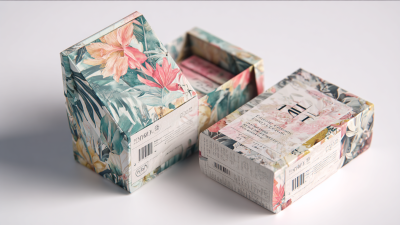
And hey, let's not forget about branding; it's key in packaging design. People are naturally attracted to eye-catching designs that tell a story or make the product pop on the shelves. This means brands should really think about investing in cool printing techniques and unique materials that stand out in a crowd.
Another tip: Dive into color psychology and design elements that really speak to your target audience. This not only builds a bond with consumers but also helps products shine in a jam-packed market. When you really get what people like, it leads to packaging designs that do more than just protect the product—they leave a mark that sticks around.
Regulatory Challenges and Compliance in Food Packaging
You know, the future of flexible food packaging is really tied to how regulations are changing all the time. With more people wanting sustainable and diverse food choices, it’s not just about making packaging look good or work well anymore; now it’s got to meet some pretty tough rules too. Companies like Dongguan Huadi Packaging Products Co., Ltd. totally get that. They recognize that sticking to those regulations is key for keeping their products safe and compliant, all while keeping up with a market that's always on the move.
When we talk about the challenges in food packaging, a lot of it comes down to safety standards, getting materials approved, and thinking about the environment. Since 2003, Huadi has been in the game, making sure their solutions not only meet industry rules but also push for sustainable practices. They’re always working on new ideas and flexible packaging that fits a range of industry needs, plus checking all the boxes for compliance. So, by keeping an eye on regulatory shifts, Huadi is really stepping up as a leader in providing safe and innovative food packaging for what’s coming next.
The Role of E-Commerce in Driving Packaging Innovations
You know, e-commerce has really taken off, and it's shaking things up in the food packaging world. More and more folks are choosing to do their grocery shopping online and getting ready-to-eat meals delivered right to their doors. According to a report from Mordor Intelligence, the global food packaging market is set to grow at a decent rate—about 5.4% every year from 2021 to 2026. A big part of that growth is the rising demand for flexible packaging options that suit our online shopping habits. People are all about sustainability, convenience, and keeping their food fresh for longer.
Flexible packaging, like pouches and films, has a lot going for it—it cuts down on waste and protects food from moisture and air, which is super important for keeping perishables safe when they're shipped. The Flexible Packaging Association even says these flexible options can reduce food waste by as much as 50% compared to traditional rigid packaging. So, it’s a win for sustainability and the food supply chain! As brands try to keep up with eco-friendly trends, the impact of e-commerce is driving some really creative packaging innovations that show they care about both function and the environment. And let's not forget the DesignBIZ Award—it really shows how important design is in this whole shift. Innovative packaging can really help brands stand out in such a crowded market!
Revolutionizing Food Packaging: Insights from Market Trends on Aseptic Bags and Sustainable Solutions
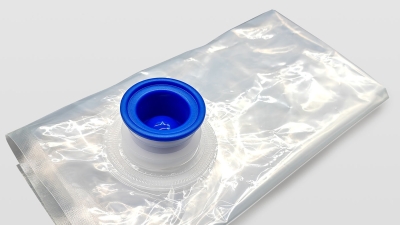
The food packaging industry is experiencing a transformative shift, with aseptic bags taking center stage as an innovative and sustainable solution. These bags are increasingly popular in the food and beverage sector, where they are used to package a variety of products, including juices, sauces, soups, and dairy alternatives. The aseptic process is vital, as it ensures that these products remain shelf-stable for extended periods, catering to the convenience of modern consumers while significantly reducing food waste. By preserving the flavor, color, and nutritional value of their contents, aseptic bags enable brands to deliver high-quality products that resonate with health-conscious consumers.
Moreover, the use of aseptic bags extends beyond the food industry, finding crucial applications in the pharmaceutical sector. These bags are essential for the storage and transportation of liquid medications, vaccines, and intravenous solutions. The sterile environment created by aseptic packaging is paramount in preventing contamination and ensuring the safety and efficacy of vital healthcare products. In settings where hygiene standards are of utmost importance, aseptic bags provide a reliable solution, reinforcing the industry's commitment to quality and safety. As the demand for sustainable and safe packaging solutions continues to rise, aseptic bags stand out as a pivotal innovation that meets the needs of both consumers and the healthcare industry.
FAQS
: The transformation is primarily driven by increasing demand for convenient and hygienic packaging solutions, reflecting consumer preferences for ready-to-eat foods.
The flexible food packaging market is projected to reach a size of approximately $458.6 billion by 2024.
Sustainability is highly significant, with consumers favoring eco-friendly options, particularly single-material packaging, which is expected to grow at a CAGR of 6.4% from 2025 to 2034.
Sustainable materials include bioplastics, recycled content, and plant-based materials, which reduce waste and minimize carbon footprints.
Eco-friendly materials enhance product freshness, extend shelf life, and resonate with sustainability-conscious consumers, providing businesses a competitive edge.
E-commerce has driven innovations by increasing demand for flexible packaging solutions that emphasize sustainability, convenience, and enhanced shelf life for grocery and meal delivery.
The global food packaging market is expected to grow at a CAGR of 5.4% from 2021 to 2026.
Flexible packaging can reduce food waste by up to 50% compared to rigid alternatives, promoting sustainability in the food supply chain.
Innovative packaging plays a crucial role in differentiating brands, as showcased by awards like the DesignBIZ Award, and reflects a commitment to both functionality and environmental responsibility.