You know, as the world of consumer goods keeps changing, flexible packaging is really making a splash these days. People are talking a lot about how it's not just convenient, but also better for the environment. I mean, John Smith from PackTech Innovations puts it perfectly—he says, 'Flexible packaging totally changes the game when it comes to how products get to us.' Honestly, that pretty much sums up the whole vibe of innovation in this space.
Looking ahead to 2026, some pretty interesting trends are popping up in flexible packaging. Sustainability is still the big buzzword—brands are really pushing for eco-friendly materials now. People want packaging that creates less waste, so designers are getting creative with how they think about reducing it. Plus, consumers are all about convenience—stuff that's portable and easy to carry around is definitely winning.
That said, it's not all smooth sailing. Juggling costs and being eco-conscious can get tricky. Not everyone in the industry is able to jump on all these new tech trends right away, which can slow things down. There are definitely some hurdles to overcome if the industry wants to grow and move forward. In this fast-moving world, staying in the loop is super important for buyers around the globe who want to stay ahead in flexible packaging game.

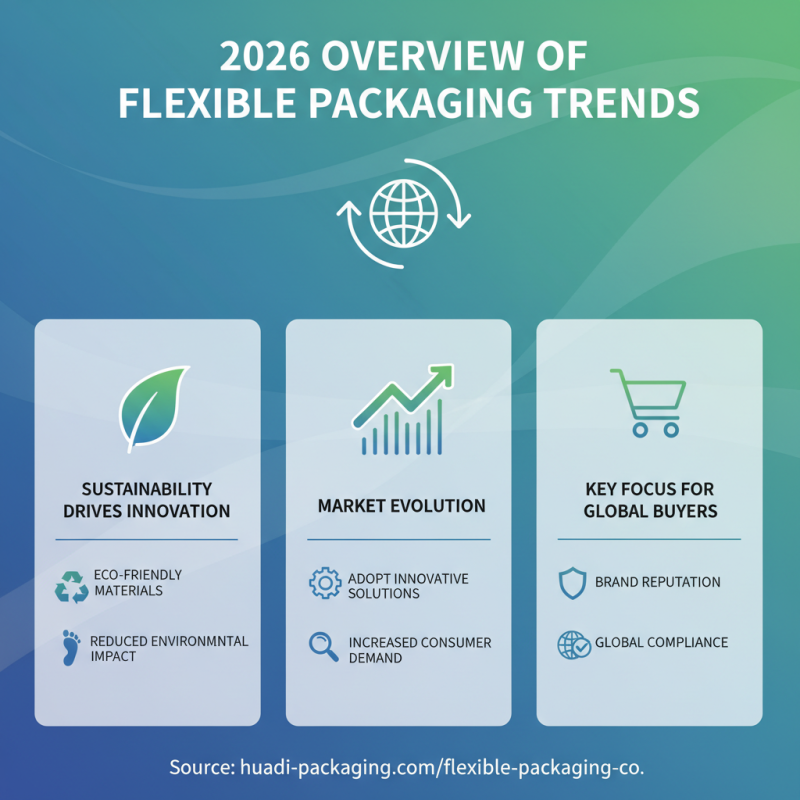
As we approach 2026, Flexible Packaging Continues to evolve, capturing significant market attention. It remains vital for manufacturers to adopt innovative solutions. Sustainability stands out as a primary driver. More brands strive for eco-friendly materials. Customers are increasingly demanding products that minimize environmental impact. This trend pushes companies to rethink their materials and processes.
Global buyers must recognize the importance of advanced technology in flexible packaging. Innovations in production processes enhance efficiency. For instance, digital printing allows for customization at a lower cost. With improved barrier properties, packaging now preserves product freshness longer. This progress leads to reduced food waste, which is essential in today's climate-conscious marketplace.
However, challenges persist in maintaining quality and consistency. The rush to innovate can sometimes compromise reliability. It's crucial for buyers to prioritize partnerships with reputable suppliers, like Flexible Packaging Co, who can ensure quality control. As the landscape shifts, understanding these trends will help businesses stay competitive. Frequent reassessment of strategies will be necessary to adapt to these dynamic changes.
Sustainability in flexible packaging has emerged as a critical focus for manufacturers. The flexible packaging market is expected to reach $300 billion by 2026, driven by growing demand for eco-friendly solutions. Innovations in material science are vital. Biodegradable films and recycled content are gaining traction, enhancing the sustainability of products. According to a recent report, 35% of consumers prefer brands committed to sustainability.
Adoption of recyclable materials is essential for the future of Food Flexible Packaging. With 74% of packaging material being discarded after a single use, the need for circular solutions has never been more pressing. Industry leaders advocate for clearer recycling labels to alleviate consumer confusion. By simplifying sorting processes, companies can facilitate greater recycling rates.
While progress is being made, challenges remain. The supply chain for sustainable materials still faces hurdles. Not all flexible packaging options are readily available. Stakeholders must collaborate to overcome these obstacles, ensuring that sustainable packaging is accessible. Despite the advancements, it is crucial to reflect on the effectiveness of these innovations and their overall impact on waste reduction.
Technology plays a crucial role in advancing flexible packaging solutions. It enhances efficiency and meets the growing demand for sustainable options. According to a recent market report, the flexible packaging market is projected to reach $400 billion by 2026, showing a steady 4.5% growth annually. Companies are leveraging automation and smart manufacturing technologies to optimize production processes.
One promising trend is the use of biodegradable materials in Flexible Packaging Bags. These innovations reduce environmental impact while maintaining product integrity. Industry experts highlight that shifting to eco-friendly materials can attract environmentally-conscious consumers. However, not all materials perform equally, and some still require improvement in terms of durability.
Tips: Consider pairing new technologies with robust materials to ensure functionality. Conduct thorough testing to avoid issues with product preservation. As the industry evolves, businesses must remain adaptable and open to continuous improvement, reflecting on both successes and shortcomings. Being proactive will enhance competitiveness in the ever-changing flexible packaging landscape.
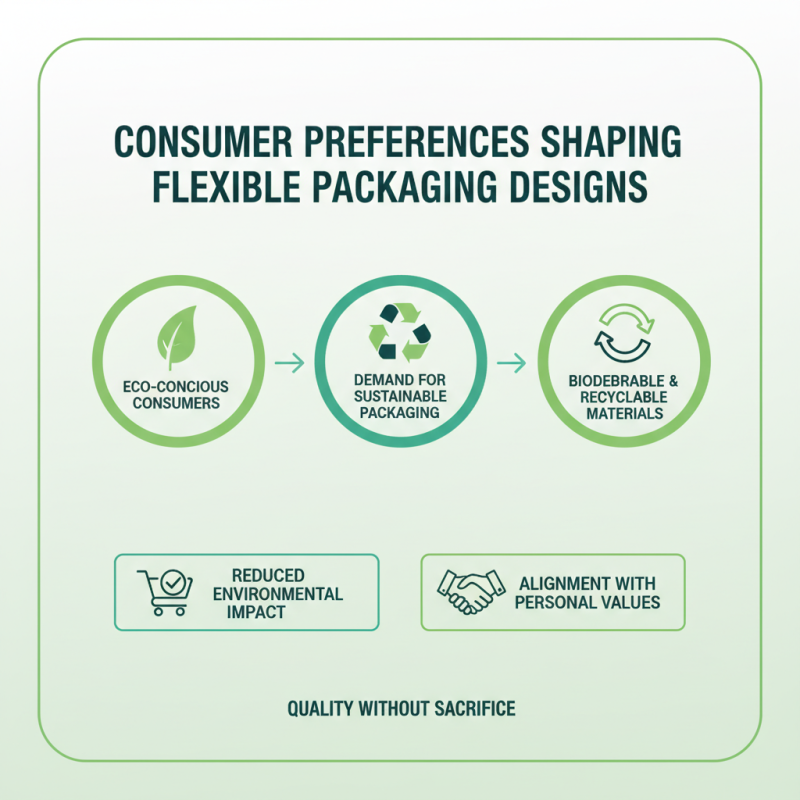
As consumers become increasingly eco-conscious, their preferences are dramatically shaping flexible packaging designs. A notable trend is the rise of sustainable materials. Buyers seek options that reduce environmental impact without sacrificing quality. Biodegradable or recyclable materials are gaining traction. This shift illustrates a desire for products that align with personal values and environmental responsibility.
Design elements are also evolving alongside consumer expectations. Simplicity and transparency resonate with buyers today. Clear packaging allows consumers to see the product, fostering trust. Additionally, vibrant, eye-catching designs attract attention on store shelves, influencing purchasing decisions. However, striking a balance between aesthetics and functionality remains a challenge for manufacturers.
Moreover, personalization continues to play a significant role in consumer preferences. Customized packaging not only enhances user experience but also engages customers on a personal level. Despite these trends, some brands struggle to keep up with rapid changes. The fast-paced evolution of consumer preferences demands constant innovation, prompting a reflection on how brands can remain relevant.
The flexible packaging market is rapidly evolving, driven by several key factors. Environmental concerns are increasingly influencing packaging choices. Consumers are demanding sustainable options that reduce waste. Manufacturers are responding by innovating with eco-friendly materials. These shifts are apparent in Flexible Food Packaging, which is often designed with recyclability in mind.
Modern buyers are also influenced by convenience. Flexible packaging offers ease of use and enhanced usability. Products are being packaged in ways that extend shelf life while making them easy to store. This focus on functionality is crucial in a fast-paced world. Yet, brands must consider the balance between convenience and sustainability. There may be trade-offs to address.
Tips: Always research materials and processes before selecting packaging. Look for suppliers who prioritize sustainability. Understand the implications of packaging choices on your brand’s image. Fostering a deeper connection between consumer needs and packaging solutions can lead to better outcomes. Flexibility in design and functionality will remain important trends driving the industry forward.
The flexible packaging industry is navigating a complex landscape of regulatory challenges. Recent data from Smithers Pira indicates that the global flexible packaging market will reach $300 billion by 2026. With growth comes regulatory scrutiny. These regulations focus on material safety, environmental impact, and recycling mandates.
Innovations in biodegradable and compostable materials are rising. The European Union has pushed for strict regulations on single-use plastics. In 2022, over 60% of flexible packaging manufacturers reported difficulty complying with these new standards. This strain reveals gaps in the industry’s readiness for change, impacting product development timelines.
Regulatory compliance can increase costs, yet it is essential. The necessity for transparency in sourcing materials is becoming crucial. Reports suggest that brands will face penalties for non-compliance, affecting their market share. Such challenges prompt a reevaluation of supply chain practices. Adjustments must be proactive to avoid consequences that could harm business reputation.
The world of flexible packaging is evolving rapidly. Emerging materials are at the forefront of this transformation. Sustainable options, like bio-based plastics, are gaining traction. These materials not only reduce environmental impact but also meet customer demands for eco-friendly products. They can replace traditional, non-biodegradable plastics.
Recyclable materials are also trending. Companies are exploring innovative ways to enhance recyclability. However, not all flexible packages are easy to recycle. Ensuring sufficient consumer awareness is vital. This reflects a need for manufacturers to rethink their strategies. The challenge lies in balancing functionality with sustainability.
**Tip:** Focus on materials that offer both performance and environmental benefits. It’s essential to stay updated on industry advancements. Engage with partners who prioritize sustainable solutions. Embrace continuous testing and iteration to improve your flexible packaging. Perfect solutions may not exist, but progress is attainable.
: The flexible packaging market is projected to reach $300 billion by 2026. Demand for eco-friendly solutions drives this growth.
Biodegradable films enhance the sustainability of products. They help reduce environmental impact and cater to consumer preferences.
About 74% of packaging material is discarded after a single use. This highlights the need for better recycling solutions.
The supply chain for sustainable materials has hurdles. Not all options are easily accessible for manufacturing needs.
Clearer recycling labels can help alleviate confusion. Simplifying sorting processes may facilitate greater recycling rates.
Brands must weigh the importance of product usability against sustainable practices. Trade-offs may be necessary to address.
Compliance with regulations is essential to avoid penalties. It also plays a key role in maintaining a positive brand image.
Over 35% of consumers prefer brands that commit to sustainability. Their choices influence manufacturers to innovate with eco-friendly options.
Packaging choices affect a brand’s image. Brands need to carefully research materials and processes to align with consumer values.
Businesses should prioritize flexibility in design and functionality. This will help address evolving consumer needs while supporting sustainability.
The article "2026 Top Flexible Packaging Trends for Global Buyers" provides a comprehensive overview of the evolving landscape of flexible packaging, highlighting key trends that will shape the industry in the coming years. It emphasizes the importance of sustainability, showcasing innovative materials and strategies that address environmental concerns. Additionally, the role of technology as a driving force behind advancements in flexible packaging solutions is examined, along with consumer preferences that influence design and functionality.
Market drivers and regulatory challenges are also pivotal factors affecting the flexible packaging industry globally. As new materials emerge, they significantly impact packaging trends and consumer choices, paving the way for more sustainable and efficient solutions. Overall, this article serves as a valuable resource for global buyers looking to navigate the complexities and opportunities within the flexible packaging market.