request to quote
Leave Your Message
0%

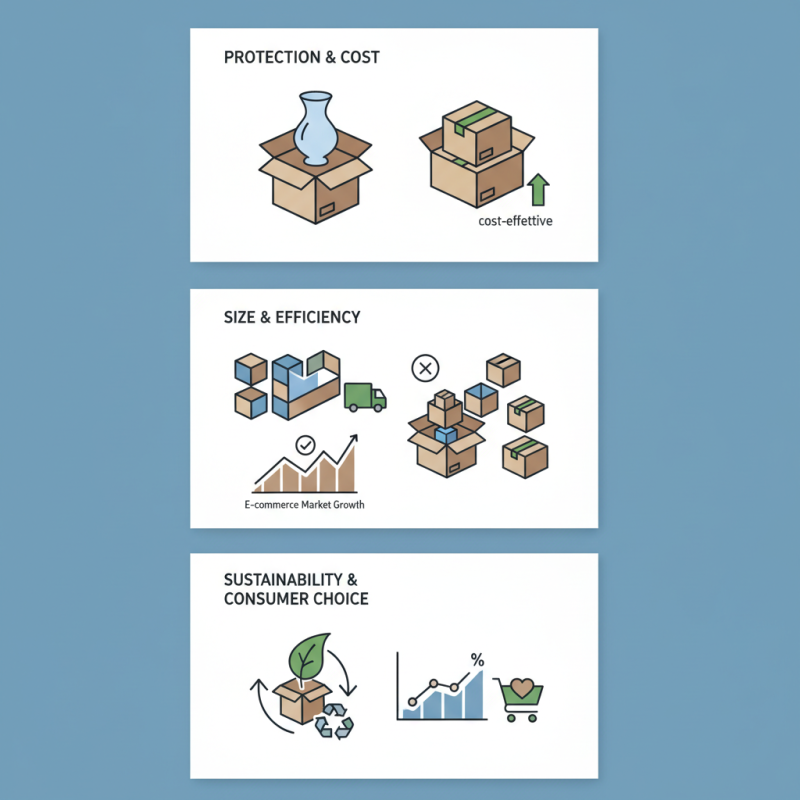
Picking the right shipping box for your products isn't just a small detail — it's actually a pretty big deal these days, especially with how fast everything moves. Did you know that, according to the International Journal of Packaging Technology and Science, packaging makes up about 30% of all logistics costs? That really just emphasizes how important it is to choose the right materials, size, and durability for your boxes. A good shipping box not only keeps your stuff safe during transit but can actually boost customer satisfaction too.

Understanding what your product needs is key. For fragile items, you'll probably want reinforced cartons—no question there. But for sturdier, non-fragile goods, lighter and more cost-effective options can work just fine. Interestingly, Smithers Pira reports that the e-commerce packaging market might hit around $100 billion by 2025 — that’s a huge jump, showing how much demand there is for reliable shipping solutions. Still, quite a few companies end up using boxes that don’t quite fit, which leads to more waste and higher costs in transportation.

And let's not forget about sustainability — it's a growing concern on everyone's minds. A Nielsen study shows that nearly 73% of consumers worldwide are actually willing to pay more for eco-friendly packaging. As more businesses jump on this bandwagon, making smart choices when selecting your shipping cartons really becomes more important than ever. After all, it's not just about saving money — it's about doing the right thing for the planet, too.
How to Choose the Right Shipping Carton for Your Products?

Understanding the Importance of Choosing the Right Shipping Carton

Choosing the right shipping carton is crucial for protecting your products during transit. A well-chosen carton ensures that items arrive in good condition. It also enhances the customer experience by reducing the chances of damage. The carton influences shipping costs and reflects your brand's image.

Tips: Always consider the dimensions of your products. Choose a carton that fits snugly to minimize movement. This can prevent damages like breakage or scratches. Strength is also vital. Use double-walled cartons for heavier or more fragile items.

Consider the environmental impact of your choice. Sustainable materials can appeal to eco-conscious customers. However, not all sustainable options provide the same level of protection. It’s worth testing different materials to find the balance between eco-friendliness and durability.

Sometimes, a carton may seem ideal but fails in real-world conditions. Monitor feedback and be open to adjustments. A carton that looks good might not perform well. Regularly reassess your options to ensure you’re meeting customer expectations efficiently.

How to Choose the Right Shipping Carton for Your Products?

Dimension Material Type Weight Capacity (lbs) Ideal for Cost per Unit ($)
12" x 12" x 12" Single Wall Corrugated 30 Small Electronics 0.75
16" x 16" x 16" Double Wall Corrugated 50 Books & Apparel 1.20
18" x 12" x 12" Single Wall Corrugated 40 Clothing 0.90
24" x 18" x 12" Double Wall Corrugated 70 Large Appliances 2.50
24" x 24" x 24" Triple Wall Corrugated 100 Heavy Machinery 5.00

Factors to Consider When Selecting a Shipping Carton Size

When selecting a shipping carton size, several factors play a critical role. The dimensions of your product are the first consideration. A carton should fit the product snugly, reducing movement during transit. This reduces the risk of damage. According to industry reports, nearly 20% of products are damaged due to improper packaging. Proper sizing helps enhance protection.

Another important factor is the carton’s weight. Lightweight cartons can help reduce overall shipping costs. The Packaging Association states that using the right size can cut shipping costs by up to 35%. However, it’s also crucial to balance weight and strength. A lighter carton may not provide adequate protection for fragile items.

Additionally, environmental impact must not be overlooked. More companies are opting for sustainable options. Custom-sized cartons minimize waste and can reduce carbon footprints. At the same time, consider the cost-effectiveness of using Shipping Bags for lighter items. They can be more economical but may not offer the same protection as rigid cartons. Reflecting on these aspects ensures the right choice for your shipping needs.

Materials Used in Shipping Cartons and Their Impact on Protection

When selecting the right shipping carton, material choice greatly affects product protection. Corrugated cardboard remains a top choice for its strength and lightweight nature. According to packaging industry reports, around 70% of containers are made from corrugated cardboard. This material provides a good balance of durability and cost.

Other options include polycarbonate and wooden crates. Polycarbonate is lightweight yet strong, offering excellent impact resistance. However, it can be more costly. Wooden crates provide superior protection for heavy items but are bulkier and heavier. Recent studies show that using appropriate materials can reduce product damage rates by up to 40%.

The environmental impact of shipping materials also matters. Many companies seek recyclable or biodegradable options. Choosing sustainable materials contributes to reducing carbon footprints in the supply chain. Understanding these nuances helps businesses make informed choices in their Pack Shipping strategy.

Evaluating Weight Capacity and Durability of Shipping Cartons

Choosing the right shipping carton is crucial for product safety. Evaluating weight capacity and durability is key. An effective shipping carton protects items from damage while in transit. According to the International Safe Transit Association, approximately 30% of products are damaged during shipping. This highlights the need for strong, reliable cartons.

When assessing weight capacity, consider both the carton’s material and design. Paperboard cartons, for example, can withstand varying weights but may differ in compressive strength. A study by Georgia-Pacific found that carton compression can reduce by 5-10% due to environmental factors such as humidity. Keep this in mind when selecting cartons for delicate items.

**Tips:** Test cartons with weights that simulate your products to gauge strength. Check the manufacturer's specifications for weight limits. Ensure the carton’s dimensions fit the product snugly to enhance protection.

Durability matters, especially for longer shipping times. Choose materials that withstand varying environmental conditions. Single-wall cartons are good for lightweight items, while double-wall boxes provide additional strength. A report from ASTM International suggests double-wall cartons offer a 25% higher resistance to crushing than their single-wall counterparts.

**Tips:** Inspect cartons for signs of wear before use. Store cartons in a dry area to maintain structural integrity. Think critically about how environmental factors can affect your choice of shipping materials.

Customizing Shipping Cartons for Unique Product Requirements

Customizing shipping cartons is essential for protecting your products during transit. Various products have unique shapes and sizes, requiring tailored solutions. For example, fragile items need extra cushioning. This is where materials like bubble wrap or foam inserts come into play. Choosing the right thickness of carton is also critical. Thinner boxes may save costs but can compromise safety.

It's important to consider the weight of your products too. Heavier items demand sturdier cartons to prevent damage. While standard sizes are frequently available, custom dimensions can enhance product security. A custom carton ensures minimal movement inside the box. Testing the fit helps in identifying potential risks, such as crushing or impact damage.

Reflecting on past shipping experiences can provide insights. Have you encountered damaged products upon arrival? Such scenarios emphasize the need for customization. Also, paying attention to sustainability is increasingly crucial. Using eco-friendly materials not only supports the environment but also meets consumer demand. Balancing cost, design, and protection seems challenging but is necessary for a successful shipping strategy.

Cost-Effectiveness: Balancing Quality and Price in Shipping Cartons

How to Choose the Right Shipping Carton for Your Products?

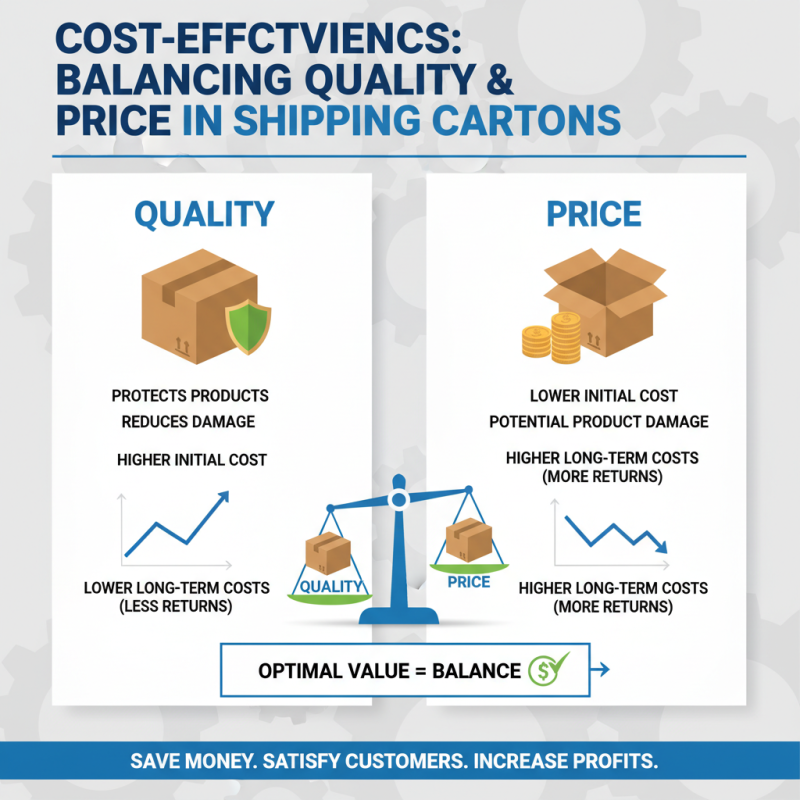
Choosing the right shipping carton can significantly impact your bottom line. A balance between quality and price is essential for cost-effectiveness. High-quality cartons protect your products, reducing damages during transit. However, premium options can strain your budget.

Consider your product's specifics. For instance, fragile items may require sturdy cartons to prevent breakage. In contrast, durable goods might fit well in standard, less expensive options. Evaluate your shipping frequency. A business that frequently engages in Long Shipping might benefit from investing in stronger materials, even if they cost more upfront.

Reassessing your needs can yield insights. Reflect on past shipments. Did some products arrive damaged? Were there excessive shipping costs? These experiences guide your carton choices. Cost-effective solutions often require a willingness to experiment. Sometimes, finding the perfect balance is an ongoing process.

Sustainable Shipping Carton Options for Eco-Conscious Businesses

Sustainable shipping cartons are vital for eco-conscious businesses. Choosing the right material can make a significant impact. Options like recycled cardboard reduce waste. They are lightweight and provide adequate protection for Shipping Items.


Biodegradable materials are another excellent choice. These cartons break down quickly and won’t linger in landfills. However, it’s crucial to consider the cost and availability. Sometimes, these options can be harder to find than traditional materials.


While using sustainable cartons is commendable, businesses must reflect on their choices. It is essential to ensure the carton’s durability for shipping items. A fragile carton can lead to damaged products. Balancing sustainability with functionality is key.

FAQS

: Why is choosing the right shipping carton important?

: The right carton protects products during transit and improves customer satisfaction by reducing damage.

What dimensions should I consider when selecting a shipping carton?

Always choose a carton that fits snugly to minimize movement and prevent damage like breakage or scratches.

What material is best for shipping cartons?

Corrugated cardboard is popular for its strength. Other options include polycarbonate and wooden crates depending on needs.

How do I evaluate the weight capacity of a shipping carton?

Check the carton’s material and design, and test it with weights similar to your products for strength assessment.

How does humidity affect shipping carton strength?

Humidity can reduce carton compression strength by 5-10%, making it essential to consider for sensitive items.

What makes double-walled cartons better than single-walled ones?

Double-walled cartons offer 25% more resistance to crushing, providing better protection for heavier shipments.

How can I ensure my shipping materials are environmentally friendly?

Look for recyclable or biodegradable options, but ensure they also provide adequate protection for your products.

What should I do if a carton looks good but doesn't perform well?

Monitor customer feedback on carton performance and adjust your choices based on real-world conditions.

How can I maintain the integrity of my shipping cartons?

Inspect cartons for wear before use and store them in a dry area to avoid issues with structural integrity.

Why is it important to regularly reassess shipping carton options?

Regular assessments help ensure you meet customer expectations and adapt to changing shipping and product needs.

Conclusion

Choosing the right shipping carton is crucial for protecting products during transit and ensuring customer satisfaction. This involves understanding various factors, such as the size of the carton, which must accommodate the product securely while minimizing movement. The materials used in shipping cartons play a significant role in their protective capabilities, impacting both weight capacity and durability. Additionally, customizing shipping cartons can address unique product requirements, enhancing protection and presentation.

Cost-effectiveness is another important aspect, as businesses must balance quality with price to optimize their shipping expenses. For eco-conscious companies, sustainable shipping carton options are increasingly available, allowing for environmentally friendly practices without compromising on quality. Overall, making informed decisions about shipping cartons can lead to improved product safety, customer experience, and operational efficiency.

Ethan

Ethan

Ethan is a dedicated marketing professional at Dongguan Huadi Packaging Products Co., Ltd., a company established in 2003 that specializes in delivering high-quality packaging solutions tailored to meet the diverse requirements of various industries. With extensive knowledge of the company's......
Previous Top High-Quality OEM Liquid Pouch Manufacturers for Your Packaging Needs?