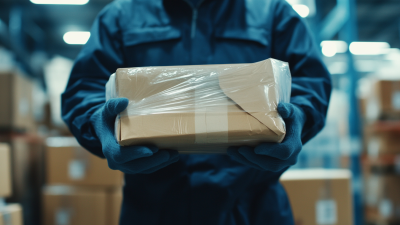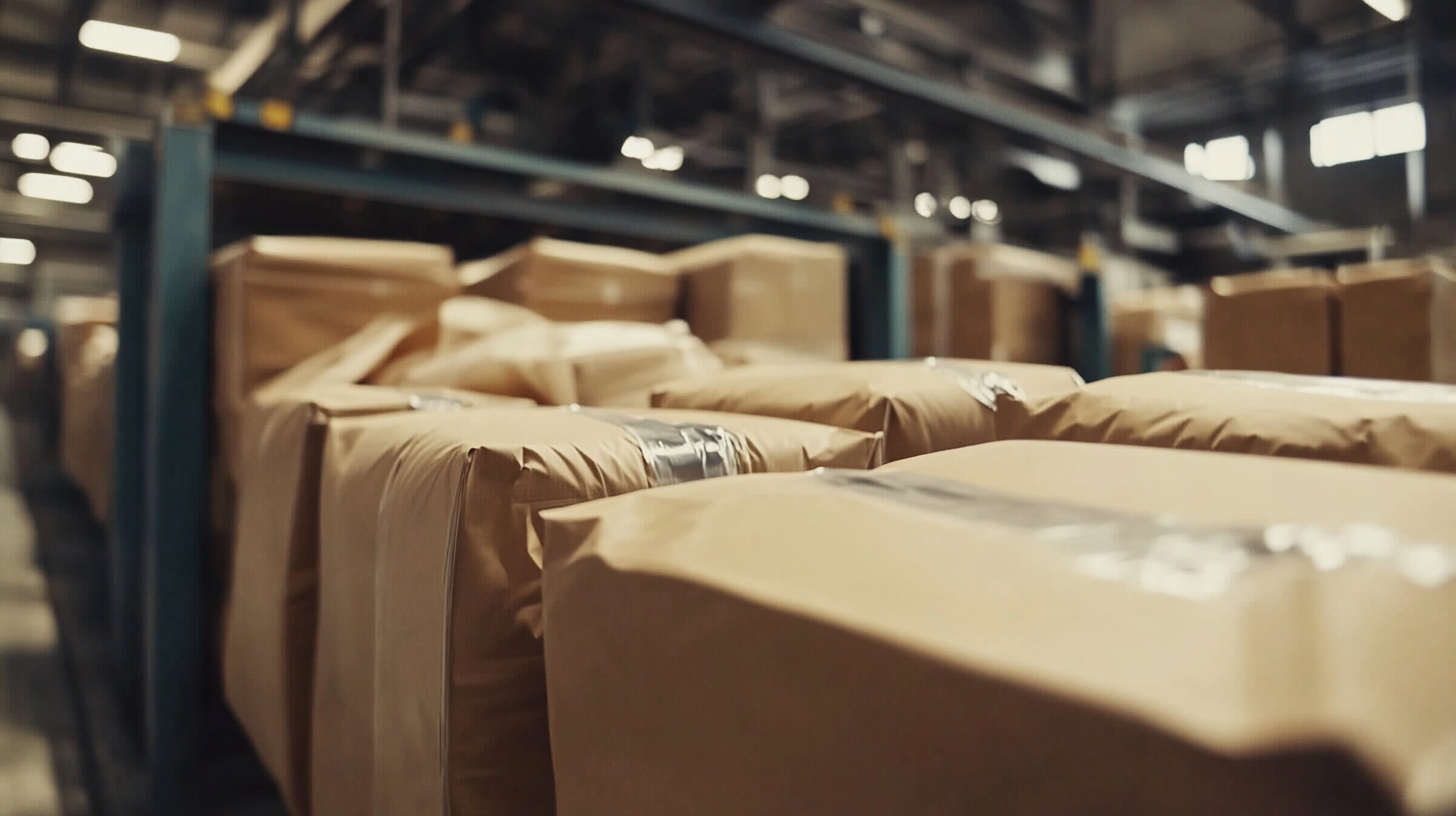
You know, in today’s fast-paced world of global trade, it’s hard to overstate just how important premium large packaging bags have become. As different industries work hard to boost their brand visibility and keep products safe, the demand for top-notch packaging solutions is really taking off. I came across this recent market report from Smithers Pira, and it’s pretty wild—apparently, the flexible packaging market, which includes those Big Packaging Bags, is expected to hit a whopping $300 billion by 2025. It’s all thanks to this growing trend where everyone’s leaning towards more sustainable and convenient packaging options. On that note, let me tell you about Dongguan Huadi Packaging Products Co., Ltd. They’ve been around since 2003 and are really at the cutting edge of this movement. They specialize in offering all kinds of innovative and durable packaging solutions that cater to the unique needs of different industries. With a real commitment to quality and excellence, Huadi is all about helping businesses around the globe by delivering standout packaging products that not only work well but also look good.
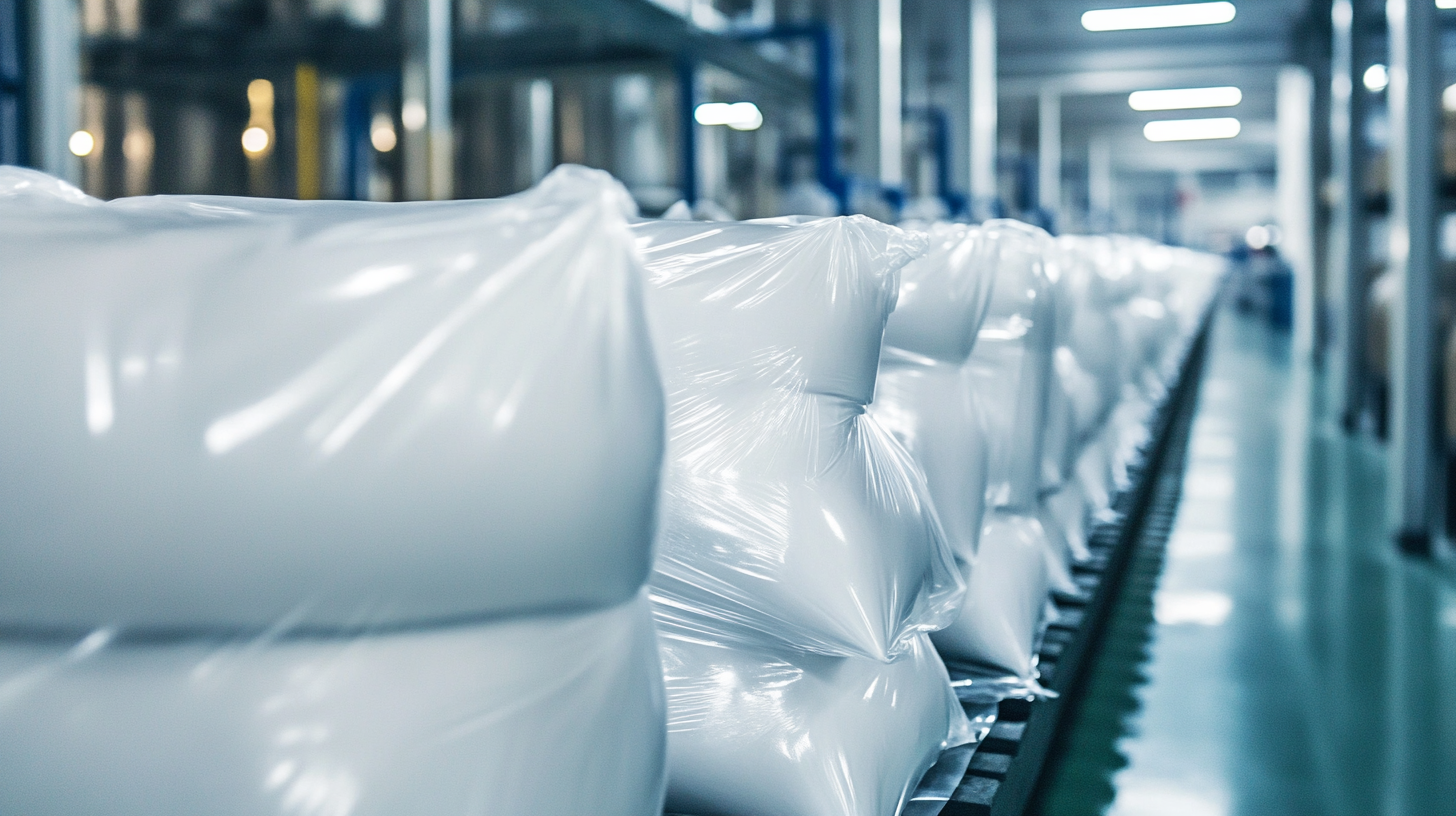
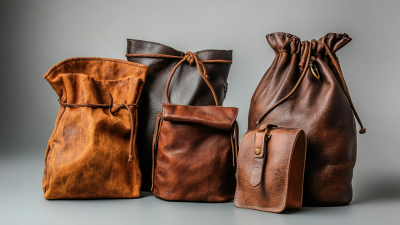
You know, in today’s fast-paced market, those premium large packaging bags have really become a must-have for all kinds of industries. They serve both practical needs and add a nice touch to the overall look. I mean, not only do these bags have enough room for products, but they also help elevate the brand’s image with their sleek designs and great materials. Some of the standout features include being super durable, customizable, and eco-friendly too! You’ll find that sectors like food, retail, and e-commerce really benefit from packaging that keeps products intact while also giving off a vibe of luxury and care.
Here at Dongguan Huadi Packaging Products Co., Ltd., we've been in the game since 2003, and we totally get that different industries have their own unique needs. Our knack for creating top-notch packaging solutions means we make sure each product meets the specific standards of its industry. For instance, our food-grade large packaging bags are made to keep things fresh, while our retail options focus more on looking good and representing the brand well. As we keep pushing the envelope and adapting to changes, we’re fully committed to delivering quality packaging solutions that position us as leaders in the game—ready to meet the diverse needs of our clients.
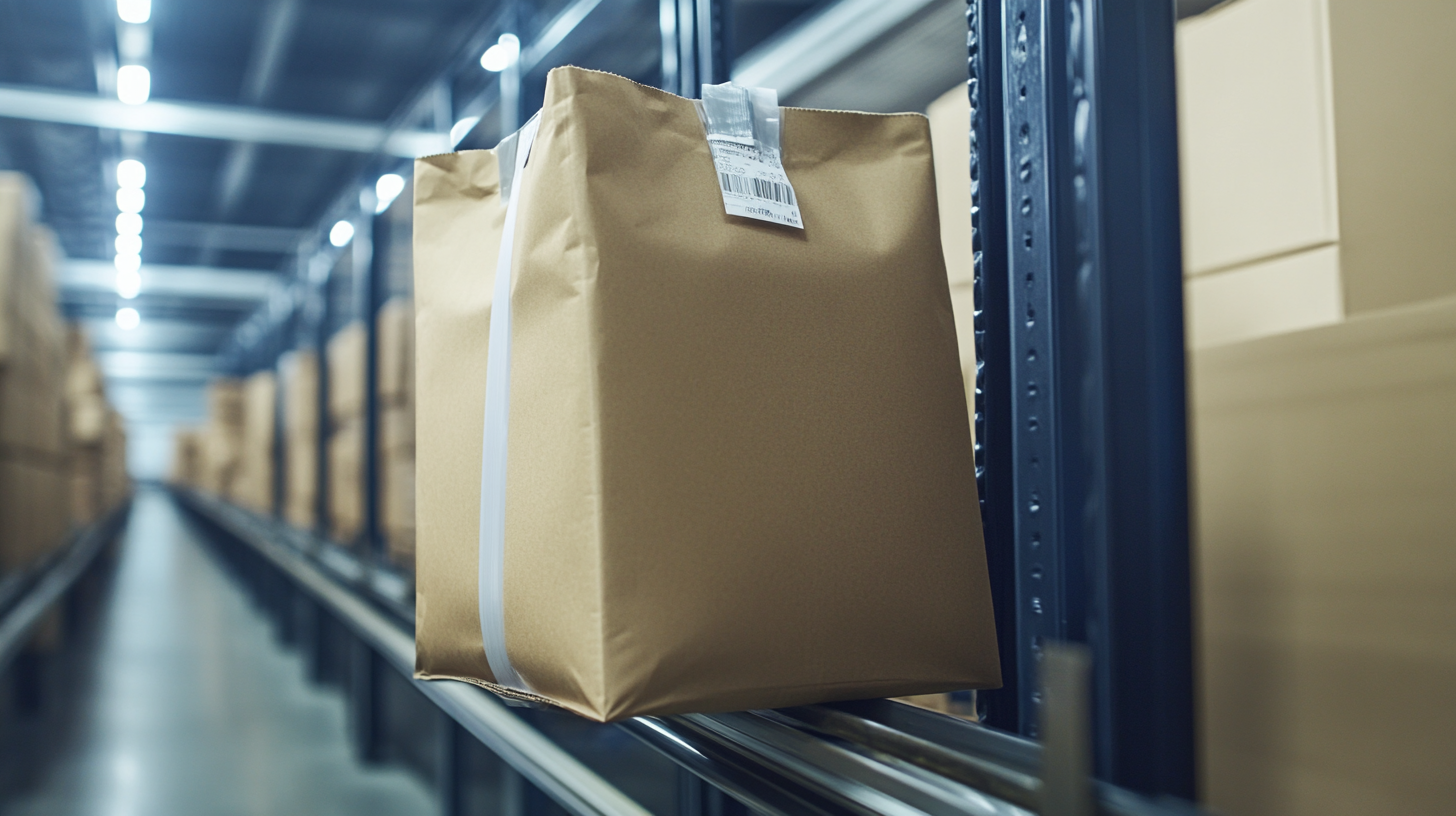
You know, the materials we use in packaging really make a big difference when it comes to the overall quality and how sustainable our products are. With more and more industries making the switch to eco-friendly options, it’s no surprise that consumers are starting to care more about what their packaging is made of. In fact, a recent study showed that about 70% of shoppers actually think about the environmental impact of packaging when they’re buying stuff. This really highlights how much people want brands to offer sustainable packaging options that match their values.
One interesting trend I’ve noticed is the shift towards circular packaging. This kind of packaging focuses on reusing materials to cut down on waste, which is pretty cool. Not only does it help use resources more efficiently, but it also aligns perfectly with what environmentally conscious shoppers are looking for. Take a look at seafood distribution packaging, for example: a detailed life cycle analysis found that switching from those disposable EPS boxes to reusable ones can really lessen the environmental impact. It just goes to show how crucial material choice really is.
**Tip 1:** Seriously take a moment to think about the environmental footprint of your packaging materials. Going for options that can be recycled or composted can really resonate with eco-conscious consumers.
**Tip 2:** Why not explore some cool innovations like bio-based plastics or LIMEX Pellets? They’re catching on because they have a smaller environmental footprint and can be recycled.
By making sustainable material choices a priority in your packaging design, brands can not only boost product quality but also enhance sustainability, which is really what consumers are after these days.
You know, the global premium packaging market is really taking off right now! It's amazing how innovative manufacturers are stepping up to meet this growing demand for top-notch packaging solutions across so many different industries. Just think about it—key players in areas like integrated circuits, hard disk drives, and printed circuit boards (PCBs) are jumping on those advanced packaging technologies. They’re all about making sure their products are safe while also boosting brand visibility.
And let's not forget those premium large packaging bags—they're super durable and versatile, and they’ve become absolutely essential in sectors like automotive, consumer electronics, and telecommunications.
In the healthcare and semiconductor manufacturing sectors, there’s been a real push for quality and compliance lately. This pressure is really driving manufacturers to adopt packaging solutions that meet all those strict industry regulations. And speaking of growth, the flexible packaging machinery market is expected to hit a whopping $8.2 billion worldwide by 2024! That’s a crazy number, and it looks like it’ll keep growing in the years to come.
Tailored packaging options are becoming more important than ever. Plus, take a look at the smart display market! It's projected to jump from $5.78 billion in 2022 to a massive $22.02 billion by 2029, which just goes to show how much we need innovative packaging solutions that keep up with what consumers want and all these tech advancements.
You know, the world of packaging is really something else, constantly changing and keeping us on our toes. A recent study by Smithers Pira points out that the global flexible packaging market is set to hit a whopping $290 billion by 2024! And you can bet it's largely thanks to new materials and that growing push for sustainability among consumers. Companies are really stepping up their game, investing in eco-friendly stuff like biodegradable plastics and recycled materials. Not only does this boost their image, but it also helps them stay on the right side of regulations for sustainability, which is super important these days.
On top of that, customization is totally shaking things up in the large packaging scene. According to a report from Grand View Research, there’s a projected annual growth rate of about 5.4% for customized packaging solutions from 2021 to 2028. It’s interesting to see how all kinds of industries – from food to personal care – are jumping on the bespoke design bandwagon. They want their packaging to truly reflect their brand identity while also offering practical benefits like better protection and convenience. Just think about it: using bright colors and funky shapes for large bags doesn't just grab people's attention; it also helps convey what a brand stands for. It really shows that packaging isn't just an afterthought; it's a key part of marketing these days.
The growing trend of large packaging bags across various industries highlights their effectiveness in not just ensuring product safety but also enhancing brand visibility. Case studies from sectors like food, cosmetics, and agriculture illustrate the successful implementation of premium large packaging bags. For instance, a report by Smithers Pira indicates that the flexible packaging market is projected to reach $280 billion by 2025, primarily driven by the demand for sustainable and efficient packaging solutions. Companies in the food sector, such as coffee brands, have adopted large stand-up pouches, which not only maintain the freshness of their products but also provide ample surface area for eye-catching graphics, leading to a reported sales increase of 15%.
In the cosmetics industry, brands like L'Oréal have pivoted towards large packaging formats to mitigate plastic use while maintaining a premium feel. According to a study by Freedonia Group, the demand for flexible packaging in the personal care sector is expected to grow by 4.1% annually through 2024. This shift is evident through the successful usage of large packaging bags, which allow brands to minimize packaging while attracting environmentally conscious consumers. As these case studies demonstrate, premium large packaging bags are not merely a trend, but a strategic choice across various industries, driving growth and sustainability simultaneously.
You know, the world of premium packaging is changing really fast these days. It’s not just about looking good anymore; it’s also a lot about keeping the planet healthy! More and more companies are jumping on the sustainable materials bandwagon. Think biodegradable plastics and plant-based fabrics. They’re not just a trend; they’re becoming the norm! It’s like we’re all on this mission to cut down our ecological footprints while still keeping things luxe and eye-catching. And looking ahead, I wouldn’t be surprised if we start seeing smart packaging that can tell us when our products are fresh or even throw in some augmented reality features. How cool would that be? It’s all about making the shopping experience more interactive for folks.
And here's the kicker—customization is truly going to be a game-changer for premium packaging. Brands are beginning to realize that personalized packaging can really resonate with people. This could mean custom designs or even something that lets customers share their own content right on the package. As brands try to weave more compelling stories around their products, packaging is becoming a vital part of that narrative. So, if businesses invest in those high-end large packaging bags that embrace these innovations, they won’t just meet what today’s consumers are looking for—they’ll also boost their brand image in this cutthroat market.
| Industry | Material | Bag Type | Capacity (Liters) | Sustainability Features | Future Trends |
|---|---|---|---|---|---|
| Food & Beverages | Biodegradable Plastics | Stand-Up Pouch | 5 | Compostable Materials | Smart Packaging Technologies |
| Cosmetics | Recycled Paper | Luxury Gift Bag | 3 | Sustainable Sourcing | Minimalist Design Trends |
| Fashion | Canvas and Cotton | Tote Bag | 10 | Eco-Friendly Dyes | Customizable Options |
| Electronics | Foamed Polyethylene | Die-Cut Handle Bag | 15 | Recyclable Materials | Integration of Tech Elements |
| Home Goods | Laminated Kraft Paper | Flat Bottom Bag | 8 | Biodegradable Coatings | Smart Packaging Features |
: Key features include durability, customization options, and eco-friendliness, which cater to diverse industry needs while enhancing the brand's image.
The company specializes in crafting high-quality packaging solutions tailored to meet specific industry standards, ensuring product integrity and visual appeal.
The material choice affects the overall quality, sustainability, and environmental impact of the packaging, influencing consumers' purchasing decisions.
Recyclable, compostable materials, biodegradable plastics, and plant-based fabrics are gaining popularity as brands seek to minimize ecological footprints.
Brands can evaluate and choose packaging materials that are recyclable or compostable, reflecting an environmental commitment that resonates with consumers.
Future developments are expected to include smart packaging technologies and customization options that enhance user engagement and align with consumer values.
Circular packaging emphasizes repurposing materials to reduce waste, improving resource efficiency while meeting the preferences of environmentally aware consumers.
Customization in packaging can resonate with individual customer identities, enhancing brand perception and creating compelling narratives around products.
A study indicates that 70% of shoppers consider the environmental impact of packaging in their purchasing decisions, highlighting the importance of sustainable options.
Packaging is an essential medium for storytelling, allowing brands to create compelling narratives and connect with consumers on deeper levels through tailored designs.