


Products News










Raw Material Volatility & Cost Strategies for Composite Packaging Supply Chains in Next 5 Years
2026-07-26
1. Root Causes of Continuous Raw Material Volatility for Composite Packaging

- PE, PP, PET, nylon prices are closely linked to crude oil and petrochemical supply chain geopolitical disturbances.
- Supply imbalance of special functional materials: EVOH, barrier coatings and certified PCR resins face tight global supply, maintaining persistent price premiums.
- Regional carbon taxes and green policy differences widen raw material price gaps between Europe, Asia and North America.
2. Short-Term Tactics to Mitigate Raw Material Cost Risks
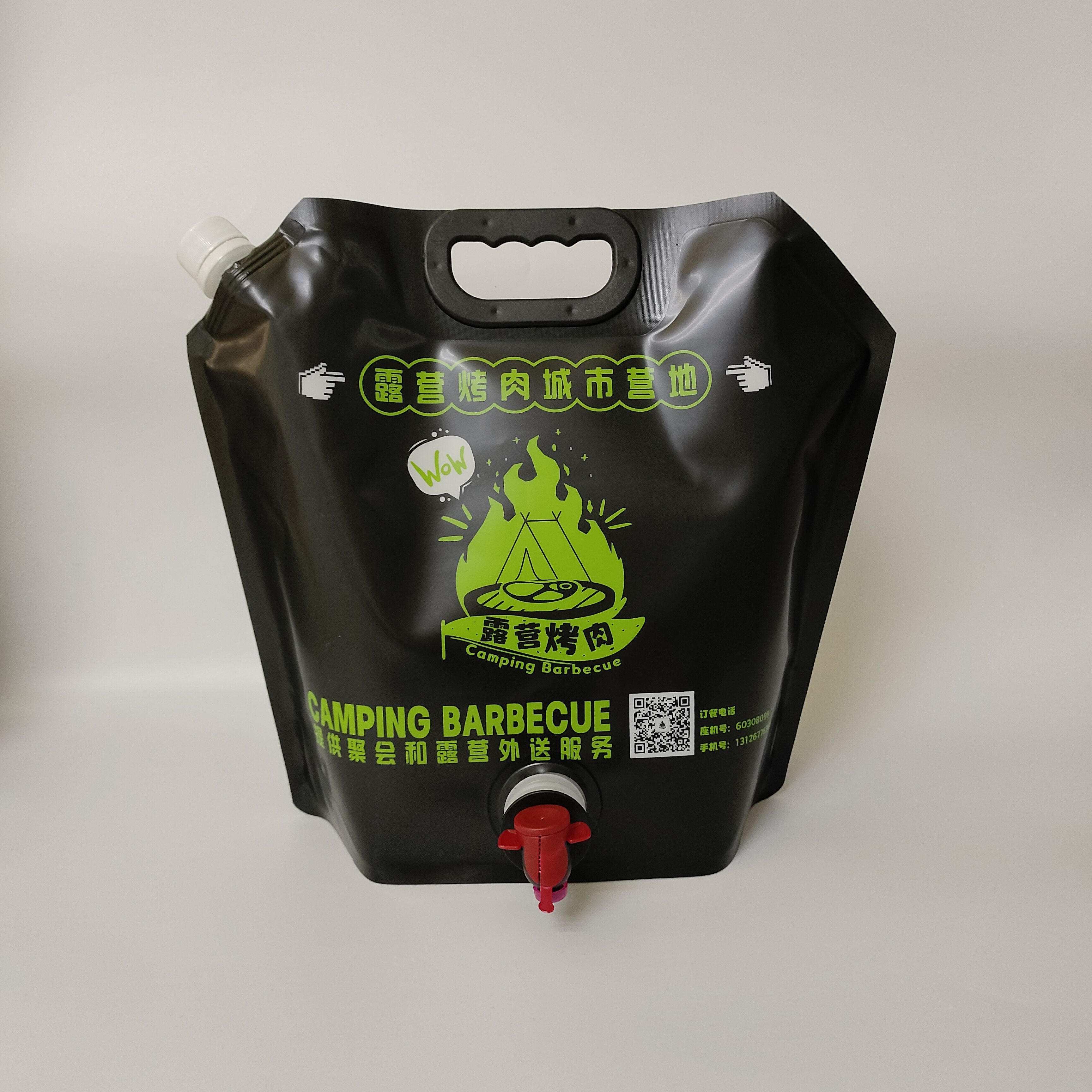
- Establish long-term framework supply contracts with multiple film suppliers to lock pricing and avoid blind bulk stockpiling during price spikes.
- Optimize composite film thickness specifications; stop over-engineering material structures to cut unnecessary raw material consumption.
- Classify orders by priority, adjust production scheduling to concentrate orders and reduce frequent material switching waste.
3. Medium & Long-Term Supply Chain Cost Layout Strategies (2026–2030)
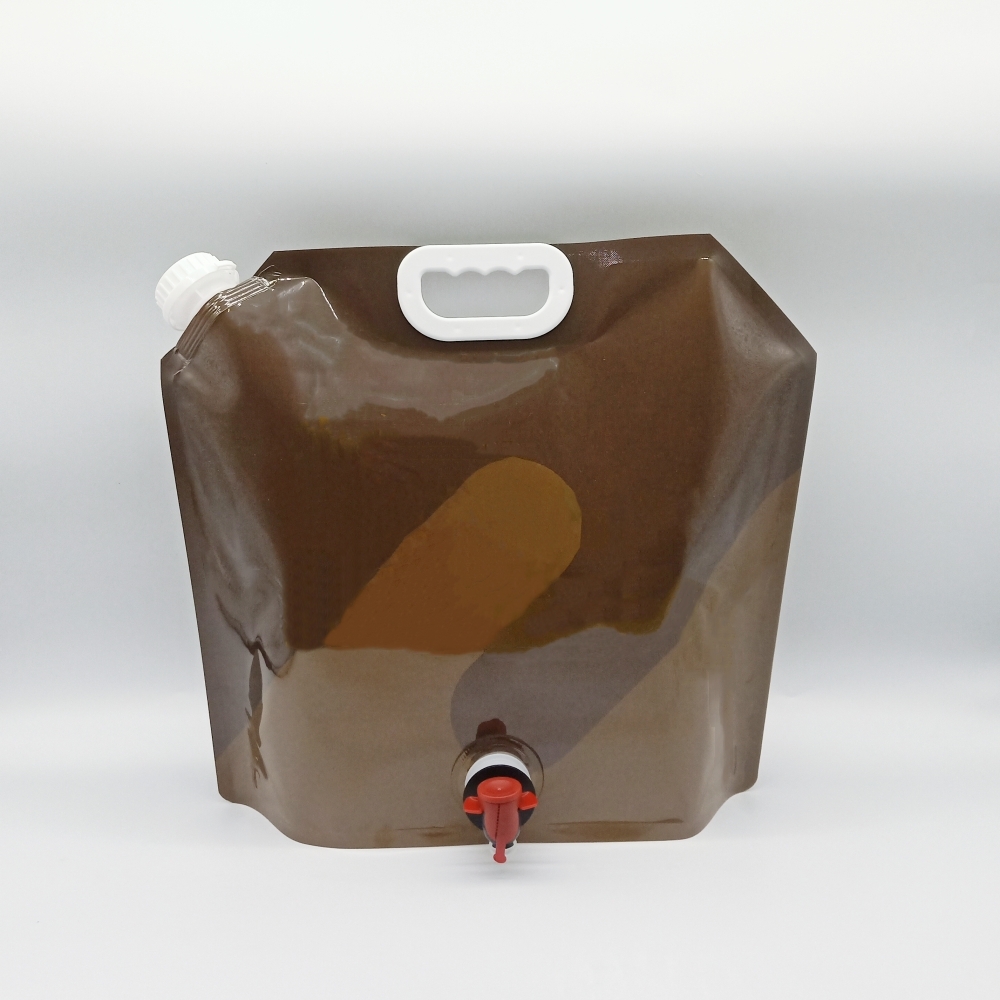
- Gradually shift product mix toward mono-material composite structures, reducing dependence on multiple different raw materials.
- Increase the proportion of PCR recycled films to stabilize costs and satisfy overseas buyer sustainability requirements simultaneously.
- Develop standardized composite Pouch Sizes to eliminate custom film development fees and improve raw material utilization efficiency.
Conclusion & FAQ
Raw material volatility will persist over the next five years. Composite packaging enterprises must combine short-term purchasing tactics and long-term product structure adjustment to stabilize gross profit margins amid market fluctuations.