


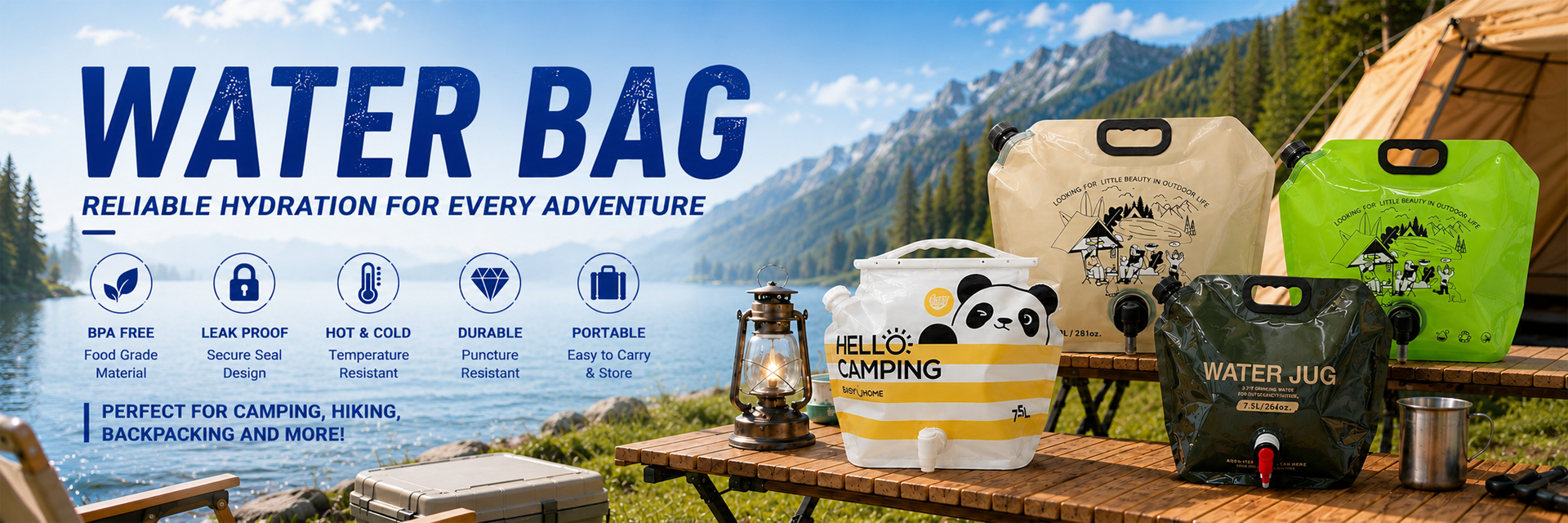
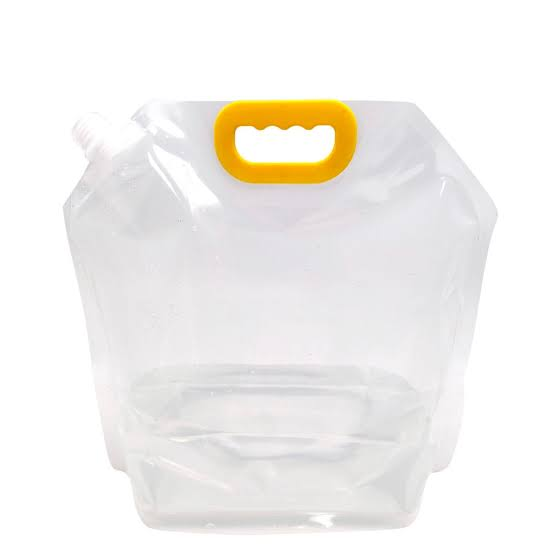
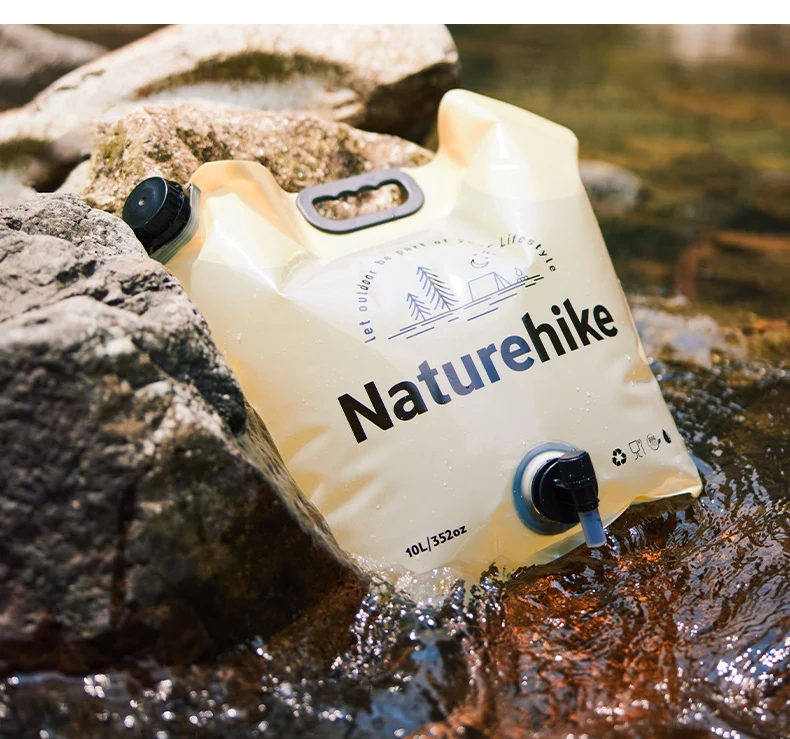
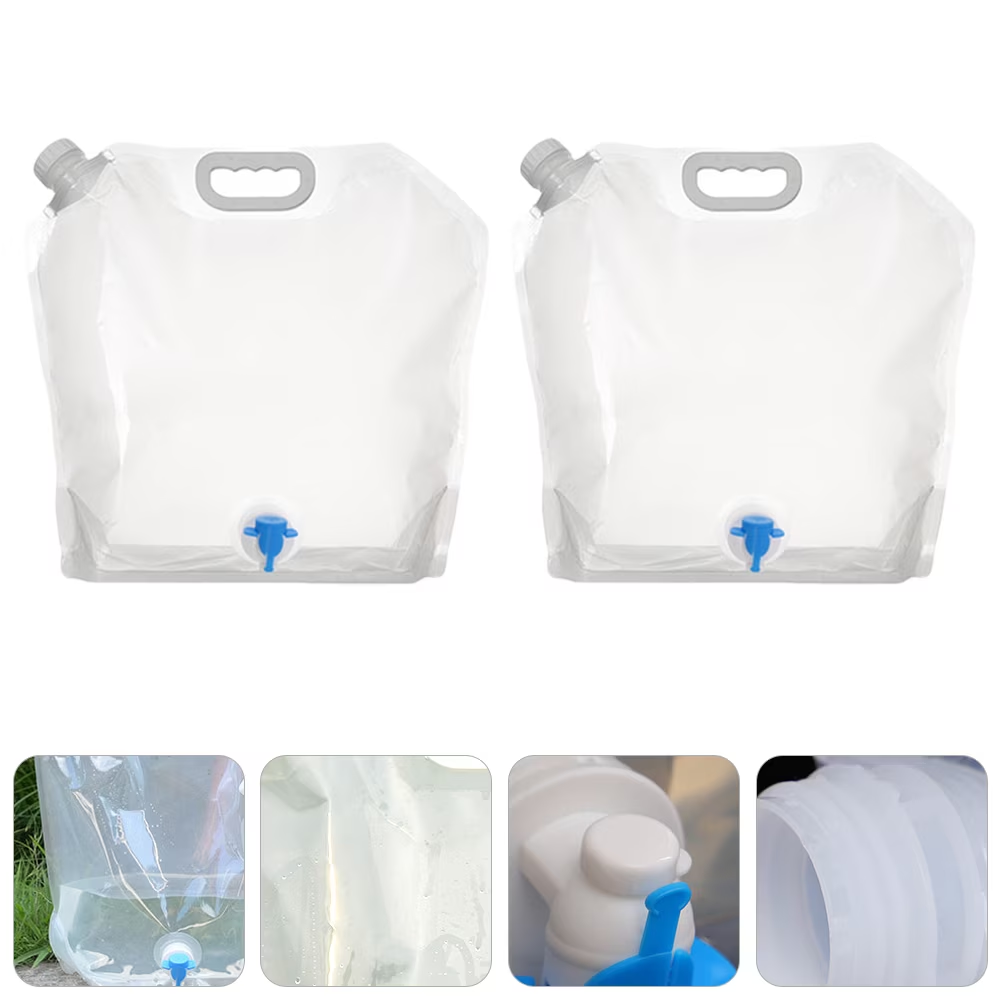

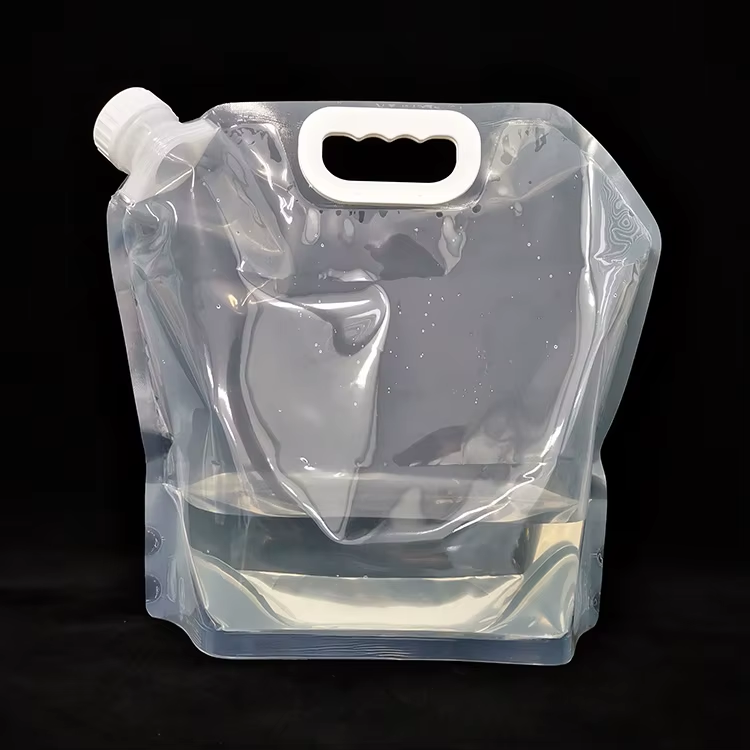
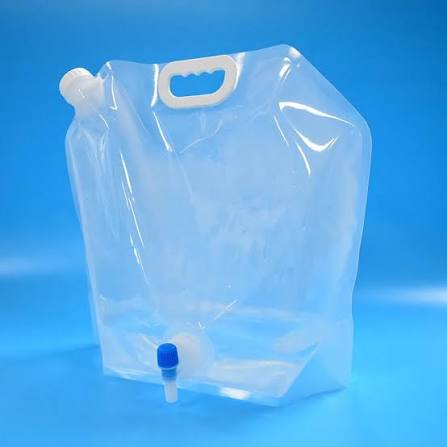
Key benefits of bag in box composite packaging for bulk liquid transport and retail use
2026-07-29
1. Logistics & Transport Advantages for Bulk Liquid Shipment
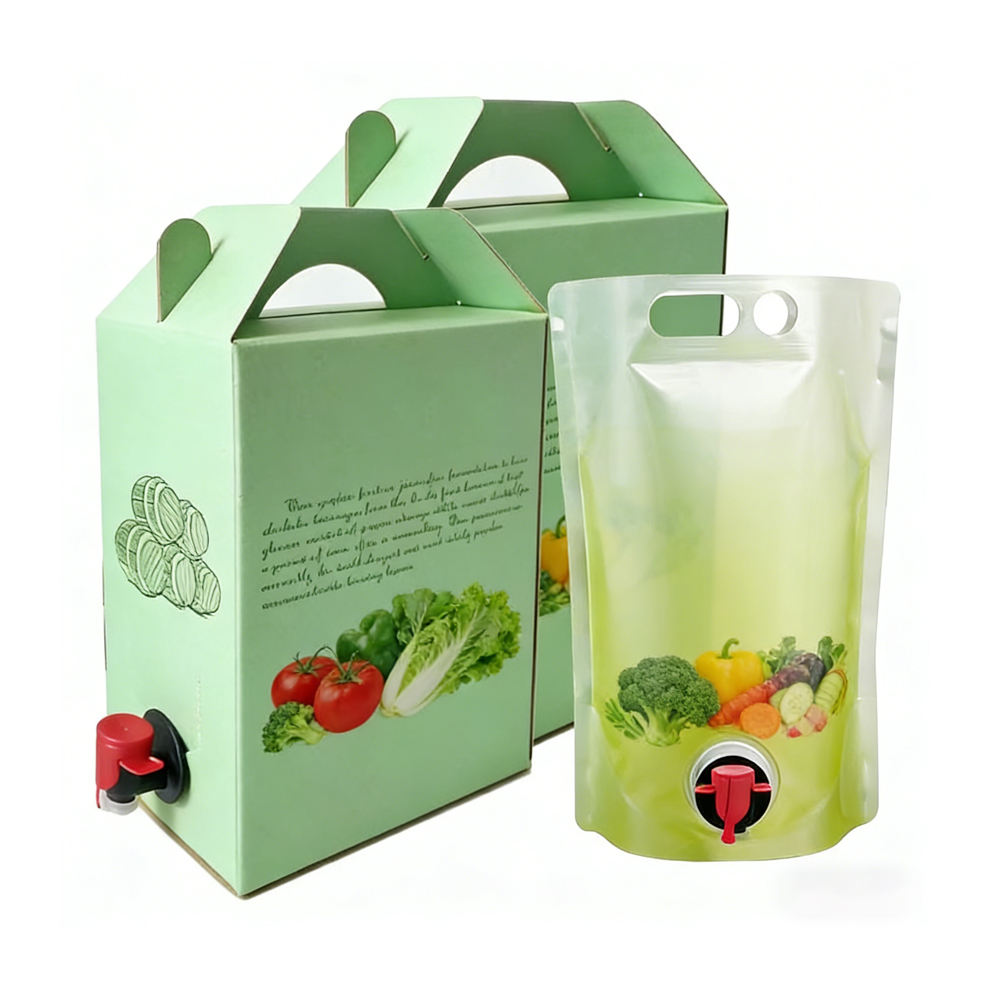
- Weight reduction: composite BIB is far lighter than rigid containers, lowering ocean and road freight expenses; Empty Bags can be flat-packed to cut warehouse storage occupancy.
- Anti-breakage performance: flexible composite liners eliminate breakage risks of glass bottles during long-distance transit, reducing product loss and cleaning costs.
- Progressive collapsing design: the inner bag shrinks continuously as liquid is discharged, minimizing trapped air contact and slowing liquid oxidation during multi-day transit.
2. Operational & Commercial Benefits for Retail & Foodservice End Users
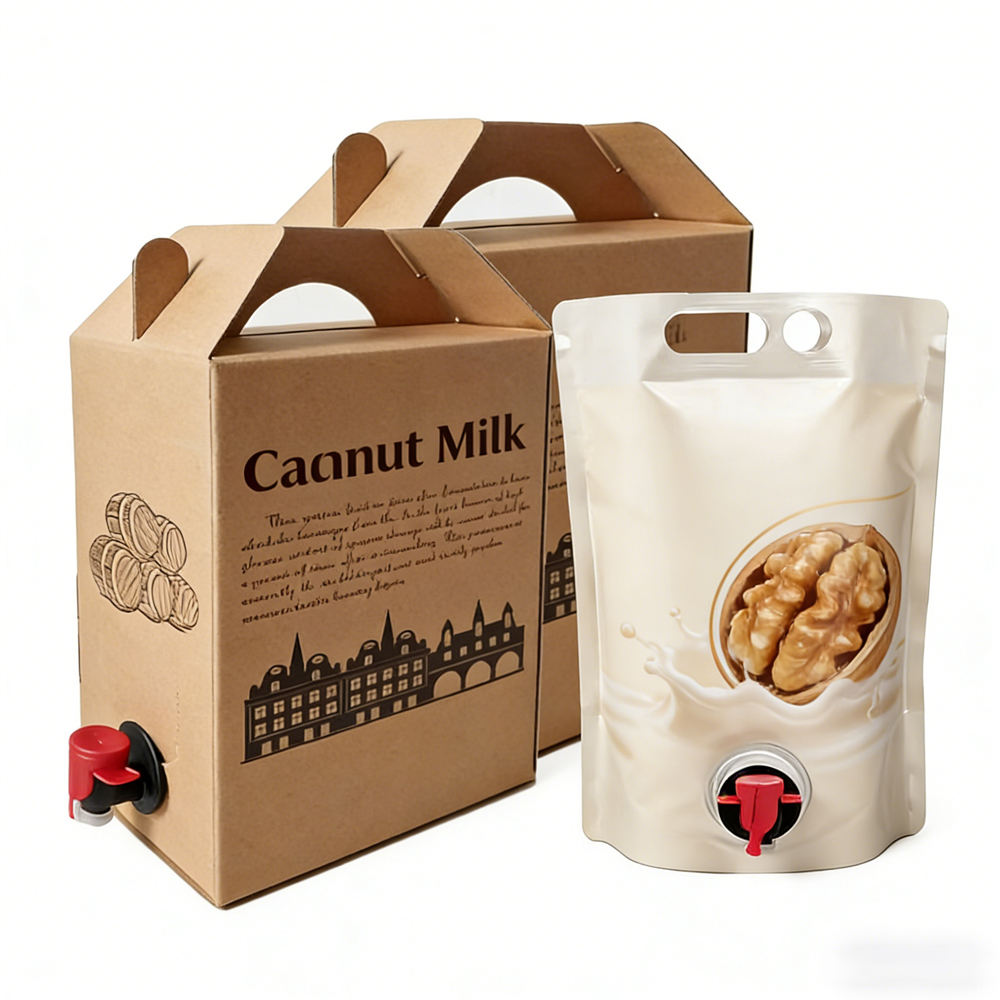
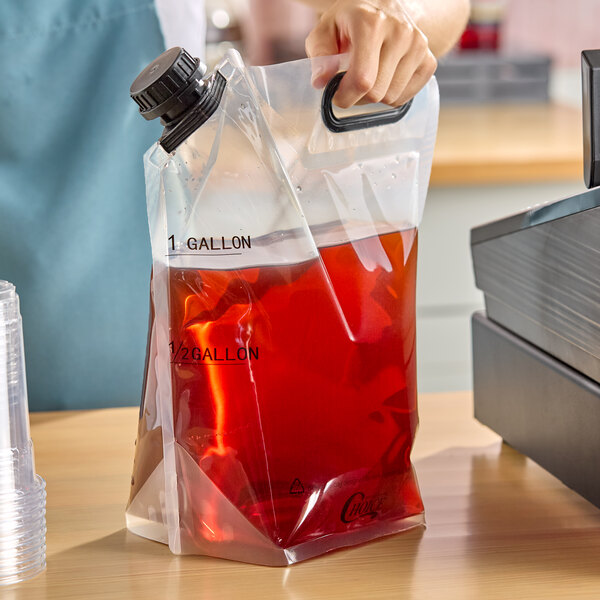
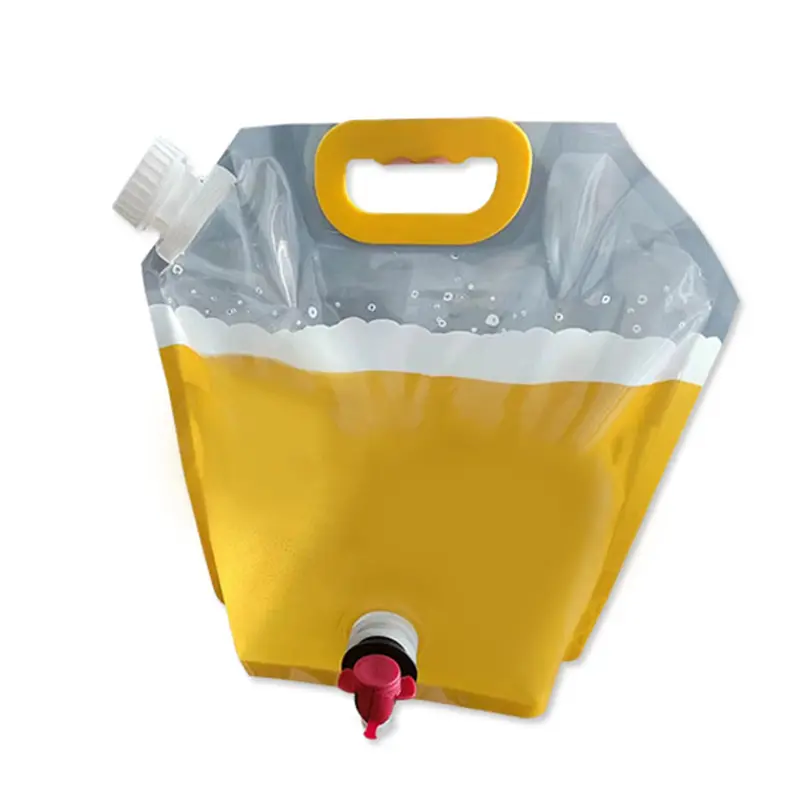
- Convenient controlled dispensing: matched taps enable clean, portioned pouring without messy spillage, ideal for catering, beverage shops and retail refill programs.
- Flexible capacity range: support small retail 3L–5L sizes and large foodservice 10L–20L specifications to cover multiple sales channels.
- Brand customization space: composite surfaces support digital or gravure printing for branding, while outer cartons enable shelf display to attract retail consumers.
3. Long-Term Cost & Sustainability Benefits Over Traditional Packaging
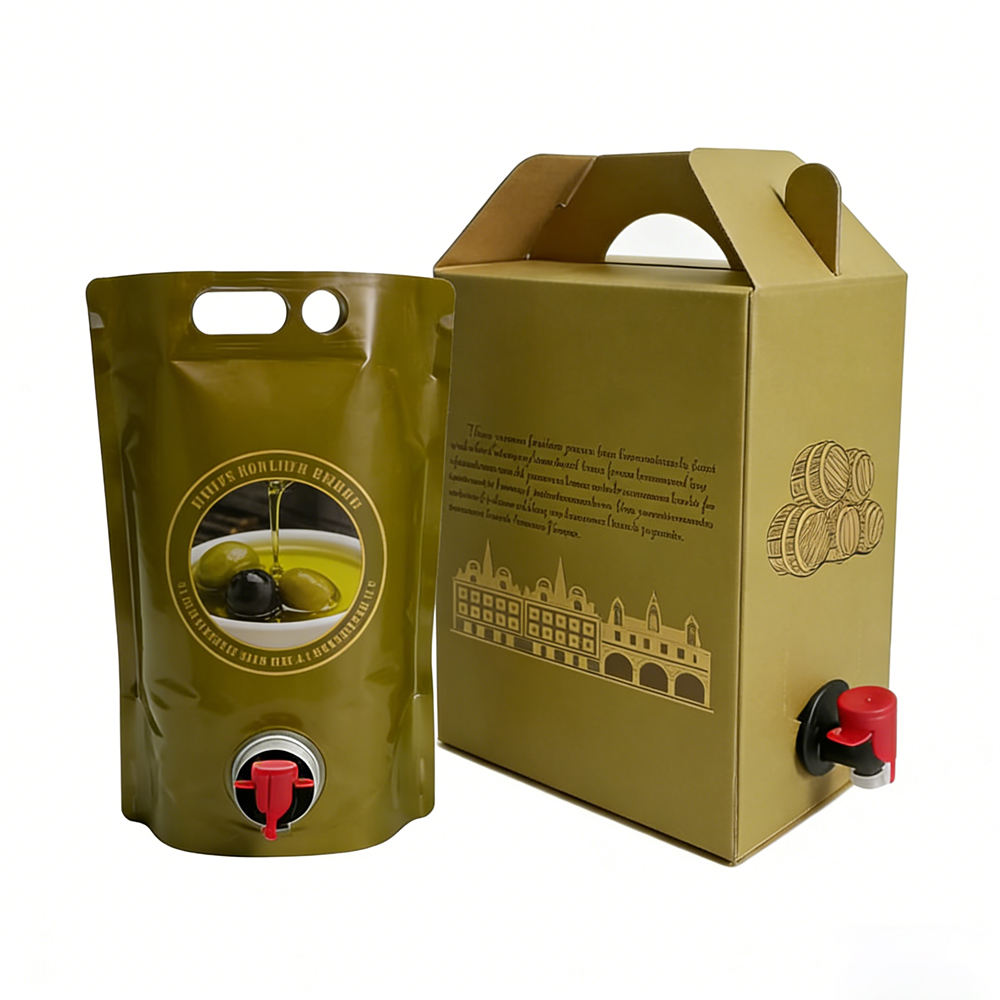
- Lower total packaging cost: compare unit cost, freight loss and waste treatment expenses versus rigid drums and glass packaging; BIB delivers clear TCO advantages for bulk liquid.
- Waste reduction: only the composite liner needs disposal after use; outer cartons can be recycled repeatedly, generating less solid waste.
- Adaptability to circular economy trends: recyclable mono-material composite variants are available to meet EU PPWR requirements for export brands.
Conclusion & FAQ
Composite bag-in-box packaging combines logistics efficiency, retail usability and economic benefits. It becomes a preferred bulk Liquid Packaging solution for export beverage and edible oil brands.