


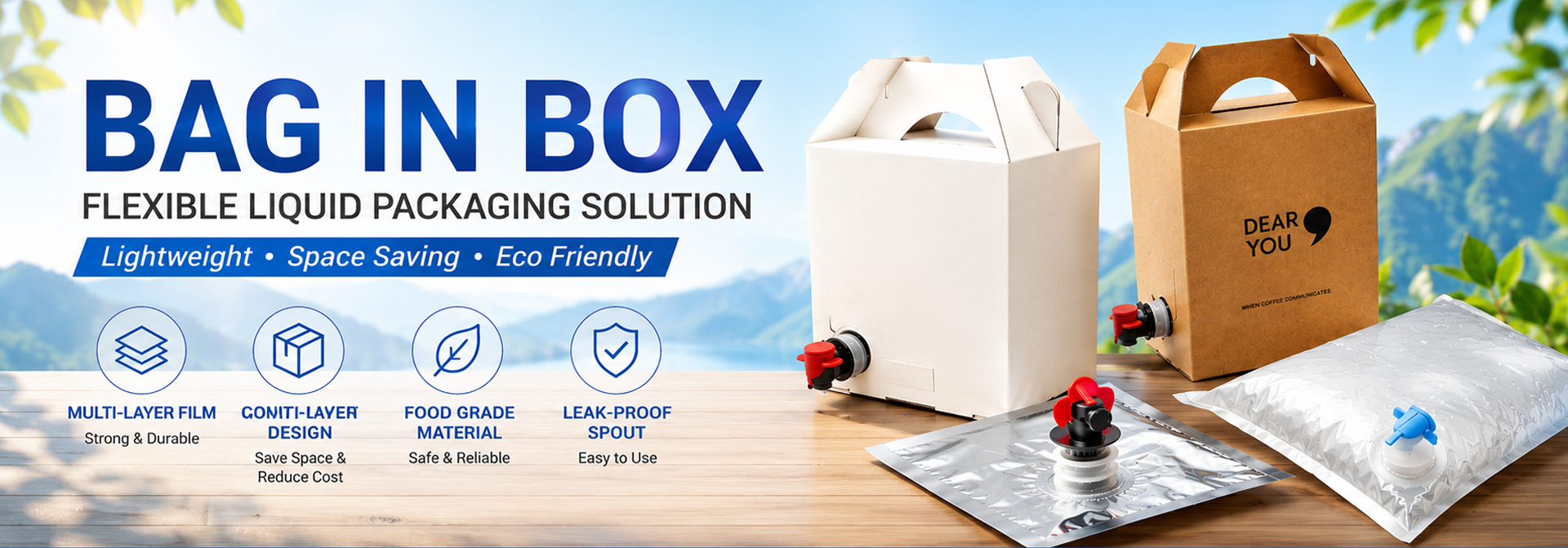
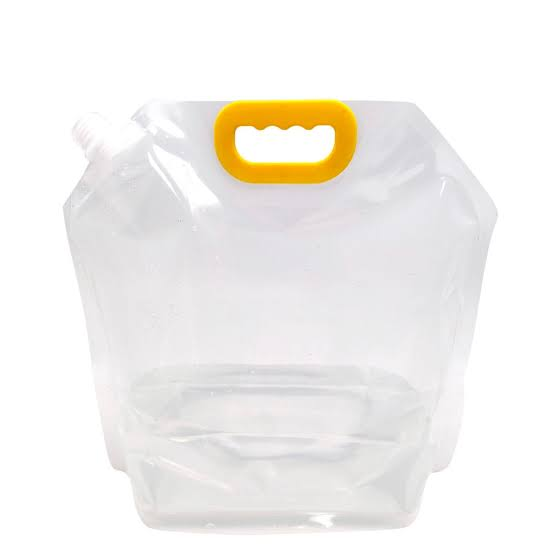
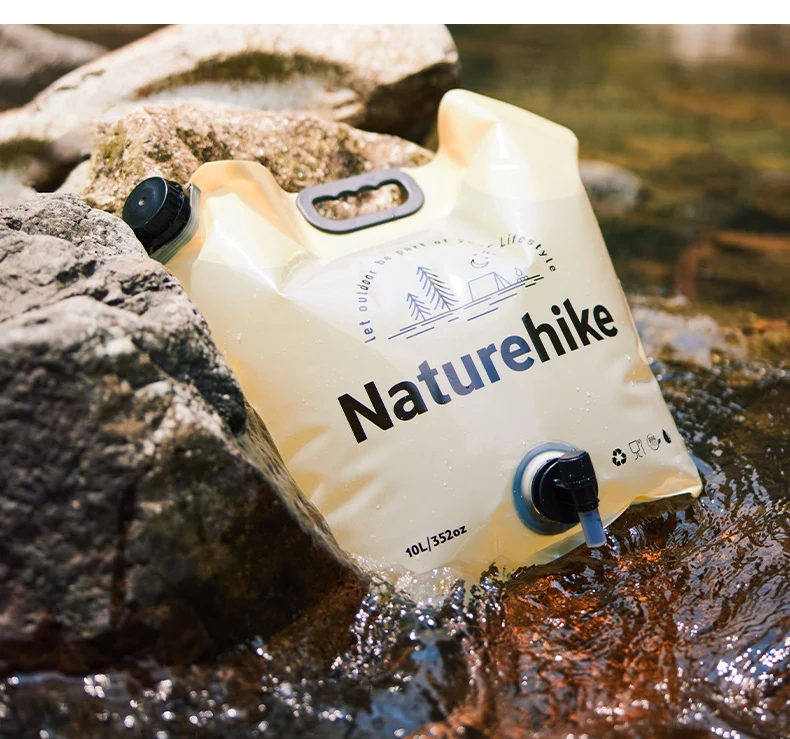
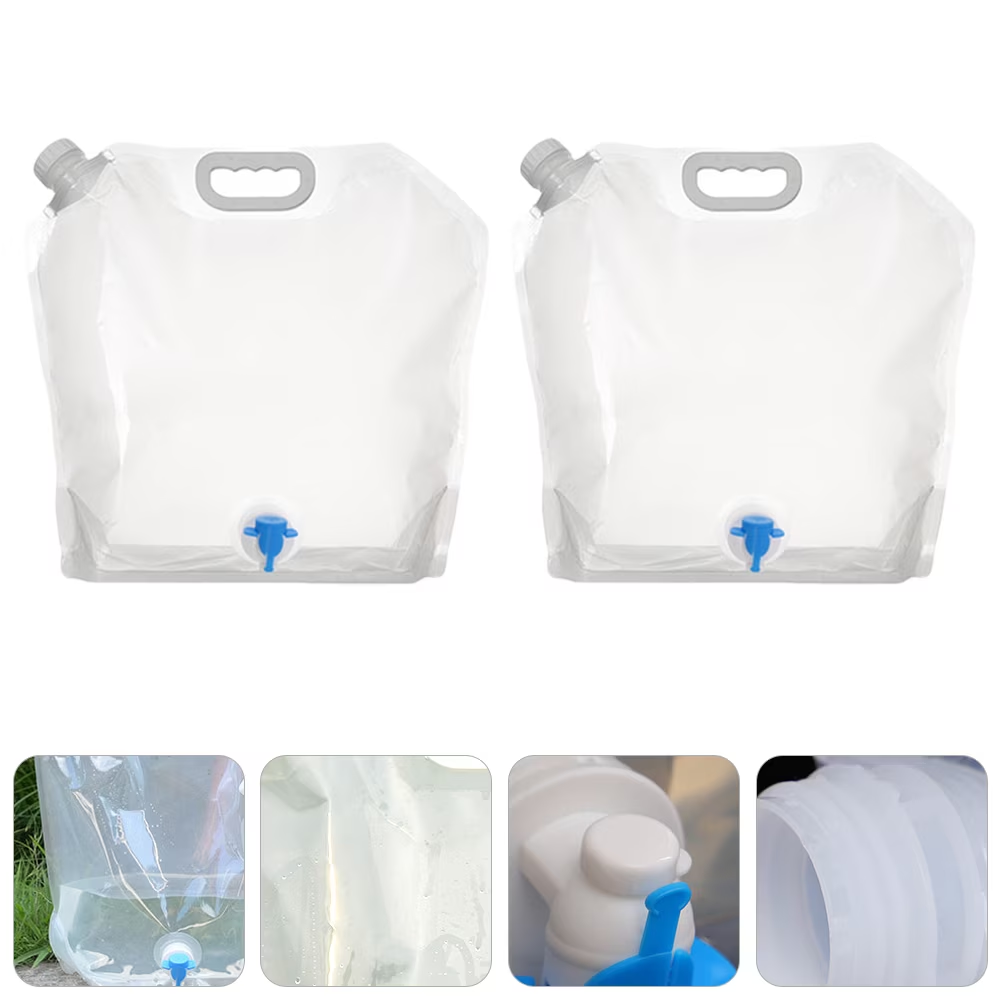
How to pick food grade bag in box composite packaging bags for liquid beverage storage
2026-07-28
1. Define Beverage Characteristics to Confirm Required Composite Performance

- Analyze liquid properties first: acidity level, fat content, filling method (hot fill / aseptic fill) and target shelf life determine laminate selection.
- High-acid beverages (citrus juice): require acid-resistant inner sealant layers to avoid composite delamination and substance migration.
- Oxidation-sensitive liquids (wine, fruit concentrate): demand high OTR barrier composite structures; transparent EVOH or opaque aluminum foil laminates are optional according to light exposure risks.
- Distinguish ambient storage and refrigerated storage scenarios to avoid over-specification and unnecessary material cost increases.
2. Core Criteria to Verify Genuine Food-Grade Composite BIB Liners

- Mandatory food contact certifications: FDA 21 CFR for US market, EU 10/2011 and PFAS-free statements for European export; reject suppliers offering only verbal “food safe” claims without lab reports.
- Lamination production standard: solvent-free adhesive is required for food-grade beverage liners; solvent-based glue poses residual risks and cannot be used for long-term liquid immersion.
- Raw material inspection: confirm inner food-contact layer is BPA-free; avoid recycled mixed plastics that may bring unknown heavy metal migration risks.
3. Practical Pre-Order Test & Supplier Selection Checklist

- Request sample simulation testing: long-period liquid immersion test, heat seal stability test and transportation vibration simulation to detect hidden micro-leaks.
- Match valve / spout compatibility: confirm the welding layer of composite liner fits designated taps to prevent separation at fitting joints.
- Standardize written technical agreements: clarify material structure, test indicators and liability clauses for non-compliant batches to reduce after-sales loss risks.
Conclusion & FAQ
Correct selection of food-grade bag-in-box composite liners relies on matching material performance to beverage traits and verifying complete food safety certifications. Standardized pre-order testing effectively avoids contamination and spoilage risks for liquid beverage storage.