


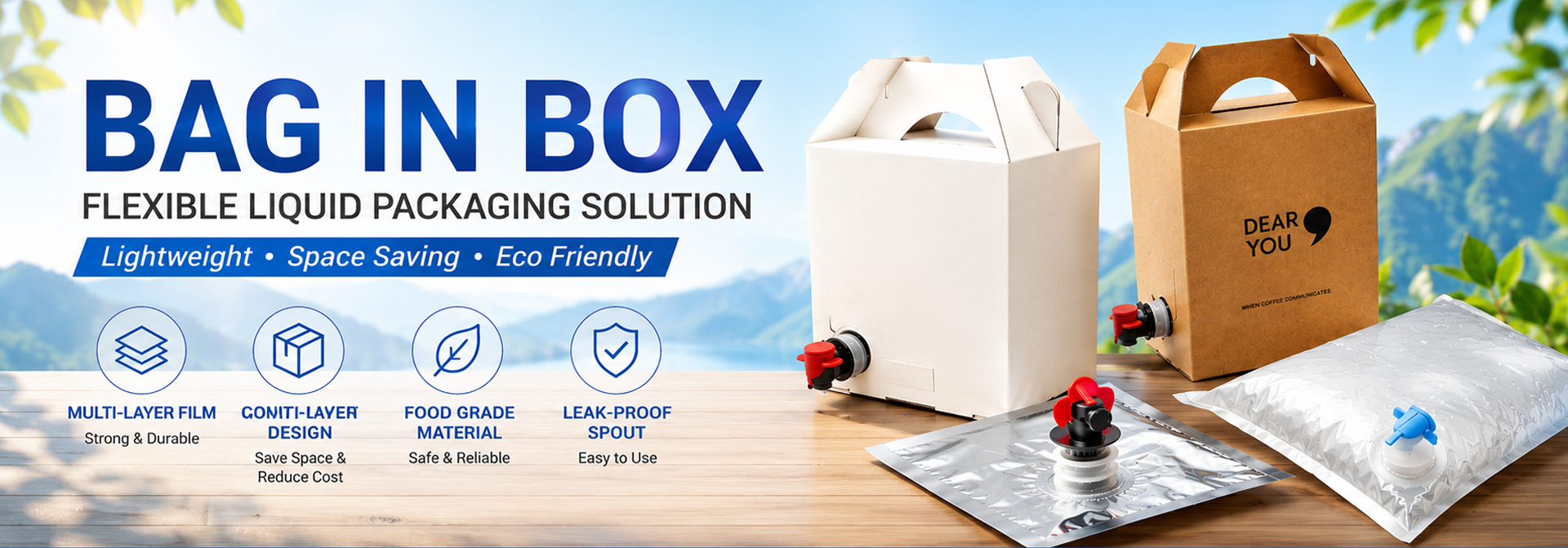
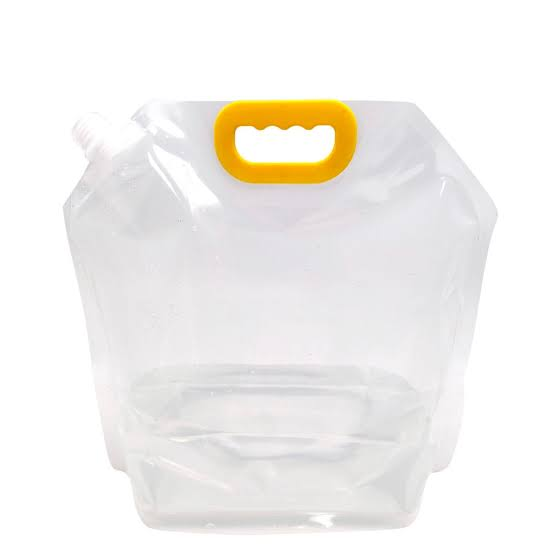
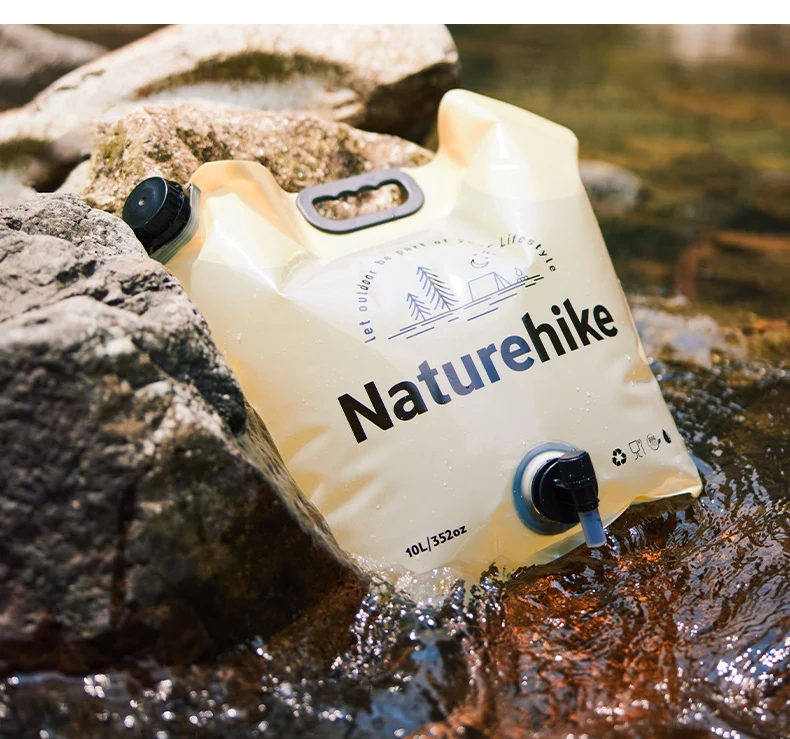
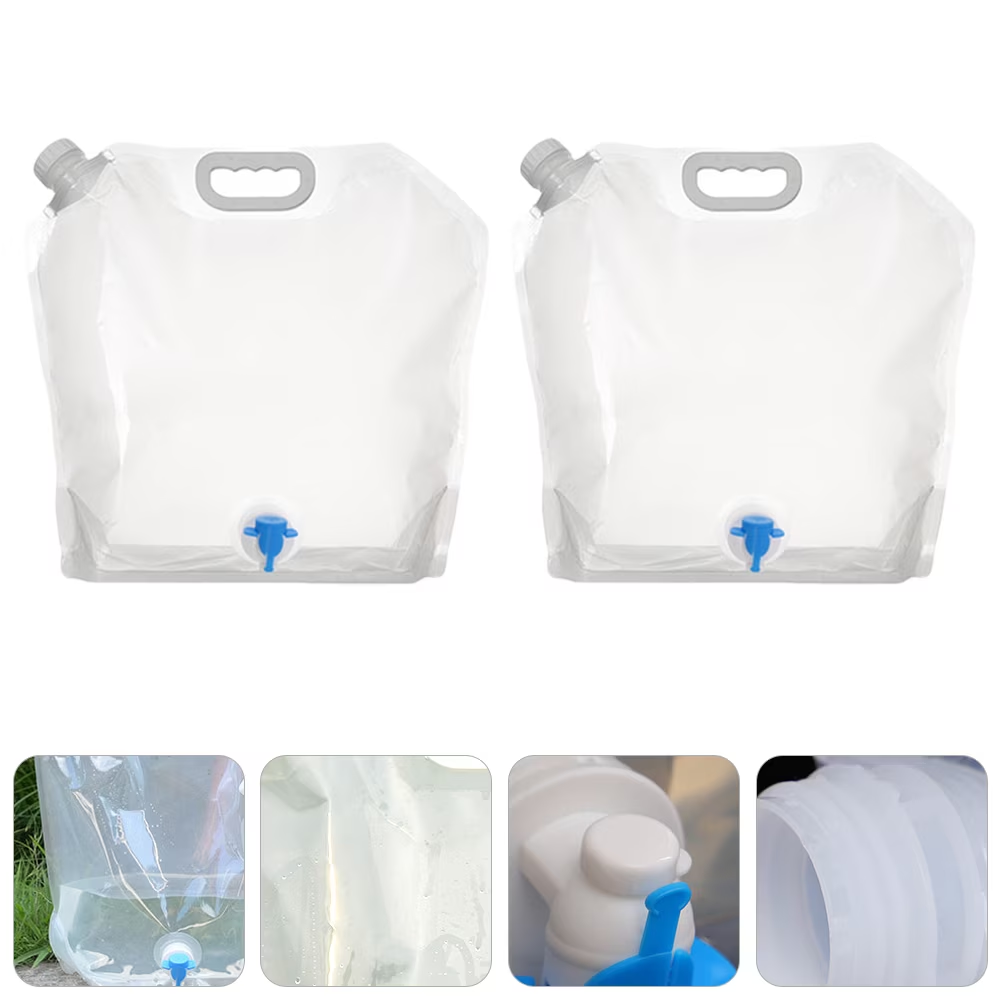
Custom bag in box composite packaging: material selection and valve type introduction
2026-07-30
1. Classification & Application Scope of Common BIB Composite Materials
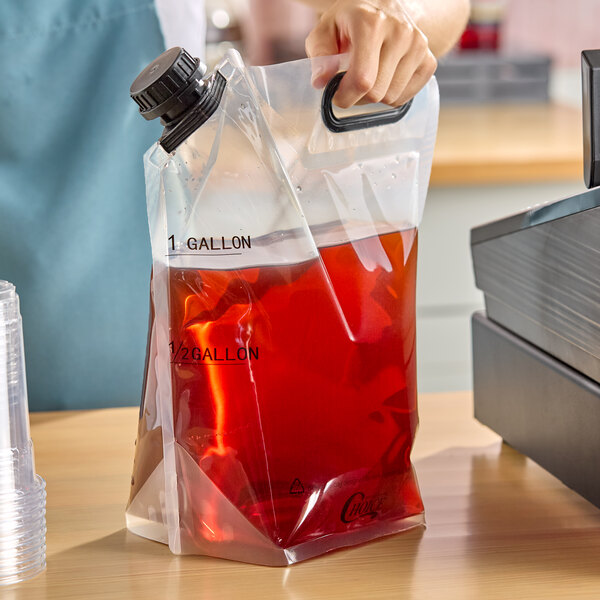
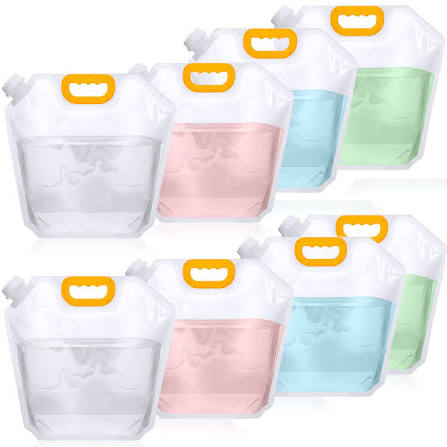
- Transparent composite structures (PE/EVOH): moderate oxygen barrier, allows visual liquid inspection, suitable for short-shelf-life juice, syrup and edible oil.
- Aluminum foil composite laminates (PET/AL/PE): ultimate barrier against oxygen and light, for long-term ambient storage of oxidation-sensitive liquids like wine and fruit puree.
- PA-reinforced composite variants: improve puncture and flex-crack resistance, perfect for rough transport and large-capacity bulk liquid containers.
2. Mainstream Valve / Tap Types, Structures & Suitable Application Scenarios
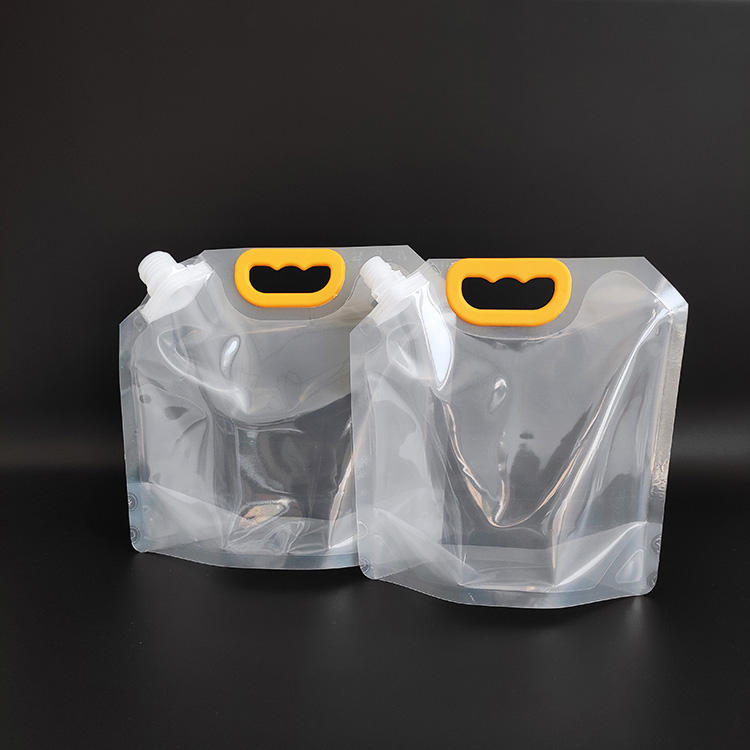
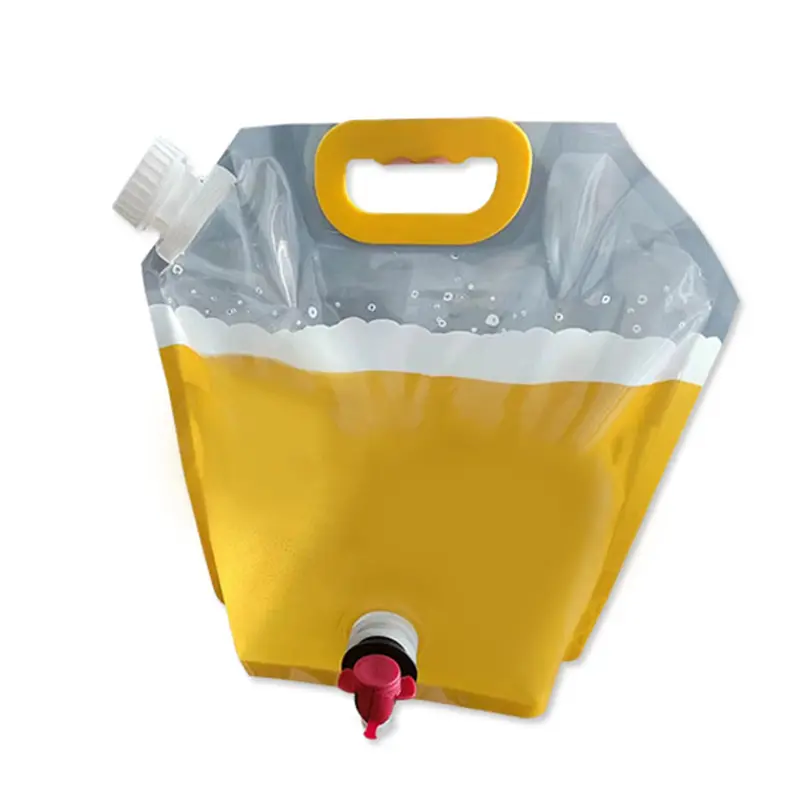
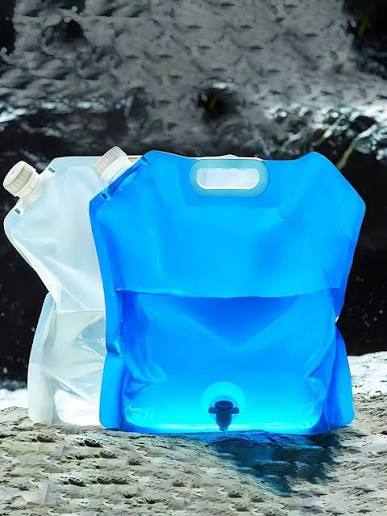
- Standard plastic dispensing tap: low cost, widely used for edible oil, beverage concentrate and general foodservice liquids.
- Aseptic sterile spout: dedicated for aseptic filling production lines, equipped with tamper-evident caps to avoid secondary microbial contamination.
- Large-bore industrial tap: high flow rate for fast discharge of high-viscosity liquids such as thick syrup and fruit pulp.
3. Critical Matching Rules Between Composite Liner and Valve Selection
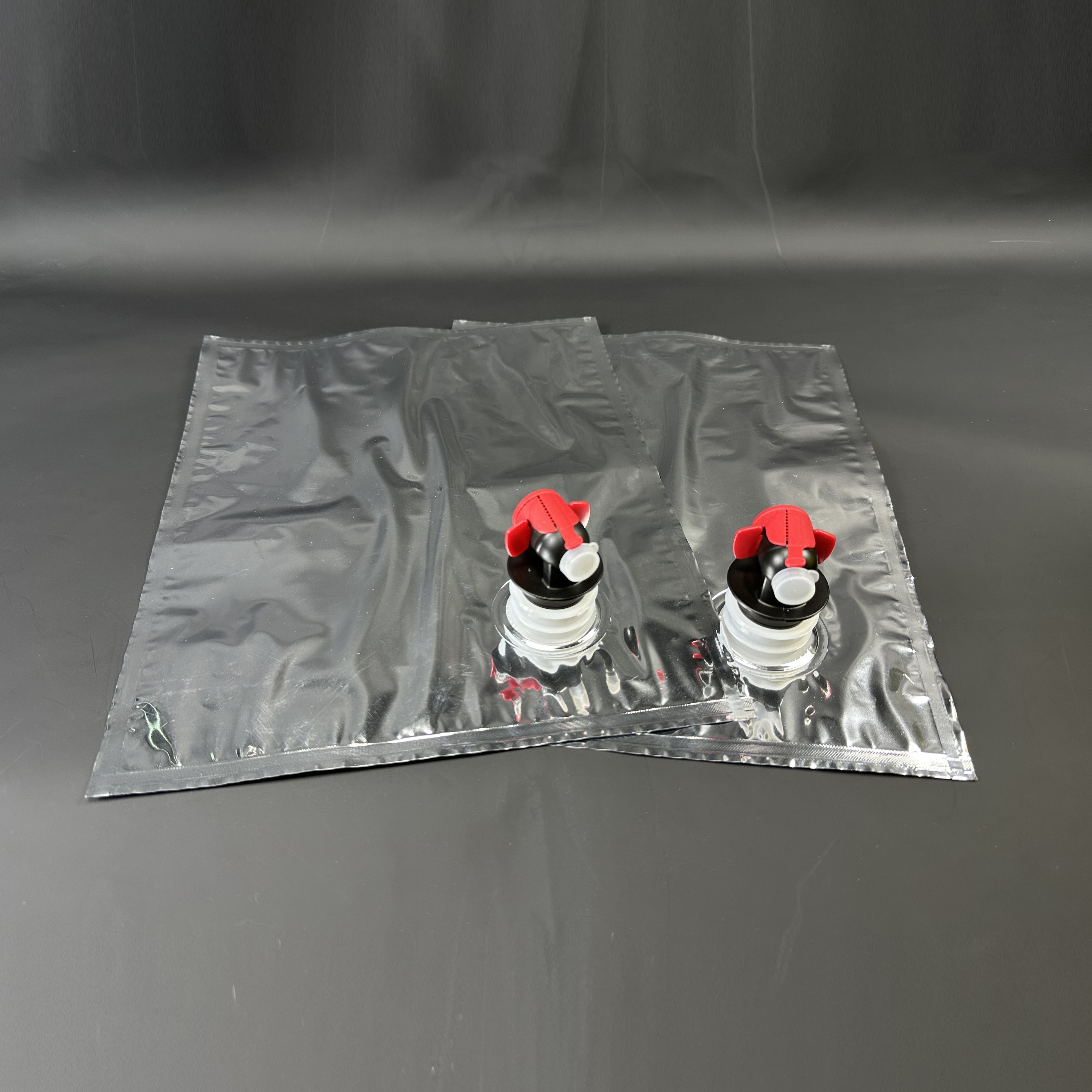
- Welding layer compatibility: the inner sealant film of composite liner must match tap welding temperature; incompatible materials cause joint delamination.
- Barrier coordination: high-barrier foil liners should pair with barrier-type taps to prevent oxygen penetration through spout assemblies.
- Customization cost balance: adopt standard valve sizes to avoid new mold charges; adjust composite thickness according to liquid weight and transport conditions.
Conclusion & FAQ
Successful custom bag-in-Box Packaging depends on matching composite laminate performance with appropriate valve models. Compatibility of welding layers should be prioritized to prevent leakage and quality failures.