


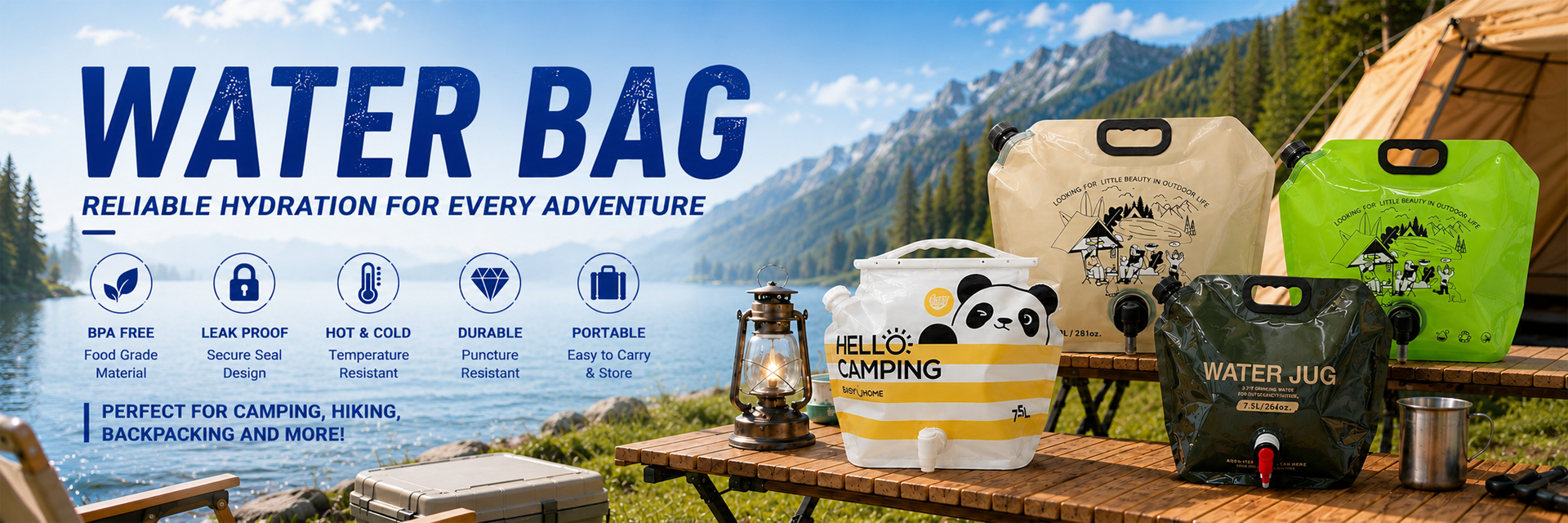
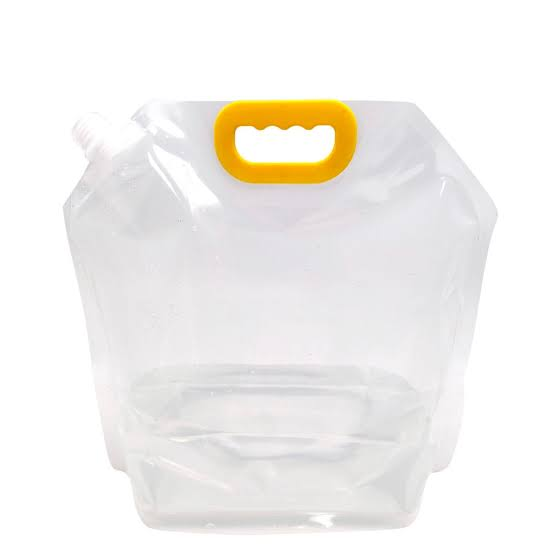
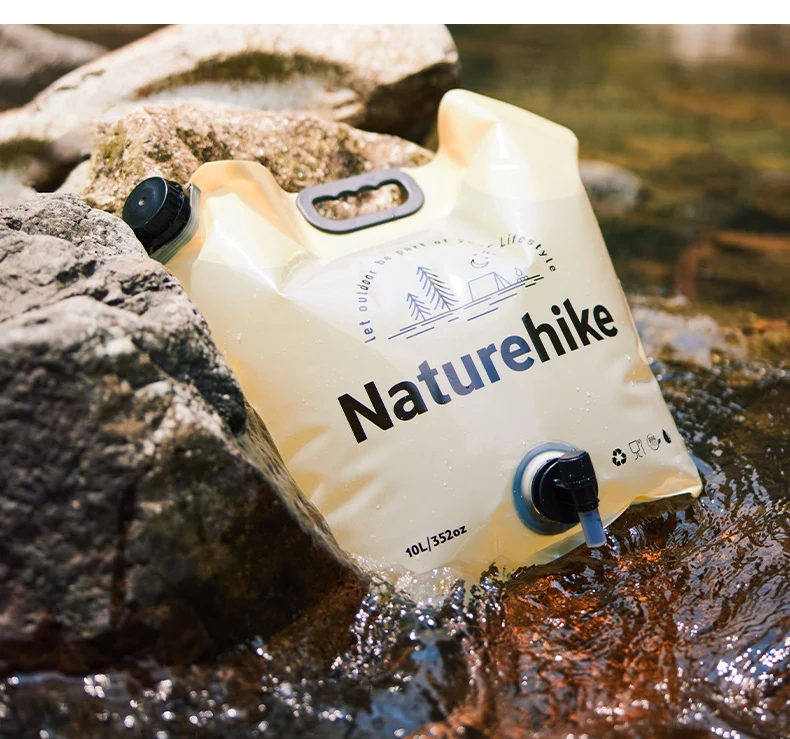
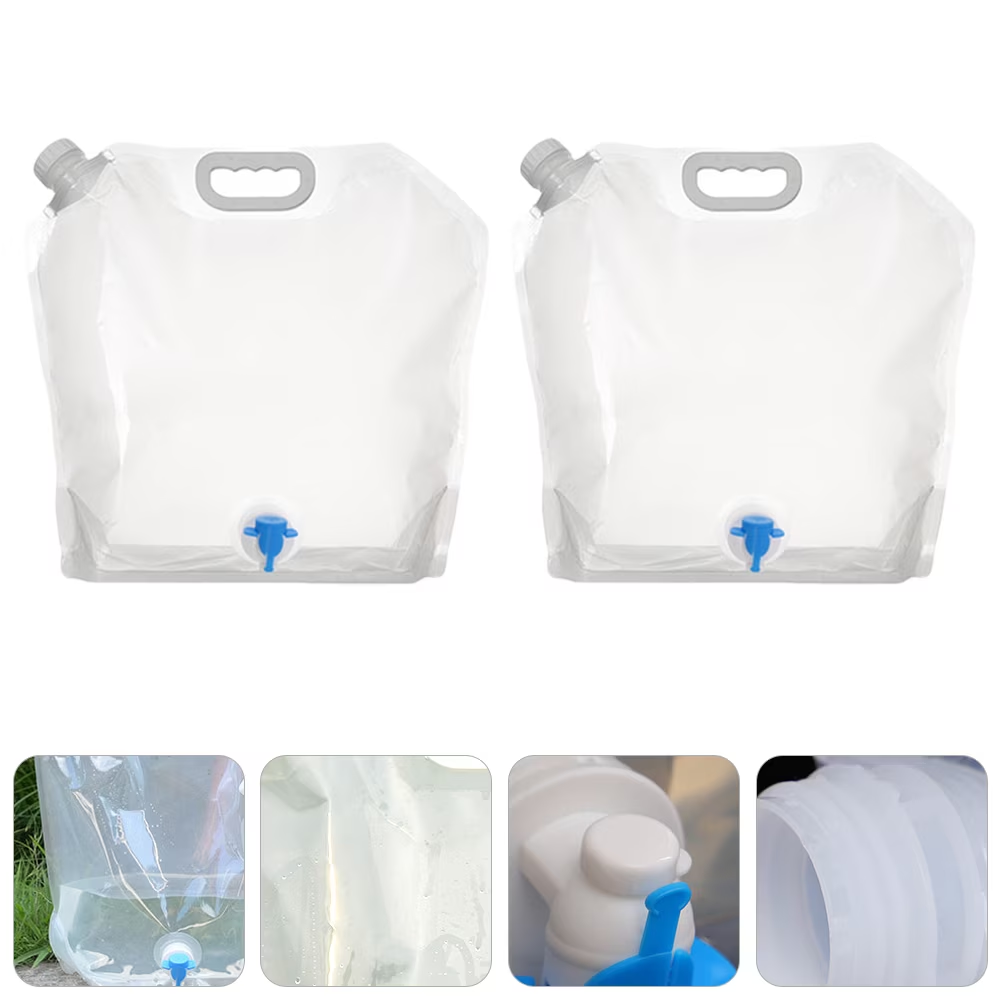
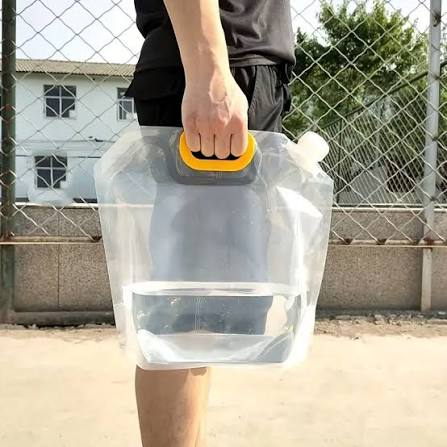
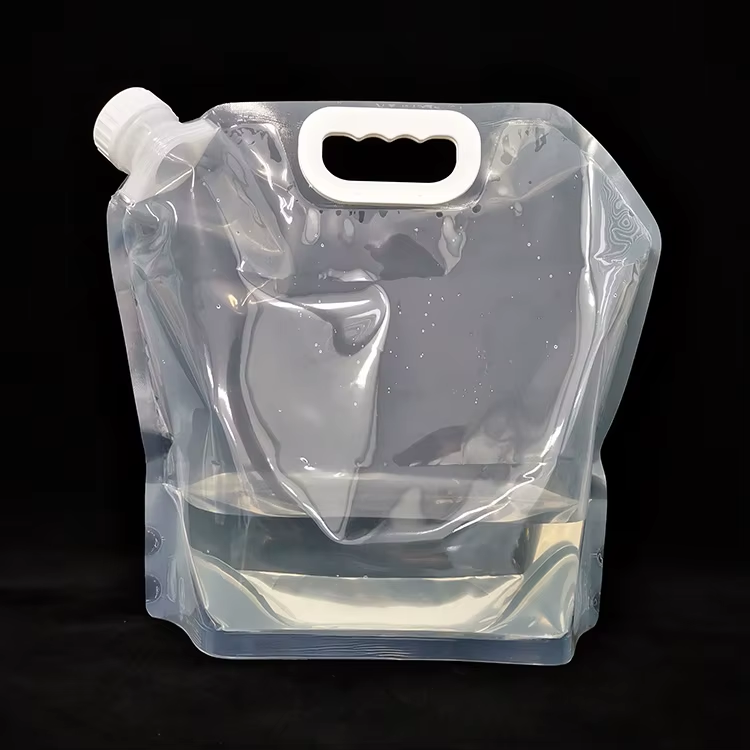
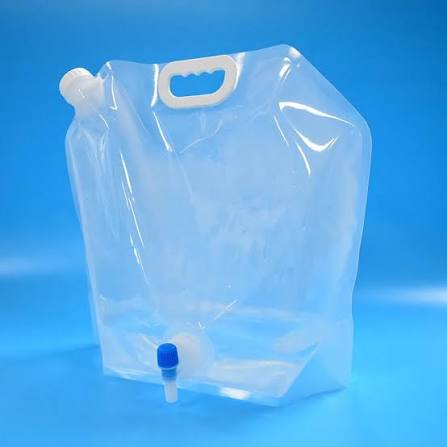
Composite Water Storage Bag Guide Sizes Seams Hidden Sourcing Costs
2026-07-16
1. Complete Size Classification & Scenario Matching Standards (400+ words)

According to unified 2026 industry standards, composite water storage bags are divided into three mainstream size tiers, with exclusive structural designs and clear scenario matching logic to avoid cost waste and structural failure:
- Small portable size (50–500L): Adopts lightweight high-toughness composite materials, supporting repeated folding and portable carrying. It is mainly used for household water reserve, field temporary water storage, small-scale outdoor camping and short-term emergency water supply, with moderate composite thickness to balance portability and basic pressure resistance.
- Medium engineering size (1000–5000L): Matches medium-density composite base fabric and standard multi-layer lamination structure. Designed for farm irrigation, construction site water reserve and daily agricultural water supply, it balances cost and durability for medium-cycle outdoor placement and regular water injection and drainage.
- Large heavy-duty size (10000–50000L): Equipped with thickened multi-layer composite structures and high-tensile base fabric, capable of bearing long-term high static water pressure and harsh outdoor weather erosion. It is specially used for large-scale farm drought resistance, regional emergency water transfer and large engineering water storage projects.
2. Reinforced Seam Technical Specs & Leakage Prevention Mechanism (400+ words)

2026 industry data shows seam failure accounts for over 65% of composite water bag after-sales scrap problems. Reinforced welding seams are the core of leakage prevention, with clear technical specs and structural advantages:
- Qualified industrial reinforced seam specs: High-quality composite water bags adopt dual hot-melt welding reinforced seams, with welding strength reaching more than 80% of the base composite material’s tensile force. This performance is far superior to ordinary single-stitch sewing and single-layer hot melting, which are prone to cracking and seepage under water pressure.
- Structural anti-leakage optimization design: Professional arc corner reinforcement effectively avoids stress concentration, solving the common problem of corner cracking and water seepage after long-term static water pressure. The integrated composite welding process ensures seamless integration between the bag body and seams, with stronger anti-aging, anti-pressure and anti-tear performance.
- Inferior seam defect identification: Unqualified products often have virtual welding, partial missing welding, uneven welding width and thin welding layers. These hidden defects will cause slow leakage and seam rupture after outdoor placement, which buyers can quickly identify through visual inspection and pressure testing.
3. Full-Link Hidden Sourcing Cost Breakdown & Optimization (300+ words)

Most buyers only focus on unit price and ignore full-link hidden sourcing costs, resulting in higher comprehensive expenditure. This section sorts all hidden costs and practical optimization strategies:
- Undisclosed factory upfront fees: Hidden charges include custom size mold development fees, non-standard reinforced seam processing surcharges, third-party quality testing fees, rush order production overtime fees and international sample freight costs. These extra fees greatly increase the actual procurement cost of non-standard products.
- Indirect downstream loss costs: Mismatched bag sizes lead to low container loading rates and increased ocean freight costs. Unqualified seams cause on-site water leakage, project suspension delays, product replacement and after-sales compensation losses, which far exceed the savings from low unit prices.
- Proven TCO optimization strategies: Prioritize industry standard sizes to eliminate custom mold fees; verify seam welding test reports before mass production; sign long-term annual supplier frame contracts to reduce comprehensive procurement costs by 12–20% and stabilize batch quality.
Conclusion & FAQ
Professional size matching and reinforced seam quality control are core to composite water bag sourcing. Avoiding hidden costs effectively reduces long-term project losses for outdoor water storage projects.