


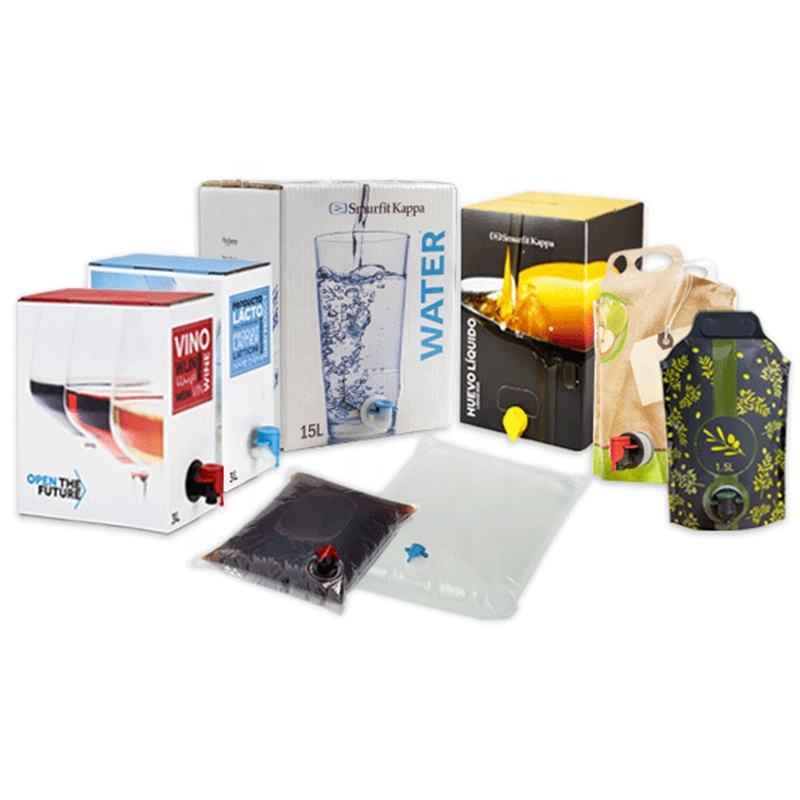
Buying guide for leakproof bag in box composite packaging for juice and edible oil
2026-08-01
1. Different Leakage Risks Faced by Juice & Edible Oil BIB Composite Liners

- Fruit juice risks: acidic components corrode unmodified inner films, causing interlayer delamination and slow seepage; microbial growth via tiny seal gaps.
- Edible oil risks: grease penetrates ordinary PE layers, leading to sealant swelling, reduced heat-seal strength and delayed seam leakage after months of storage.
- Shared transportation risks: corner stress concentration, vibration-induced micro-cracks and weak welding at valve joints account for most transit leakage complaints.
2. Targeted Composite Material & Structural Requirements for Leak Prevention
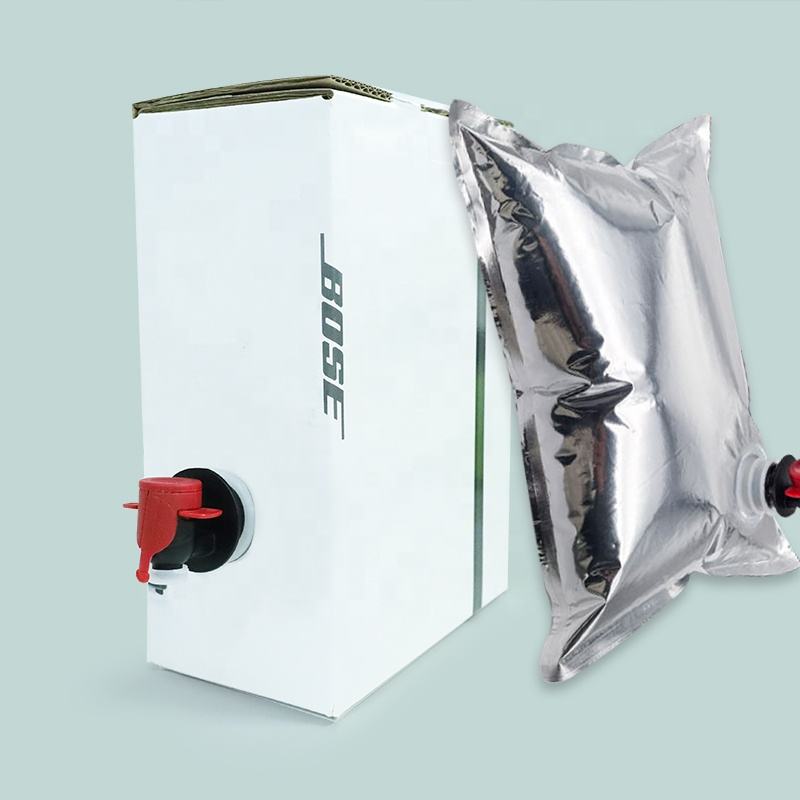
- Juice-grade BIB: adopt acid-resistant EAA or modified PE inner layers; select high-barrier aluminum foil / EVOH composite to avoid oxidation and extend shelf life.
- Edible oil-grade BIB: use oil-resistant composite laminates; avoid thin single-layer films; increase seal width to resist long-term grease erosion.
- Universal leakproof structural upgrade: reinforced arc corner design, double-line hot melt welding and anti-puncture PA reinforcement for bulk capacity specifications.
3. Mandatory Pre-Shipment QC Tests to Verify Leakproof Performance
- Static hydrostatic pressure test: keep filled liners under pressure for 24 hours to detect invisible micro-leaks that visual inspection cannot find.
- Accelerated aging test: simulate long-term contact with juice or edible oil to check delamination and seal attenuation risks.
- Vibration & drop simulation test: replicate ocean freight conditions to expose weak seams and valve welding defects before mass shipment.
Conclusion & FAQ
Leakproof bag-in-box composite packaging for juice and edible oil needs customized oil-resistant and acid-resistant materials plus standardized pressure testing. Systematic pre-shipment inspection greatly reduces batch leakage losses for liquid food producers.