


Aluminum foil bag in box composite packaging improves shelf life of liquid products
2026-07-31
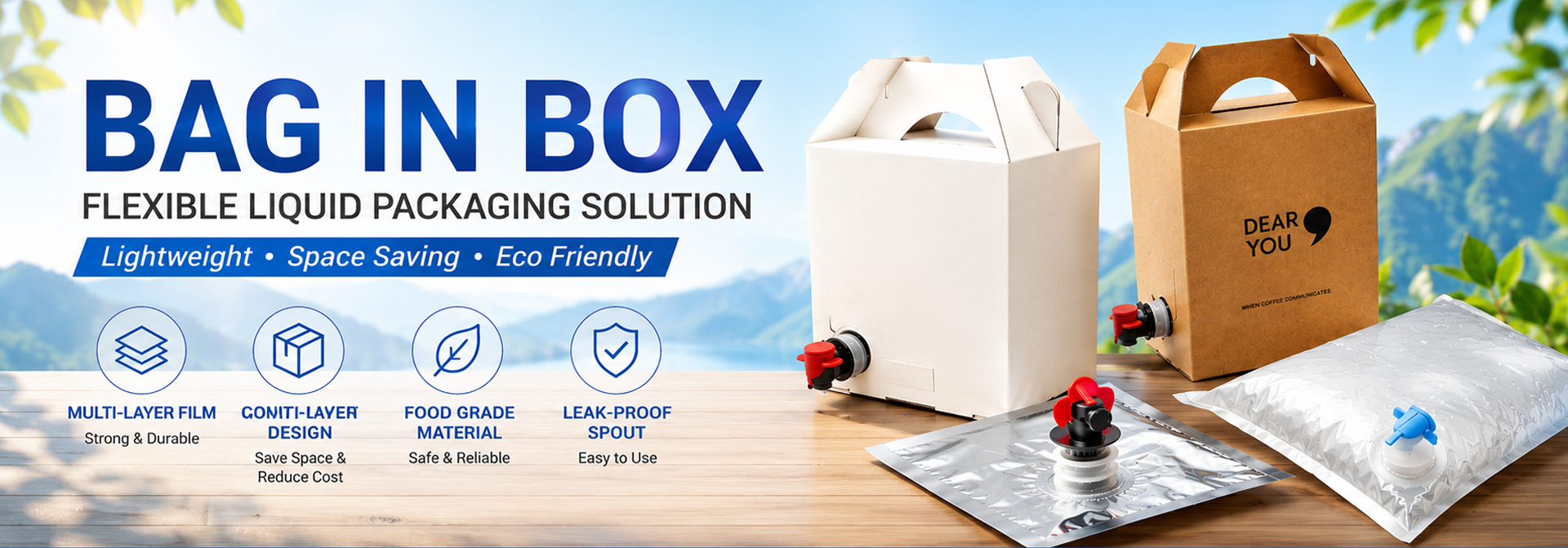
1. Barrier Mechanism: Why Aluminum Foil Composite Liner Preserves Liquid Freshness
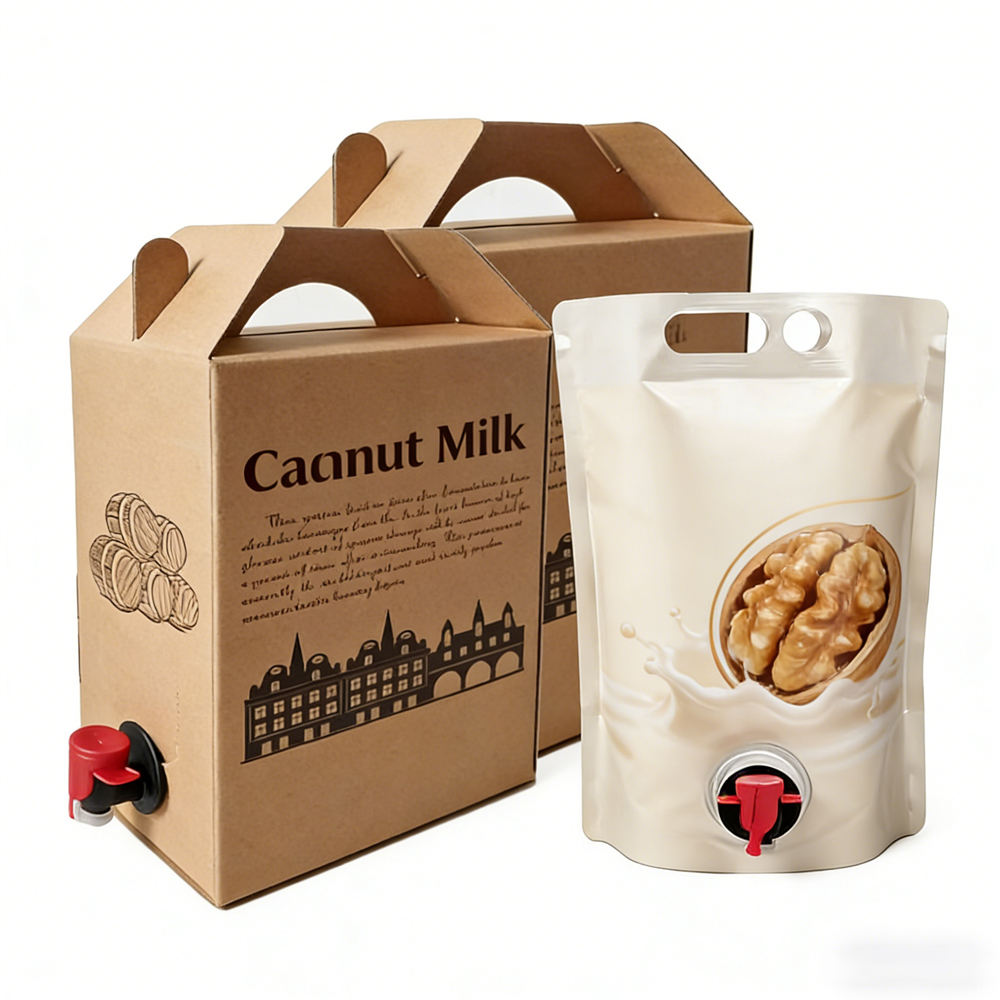
- Zero oxygen and light barrier characteristics: aluminum foil layer blocks UV light and oxygen penetration, stopping oxidation, discoloration and off-flavor development of fat-rich or vitamin-containing liquids.
- Moisture vapor isolation: prevents moisture exchange between inside and outside, stabilizing liquid concentration and avoiding dryness or dilution during long-term storage.
- Block external odor transmission: stops cross-contamination from warehouse ambient smells, protecting the original aroma of beverages and edible oils.
2. Suitable & Unsuitable Liquid Products for Aluminum Foil BIB Composite Packaging
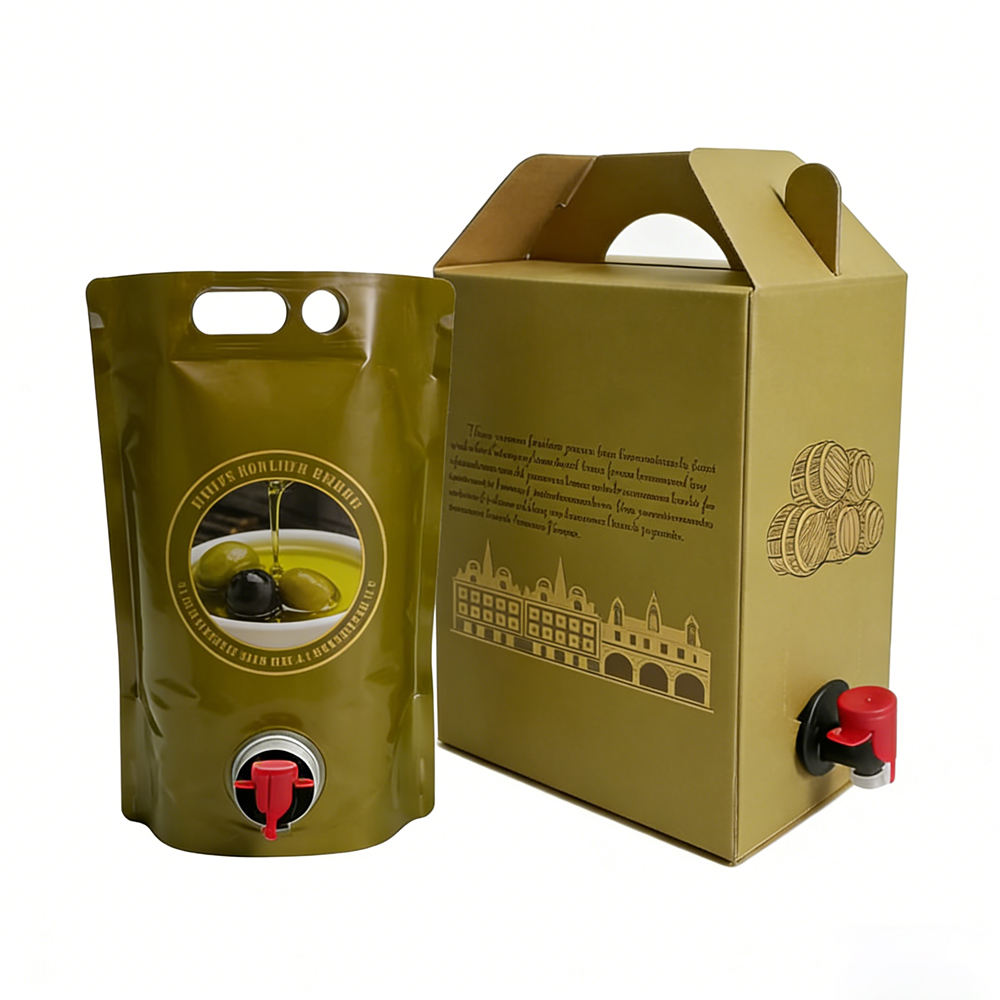
- Ideal applications: red wine, fruit concentrate, edible oil, tomato paste, aseptic pulp requiring 12–24 months ambient shelf life.
- Products with limitations: highly acidic liquids require acid-resistant modified inner layers to prevent foil corrosion after long immersion.
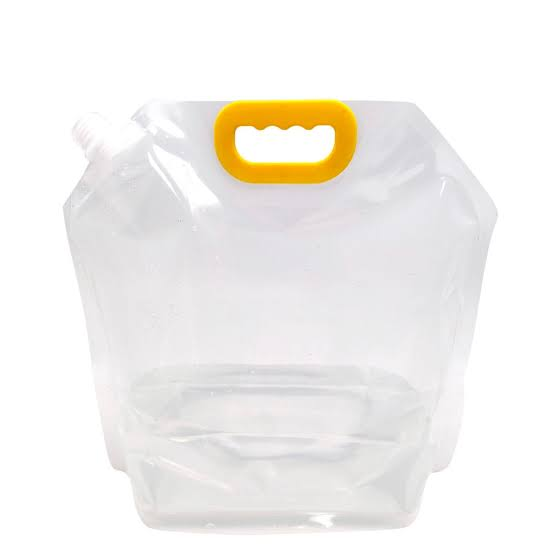
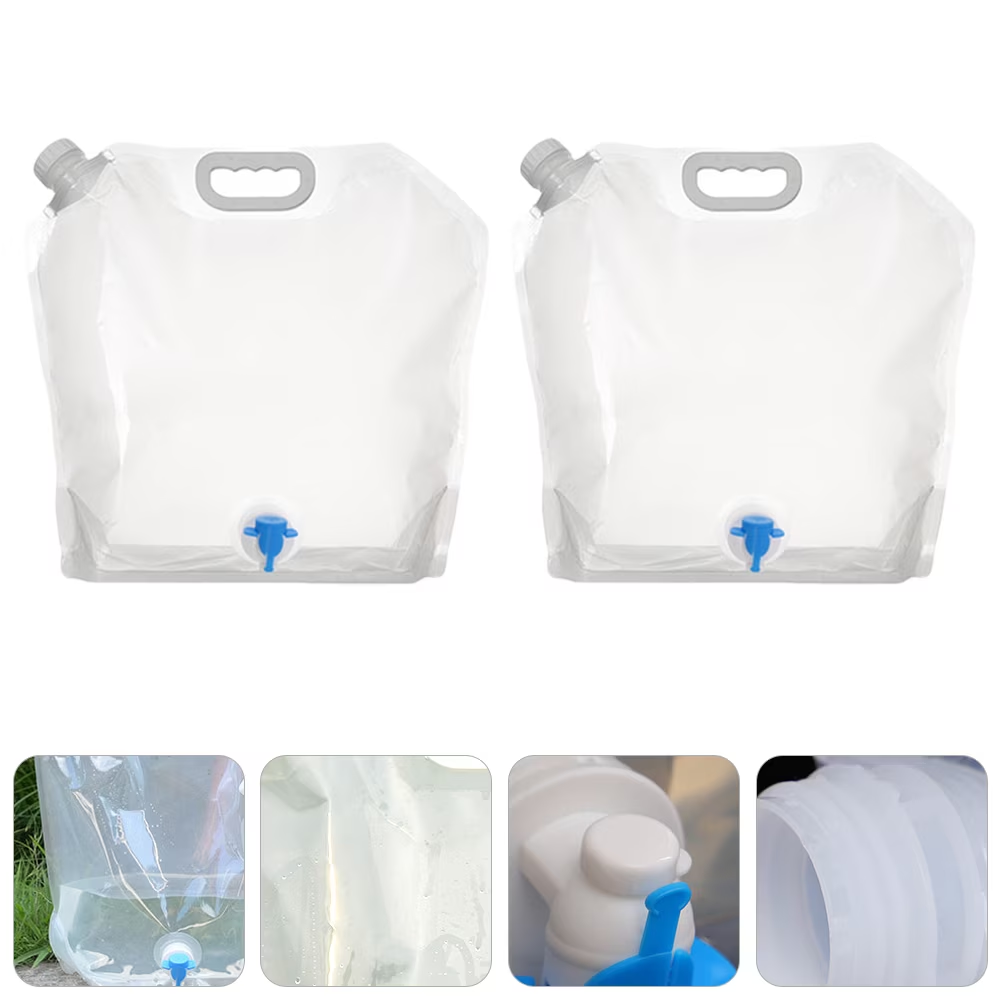
- Scenarios where transparent EVOH composites are preferred: retail brands that need visual product display and have medium shelf-life requirements below 12 months.
3. Quality Control Standards to Avoid Aluminum FIB Composite Liner Failures

- Aluminum foil thickness specification: minimum 7μm to reduce pinhole quantity; thicker foil is recommended for large-capacity bags subject to repeated extrusion.
- Anti-flex-crack composite design: add PA nylon reinforcement layer to avoid foil fracture caused by folding and vibration during ocean transport.
- Pre-production aging test: simulate long-term storage to check interlayer delamination and foil corrosion risks under actual liquid contact conditions.
Conclusion & FAQ
Aluminum foil bag-in-box composite packaging delivers unparalleled barrier performance to maximize liquid shelf life. Matching material structure to liquid chemical properties is essential to prevent premature packaging failure.