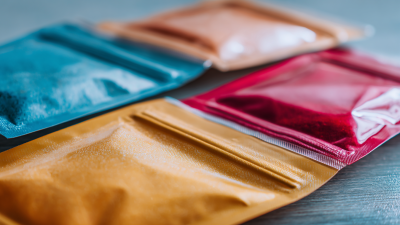
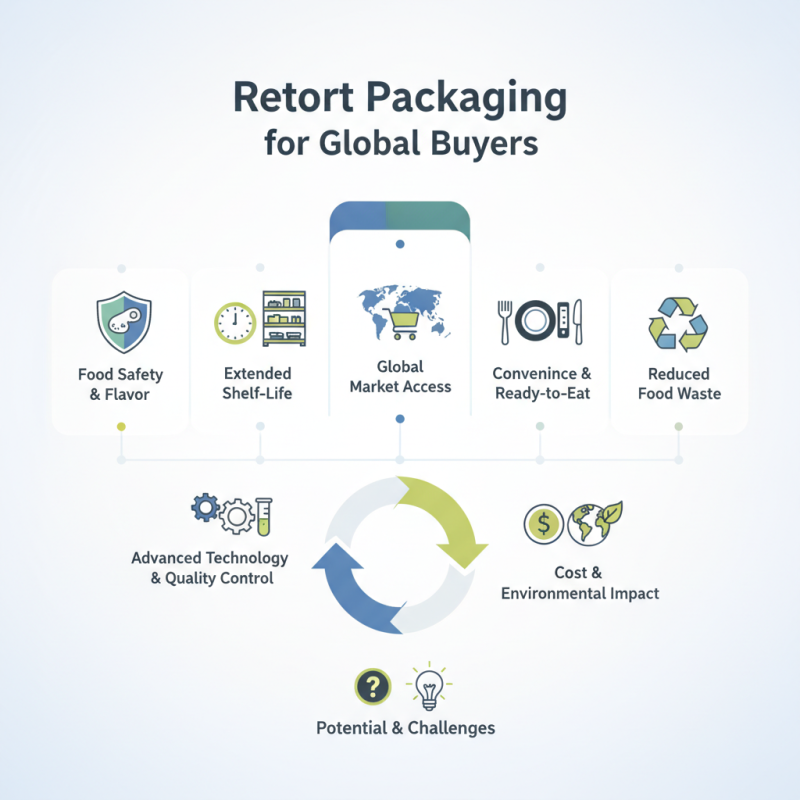
In the ever-changing world of food and beverage packaging, Retort Packaging is quickly becoming a top pick for buyers around the globe. This innovative technique does a great job at keeping food safe, all while preserving flavor and nutrition. Companies like Amcor and Aptar have come up with specialized solutions that really cater to different consumer needs. Plus, retort packaging lets products sit on the shelf without needing refrigeration, which is a pretty huge deal these days when things move so fast.
The rising demand for quick, ready-to-eat meals has definitely pushed more folks towards using retort packaging. It helps extend shelf life and even cuts down on food waste — something we could all get behind, right? But, of course, buyers should keep in mind factors like costs and environmental impact. Finding that sweet spot between convenience and sustainability is key.
That said, retort packaging isn’t all smooth sailing. It often requires some pretty advanced technology, which can make the switch seem intimidating at first. And, maintaining high quality control is crucial — nobody wants their food to look or taste off. As global buyers explore different packaging options, understanding the ins and outs of retort packaging will be super important. It definitely has a lot of potential, but being aware of its limitations and taking a thoughtful approach is what really counts for successful adoption.
Advantages of Retort Packaging in Extending Shelf Life of Products
Retort packaging offers significant advantages when it comes to extending the shelf life of products. This technology enables food manufacturers to heat-treat packaged foods in a sealed container. A study from the Food Processing Institute indicates that this method can extend shelf life up to 12 months or longer without refrigeration. This is a game changer for global buyers looking for longer-lasting products while ensuring food safety.
The hermetic seal created by retort packaging keeps out microbial contaminants. According to the Institute of Food Technologists, this feature reduces spoilage rates by as much as 90%. Consumers are increasingly concerned about food waste, making longevity crucial. Furthermore, retort packaging preserves the nutritional quality of the food. Studies show that vitamins retain their potency better compared to those stored in traditional packaging.
However, not all packaged foods achieve the same shelf life. It varies based on the type and nature of the food inside. Various factors can contribute to how long food stays fresh. Inconsistent treatment processes may lead to varying results in quality. Thus, buyers should ensure they are well-informed about the specifics of each product they purchase. Reliable labeling and documentation should accompany each package to provide additional assurance about shelf life claims.
Cost-Effectiveness of Retort Packaging in Reduction of Packaging Waste
Retort packaging offers numerous benefits, especially in terms of cost-effectiveness and waste reduction. According to a recent industry report, using retort technology can decrease packaging costs by up to 30%. This reduction stems from its ability to preserve food without the need for preservatives, minimizing the need for excess packaging materials.
Traditional packaging often contributes significantly to waste. It's estimated that packaging waste accounts for nearly 30% of total food waste globally. Retort packaging addresses this problem by extending shelf life and reducing spoilage. It results in fewer discarded products and less environmental impact, fostering sustainability.
Tips: Always assess your packaging choices. Prioritize materials designed for longevity. Explore innovations in retort methods to enhance efficiency.
Additionally, many manufacturers report that retort packaging is more efficient in transportation. Its sturdiness allows for higher stacking during shipping. This, in turn, reduces the carbon footprint associated with logistics. Thus, while retort packaging provides outstanding preservation characteristics, manufacturers should remain mindful of potential overuse. Balancing efficiency with sustainability is crucial.
Impact of Retort Packaging on Food Safety and Microbial Growth Prevention
Retort packaging plays a crucial role in enhancing food safety. This method involves sealing food in pouches or jars and then heating them to destroy harmful microorganisms. According to the Food Safety and Inspection Service, proper processing in Retort Food Packaging can reduce the presence of pathogens like Salmonella and E. coli. This reduction is vital in preventing foodborne illnesses.
Microbial growth is a significant concern in food preservation. A study from the Institute of Food Technologists indicates that retort packaging significantly extends shelf life. It does this by creating an anaerobic environment that inhibits bacterial growth. This makes retorted foods more reliable for global buyers, especially in regions with less stringent food safety standards.
However, challenges remain in implementing retort food packaging effectively. Some products can suffer from quality loss after prolonged storage. Additionally, not all packaging technologies reach the same effectiveness in pathogen reduction. Continuous monitoring and improvement are essential to ensure safety and quality standards are met. More research and industry collaboration will be necessary to maximize the benefits of retort food packaging while addressing these imperfections.
Top 5 Benefits of Retort Packaging for Global Buyers
| Benefit |
Description |
Impact on Food Safety |
Microbial Growth Prevention |
| Extended Shelf Life |
Retort packaging allows food to last longer without refrigeration. |
Reduces spoilage and the risk of foodborne illnesses. |
Inhibits bacterial growth due to high heat processing. |
| Cost Efficiency |
Reduces transportation and storage costs due to less spoilage. |
Enhances overall supply chain efficiency. |
Fewer emergency recalls due to spoilage. |
| Convenience |
Ready-to-eat meals with no need for additional preparation. |
Improves consumer safety by reducing handling. |
Reduces chances of cross-contamination during preparation. |
| Sustainability |
Less food waste compared to traditional packaging. |
Contributes to better food security. |
Helps in maintaining nutritional quality over time. |
| Variety of Applications |
Suitable for different food types including meats, vegetables, and sauces. |
Enhances food safety across diverse products. |
Designed to eliminate various pathogens effectively. |
Consumer Preference Trends Towards Retort Packaged Foods and Beverages
Consumer preferences are shifting towards convenient and nutritious options. This is evident in the rise of retort packaged foods and beverages.
Retort Pouch Packaging has gained popularity due to its ability to preserve flavors and nutrients effectively. These pouches use a unique heating process that ensures the contents remain fresh without the need for preservatives.
Health-conscious consumers appreciate the long shelf life of retort packaged items. This convenience allows busy individuals to enjoy wholesome meals anytime.
It's easy to store and carry, making it an ideal choice for on-the-go lifestyles. However, not all products utilize this technology effectively. Some brands may sacrifice quality for longevity, leaving consumers questioning their choices.
Sustainability is another factor influencing buyer decisions. While retort pouches often use plastic materials, many manufacturers are exploring eco-friendly options.
The balance between convenience and environmental impact is still a work in progress. Exploring advancements in retort pouch packaging can lead to both satisfying consumer demands and promoting sustainability.
Sustainability and Environmental Benefits of Retort Packaging Solutions
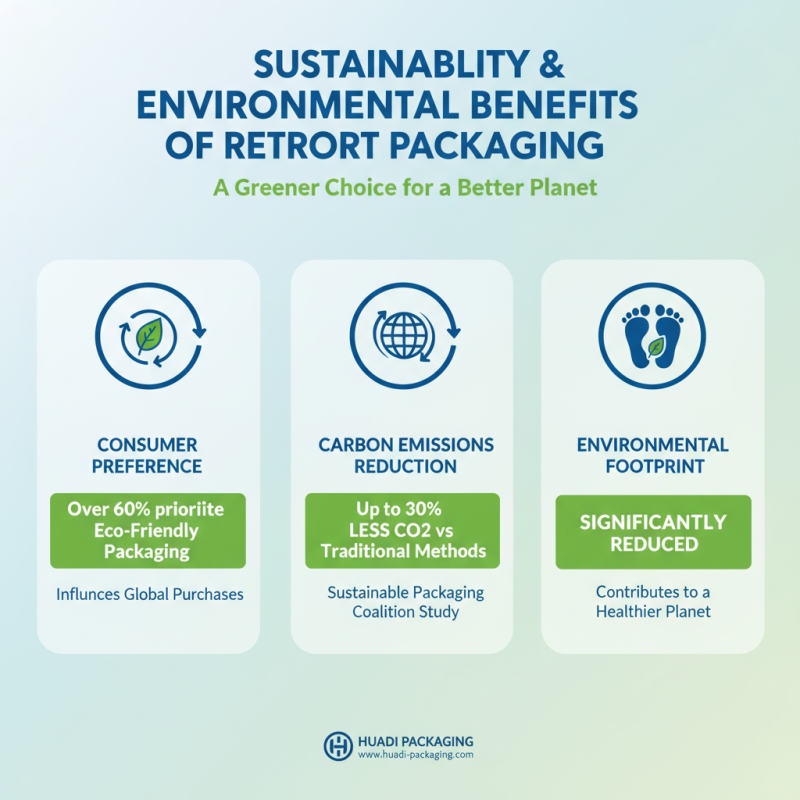
Retort Packaging has gained significant popularity due to its sustainability benefits. Recent surveys show that over 60% of consumers prioritize environmentally friendly packaging. This shift impacts purchasing decisions globally. A study by the Sustainable Packaging Coalition revealed that retort packs can reduce carbon emissions by up to 30% compared to traditional packaging methods. These figures highlight how retort packs contribute significantly to reducing environmental footprints.
Moreover, retort packs are designed to have a longer shelf life. This durability reduces food waste—a pressing issue in many countries. The Food and Agriculture Organization estimates that roughly 1.3 billion tons of food waste occurs annually. With retort packaging, companies can preserve food longer, ultimately decreasing waste. It's a crucial step toward sustainable food systems, but there are challenges. Achieving the perfect balance between packaging lifespan and recyclability remains an ongoing conversation within the industry.
The materials used in retort packs can also be a double-edged sword. While they prevent spoilage and enhance safety, not all materials are readily recyclable. The industry must tackle these issues. Innovating toward eco-friendlier options and improving recycling rates is essential for true sustainability. As buyers become more discerning, companies must adapt to these expectations within their production lines.
Innovation in Retort Packaging Technology: Enhancing Product Quality
The innovation in retort packaging technology is making waves in food preservation. High-quality Retort Pouches help extend shelf life by effectively sealing in flavors and nutrients. According to a recent industry report, the global retort packaging market is projected to grow at a CAGR of 6% from 2022 to 2030. This growth indicates a rising demand for convenient, safe, and long-lasting food products.
Retort pouches are engineered to withstand high heat during sterilization. This process not only ensures food safety but also retains its taste. However, as manufacturers embrace this technology, there’s a need to address potential downsides, such as the environmental impact of plastic packaging. Shifting toward recyclable materials is a challenge that needs more discussion in the industry.
Tip: Ensure your sourcing strategy prioritizes pouches that comply with local regulations. Look for products that emphasize sustainability.
The versatility of retort packaging extends beyond just food. It also applies to pet foods and pharmaceuticals. Customization options allow brands to create unique cooking methods and flavors. However, it’s essential to consider consumer preferences and potential market responses. Balancing innovation with customer needs is crucial for success.
Tip: Engage with consumers to gather feedback on retort pouch designs. This helps refine products based on real user experiences.
Market Growth Projections for Retort Packaging in Global Industries
Retort packaging is experiencing rapid growth across global industries. The market for this packaging type is projected to reach approximately $4.5 billion by 2026, expanding at a CAGR of 7.1% from 2021 to 2026. This growth is driven by increasing demand for convenient food options and the need for longer shelf lives. Retort packaging offers effective solutions for various products, enhancing their appeal in the market.
Analysts highlight the rising interest in ready-to-eat meals as a significant factor. Consumers seek products that balance convenience and quality. Retort packaging preserves flavor and nutritional value while providing extended storage capabilities. Reports indicate that over 60% of consumers prefer products with longer shelf lives, favoring retorted items for their reliability.
Sustainability is another vital aspect influencing this market. Many industries are shifting toward more eco-friendly packaging options. Studies show that nearly 40% of companies are investing in sustainable packaging solutions. This reflects a broader trend toward eco-conscious consumer behavior. Businesses adopting retort packaging can address these changing preferences, enhancing their market competitiveness. However, some challenges remain. Costs can be higher compared to traditional packaging. Brands need to navigate these financial dynamics carefully.
Top 5 Benefits of Retort Packaging for Global Buyers
FAQS
: Retort packaging is a method that heat-treats food in sealed containers. This keeps food safe and extends shelf life.
It can extend shelf life up to 12 months or more without refrigeration. This depends on the food type.
It reduces spoilage by 90% and preserves nutritional quality effectively. It also keeps food safe from contaminants.
Consumers are concerned about food waste. Longer shelf life helps them reduce waste and save money.
No, shelf life varies by food type. Different treatments affect quality and longevity.
It aligns with eco-friendly trends. Many industries are investing more in sustainable packaging solutions.
The demand for convenient, ready-to-eat meals is rising. Consumers prefer options that provide quality and longevity.
Costs can be higher than traditional packaging. Brands must manage these financial aspects carefully.
It preserves flavor and nutritional value effectively. This appeal draws consumers to retorted products.
They should check labeling and product specifics. Understanding shelf life claims is crucial for informed purchases.
Conclusion
Retort Packaging offers several crucial benefits that make it increasingly popular among global buyers. Firstly, it significantly extends the shelf life of food products, which is essential for reducing food waste and improving inventory management. Additionally, the cost-effectiveness of retort packaging helps to minimize packaging waste, aligning with sustainability goals. This type of packaging is also pivotal in enhancing food safety by inhibiting microbial growth, thereby ensuring that products remain safe for consumption over extended periods.
Consumer preference trends indicate a rising demand for retort packaged foods and beverages, driven by the technology's ability to preserve quality and flavor. Furthermore, innovations in retort packaging technology continue to boost product quality while also promoting environmental sustainability. With market growth projections highlighting a robust future for retort packaging across various global industries, it is evident that this packaging solution is a valuable asset for manufacturers looking to meet consumer expectations while supporting sustainable practices.