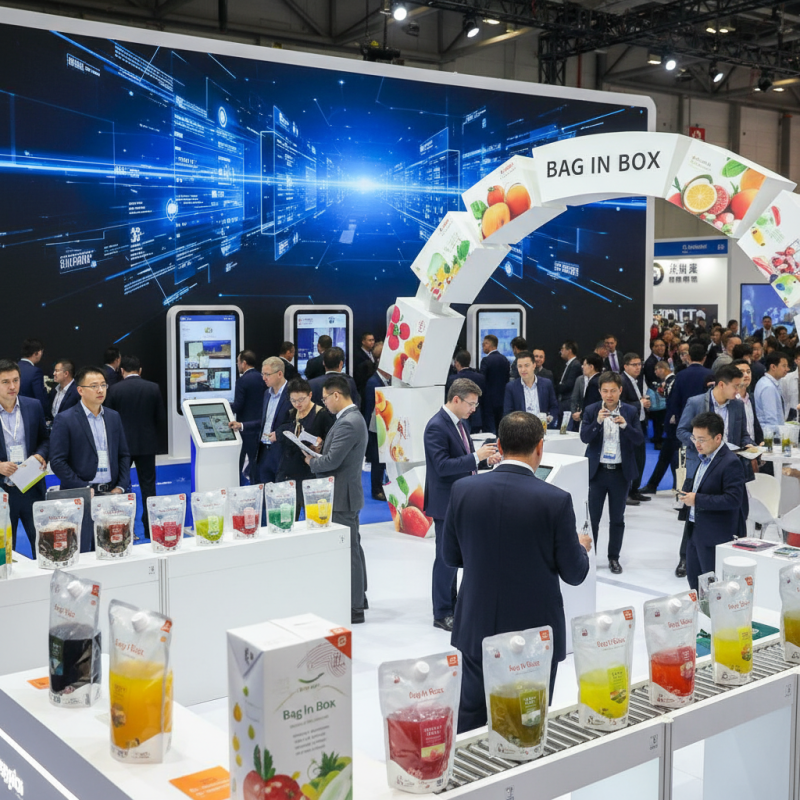
Hey, have you heard? At the upcoming 139th Canton Fair, the 'Bag In Box' industry is definitely gonna steal the show. Experts are already raving about how this packaging solution packs a bunch of benefits. John Anderson from FlexPack Innovations even said, 'Bag In Box completely changes the game when it comes to preserving liquids.' Pretty cool, right?
What’s driving the buzz? Well, these bags are seriously effective—they last longer on shelves, cut down on waste, and are way easier to transport than traditional bottles or barrels. If you’re visiting the fair, you'll get a chance to see some really cool designs and innovative uses. Plus, the event’s got some high-tech features like AI-powered vendor searches and sleek smart navigation, which perfectly align with the latest in Box Box Design.
That said, it’s not all smooth sailing. There are still a few hiccups to work out, like keeping suppliers consistent and controlling quality. The industry is aware of these issues though, and they’re working on it. All in all, the Bag In Box scene at the Canton Fair is bursting with opportunities—offering not just practical solutions but also a glimpse into where things are headed next. Expect some lively talks and maybe even a few collaborations brewing—this sector is really evolving fast!
Overview of Bag In Box Technology and Its Usage
Bag In Box (BiB) technology is gaining attention for its unique advantages. This innovative packaging solution consists of a flexible bag housed in a sturdy box. It offers a practical way to store and dispense various liquids, including beverages and sauces. The design minimizes air exposure, which helps preserve freshness. Ideal for both storage and shipping, Bag In Box effectively reduces waste and protects the product from contamination.
In recent years, the usage of Bag In Box has expanded beyond traditional applications. Many industries are now exploring its benefits. From wineries to food manufacturers, the BiB format provides a versatile solution for meeting diverse packaging needs. The controlled dispensing feature ensures that the product stays uncontaminated until used.
However, some still question the effectiveness of this technology in certain markets. There's a need for further exploration and adaptation in those areas.
While the practical benefits are clear, challenges remain. Not every product suits the Bag In Box system. Some consumers may find traditional packaging more familiar and appealing. Ongoing education about the advantages of Bag In Box could bridge this gap. Reflecting on usage trends will be crucial as industries continue to adapt to this innovative approach.
Benefits of Bag In Box for Beverage and Food Packaging
The Bag In Box (BIB) packaging method offers significant advantages for beverage and food industries. This type of packaging, which typically consists of a flexible bag inside a durable box, is becoming increasingly popular. For instance, data from the Beverage Industry Trends report indicates that the BIB market is projected to grow by 5% annually, driven by its efficiency and sustainability.
One major benefit of Bag Box Wine is its ability to preserve freshness. The airtight design minimizes oxidation, allowing products to maintain their quality for longer periods. Industry studies reveal that wines packaged in BIB can stay fresh for weeks after opening, unlike traditional bottles, which may spoil quickly. Additionally, BIB packaging is lightweight and easier to transport, reducing shipping costs. This is especially crucial as logistics expenses rise globally.
Another notable point is the environmental impact. Bag In Box packaging generates less waste compared to glass bottles. According to a report from the Environmental Packaging Association, BIB packaging can reduce plastic waste by 20% and carbon emissions by 25%. Yet, it's essential to reflect on the market perception. Some consumers still associate premium quality with traditional bottle packaging. As BIB gains traction, overcoming this bias will be vital for wider acceptance.
In summary, the advantages of Bag In Box for beverage and food packaging are clear. With better preservation, reduced costs, and a lower carbon footprint, this method is reshaping industry standards. As the market evolves, challenges remain, but the potential is immense.
Top 5 Benefits of Bag In Box at the 139th Canton Fair
| Benefit |
Description |
| Cost-Effective |
Reduces packaging and transport costs compared to traditional containers. |
| Sustainability |
Minimizes environmental impact through reduced material use and recyclability. |
| Extended Shelf Life |
Protects contents from oxidation and contamination, keeping products fresh longer. |
| Convenience |
Easy to dispense and store, compatible with various dispensing systems. |
| Versatility |
Suitable for a wide range of liquids including wines, juices, and sauces. |
Environmental Impact and Sustainability of Bag In Box Solutions
The Bag In Box (BIB) solution has gained traction in recent years for its notable environmental benefits. These containers often use 30% less packaging material than traditional glass or plastic alternatives. This reduction in materials directly translates to lower carbon emissions during production and transport. A report from the Environmental Protection Agency reveals that packaging accounts for nearly 30% of all municipal solid waste. Reducing this waste is crucial for sustainable development.
Reusable and recyclable, Bag In Box systems can significantly minimize environmental impact. The durability of these containers extends their lifecycle, allowing for multiple uses before disposal. Innovations in the BIB technology can lead to a decrease in water usage during the production process, which is vital in areas facing water scarcity. However, challenges still exist. Some facilities lack the infrastructure to properly recycle BIB materials, leading to potential waste issues.
Tips: Consider the supply chain when implementing BIB. Partner with local recyclers to enhance sustainability. Educate consumers about proper disposal methods to ensure maximum recycling effectiveness. This will help foster a community that prioritizes sustainable practices. As the industry grows, it is essential to address these gaps. By focusing on responsible consumption, we can further promote a culture of sustainability.
Cost Efficiency and Economic Advantages of Bag In Box Packaging
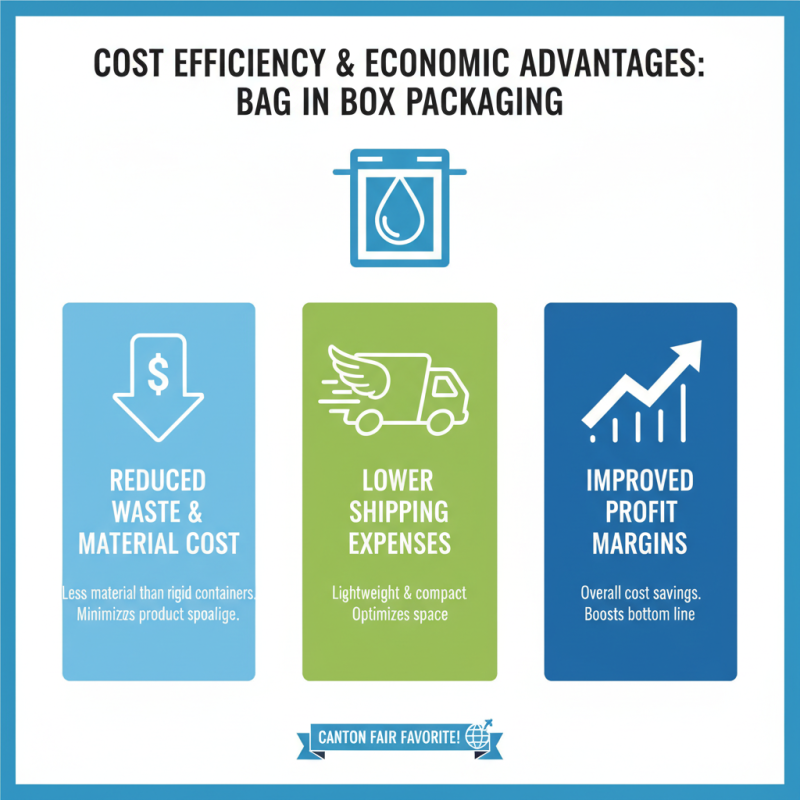
Bag In Box packaging continues to gain popularity at the Canton Fair. Its cost efficiency stands out. This method reduces waste and saves money. The material is lightweight yet durable, cutting down on shipping costs. That’s a significant advantage for businesses looking to improve their bottom line. Packaging is often overlooked but plays a vital role in overall expenses.
Another benefit is its versatility. Bag A Box can hold liquids or solids, catering to various products. This flexibility can attract diverse businesses. It offers excellent protection against spoilage and oxidation. However, it's essential to consider the initial investment. For smaller companies, this could be daunting. Yet, the long-term savings often justify the cost.
Additionally, consumers appreciate sustainable practices. Bag In Box typically uses less plastic. This eco-friendliness can enhance brand image. But it’s crucial to ensure that the materials are truly recyclable. Companies may need to evaluate suppliers carefully. While Bag A Box presents many advantages, businesses must remain mindful of their choices. The right decisions can lead to significant gains.
Convenience and Portability of Bag In Box for Consumers
At the 139th Canton Fair, Bag In Box packaging shines with its convenience and portability. This innovative packaging solution is transforming the way consumers access products. Imagine enjoying your favorite beverages or products without the hassle of heavy containers. Bag In Box offers a lightweight alternative that fits seamlessly into any lifestyle.
Consumers appreciate the easy-to-carry design of Bag In Box. It’s compact and easy to store, making it perfect for picnics or gatherings. The flexible pouch allows users to pour just the right amount without waste. However, it’s important to be mindful of how to recycle the packaging properly. Some might forget that not all components are eco-friendly. Thus, awareness is key.
The convenience of Bag In Box does come with its challenges. While it serves many needs, it may not fit every occasion. For example, some consumers still prefer traditional packaging for specific products. The evolution of Bag Box Packaging continues, yet there’s always room for improvement. Balancing convenience with sustainability remains a vital conversation for consumers and manufacturers alike.
Quality Preservation and Shelf Life Extension with Bag In Box
Bag In Box (BIB) packaging is becoming increasingly popular, particularly at trade fairs like the
139th Canton Fair. This innovative solution significantly improves quality preservation and extends shelf life. With BIB, products are well-protected from air and light, which are key factors that spoil many goods. It allows for a controlled environment that keeps flavors intact longer.
One key tip for maximizing the benefits of
Bag In Box is to ensure that the bag is completely sealed after each use. Any exposure to air can negate the advantages of this packaging. Additionally, store the BIB in a cool, dark place to further enhance longevity. This simple step can lead to better quality over time.
While
Bag In Box offers many advantages, it’s essential to consider its initial cost. Some may find it more expensive than other packaging options. However, when the long-term benefits are calculated, including less waste and fewer returns, BIB often proves cost-effective. Experimenting with different storage techniques can unveil even more potential, allowing you to make the most out of this packaging solution.
Trends and Innovations in Bag In Box Packaging at Canton Fair
The 139th Canton Fair showcased exciting trends in Bag In Box packaging. This format offers several advantages. Its efficiency in storage and transport is noteworthy. Bag In Box combines a flexible bag with a sturdy box. This duo protects the product and saves space. However, the design can be improved further.
Sustainability was a hot topic at the fair. Many exhibitors highlighted eco-friendly materials. Consumers are increasingly demanding greener options. Yet, some packaging still relies heavily on plastics. This inconsistency is worth addressing. The industry must reflect on balancing convenience and environmental responsibility.
Innovation was everywhere, from design to functionality. Some boxes featured spouts for easier pouring. Others had smart technology for tracking freshness. While these advancements are impressive, they spark questions. Are all these features necessary? The challenge lies in identifying what truly adds value for consumers.
FAQS
: BIB packaging features a flexible bag inside a sturdy box, designed for beverages and food.
Its airtight design minimizes oxidation, keeping products fresh for weeks after opening.
Initial costs can be higher, but long-term savings from reduced waste may make it cost-effective.
BIB reduces plastic waste by 20% and lowers carbon emissions by 25% compared to traditional bottles.
Store it in a cool, dark place and ensure the bag is sealed tightly after use.
Many still associate premium quality with bottles, creating a challenge for BIB acceptance.
Exposure to air can ruin the benefits; keep the bag sealed after each use.
Improper storage can lead to spoilage, which negates the packaging's advantages.
Its lightweight nature reduces shipping costs significantly, especially as logistics expenses rise.
Yes, overcoming market perceptions and initial costs are challenges to wider use.
Conclusion
The article "Top 5 Benefits of Bag In Box at the 139th Canton Fair" highlights the innovative Bag In Box technology and its increasing importance in food and beverage packaging. Bag In Box solutions offer numerous benefits, including enhanced environmental sustainability, cost efficiency, and portability for consumers. The packaging not only preserves the quality and extends the shelf life of products but also presents a convenient option for both suppliers and customers.
Furthermore, the article elaborates on the latest trends and innovations in Bag In Box packaging showcased at the Canton Fair, reflecting the growing demand for sustainable and user-friendly packaging solutions. As enterprises strive for economic advantages while meeting consumer needs, Bag In Box stands out as a promising option in the packaging industry.