The Bag In Box packaging has really started to pick up steam across a bunch of different industries, especially in the beverage world. I recently came across a report from Market Research Future that predicts this market will hit around $1.82 billion by 2025. Crazy, right? This surge really shows how people are looking for packaging that's not just easy to use but also eco-friendly. The whole Bag In Box setup helps extend shelf life and cut down on waste, which is pretty appealing to both companies and consumers alike.
Big players like Smurfit Kappa and Mondi Group are really pushing the envelope with new designs for these bags. They get that sustainable solutions that make distribution easier are the way to go. But, of course, as with any market, there are hurdles. Sometimes, design issues pop up that can affect how users experience the product—they might find it tricky or just not as intuitive as it should be. That’s why it’s super important for manufacturers to keep tweaking and improving their designs, making sure the Box Box Design aligns with what consumers want and expect.
Another thing to note is that a lot of people still don’t really know enough about how to use Bag In Box packaging properly. If companies don’t put some effort into educating their customers, they might be missing out on some big opportunities ahead. So, spreading awareness along with creating cool, innovative designs— that’s gonna be key for the future of Bag In Box solutions.
What is Bag In Box Packaging?
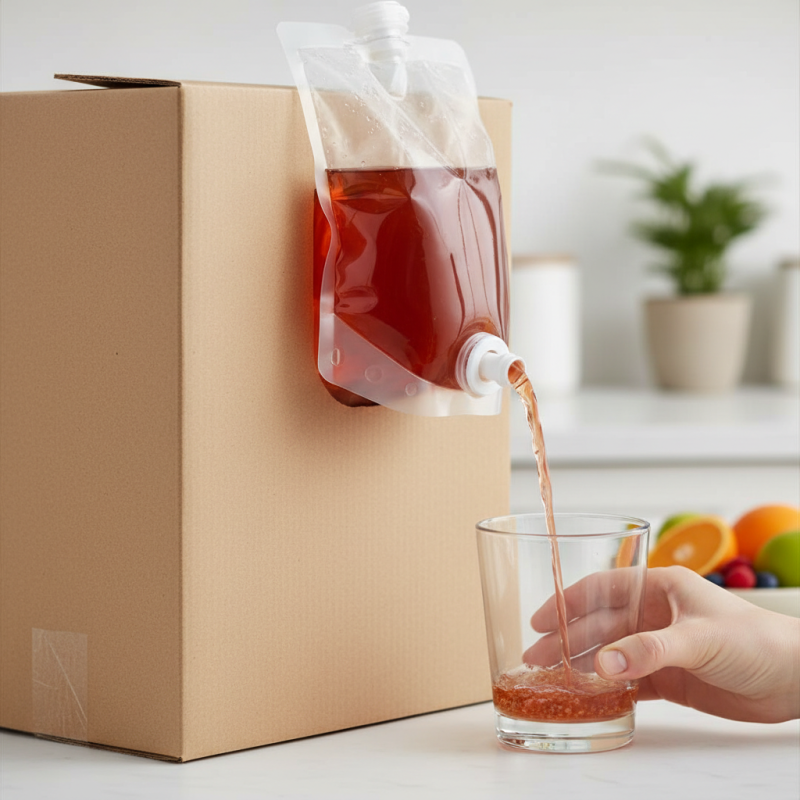
Bag In Box is an innovative packaging solution widely used in the beverage and food industries. It consists of a flexible plastic bag housed in a cardboard box. This design allows for easy storage and transportation. The bag can be filled with liquids like wine, juices, or sauces, making it an ideal choice for producers.
The key feature of Bag In Box packaging is the way it preserves freshness. The airtight bag reduces exposure to air, prolonging the shelf life. Once opened, the bag collapses, minimizing oxygen contact. Many users appreciate this design for its convenience. They find it easier to pour from a box than from a traditional bottle. However, it can be awkward when trying to pour the last drops.
Some may still have doubts about the material's sustainability. While many boxes are recyclable, the plastic bag may not be. This presents a challenge for eco-conscious consumers. They often seek alternatives that are both functional and environmentally friendly. Therefore, the adoption of Bag In Box may require more effort to align with sustainability goals.
Historical Development of Bag In Box Technology
The Bag In Box technology has a rich history. It emerged in the 1960s. Originally designed for easy storage and transport, this method has transformed how beverages are packaged. A flexible bag holds the liquid, while a sturdy box offers protection. This combination improves shelf life and reduces waste.
Over the years, Bag In Box systems have expanded. They are now common in many industries, especially for
Bag Box Wine. Many producers have adopted this technology for its convenience. It allows consumers to enjoy wine without worrying about spoilage. The vacuum seal keeps air out, preserving the flavor.
When using Bag In Box, consider these tips. Always check the best before date. Once opened, consume the wine within a few weeks. Store it in a cool place, away from sunlight. It’s a practical option but requires mindful usage. Balancing convenience with quality is essential.
Key Components of Bag In Box Systems
Bag In Box (BIB) systems are innovative packaging solutions commonly used for liquids. These systems consist of a flexible bag placed inside a rigid box. The design allows for efficient storage and transportation of liquids like wine, juices, and sauces. Each component has a specific role, which is vital for the overall function.
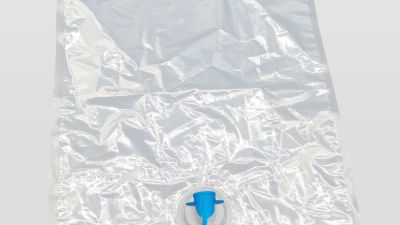
The main components of a BIB system include the bag, the spigot, and the outer box. The bag, typically made of polymer, holds the liquid. It collapses as the liquid is dispensed, minimizing air exposure. The spigot allows easy pouring without spillage. However, not all spigots perform equally, leading to potential waste. The outer box provides support and protection but can be cumbersome and not always environmentally friendly.
Manufacturers can overlook the importance of quality materials. A weak bag can rupture during transport, causing leaks. Moreover, the design must ensure user-friendliness, as complicated systems may frustrate consumers. Proper training on how to use these systems is often lacking, leading to misuse. Reflections on these shortcomings can shape better designs and user experiences in the future.
Advantages of Bag In Box Over Traditional Packaging
Bag In Box is a unique packaging solution that offers several advantages over traditional packaging methods.
One significant benefit is its ability to keep products fresh. The design includes a bag inside a box, which reduces the exposure to air.
This helps maintain the quality of the contents for longer periods. Freshness is key for many liquid products like juices and wines.
Another advantage is the ease of use. When pouring from a Bag In Box, the spout allows for a controlled flow. This minimizes spills and waste.
Traditional bottles often spill, creating messes that are hard to clean. This feature can save time and effort in both commercial and home settings.
Transporting and storing products in a Bag In Box is also more efficient. The box can be stacked, saving valuable space.
However, some users may find the initial setup confusing. Learning curves exist. While Bag In Box is innovative, it may not always be intuitive.
Even with its flaws, many find the benefits outweigh any downsides.
Applications of Bag In Box in the Beverage Industry
The beverage industry has embraced Bag In Box (BIB) technology for its versatility and efficiency. This packaging solution allows for easy storage and dispensing of liquids, minimizing waste. According to industry reports, the global Bag Box Packaging market is projected to grow at a CAGR of 6.4% over the next five years. This trend is partly due to the rising demand for eco-friendly packaging options.
One core application of Bag In Box is in wineries and breweries. It extends the shelf life of products without preservatives. The design prevents oxidation and contamination. Many producers have reported a 30% reduction in packaging waste compared to traditional bottles. Additionally, BIB’s space-saving features are appealing, as they reduce transportation costs.
Tips: If you're considering Bag Box Packaging, ensure your product aligns with its benefits. Understand how to train staff on proper handling. Evaluate your supply chain for opportunities to streamline costs. This could enhance operational efficiency.
Despite the advantages, some concerns linger. Quality control must be prioritized. A poorly sealed bag can lead to spoilage. Regular checks are essential. Ultimately, Bag In Box presents exciting possibilities for beverages, though it is vital to address these challenges.
Environmental Impact and Sustainability of Bag In Box
Bag In Box is more than just a packaging solution; it has implications for sustainability and the environment. This method is known for its eco-friendly attributes. The materials used in Bag In Box tend to be recyclable. This reduces landfill waste and minimizes environmental impact. The design also conserves space, which can lower carbon emissions during transportation.
When using Bag In Box, consider some important tips. Always check local recycling guidelines. Some materials might not be recyclable in your area. Rinsing the containers can also help with the recycling process. Think about sharing or reusing these boxes, which adds to sustainability.
However, not everything about Bag In Box is perfect. While it reduces waste, the production process still consumes resources. It's crucial to reflect on the lifecycle of the packaging. Using biodegradable options could be an alternative worth exploring. Small changes can lead to big improvements in sustainability.
Future Trends and Innovations in Bag In Box Solutions
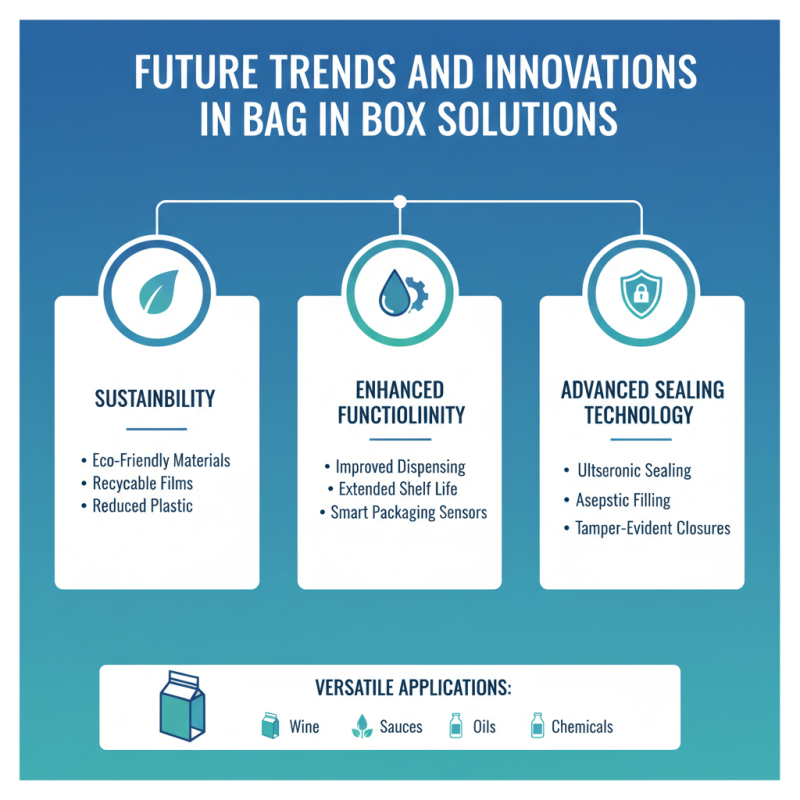
Bag In Box solutions are gaining traction in various industries due to their versatility. They are often used for liquids like wine, juice, and sauces. The design allows for easy dispensing and minimizes waste. With a growing focus on sustainability, manufacturers are exploring eco-friendly materials for these bags. Innovations in the sealing technology are also underway, providing better preservation of the contents.
Future trends point towards enhanced customization options. Businesses may offer personalized Bag In Box solutions to meet consumer preferences. Additionally, smart technology integration could transform the user experience. Imagine a digital indicator that shows product freshness. This would effectively reduce waste. However, the transition to these advanced solutions is not without challenges.
Many companies face barriers like costs and technological hurdles. Adapting traditional setups to new designs can be tricky. There’s also a need for more consumer education. Overall, as innovations unfold, Bag In Box solutions may continue to evolve. Learning from past mistakes can guide companies forward. Embracing change seems essential to stay competitive.
Exploring the Market Potential: Huadi's Customized 20L & 25L Transparent Plastic Bags for Beverages Amidst Projected Growth in Sustainable Packaging
The growing emphasis on sustainability in packaging solutions has led to a rise in the popularity of bag-in-box (BIB) systems, particularly within the beverage and food industries. These innovative packaging options integrate a flexible inner bag with a robust outer box, delivering distinct advantages such as extended shelf life, user-friendliness, and minimized waste. As consumers increasingly prioritize eco-friendly choices, the demand for sustainable packaging is expected to shape the landscape of the beverage market significantly.
One of the key trends driving the evolution of bag-in-box packaging is the focus on customization and branding. As the beverage sector becomes more competitive, companies are recognizing the importance of personalization in their packaging strategies. By offering distinctive designs, colors, and label options, brands can elevate their visibility and create lasting impressions on consumers. This aspect becomes particularly crucial as visual appeal plays a pivotal role in influencing purchasing decisions, making customized packaging an essential tool for engaging today's environmentally conscious consumers.
FAQS
: It is used for storing and dispensing liquids efficiently, reducing waste and enhancing product preservation.
It prolongs shelf life without preservatives and reduces packaging waste, benefiting both producers and the environment.
The market is expected to grow at a CAGR of 6.4% due to rising demand for eco-friendly options.
Ensure product compatibility, train staff on handling, and evaluate supply chain efficiency for cost-saving opportunities.
Regular checks for sealing integrity are essential to prevent spoilage and maintain product quality.
Enhanced customization and smart technology integration could provide personalized experiences and freshness indicators.
High costs and the need for consumer education create barriers to implementing these innovative solutions.
Learning from mistakes can help overcome challenges and improve the integration of advanced packaging solutions.
Its space-saving design leads to lower transportation costs, making it an attractive option for manufacturers.
No, while there are advantages, issues like sealing problems can arise, requiring attention and careful management.
Conclusion
Bag In Box (BIB) packaging is an innovative solution designed to enhance the storage and dispensing of liquids, primarily in the beverage industry. This packaging technology features a flexible bag housed within a sturdy box, allowing for improved preservation and ease of transport. Historically, Bag In Box has evolved significantly, with advancements in materials and design that optimize its functionality. The system typically includes key components such as the bag, tap, and outer box, which work in harmony to ensure product integrity and convenience.
The advantages of Bag In Box over traditional packaging methods are numerous, including extended shelf life, reduced waste, and cost-effectiveness. Its applications are vast, affecting sectors from wine to juices, demonstrating versatility and popularity. Additionally, Bag In Box packaging has a positive environmental impact due to its reduced carbon footprint and sustainable materials. Looking ahead, future trends in BIB solutions indicate ongoing innovations aimed at enhancing efficiency and sustainability within the industry, further solidifying its role in modern packaging strategies.