


Products News
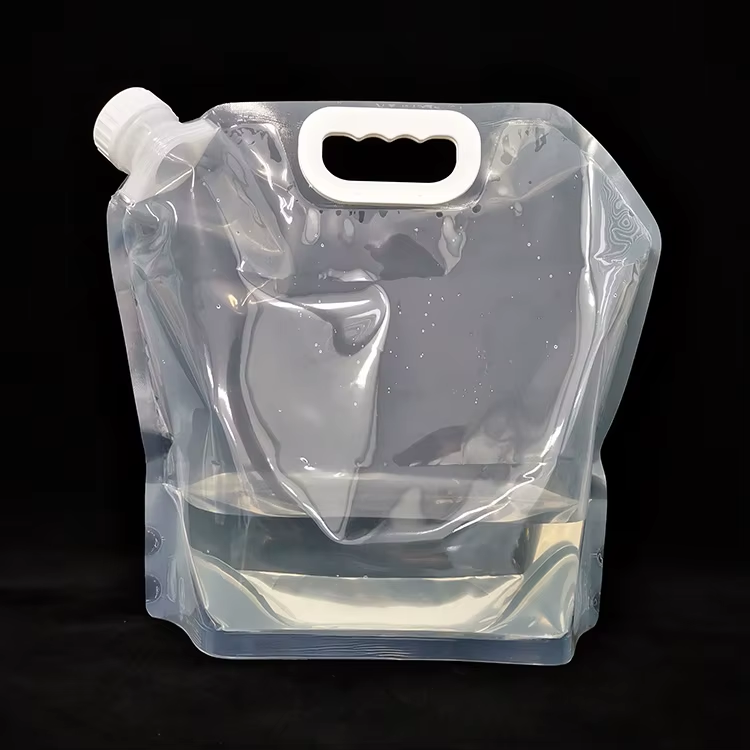
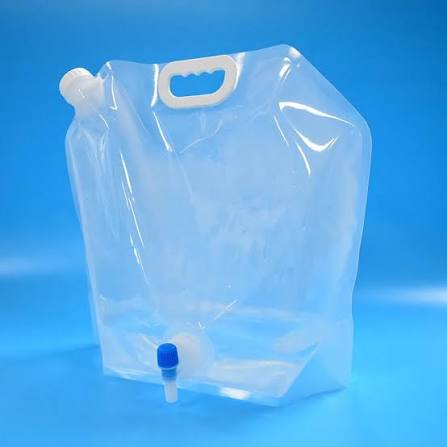

How can the design of food packaging bags attract consumers?
This article explores food packaging bag design from three aspects: visual breakthrough with color and information hierarchy, emotional anchoring via scenario integration and experience optimization, and value upgrade balancing compliance (GB 23350-2021), texture enhancement and innovative interaction to boost appeal and value.

What is a food packaging bag?
This outline explains food packaging bags' essence, core values, and selection skills, helping you understand and choose them properly.

What are the main transportation methods for composite packaging bags
The mainstream transportation methods for composite packaging bags: road, rail, waterway, and air, catering to various scenario requirements


What details are easily overlooked by users when using composite packaging bags?
Regarding the overlooked details in the entire process of composite packaging bags, covering selection, production, storage and transportation, professional dry goods, and risk avoidance.

Is the liquid packaging bag suitable for storing beverages or seasonings for a long time?
Wondering if liquid packaging bags work for long-term storage of beverages/condiments? This guide breaks down safe timeframes, material compatibility, hidden risks, and step-by-step storage + buying tips
Is composite packaging bag suitable for pet food packaging?
This document details composite packaging solutions for pet food: suitable materials (PET/NY/PE, PET/AL/PE) for freeze-dried, wet and trial products; unsuitable scenarios with alternatives; plus material selection, design optimization (zipper, exhaust valve) and compliance with GB4806 & EU standards.
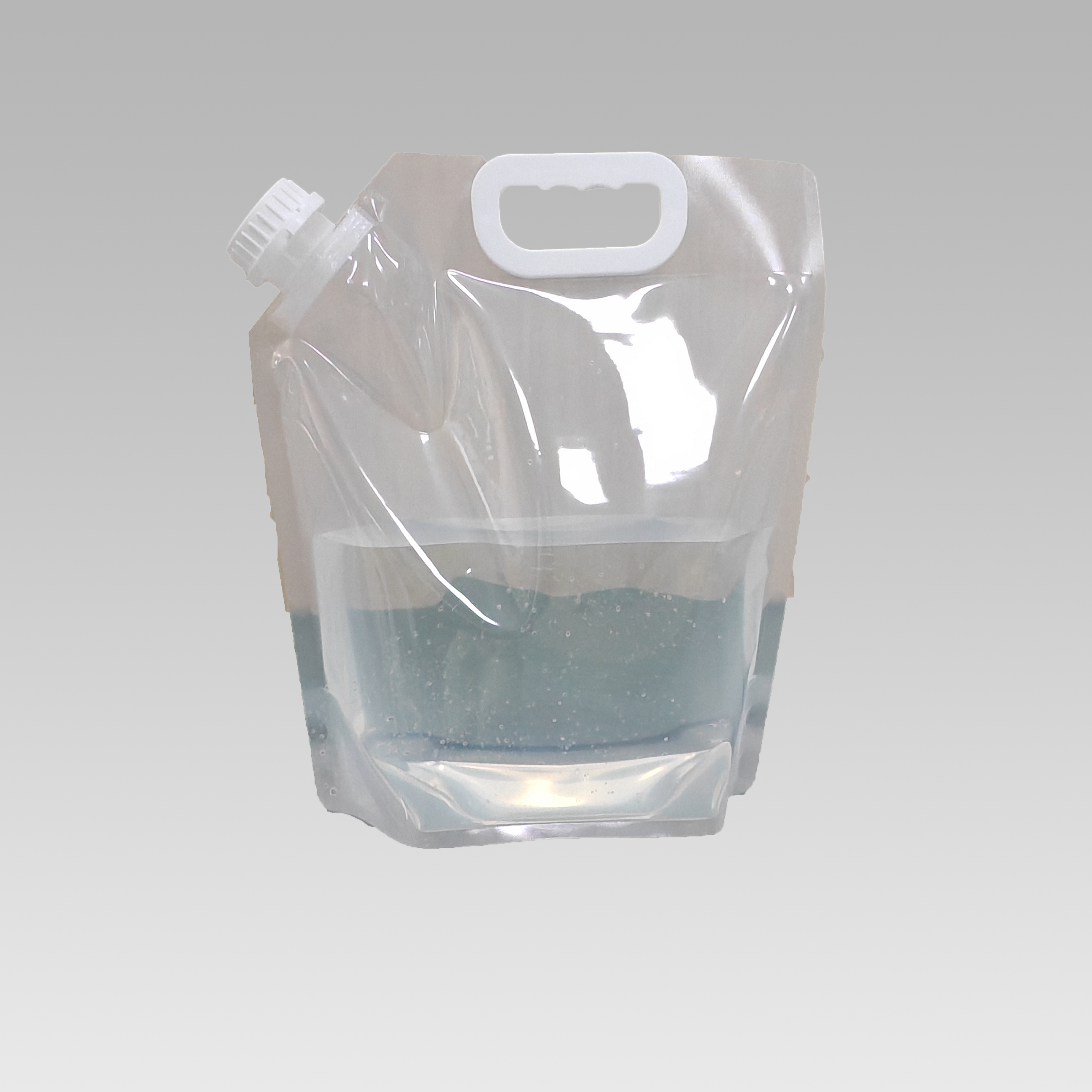

What is the PE material of food packaging bags?
Polyethylene (PE) is a mainstream and safe material for food packaging. To balance food preservation and health safety, it is essential to clarify its intrinsic properties, classification differences and scientific usage standards.
