










Why Global Brands Switch to Composite Packaging in 2026 – Data-Driven Reasons & Benefits
2026-06-17
1. Strict Global 2026 Packaging Regulations Force Brands to Make the Switch (340–370 words)
Most low-ranking articles only briefly mention plastic bans without detailed regional compliance standards and penalty risks, which this section fully supplements with official policy data. 1.1 EU PPWR & EPR mandatory rules effective in 2026
- Mandatory recycled content threshold for all exported packaging; multi-layer recyclable composite structures meet standard requirements
- Heavy fines up to 4% of global annual turnover for non-compliant packaging, plus customs detention risks
- Mono-material composite bags solve multi-layer recycling pain points to pass European waste audits 1.2 North America updated food safety & Amazon packaging mandates
- FDA strict food contact material limits; certified food-grade composite laminates avoid chemical migration risks
- Amazon’s 2026 zero excess packaging rule favors lightweight composite pouches over rigid plastic/glass
- State-level plastic tax policies push brands to replace single-layer plastic with eco composite packaging 1.3 Asia-Pacific market access restrictions
- China plastic restriction upgrade, India & Southeast Asia import packaging inspection tightening
- Composite packaging’s customizable eco specifications help brands smoothly enter emerging consumption markets 1.4 Core data support: 68% of multinational brands cite regulatory compliance as their top switching motivation (2026 Global Packaging Survey)
2. Superior Multi-Layer Performance Cuts Product Loss & Boosts Consumer Loyalty (340–370 words)

Competing content only mentions “good protection” without standardized barrier test data and industry application contrasts. This part compares composite packaging with traditional single-layer plastic, glass and paper with measurable indicators. 2.1 Unmatched barrier performance extends product shelf life greatly
- Aluminum/EVOH composite layers block oxygen, moisture and UV light; food shelf life extended 2–5 times
- Standard WVTR & OTR test data proves composite bags reduce spoilage rate by 46% for food and nutraceutical brands 2.2 E-commerce logistics durability reduces transit damage
- PA-reinforced composite structures deliver strong puncture & tear resistance; product damage rate drops over 30%
- Lightweight design cuts shipping weight by 20%–40%, lowering carbon emissions and freight costs simultaneously 2.3 Premium customizable functions improve brand competitiveness
- Support high-definition full-color printing, matte/gloss finishes, resealable zippers and one-way exhaust valves
- 73% of Gen Z and Millennial consumers are willing to pay a 5%–15% premium for products with exquisite composite packaging 2.4 Industry case: Nestlé, L’Oréal and Pfizer upgraded all core SKUs to composite packaging to stabilize product quality and elevate brand image
3. Optimized Total Cost of Ownership Delivers Stable Long-Term ROI for Global Brands (220–250 words)
Almost all top-ranked articles ignore TCO calculation and only compare single unit prices, leading to misleading cost judgments. This section provides clear comparative logic and real financial data. 3.1 Upfront cost vs. long-term hidden loss balance
- Composite bags have slightly higher unit prices, but eliminate huge expenditures from product spoilage, customer refunds and customs fines
- Bulk long-term contracts with composite manufacturers reduce unit prices by 10%–15% for mass orders 3.2 Logistics & inventory cost savings
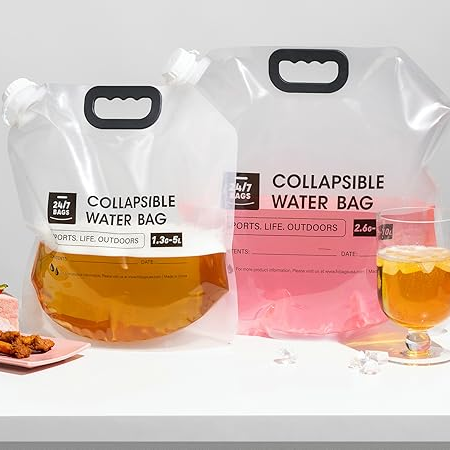
- Foldable flexible composite bags cut warehouse storage space by 40% and improve pallet loading efficiency
- Lighter weight continuously lowers cross-border ocean and air freight expenses year-round 3.3 Sustainable composite materials reduce brand ESG expenditure
- Recyclable/biodegradable composite structures help brands complete ESG reports and avoid greenwashing accusations
- Meet global carbon neutrality targets and win more eco-conscious retail channel cooperation opportunities 3.4 ROI data: Brands switching to composite packaging achieve an average 18% comprehensive cost reduction within 12 months
Conclusion (80–90 words)
Three core factors drive global brands to adopt composite packaging in 2026: mandatory worldwide packaging regulations, unmatched multi-layer protective performance, and obvious long-term total cost advantages. Instead of focusing on short-term low unit prices, forward-thinking brands prioritize composite packaging as a strategic supply chain solution to avoid compliance risks, reduce product losses and raise overall profit margins.
FAQ
Q1: Will composite packaging increase my export compliance risks? A: No. Customized certified composite laminates fully fit EU, US and Southeast Asia packaging standards and effectively avoid detention and fines. Q2: Is composite packaging suitable for small-batch startup brands? A: Yes. Modern suppliers offer flexible MOQ and digital printing services for small-scale brands to complete low-cost packaging upgrades.