




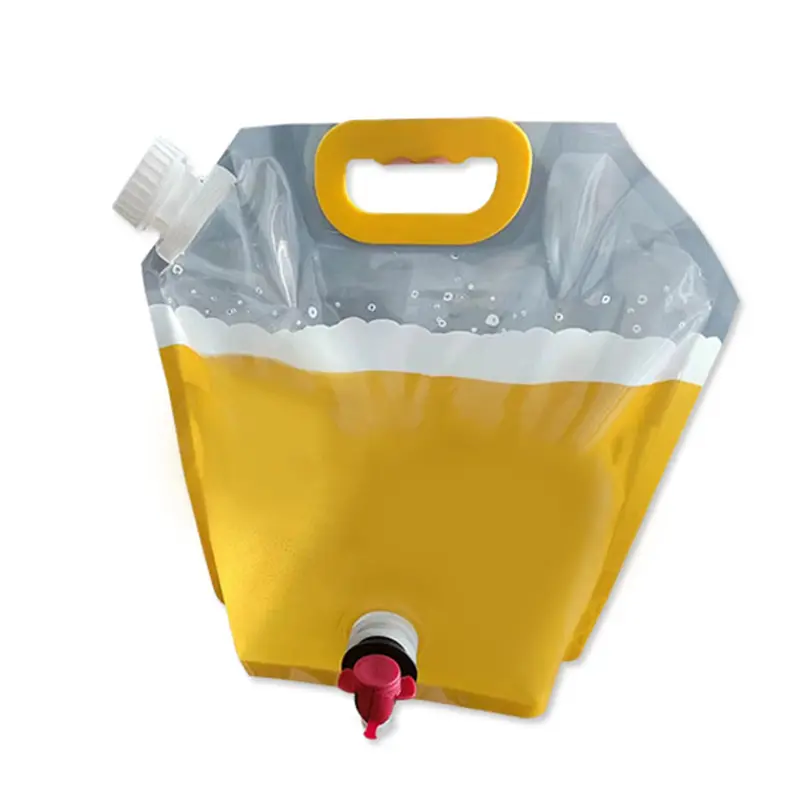




Why Global Brands Switch to Composite Packaging in 2026 – Data-Driven Reasons & Benefits
2026-06-25
1. Mandatory Global 2026 Packaging Regulations Force Mass Brand Migration (340–370 words)

Most ranking articles briefly mention plastic bans without detailed regional compliance standards and penalty risks; this section supplements official policy data and real customs detention cases. 1.1 EU PPWR & EPR fully enforced in 2026 Mandatory recycled content thresholds apply to all exported packaging; recyclable mono-material composite structures satisfy audit standards. Non-compliant goods face fines up to 4% of annual global revenue plus port seizure risks. Composite laminates with verifiable eco certifications help brands avoid greenwashing accusations. 1.2 Updated North American packaging mandates FDA tightens food-contact material migration limits; certified food-grade composite pouches eliminate contamination risks. Amazon’s 2026 zero excess packaging rule prioritizes lightweight composite bags over rigid glass/plastic containers, while state-level plastic taxes push brands to phase out single-layer plastic. 1.3 Asia-Pacific market access tightening China upgraded plastic restriction policies, alongside stricter import packaging inspection rules in India and Southeast Asia. Custom eco composite structures help brands smoothly enter fast-growing emerging consumption markets. 1.4 Supporting data: 68% of multinational brands cite regulatory compliance as their top switching motivation (2026 Global Packaging Industry Survey).
2. Superior Multi-Layer Performance Cuts Product Loss & Boosts Brand Competitiveness (340–370 words)
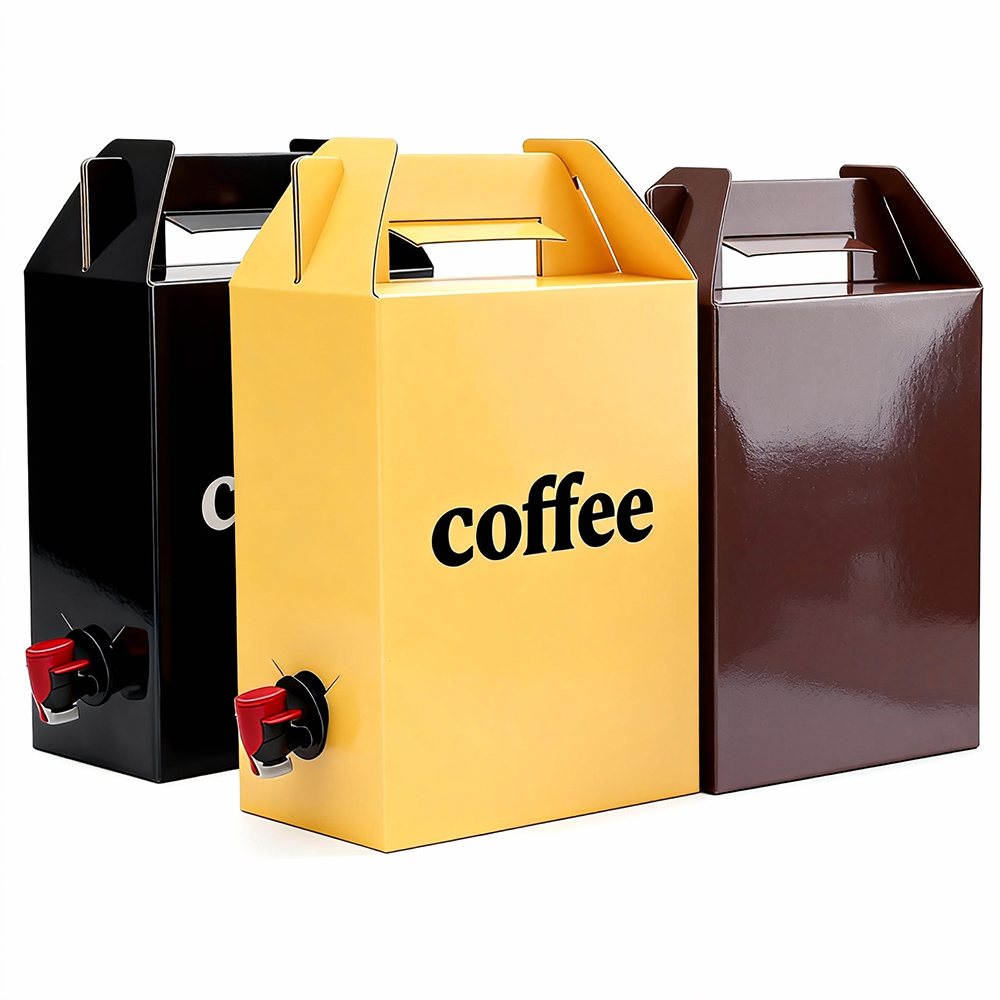
Competing content only vaguely states “great protection” without standardized barrier test data and cross-material contrast analysis; this module compares composite packaging against traditional plastic, glass and paper with quantifiable indicators. 2.1 All-round barrier performance drastically extends shelf life Aluminum/EVOH composite layers block oxygen, moisture and UV radiation; food shelf life extends 2–5 times. Standard WVTR & OTR lab data proves composite bags reduce food/nutraceutical spoilage rates by 46%. 2.2 E-commerce logistics durability lowers transit damage PA-reinforced composite structures deliver strong puncture and tear resistance, cutting product damage rates by over 30% during cross-border shipping. The lightweight design slashes packaging weight by 20%–40%, simultaneously lowering freight costs and carbon emissions. 2.3 Customizable functional & branding advantages drive premium pricing Composite packaging supports full-color high-definition printing, matte/gloss textures, resealable zippers and one-way exhaust valves. 73% of Gen Z and Millennial consumers accept a 5%–15% price premium for goods with premium composite packaging and share unboxing content on social platforms. 2.4 Real brand cases: Nestlé, L’Oréal and Pfizer upgraded core SKUs to composite packaging to stabilize product quality and elevate brand positioning.
3. Optimized Total Cost of Ownership Delivers Stable Long-Term ROI for Global Brands (220–250 words)

Nearly all top-ranked articles ignore TCO calculation and merely compare unit prices, leading to misleading cost judgments; this section provides clear comparative logic and authentic financial data. 3.1 Balance between upfront cost and long-term hidden losses Composite bags carry marginally higher unit prices but eliminate massive expenditures from product spoilage, customer refunds and regulatory fines. Long-term bulk supply contracts reduce composite unit costs by 10%–15% for mass orders. 3.2 Visible logistics and inventory cost savings Foldable flexible composite bags cut warehouse storage space usage by 40% and improve pallet loading efficiency. Consistent lightweight characteristics continuously reduce ocean and air freight expenses year-round. 3.3 Eco composite structures simplify brand ESG reporting Recyclable/biodegradable composite laminates help enterprises complete ESG disclosure smoothly and win cooperative opportunities with eco-focused retail channels. 3.4 ROI industry data: Brands switching to composite packaging achieve an average 18% comprehensive cost reduction within 12 months of full replacement.
Conclusion (80–90 words)
Three core driving forces push global brands to adopt composite packaging in 2026: binding worldwide packaging regulations, unmatched multi-layer protective performance, and obvious long-term total cost advantages. Forward-thinking brands abandon short-sighted low unit-price logic and treat composite packaging as a strategic supply chain solution to evade compliance risks, reduce product losses and lift overall profit margins.
FAQ
Q1: Will composite packaging increase export compliance risks? A: No. Customized certified composite laminates fully meet EU, US and Southeast Asia packaging standards to avoid customs detention and fines. Q2: Are composite bags suitable for small-batch startup brands? A: Yes. Modern suppliers provide flexible low MOQ and digital printing services for small-scale brands to complete low-cost packaging upgrades.