



Products News



0102030405
What are the design criteria for the dimensions of food packaging bags?
2025-12-30
I. Introduction: The Core Value of Composite Packaging Bags Size Design – More Than Just "Fitting"
1. Industry Pain Points: Over-packaging of composite Packaging Bags leads to soaring costs, and improper sizes cause logistics damage (Data Citation: Food packaging accounts for 30%-60% of total costs, with 1%-3% waste from composite Packaging Bags size deviations);
2. Core Goal: Clarify that composite Packaging Bags size design is a key link connecting products, production, logistics and consumption, requiring both practicality and economy;
2. Core Goal: Clarify that composite Packaging Bags size design is a key link connecting products, production, logistics and consumption, requiring both practicality and economy;
II. Four Core Bases for Composite Packaging Bags Size Design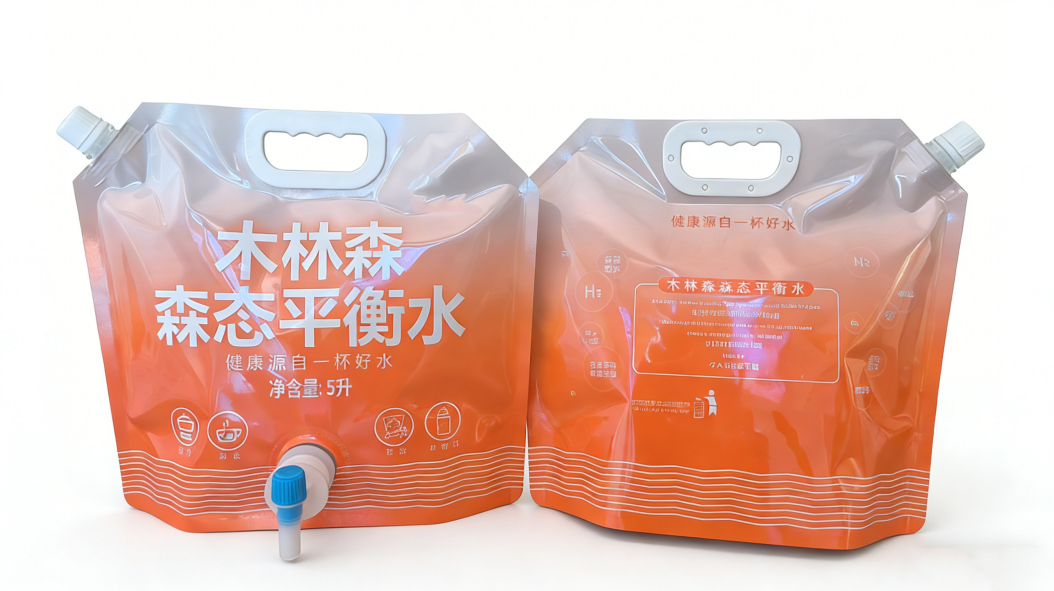
(I) Product Characteristics: The Fundamental Premise of Composite Packaging Bags Size Design
1. Physical Properties: Determine basic sizes of composite packaging bags based on product length, width, height, weight and form (block/granule/powder). Core formula for cuboid products: Composite Bag Length = Product Length + Product Height/2 Composite Bag Width = Product Width + Product Height, with an additional 5%-10% process margin reserved for composite materials;
2. Product Feature Adaptation: Increase buffer space in composite packaging bags for fragile items, reserve headspace for powder/gas-producing foods (to avoid bursting), and adjust seal edge size of composite packaging bags for oily foods based on film layers;
3. Net Content Compliance: Comply with general rules for prepackaged food labels, ensure composite packaging bags size matches marked net content, and avoid misleading consumers with redundant space.
(II) Bag Type & Process: Technical Constraints of Composite Packaging Bags Size Design
1. Differentiated Requirements for Composite Bag Types:Three-Side Sealed composite bags need more folding margin, four-Side Sealed composite bags can reduce width (W = Product Width + Height), M-type pre-made composite bags require double fold depth, and stand-up composite bag bottom width must ensure standing stability;
2. Production Process Compensation for Composite Bags: Reserve 0.5-1cm deviation for heat-sealed edges of composite packaging bags, 3-5mm printing bleed, and control overprint error to ≤0.1mm (pharmaceutical-grade standard for composite materials);
3. Equipment Adaptability: Design composite packaging bags sizes according to the width of bag-making machines and printing machines (e.g., common 1000mm, 1300mm plate rollers for gravure printing machines) to avoid frequent mold changes for composite film processing.
(III) Logistics & Warehousing: Full-Chain Considerations for Composite Packaging Bags Size Design
1. Pallet & Transportation Adaptation: Match standard pallet sizes (1200mm×1000mm, etc.) with composite packaging bags, ensure sizes are divisible or nearly divisible to improve stacking density and stability of composite bag bundles;
2. Warehousing Efficiency Optimization: Standardize composite packaging bags sizes to fit shelf specifications, adopt foldable composite bag designs to reduce storage volume and warehousing rental costs;
3. Damage Rate Control: Ensure tight fit between composite packaging bags size and contents to reduce internal shaking, avoiding handling friction and stacking deformation (damage risk of composite bags increases by 30% for oversized designs).
(IV) Compliance & Experience: Implicit Requirements for Composite Packaging Bags Size Design
1. Industry Standard Compliance: Comply with GB/T 31556.1-2015 Paper Bag Size Measurement Method and relevant standards for composite packaging; reserve space for traceability codes and Braille on composite packaging bags for pharmaceutical use;
2. User Experience Adaptation: Match composite packaging bags opening size to usage scenarios, adjust handle size of composite bags to product weight, and avoid toppling due to overly high/narrow stacking ratio of composite bag bundles;
3. Environmental Compliance: Respond to the reduction trend, optimize composite packaging bags sizes to reduce composite film consumption, and align with EU packaging directives and other environmental requirements for composite materials.
III. Balancing Practicality and Cost: Six Core Optimization Strategies for Composite Packaging Bags

(I) Size Precision: Reduce Composite Material Waste from the Source
1. Millimeter-Level Optimization: Compress redundant seal edges of composite packaging bags (from conventional 7-15mm to 5mm, 3mm for CPP-based composite materials), reducing single composite bag material usage by 8%;
2. Avoid Design Redundancy: Refrain from blindly increasing safety factors for composite packaging bags; set safety factor K=1.5 for 3-layer normal-temperature warehousing of composite bag bundles to meet requirements;
3. Special-Shaped Composite Bag Handling: Use 3D scanning for multi-point measurement and averaging to avoid composite material waste caused by size deviations.
(II) Composite Material & Bag Type Adaptation: Reduce Cost Without Compromising Quality
1. Lightweight Composite Material Application: Use ≤200g/m² cardboard combined with thin composite films under compliance, reduce PE layer thickness of composite films (from 80μm to 60μm) for composite packaging bags;
2. Thin Weak Display Surfaces: Use thin composite materials for stand-up composite bag bottoms and octagonal sealed gussets (12μm PET to 8μm in composite layers), reducing composite packaging bags costs by 3%-7%;
3. Composite Bag Type Preference: Choose four-Side Sealed composite bags for heavy goods (high load-bearing) and three-Side Sealed composite bags for light snacks (high efficiency), avoiding cost inflation from over-protection of composite packaging.
(III) Production Process Optimization: Improve Efficiency to Allocate Composite Bags Costs
1. Imposition & Standardization: Adopt imposition printing for composite packaging bags to save 15-20% of costs, reuse standard die-cutting molds for composite bags to avoid mold opening fees (500-1000 yuan for special sizes of composite packaging);
2. Batch Allocation: Negotiate prices for annual consumption of composite packaging bags over 500,000 units to reduce the allocation ratio of plate and processing fees; control loss rate of composite film for small orders (avoid exceeding 15%);
3. Process Simplification: Reduce printing colors on composite packaging bags (single color is 40% cheaper than four colors), remove invalid printing areas on back-sealed composite bags, and reduce ink consumption on composite films.
(IV) Full-Chain Logistics Cost Reduction: Link Composite Bags Sizes to Supply Chain
1. Transportation Efficiency Improvement: Optimize composite packaging bags sizes to increase carriage/container loading rate; a case study showed 30% logistics cost reduction after adjusting composite bag volume;
2. E-Commerce Adaptation: Design composite packaging bags according to express package size limits to avoid additional charges. Reference formula for composite bags: Bag Length = Product Length + Height/2 + 3cm Buffer; Bag Width = Product Width + Height + 2cm;
3. Joint Size Optimization: Reduce single corrugated joint of composite bag outer packaging to 30mm, double corrugated to 35mm, accumulating 0.3%-0.5% cost savings for composite Packaging Solutions.
(V) Quality Control: Avoid Hidden Cost Losses of Composite Packaging Bags
1. Prototyping Verification: Test sealability and size adaptation through finished composite packaging bags prototyping (600-1000 yuan/model) to avoid mass scrapping of composite films;
2. Error Control: Strictly control cutting tolerance (±1mm) and heat-sealing deviation of composite packaging bags, accept products according to GB 2828 AQL 1.0 level for composite materials;
3. Sample Retention & Traceability: Keep 30 composite packaging bags samples to define production and transportation responsibilities and reduce dispute costs.
(VI) Digital Assistance: Precisely Calculate Composite Packaging Bags Costs
1. Cost Formula Application for Composite Bags: Single-Composite Bag Cost = Composite Material Cost × (1 + Loss Rate) + Processing Fee + Plate Fee Allocation, accurately calculating expenditures at each link;
2. Data-Driven Selection: Choose corrugation type for composite bag outer packaging based on product weight and circulation environment (C-flute for heavy goods, E-flute for light goods) to avoid composite material mismatches.
2. Data-Driven Selection: Choose corrugation type for composite bag outer packaging based on product weight and circulation environment (C-flute for heavy goods, E-flute for light goods) to avoid composite material mismatches.
IV. Analysis of Composite Packaging Bags Industry Practical Cases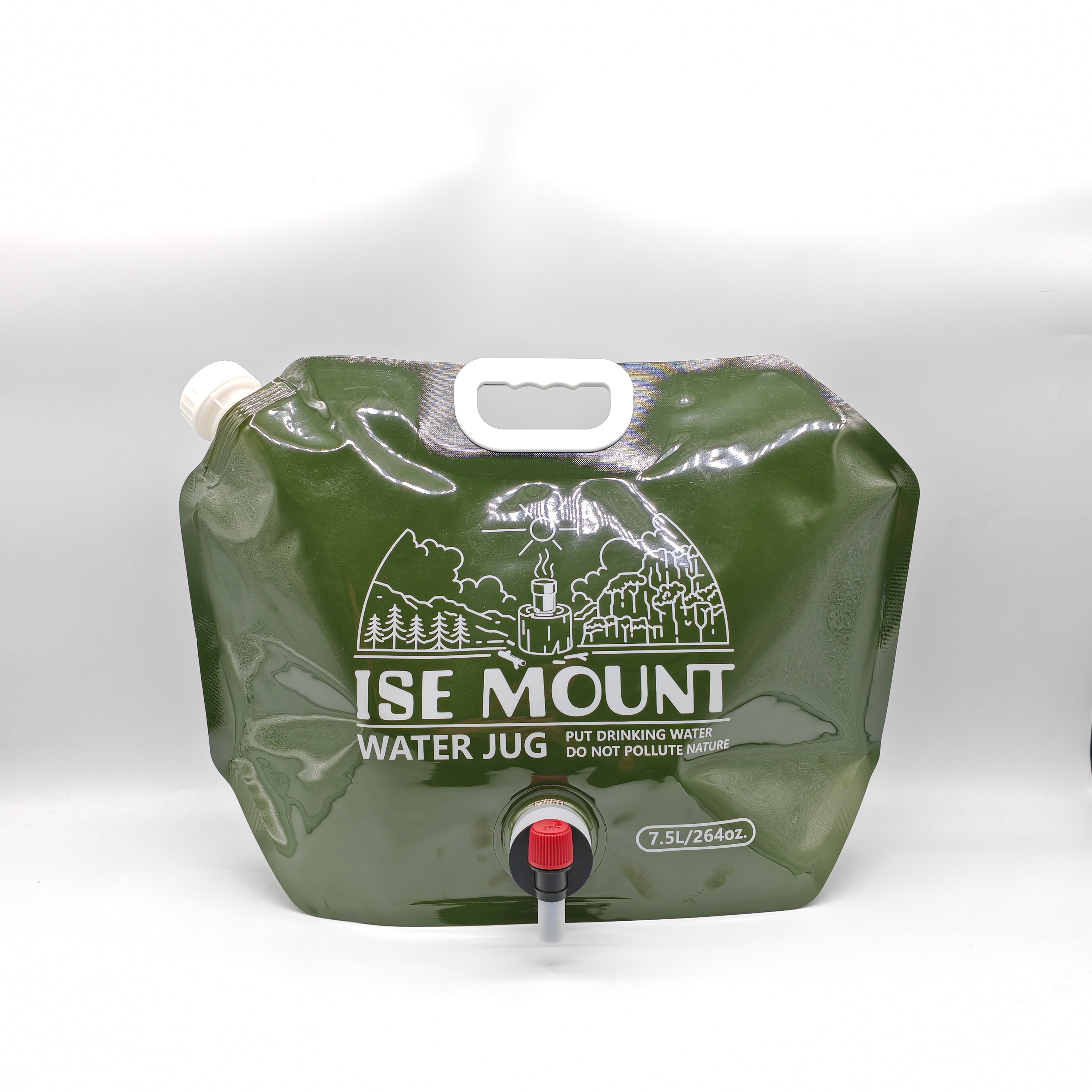
1. Daily Chemical Food Case: Reducing the seal edge of laundry detergent pre-made composite packaging bags from 10mm to 5mm saved over 1.5 million yuan annually in composite material costs;
2. Braised Food Case: Adjusting composite film structure of individual composite packaging bags reduced costs by 25% while meeting protection requirements;
3. E-Commerce Food Case: Standardizing composite packaging bags sizes to fit pallets increased stacking density by 20% and reduced logistics costs by 8%.
V. Common Misunderstandings & Pitfall Avoidance Guide for Composite Packaging Bags

1. Misunderstanding 1: Higher Grammage of Composite Film = Safer – In fact, reduce composite film grammage without decreasing strength by adjusting composite layer structure;
2. Misunderstanding 2: Blindly Choosing Degradable Composite Materials – PLA-based composite films cost 3 times more, suitable only for high-end composite packaging trial production;
3. Misunderstanding 3: Ignoring Composite Bags Size & Plate Roller Adaptation – Adjust composite film width to achieve "1-out-of-2" production, doubling composite packaging efficiency;
4. Pitfall Avoidance Tip: Clarify manufacturing sizes of composite packaging bags during pricing to avoid deviations between "outer diameter-based payment" and "manufacturing-based production" of composite films.
VI. Summary & Future Trends of Composite Packaging Bags Size Design
1. Core Summary: Composite packaging bags size design should focus on products, link the entire production and logistics chain, and balance practicality and cost through precision, standardization and composite material lightweighting;
2. Future Trends: M-type folding mechanisms for composite bags, digital design tools and environmental composite materials will drive more refined composite packaging bags size design, with cost reduction potential shifting to composite material technological innovation.
2. Future Trends: M-type folding mechanisms for composite bags, digital design tools and environmental composite materials will drive more refined composite packaging bags size design, with cost reduction potential shifting to composite material technological innovation.