


Products News
0102030405
The structure and characteristic advantages of the valve bag
2025-12-31
Section 1: Valve Bag Structure – Core Components & Material Variations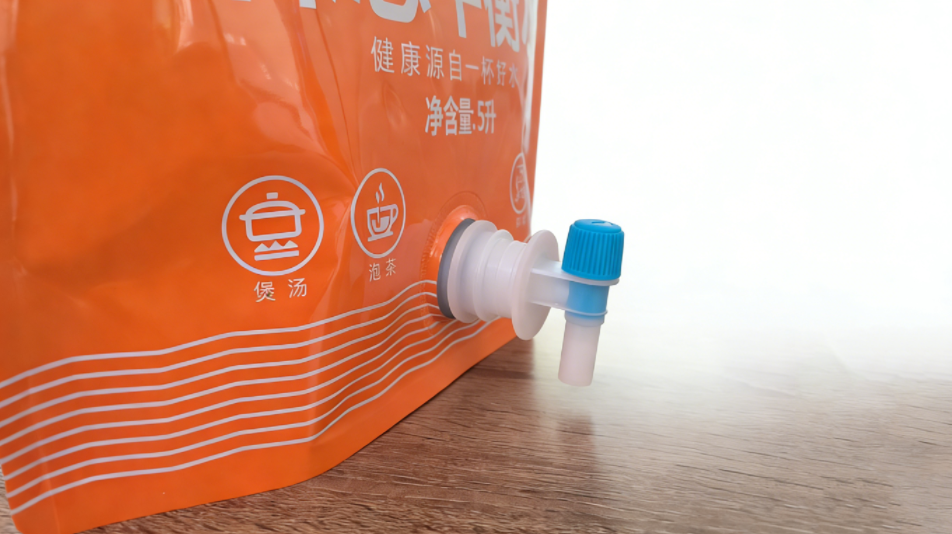
1.1 Essential Structural Components
- Valve Mechanism: Types (top/side valve; self-closing, heat-sealable, ultrasonic-sealable, foldable valves); materials (PP/PE/aluminum); functions (dust-free filling, pressure release, anti-leakage).
- bag Body: Base designs (pasted bottom, square bottom) for cube formation post-filling; seal types (heat-sealed, glued, ultrasonic-sealed) for structural integrity; optional handles for end-user convenience.
- Ventilation System: Dislocated perforations in multi-layer designs to exhaust air during filling, preventing leakage while maintaining seal (critical for fine chemical powders).
1.2 Material Classifications & Layered Constructions
- Plastic Valve Bags: PE/PP single/multi-layer films; HDPE variants for moisture resistance; mono-material designs for recyclability; suitable for chemicals, fertilizers, and food powders.
- Paper & Multiwall Valve Bags:1-3 ply high-performance paper; poly-coated interiors for moisture/flavor barrier; renewable fiber options; ideal for cement, grains, and pet food.
- Hybrid & Specialized Designs: Paper-plastic composites (water-repellent outer paper + HDPE inner); compostable materials; tear-open strips and anti-counterfeiting label integration.
1.3 Structural Variations by Capacity & Application
- Standard Capacity (3-50kg): For fertilizers, flour, and plastic pellets; compatible with automated filling lines (1200-2000 bags/hour).
- Mini Valve Bags (2.3-6.5L/3-7.5kg): For small-batch food ingredients, pet treats, and cosmetic powders.
- Large-Scale Variants (50-100kg): Ultra-stiff multiwall designs for industrial minerals, and nano-powders.
Section 2: Key Features of Valve Bags – Functionality & Versatility
- Automation Compatibility: High-speed filling (up to 2000 bags/hour) via gravity/air pressure; no manual positioning required, reducing labor costs by 60% vs open bags.
- Dust-Free & Contamination Control: Valve design prevents spillage and dust emission, meeting hygiene standards for food/pharmaceutical applications (FDA-compliant options available).
- Optimal Stackability: Cube-shaped form post-filling improves pallet density (30% higher than irregular open bags), lowering logistics costs.
- Customizable Protection: Multi-layer/coated materials offer moisture, oxygen, and pest barriers; one-way valves for pressure release (suitable for dry ice and gas-generating products).
- Branding Flexibility: 360° printing area (3x larger than traditional bags) for instructions, translations, and high-impact designs (gravure/flexo printing compatible).
Section 3: Competitive Advantages Over Traditional Packaging
3.1 Operational Efficiency & Cost Savings
- Filling & Logistics Efficiency:Automated lines reduce labor reliance; flat storage (Empty Bags) saves warehouse space vs rigid containers; 40-50% lower shipping costs due to lightweight design.
- Material Optimization: Hybrid designs (e.g., 25% lower grammage paper bags) cut material costs without compromising strength; mono-material options reduce recycling processing fees.
3.2 Product Protection & Compliance
- Superior Seal Integrity: Self-closing/heat-sealed valves prevent leakage (1.5m drop test pass rate for powders); moisture barriers extend shelf life by 30% vs open bags.
- Regulatory Adherence: Food-safe, chemical-resistant, and compostable variants meet global standards (EPR schemes, plastic tax compliance).
3.3 Sustainability & End-User Value
- Eco-Friendly Attributes:Renewable paper fibers, recyclable PP/PE, and reduced plastic usage (80% less than rigid packaging); certified compostable options available.
- User Convenience: Tear-open strips, handles, and precise dosing (effusion valve designs) enhance usability for both industrial and consumer end-users.
3.4 Comparative Advantage vs Open Bags
- Speed: 3x faster filling than manual/semi-automatic open bags; ideal for high-volume production.
- Cleanliness: Eliminates dust exposure during filling, reducing workplace hazards and product contamination.
Section 4: Industry Applications – Translating Features to Use Cases

- Construction & Building Materials: Cement, gypsum, dry mortar (moisture-resistant multiwall bags with high stacking strength).
- Food & Agriculture: Flour, starch, coffee beans, fertilizers, seeds (food-safe liners, pest barriers, and recyclable options).
- Chemicals & Industrial Goods: Resins, plastic additives, nano-powders (chemical-resistant PE/PP, leak-proof valves, and dust control).
- Specialized Sectors: Pharmaceuticals (sterile, tamper-proof designs), dry ice shipping (one-way pressure valves), pet food (odor barriers and handles).
Section 5: Future Trends & Innovations in Valve Bag Technology
- Sustainable Innovations: High-barrier mono-material films, chemical recycling for composites, and responsibly sourced paper fibers (aligning with Mondi's Re/Cycle portfolio).
- Smart Integration: RFID tags for supply chain tracking, QR codes for inventory management, and sensor-equipped valves for pressure monitoring.
- Market Expansion: Growing adoption in pharmaceuticals and personal care (bag-on-valve technology); APAC CAGR of 5.6% driven by infrastructure development.
Conclusion
Valve bags outperform traditional packaging via precision structure, automation compatibility, and sustainability. Their ability to balance efficiency, product protection, and compliance makes them indispensable across industries. As innovations in materials and smart technology advance, valve bags will remain a core solution for bulk powder/granular packaging needs globally.