



0102030405
The 5 Essential Buying Tips for Liquid Storage Bags
2026-01-27
Tip 1: Choose Solvent-Free & Chemical-Resistant Materials for Liquid Storage Bags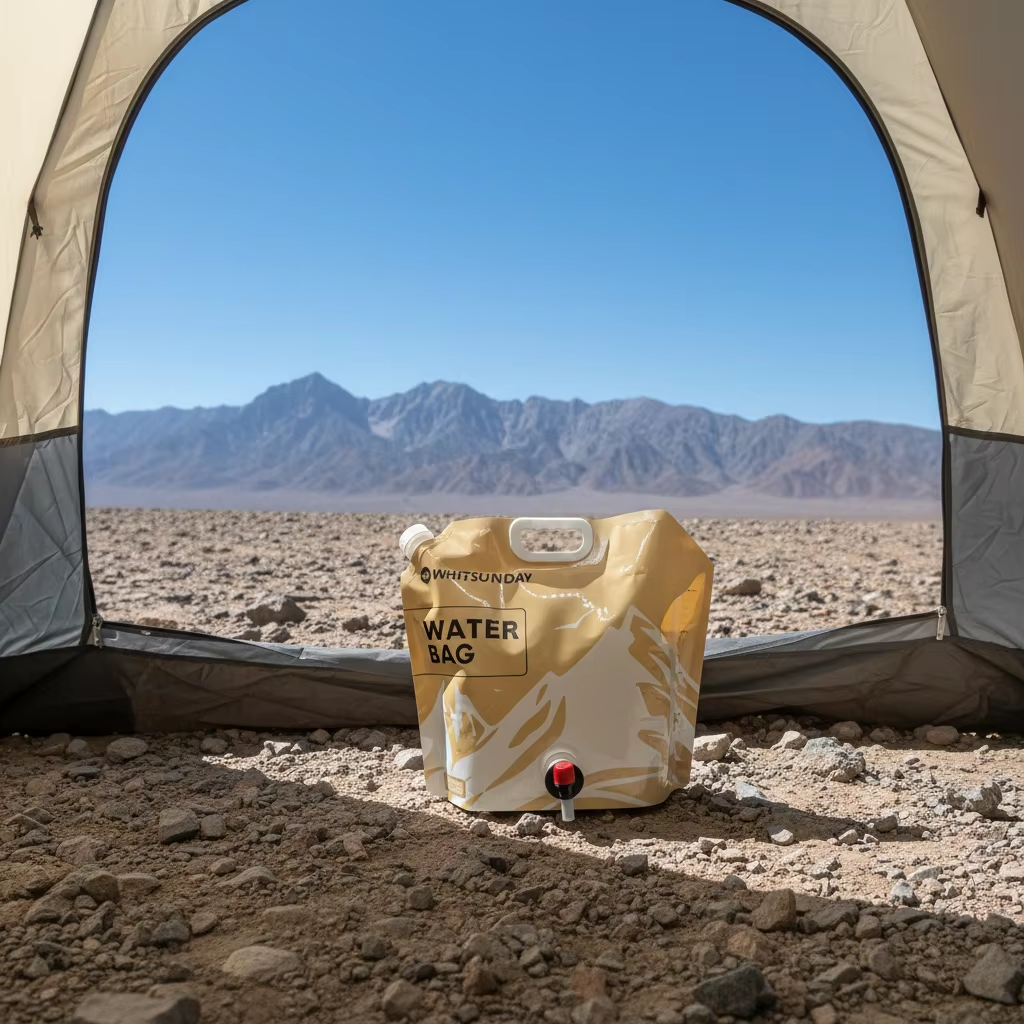
Material is the foundation of liquid storage bag safety and durability. For food liquids (juice, dairy, sauces), prioritize food-grade composites: PET/PE for short-term storage (cost-effective, transparent); PET/AL/PE (aluminum foil) for long-term storage (blocks oxygen/light, extends shelf life by 30%+); PA/PE for thick, granular liquids (peanut butter, jam) due to high puncture resistance. For lab samples and pharmaceuticals, choose PP (autoclavable up to 121°C, ideal for sterile needs) or LDPE (flexible, leak-proof for short-term transport). For chemicals (acids, alkalis), opt for solvent-free composite films with corrosion resistance. Ensure materials comply with FDA 21 CFR 177 and EU 1935/2004, avoiding solvent residues and harmful migration.
Tip 2: Enhance Leak-Proof Performance with Heat-Seal & Valve Systems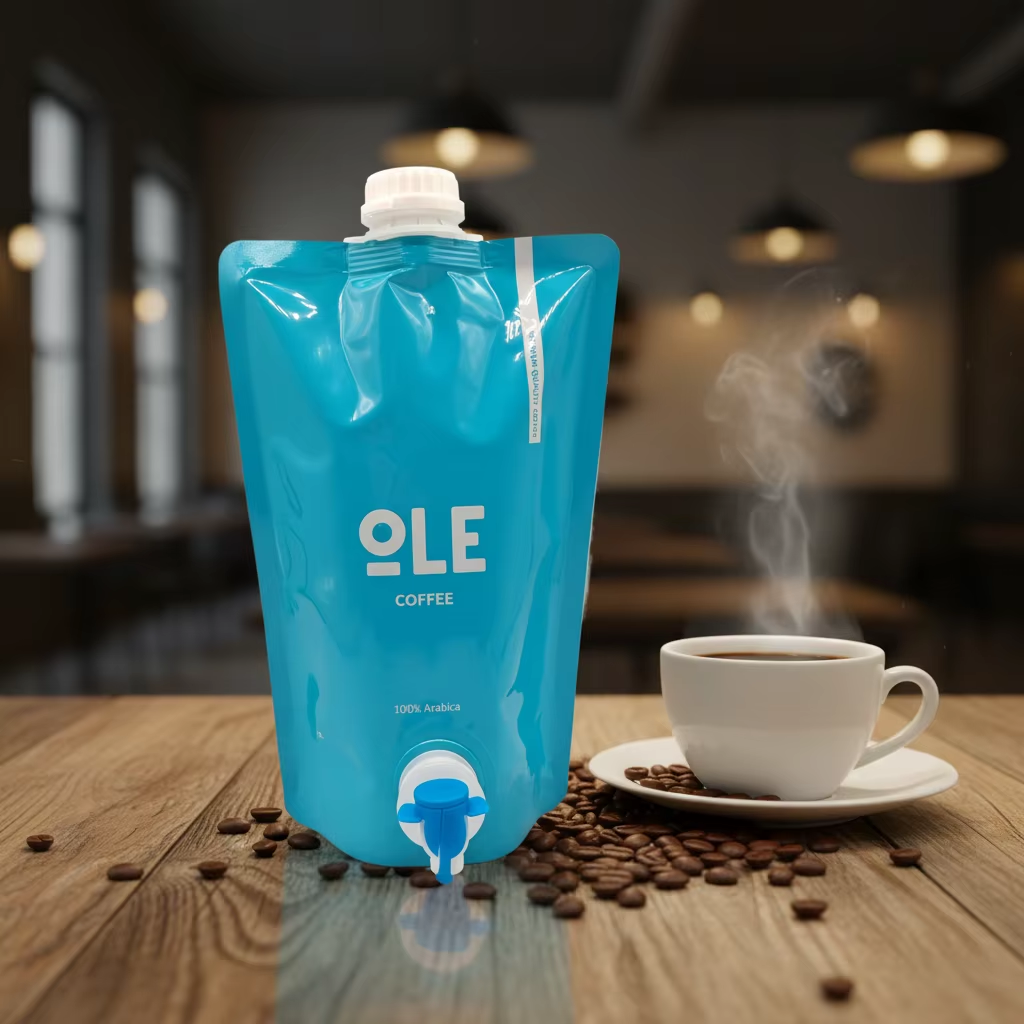
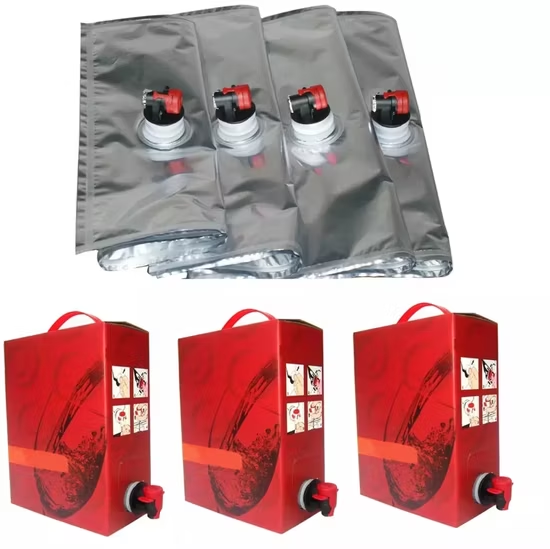
Sealing and valves are critical to prevent leakage, the top pain point in liquid storage. For repeated use (food, home care), choose screw-top valves (seals 500+ times, reliable for long-term storage). For one-time or short-term use (beverages), butterfly valves offer one-click convenience. Large-capacity bags (edible oil, industrial liquids) suit faucet valves for precise pouring. Ensure valves use food-grade PP+silicone for food contact, and ultrasonic welding for firm fixation. Test sealing via 0.05MPa underwater pressure for 60s—no leakage is required. For sterile scenarios, select valves compatible with aseptic filling lines to maintain microbial integrity.
Tip 3: Match Bulk Capacity & Structural Design to Storage/Transport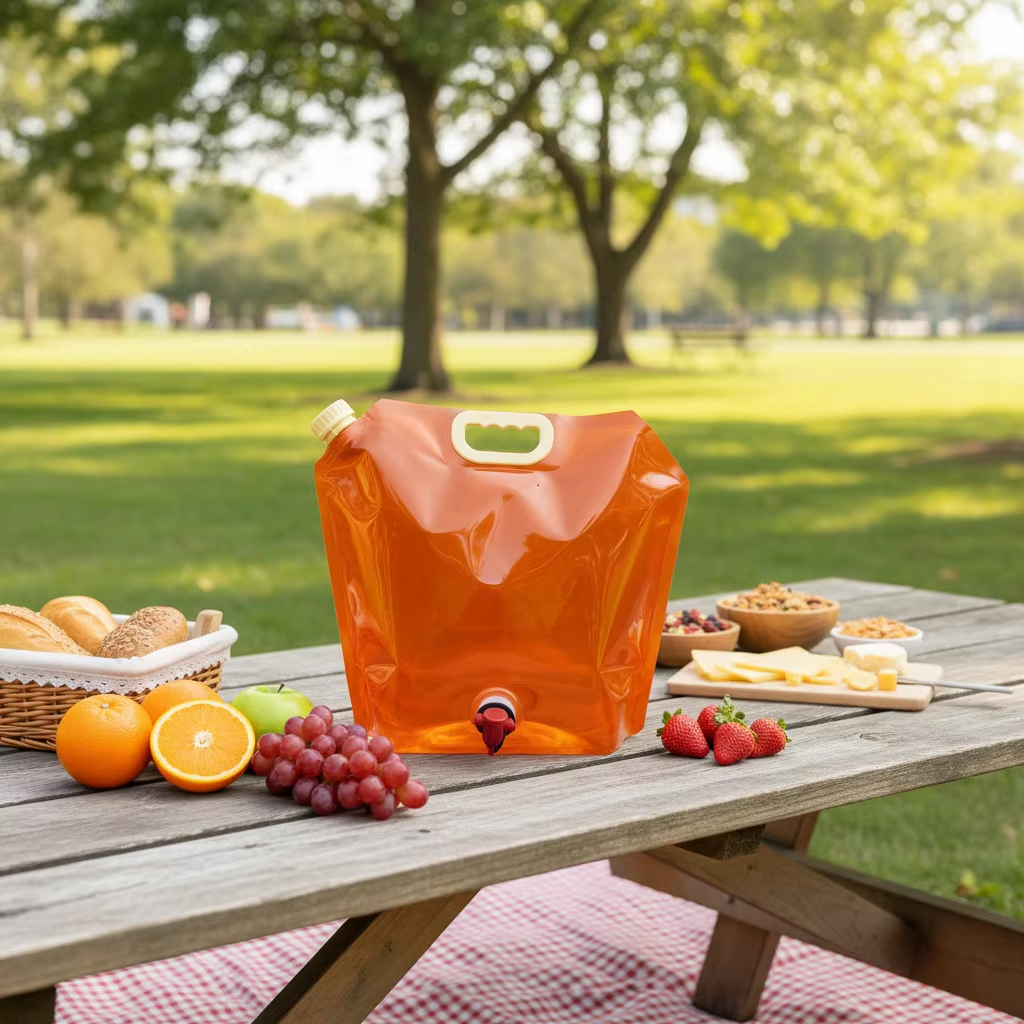
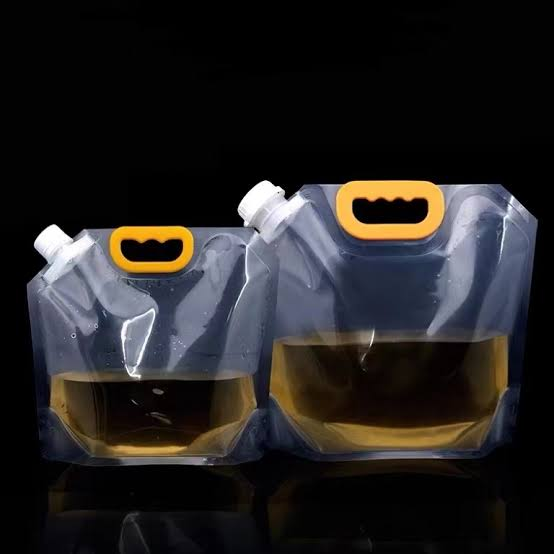
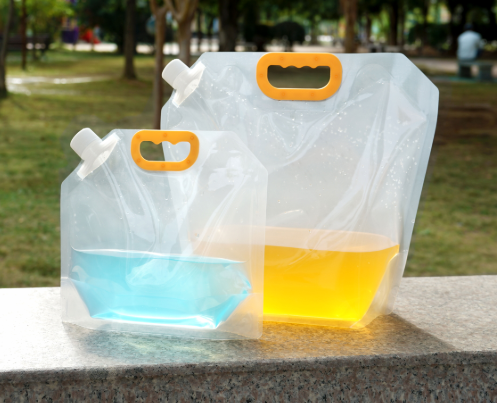
Capacity and structure must align with usage scenarios. Small volumes (100ml-1L) fit lab samples and retail food (portable, easy to handle);
20-250L bulk bags suit industrial bulk storage (reduces logistics cost by 20-25%). For stacking during transport, reinforce bag edges and bottom with high-density layers to withstand 50kg pressure for 72 hours without deformation.
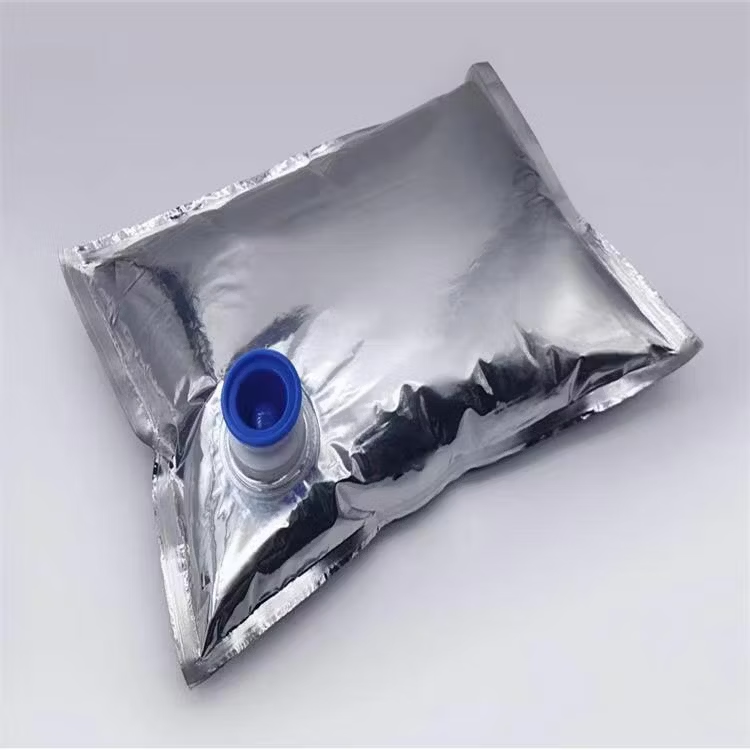
Foldable designs save 80% storage space for Empty Bags. For light-sensitive liquids (pharmaceuticals, wine), choose opaque aluminum foil composites. Ensure dimensions match automated filling lines to boost efficiency by 20-30%, avoiding jamming and material waste.
Tip 4: Verify FDA-Compliant & Sterile Liquid Storage Bag Certifications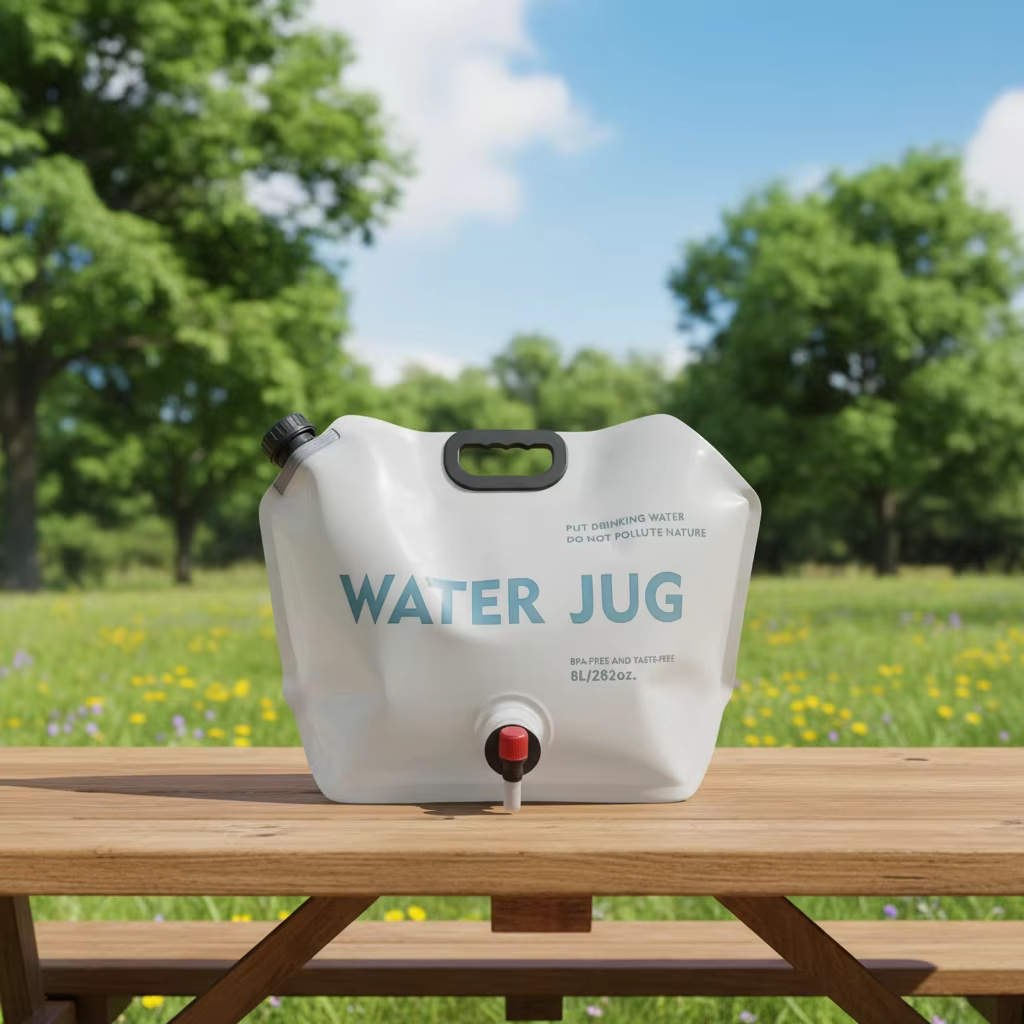
Compliance is non-negotiable for market access and safety. Food-grade bags must pass FDA migration tests (overall migration ≤10mg/dm², no excessive heavy metals/plasticizers). Request third-party ISO/IEC 17025 lab reports covering gas permeability, heat-seal strength, and solvent residues. For sterile bags, confirm 100,000-class cleanroom production and SIP/CIP sterilization processes. Industrial chemical bags need corrosion resistance certificates. Avoid products with vague certifications—valid documents include FDA FCN numbers, ISO9001, and GMP. Note that FDA FCN is valid for 5 years; material formula changes require re-certification.
Tip 5: Evaluate Bulk Liquid Storage Bag Supplier’s Customization Service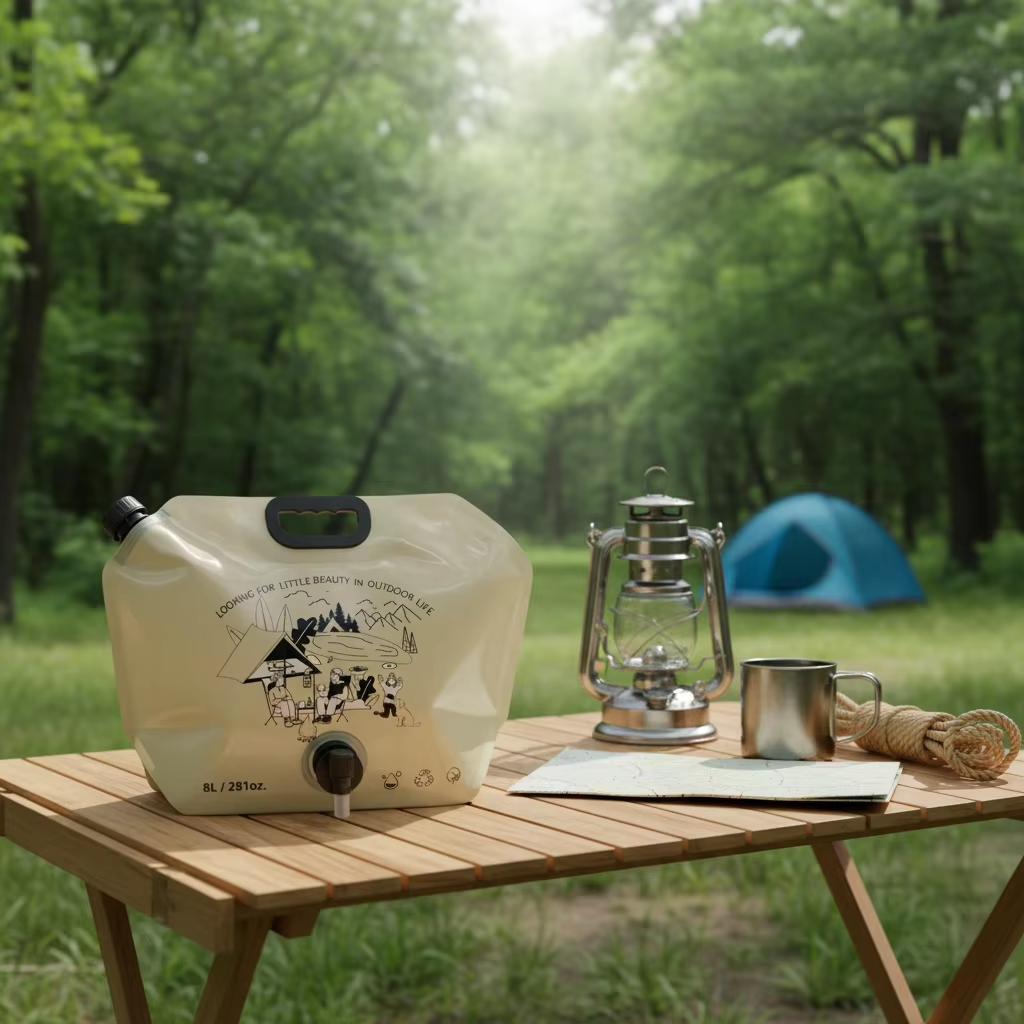
A reliable supplier ensures long-term stability. Prioritize those with one-stop production lines (material compounding, valve manufacturing, bag-making) to avoid secondary pollution. Assess customization capabilities: 1L-250L size adjustment, material optimization for special liquids (alcohol-resistant for wine, acid-resistant for chemicals), and brand printing with food-grade ink. Check production efficiency (high-speed lines ≥1200 bags/hour) for timely delivery. Confirm after-sales support: 7*24 technical guidance, spare valve supply, and quality issue response. Choose suppliers with industry cases (dairy, chemical) for better scenario adaptation.
Conclusion
Choosing high-quality Liquid Storage Bags requires integrating material performance, sealing reliability, compliance, and supplier strength. By following these 5 tips, you can resolve common issues like leakage and non-compliance. Tailor selections to liquid properties, usage scenarios, and industry standards—whether for food safety, lab precision, or industrial durability. Partnering with certified suppliers leverages the bags’ advantages to cut costs, protect contents, and meet market access requirements.