


Products News
0102030405
The 5 Core Buying Tips for Bag-in-Box
2026-01-24
Tip 1: Prioritize Food-Grade Inner Bag Material for BIB Based on Content Properties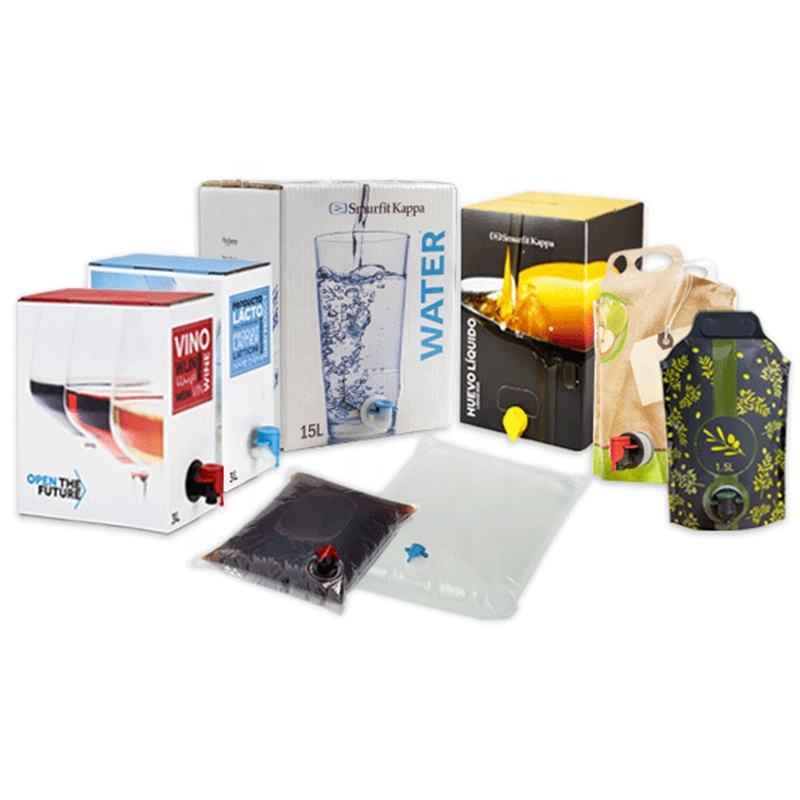
The inner bag is the primary barrier protecting contents, so material selection must align with the liquid’s characteristics. For oxygen-sensitive products like wine, fruit juice, and dairy, choose aluminum foil composite films with high barrier properties to inhibit oxidation and extend shelf life. Transparent composite films are suitable for edible oils, chemicals, and non-perishable liquids, enabling visual inspection of contents. For sterile scenarios (e.g., tomato sauce, liquid eggs), opt for food-grade 316L stainless steel-compatible films that undergo strict sterilization. Avoid materials with odors or poor heat resistance for hot-filled products like condensed soup. Additionally, confirm compliance with food safety standards (e.g., FDA, EU 10/2011) to ensure no harmful substances leach.
Tip 2: Select BIB Valve Types According to Usage Scenarios & Filling Processes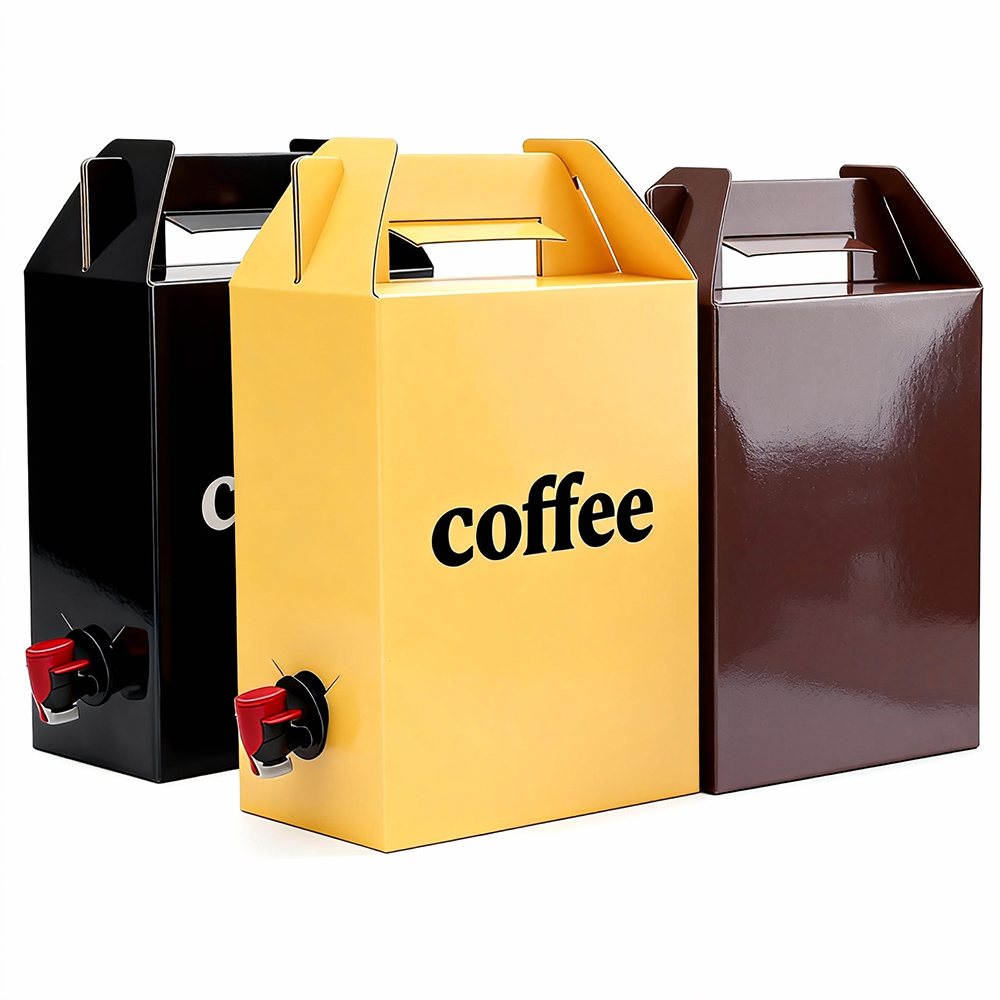
Valves are the "gateway" of BIB, directly affecting usability and sealing performance. For B2B catering and industrial use, faucet-style or plunger valves are ideal for quantitative dispensing and leak prevention. (screw-top) valves suit C-end consumers for repeated use, such as large-capacity fruit juice. For high-viscosity materials like ketchup and cream, choose valves with large openings and anti-clogging designs, paired with piston or gear pump filling systems. Ensure valves match filling processes—thermal filling requires heat-resistant valves, while sterile filling needs valves that maintain aseptic conditions. Test sealing performance before purchase to avoid air ingress or liquid leakage during storage and transportation.
Tip 3: Determine BIB Capacity & Outer Box Structure for Industrial/Commercial Needs
Capacity selection depends on usage frequency and transportation conditions. B2B scenarios (e.g., restaurants, factories) can adopt 20-220L large-capacity BIB to reduce packaging and logistics costs, while C-end markets (e.g., home use, picnics) fit 1-5L small-capacity options for portability. The outer box provides structural support—corrugated cardboard boxes are suitable for general transportation, with enhanced thickness for heavy loads. For stacking and long-distance shipping, choose boxes with reinforced edges to improve compression resistance. Consider foldable designs for empty storage, as they save 80% of space compared to rigid packaging. Align box size with pallet dimensions to maximize transportation efficiency by 20-35%.
Tip 4: Verify BIB Sterility & Safety Compliance for Food & Pharmaceutical Industries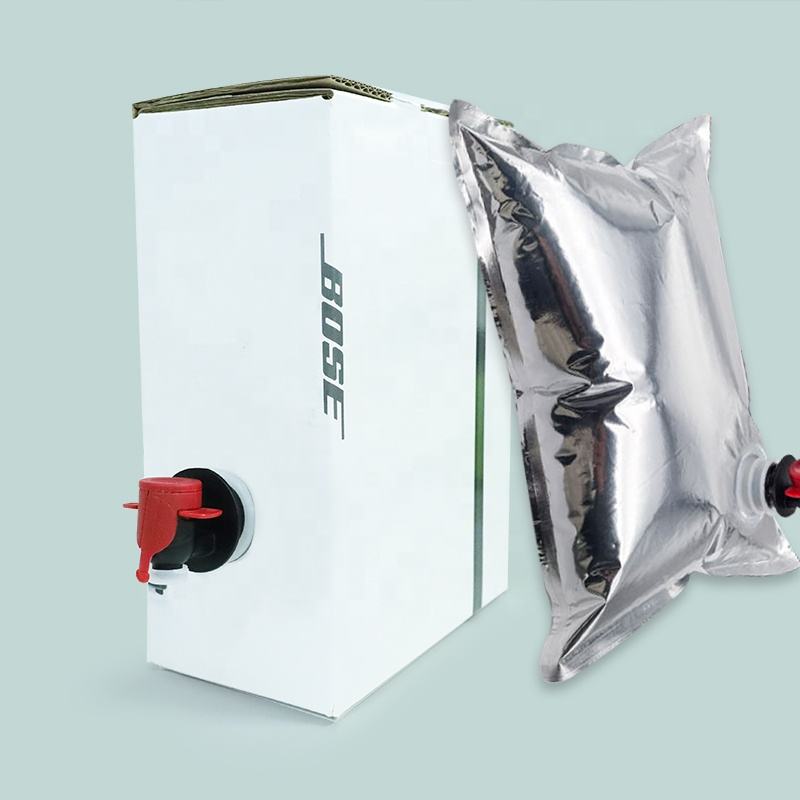
For food, pharmaceutical, and medical reagent applications, sterility and compliance are non-negotiable. Confirm if the BIB undergoes sterile filling or in-situ sterilization (SIP/CIP) processes to eliminate microbial contamination. Check for certification documents, including food contact material testing reports and sterile production environment certifications. Avoid BIB with substandard adhesives or printing inks that may contaminate contents. For chemical and pesticide packaging, ensure the material resists corrosion and meets hazardous substance transportation standards. Prioritize suppliers that provide traceability records for each production batch.
Tip 5: Evaluate Reliable BIB Supplier’s Customization & After-Sales Service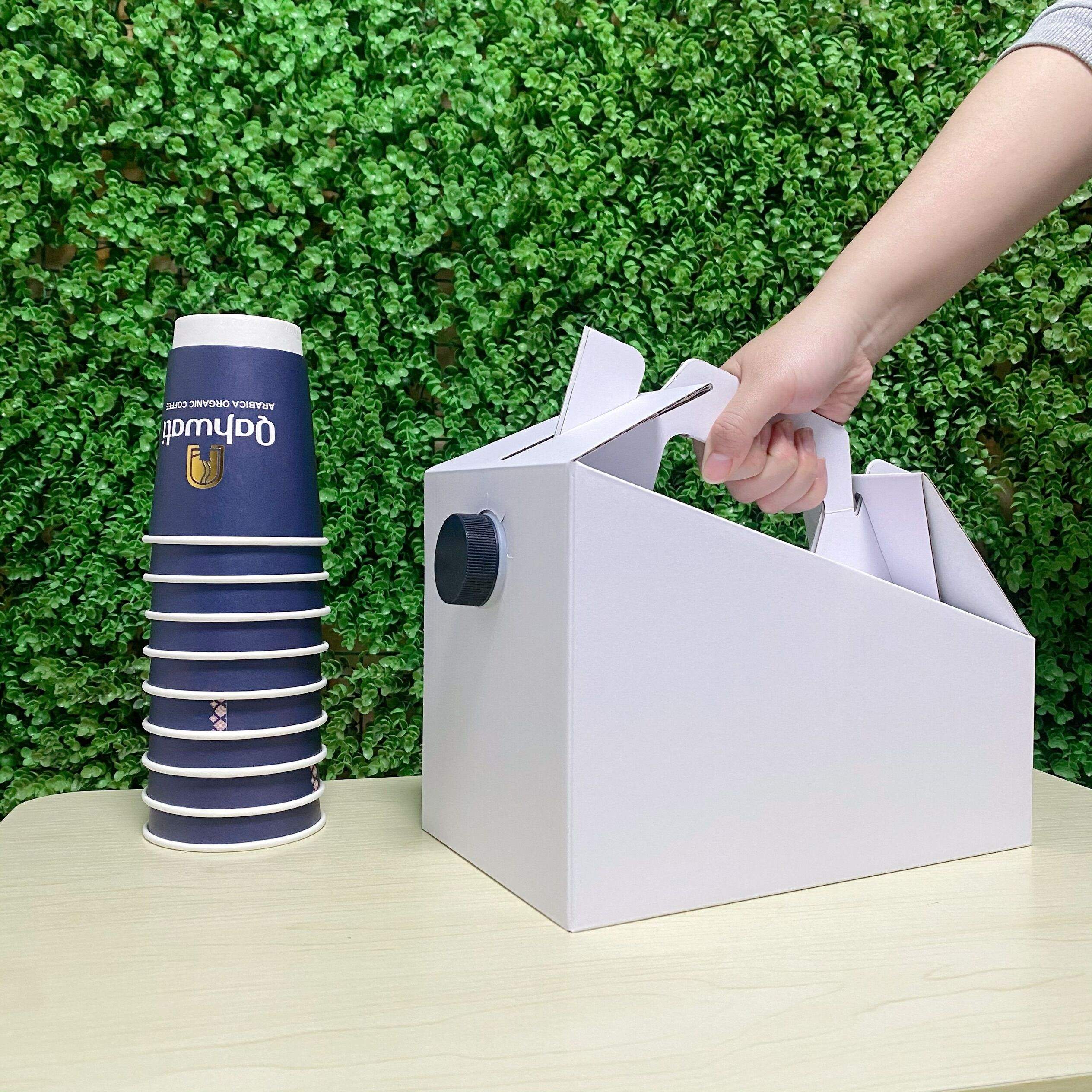
Beyond product quality, supplier capabilities determine long-term usability. Choose suppliers with R&D teams to provide customized solutions for special materials (e.g., shear-sensitive liquids) or unique designs (e.g., brand-printed outer boxes). Assess their industry experience—suppliers with successful cases in your sector (e.g., dairy, wine) understand specific needs better.
Confirm after-sales support, including spare parts supply, equipment maintenance guidance, and technical troubleshooting. Opt for suppliers offering one-stop services (BIB, valves, filling equipment) to ensure compatibility. Avoid suppliers with no clear warranty policies or delayed response times, as downtime can incur significant losses.
Confirm after-sales support, including spare parts supply, equipment maintenance guidance, and technical troubleshooting. Opt for suppliers offering one-stop services (BIB, valves, filling equipment) to ensure compatibility. Avoid suppliers with no clear warranty policies or delayed response times, as downtime can incur significant losses.
Conclusion
Selecting the right BIB requires balancing material performance, functional design, compliance, and supplier reliability. By following these 5 tips, you can avoid common pitfalls like poor freshness retention, leakage, and non-compliance. Whether for food, beverage, or industrial use, tailor your choice to content properties and application scenarios. As BIB technology evolves with intelligence and sustainability, partnering with professional suppliers will help you leverage its advantages to reduce costs and enhance product competitiveness.