







Future Composite Lamination Technology: Sustainable Adhesives & Low-Carbon Film Innovations
2026-07-23
1. Next-Generation Sustainable Lamination Adhesive Evolution

- Solvent-free polyurethane adhesives become the mandatory standard for food-grade composite packaging, gradually phasing out solvent-based glue to cut VOC emissions.
- Water-based adhesives and solventless low-migration formulations meet strict EU 10/2011 and PFAS-free requirements for export food contact packaging.
- Reversible lamination adhesives under R&D enable easy separation of composite layers, improving recyclability of multi-layer structures.
2. Low-Carbon Composite Film Innovation Directions
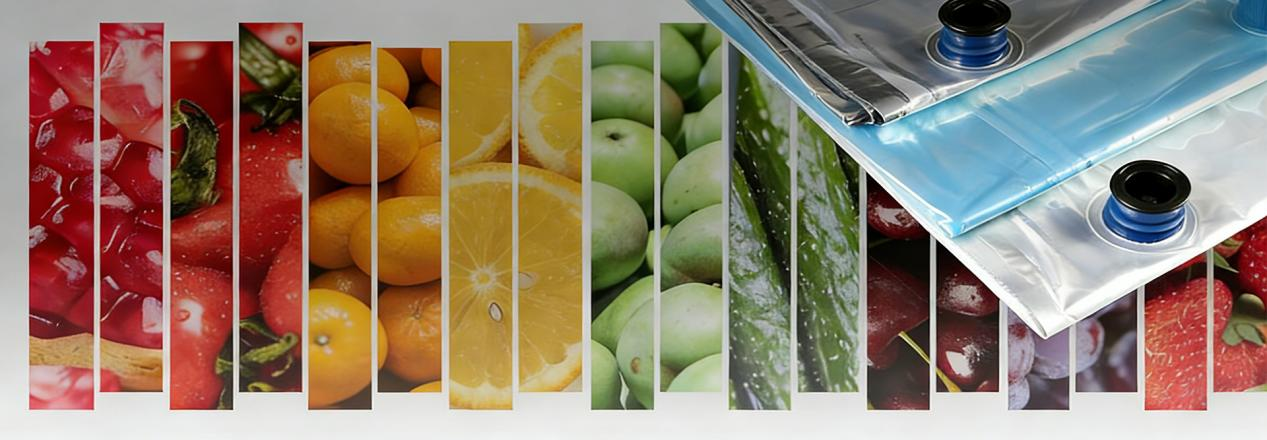
- MDO-PE, modified mono-PP films reduce material thickness while maintaining mechanical strength, lowering raw material consumption and carbon footprint.
- PCR recycled polymer composite films gain wider acceptance; film producers optimize purification technology to stabilize barrier and heat-seal performance.
- Bio-based composite laminates progress for dry food sectors, though high costs limit large-scale application in general Liquid Packaging.
3. Process Innovation Reducing Carbon Footprint in Lamination Workshops

- Adhesive-free extrusion lamination eliminates glue-related carbon emissions and chemical migration risks.
- Low-temperature curing lamination equipment cuts power consumption, helping factories achieve carbon audit targets for export customers.
- Digital lamination parameter control reduces material waste and defective rates, indirectly lowering unit carbon emissions of finished composite bags.
Conclusion & FAQ
Sustainable adhesives and low-carbon films define the next generation of composite lamination technology. Converters should arrange phased equipment and material upgrades to match global green packaging requirements.