









Export Opportunities & Risks for Composite Packaging Manufacturers Amid Global Circular Rules
2026-07-24
1. Regional Export Opportunities Created by Circular Packaging Policies

- EU Market: Strong demand for RecyClass-certified mono-material composite pouches replaces obsolete non-recyclable multi-layer laminates.
- North America: Growing demand for BPA-free, low-migration composite packaging; voluntary sustainability standards gradually turn into mandatory procurement rules.
- Southeast Asia, Middle East: Policy standards lag behind Europe, maintaining stable demand for cost-effective conventional composite bags as transitional markets.
2. Key Export Risks Brought by Global Circular Economy Regulations
- Compliance risks: PPWR, PFAS bans, EPR schemes lead to cargo seizure, return freight and fines up to 4% of annual turnover.
- Market competition risks: European local packaging factories receive policy subsidies; low-end conventional composite products face continuous price pressure.
- Technical iteration risks: Factories slow to upgrade materials will lose long-term brand customers with global sustainability procurement targets.
3. Actionable Strategies for Composite Packaging Export Suppliers
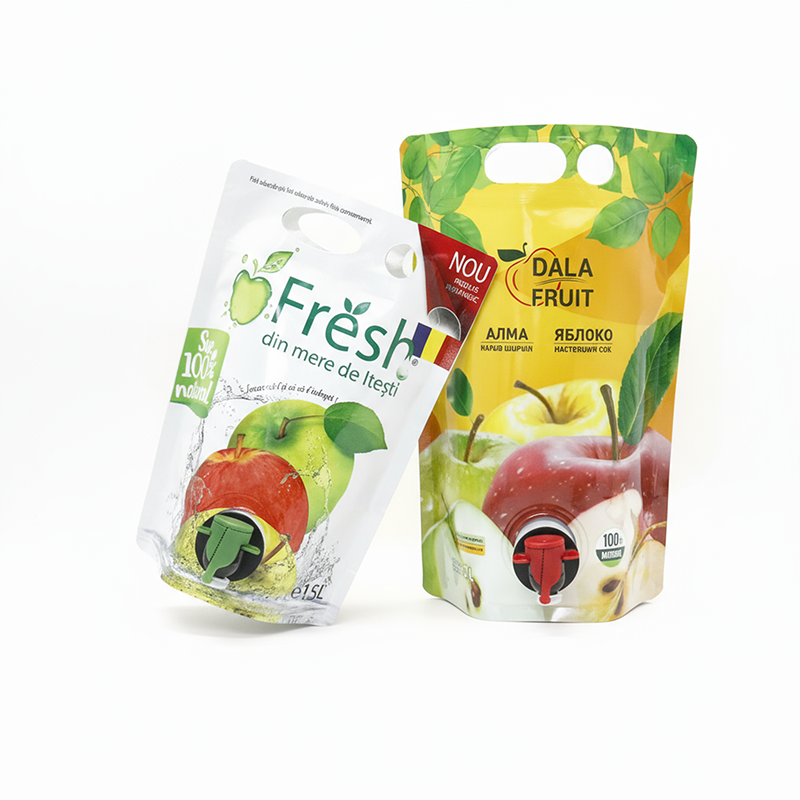
- Establish segmented product portfolios: eco-certified mono-material lines for EU orders, economical traditional composite lines for emerging markets.
- Complete third-party test certificates in advance, including recyclability, migration and PFAS-free documentation.
- Negotiate phased material switching timelines with long-term overseas buyers to share technical transformation costs.
Conclusion & FAQ
Global circular economy regulations restructure composite packaging export patterns. Manufacturers balancing market segmentation and compliance upgrading can seize sustainable export growth opportunities.