


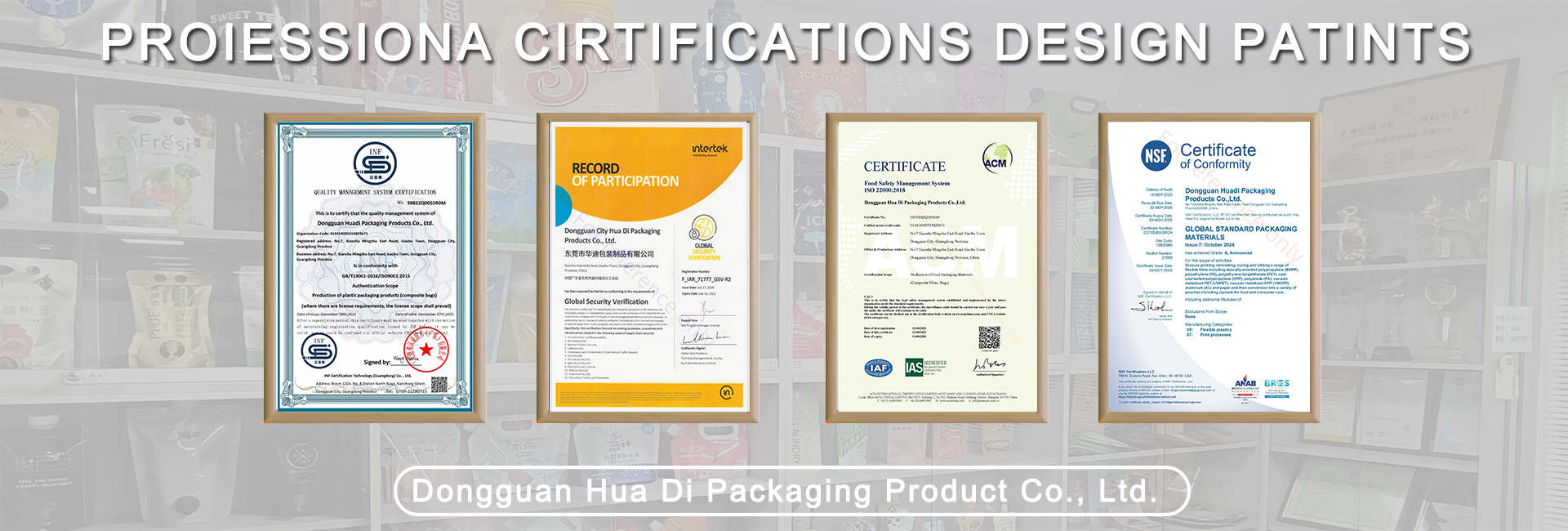


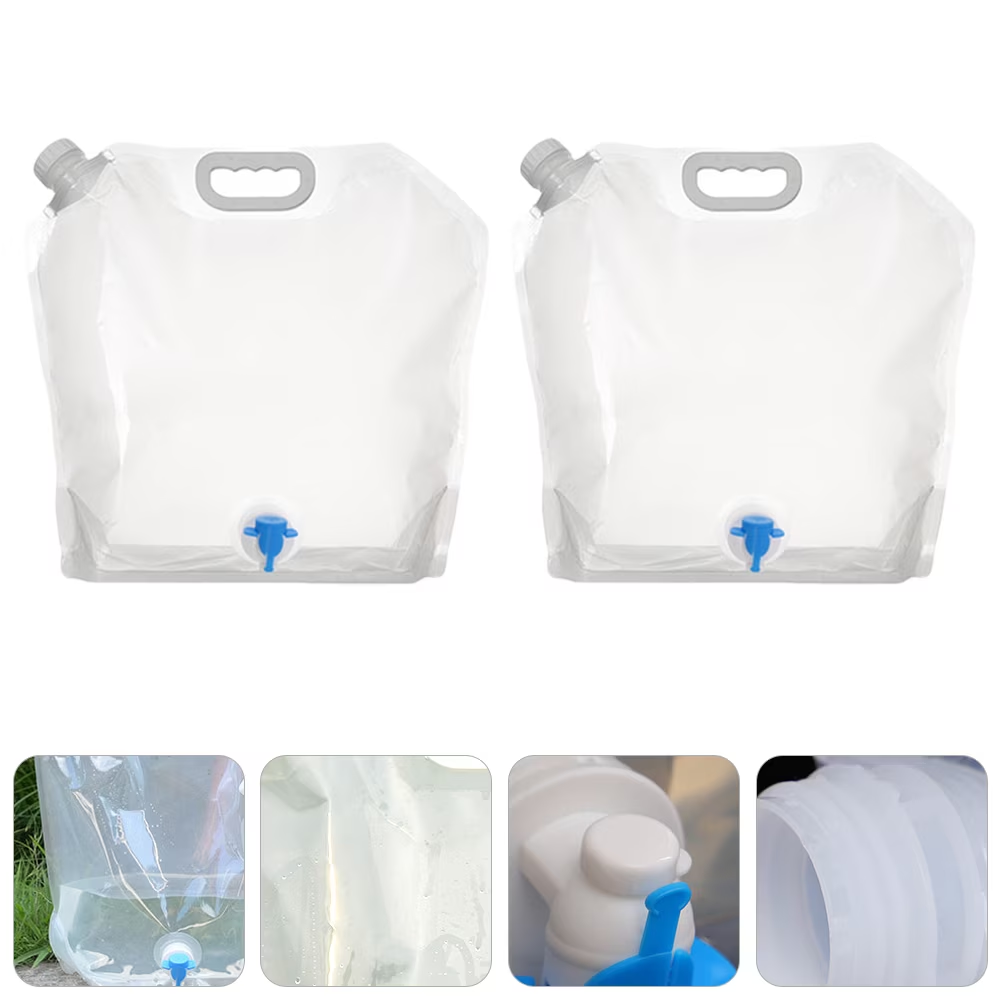
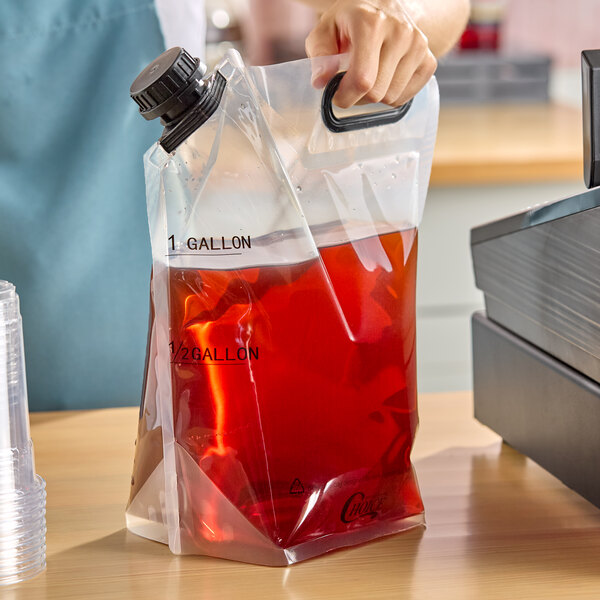
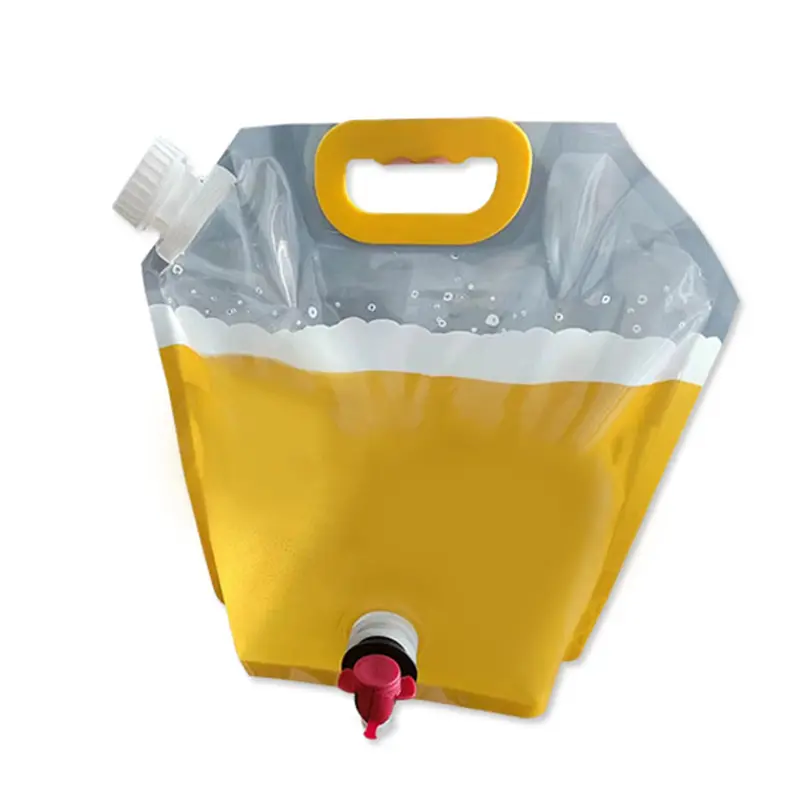




Composite Packaging Bags: Why Professional Manufacturers Are a Long-Term Business Asset
2026-05-14
Part 1: Industry-Specific Value – Professional Manufacturers for Niche Composite Packaging Needs (250–270 words)
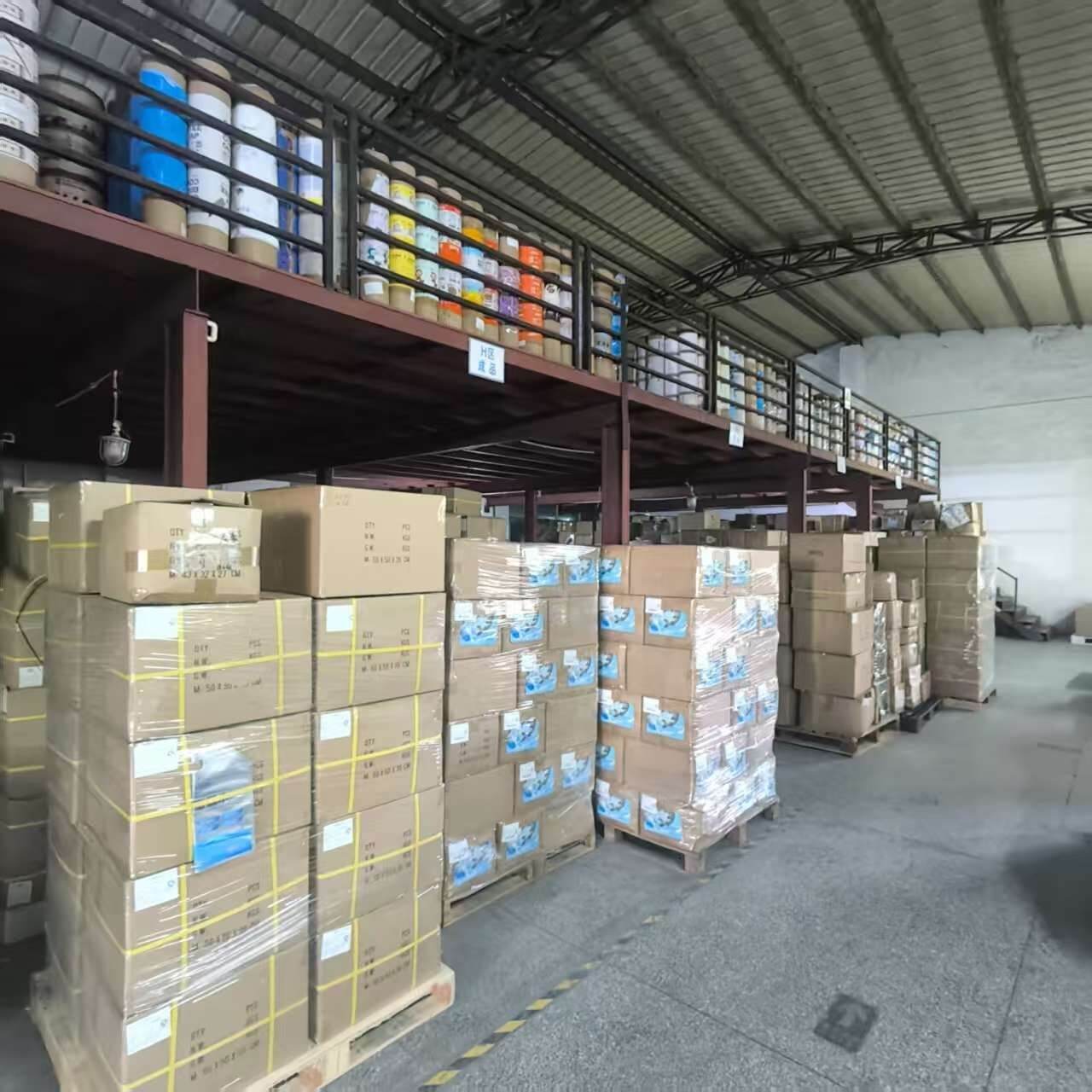
1.1 Food & Beverage: Professional Manufacturers = Shelf-Life & Safety Excellence (80–85 words)
- For food/beverage brands, professional composite packaging manufacturers deliver niche value that unprofessional suppliers cannot: Custom high-barrier structures (EVOH/AL layers) to extend shelf life by 30–50% (critical for perishables like snacks, juices, and frozen foods); food-grade ink and adhesive compliance (no migration risks); and moisture/oxygen control to prevent spoilage. They also support seasonal packaging adjustments (e.g., holiday prints) and batch-specific traceability—essential for food safety recalls and consumer trust.
1.2 Pharmaceutical & Medical: Professional Manufacturers = Regulatory Survival (80–85 words)
- Pharmaceutical/medical composite packaging (sterile pouches, liquid drug bags) requires GMP compliance, Class 100,000 cleanrooms, and full batch traceability—non-negotiables for FDA/EMA approval. Professional manufacturers invest in aseptic production lines, ISO 13485 certification, and sterile testing (microbial count, particle contamination) to ensure packaging meets medical standards. Unprofessional suppliers cannot replicate this, putting your products at risk of regulatory rejection and legal liability.
1.3 Industrial & Chemical: Professional Manufacturers = Durability & Risk Mitigation (80–85 words)
- Industrial composite bags (for lubricants, liquid fertilizers, chemicals) need chemical resistance, puncture protection, and leak-proof design. Professional manufacturers test composite structures for compatibility with specific chemicals (e.g., corrosive liquids, solvents) and optimize layers (RCPP, chemical-grade PE) to prevent leaks and material degradation. They also provide UN-compliant packaging for hazardous materials—critical for cross-border shipping and workplace safety.
1.4 Retail & E-Commerce: Professional Manufacturers = Brand Differentiation (80–85 words)
- Retail/e-commerce brands rely on composite packaging to stand out on shelves and protect products during shipping. Professional manufacturers offer high-quality printing (12-color gravure, matte/gloss finishes), custom structural features (stand-up pouches, resealable zippers), and lightweight designs that reduce shipping costs. They also optimize packaging for e-commerce (drop-test compliance, minimal packaging waste) and support brand storytelling through custom designs—driving customer engagement and loyalty.
Part 2: Calculating ROI – How Professional Manufacturers Deliver Tangible Financial Value (220–240 words)

2.1 ROI Metrics to Measure (110–120 words)
- Many buyers focus on upfront costs, but professional manufacturers deliver ROI through measurable metrics: ① Defect rate reduction (from 5–10% with unprofessional suppliers to ≤1%, saving 4–9% in waste costs); ② Shelf-life extension (30–50% longer, reducing spoilage losses by 20–30%); ③ Compliance savings (avoiding customs fines, product recalls, and legal fees—often $10,000+ per incident); ④ Logistics cost reduction (lightweight, efficient packaging cuts shipping expenses by 15–25%); ⑤ Brand value enhancement (premium packaging increases customer retention by 10–15%).
2.2 Real ROI Example (110–120 words)
- A U.S. snack brand switched from an unprofessional supplier to a professional composite packaging manufacturer. Results: Defect rate dropped from 8% to 0.8% (saving $8,000/quarter in waste); shelf life extended from 6 months to 9 months (reducing spoilage losses by $12,000/year); FDA compliance ensured no customs delays (saving $5,000 in rush shipping fees); and premium packaging increased customer repeat purchases by 12% (adding $30,000/year in revenue). Total annual ROI: 45%—far exceeding the 10% upfront price difference.
Part 3: 2027 Trends – Why Professional Manufacturers Are Essential for Future Readiness (200–220 words)
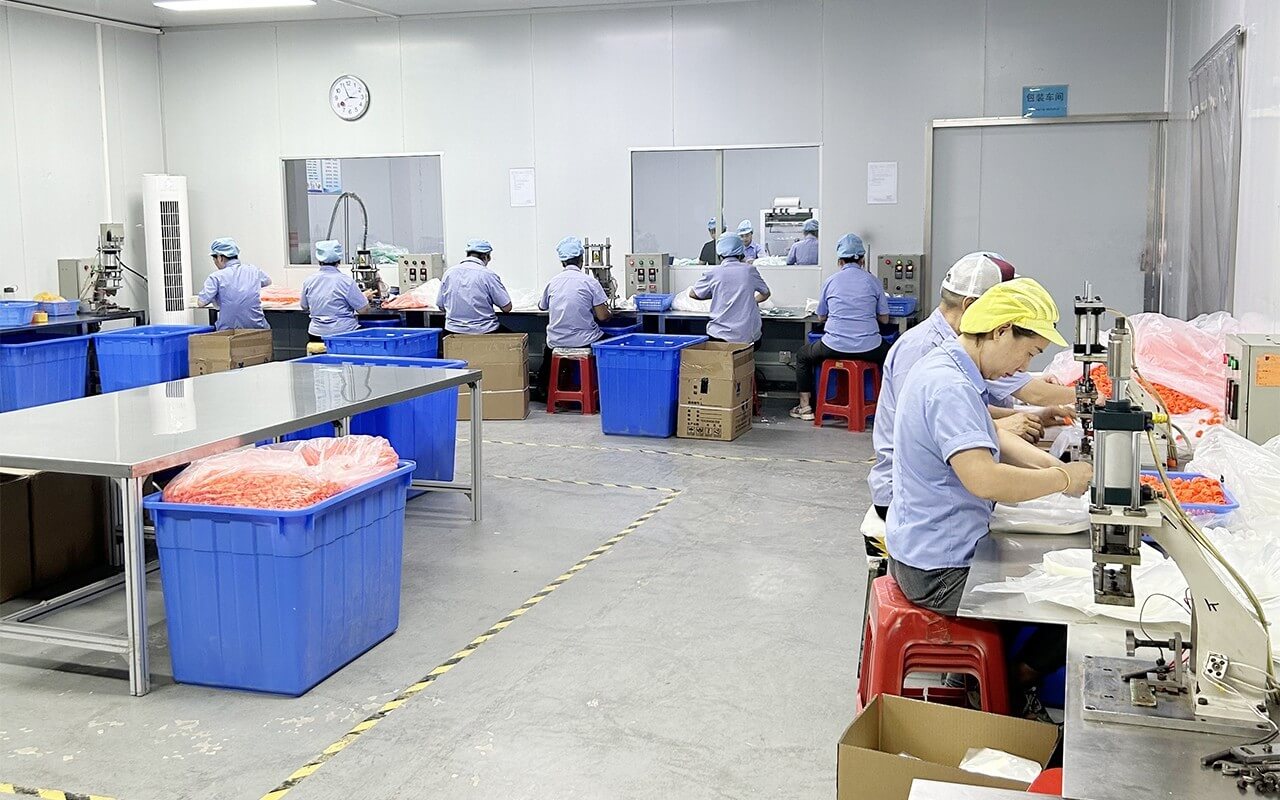
3.1 Smart Packaging Integration (100–110 words)
- 2027 will see widespread adoption of smart composite packaging (QR codes, RFID tags, temperature sensors) for traceability, anti-counterfeiting, and customer engagement. Professional manufacturers are investing in R&D to integrate these technologies into composite bags—offering custom smart solutions (e.g., temperature-monitoring bags for pharmaceuticals, QR-enabled retail packaging for product information). Unprofessional suppliers lack the technical capability to implement smart features, leaving your brand behind in the digital transformation.
3.2 Stricter Sustainability Regulations (100–110 words)
- 2027 will bring tighter global sustainability regulations (EU Digital Product Passport, U.S. plastic waste reduction laws) requiring packaging to be recyclable, compostable, or made from recycled materials. Professional manufacturers are already investing in eco-friendly materials (mono-material PE, PCR PET, plant-based composites) and optimizing production processes to reduce carbon footprints. Unprofessional suppliers cannot afford these investments, putting your brand at risk of non-compliance and consumer backlash.
Part 4: Real-World Case Studies – Success & Failure (200–220 words)

4.1 Success Case: Professional Manufacturer Drives Brand Growth (100–110 words)
- A Chinese cosmetic brand partnered with a professional composite packaging manufacturer to launch a new line of high-end serums. The manufacturer designed a custom high-barrier spout bag (PET/AL/EVOH) to protect the serum’s active ingredients, added a matte finish for premium appeal, and ensured EU FCM compliance for cross-border sales. Result: The product launched successfully in Europe, with 25% higher sales than expected, and the packaging received industry awards for design and functionality—proving professional packaging drives brand value.
4.2 Failure Case: Unprofessional Supplier Causes Catastrophic Losses (100–110 words)
- A European food brand chose an unprofessional supplier for composite snack bags to save 10% on upfront costs. The supplier used non-food-grade ink, skipped barrier testing, and delivered bags with poor sealing. Result: 15% of the product spoiled due to moisture ingress, the FDA rejected the shipment (costing $15,000 in fines), and customer complaints damaged the brand’s reputation. The brand had to recall all products and switch to a professional manufacturer—incurring total losses of $50,000+.
Part 5: How to Maximize Value from Your Professional Manufacturer Partnership (180–200 words)
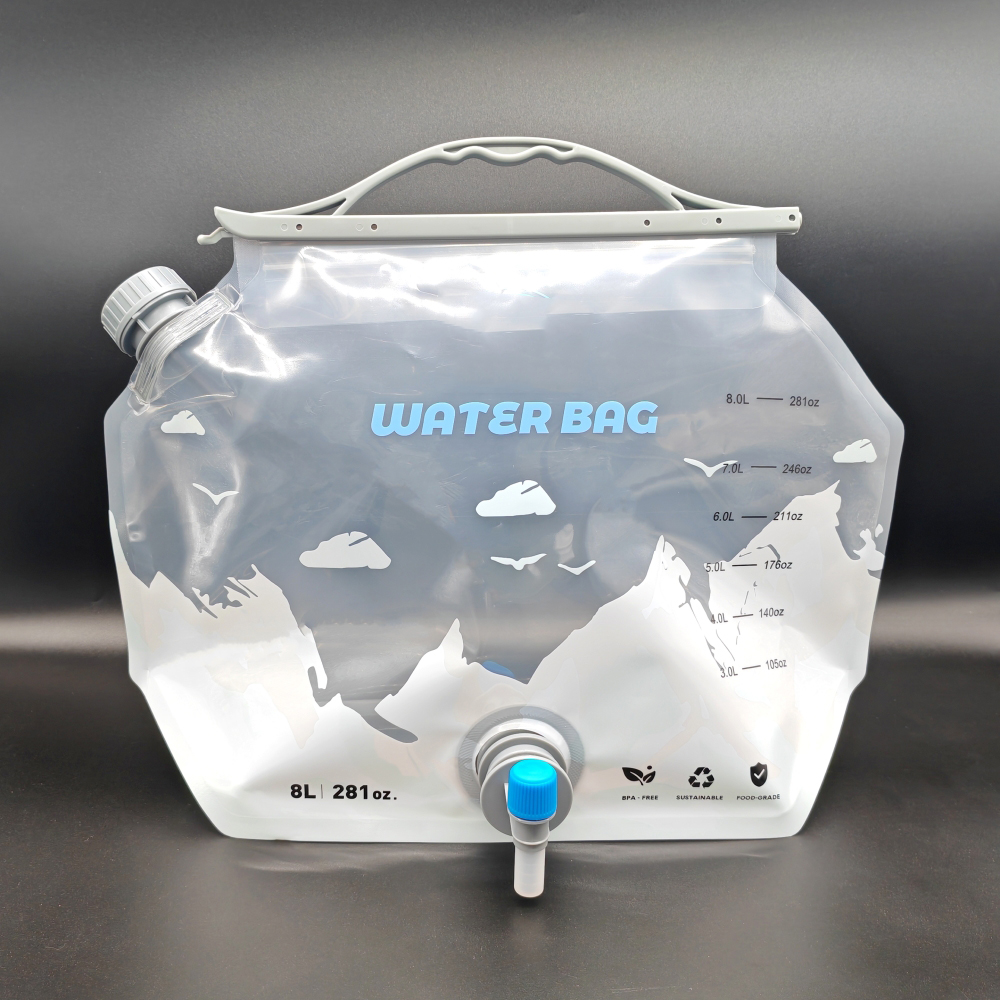
- Choosing a professional manufacturer is just the first step—maximizing their value requires proactive collaboration: ① Share long-term business goals (e.g., expansion to new markets, sustainable packaging targets) so the manufacturer can tailor solutions; ② Collaborate on R&D (e.g., test new eco-friendly materials, Smart Packaging features); ③ Negotiate long-term contracts (6–12 months) to lock in volume discounts and stable pricing; ④ Conduct regular performance reviews (track defect rates, lead times, compliance) to ensure continuous improvement; ⑤ Leverage their technical expertise (ask for packaging optimization tips to reduce costs or improve performance).
- By treating your professional manufacturer as a strategic partner (not just a vendor), you’ll unlock additional value—from cost savings to product innovation—that unprofessional suppliers can never provide.
Conclusion (120–130 words)
- Part 2 expands on the importance of professional composite packaging manufacturers, revealing their hidden value as long-term business assets—beyond basic quality and compliance. Professional manufacturers deliver industry-specific solutions, quantifiable ROI, alignment with 2027 trends, and the ability to drive brand growth, while unprofessional suppliers expose your business to catastrophic risks.
- In 2026 and 2027, as competition intensifies and regulations tighten, partnering with a professional manufacturer is no longer an option—it’s a necessity. By maximizing your partnership through collaboration and strategic alignment, you’ll build a resilient, future-proof composite packaging supply chain that supports long-term business success and outperforms competitors.