


Products News
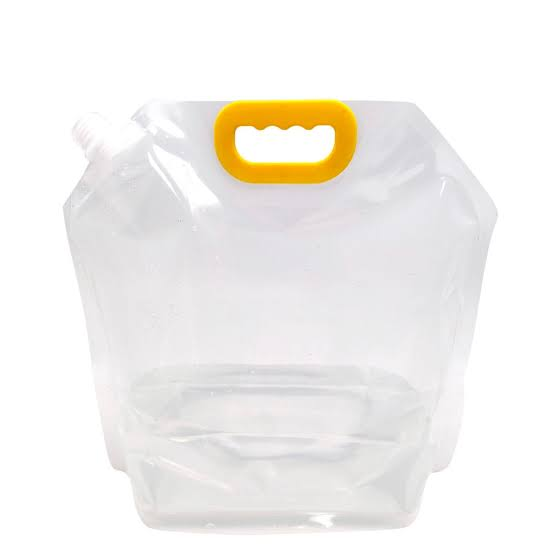
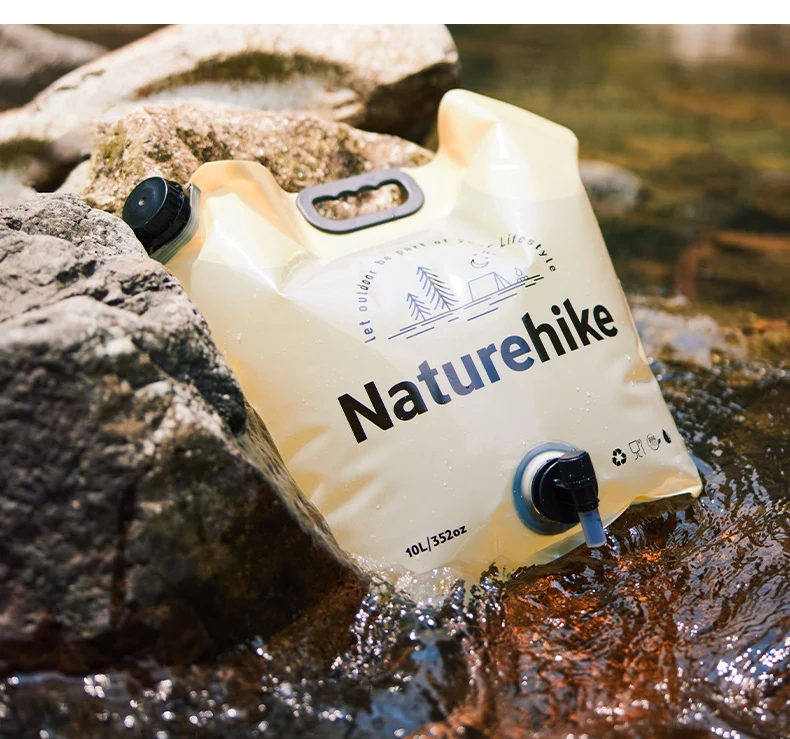
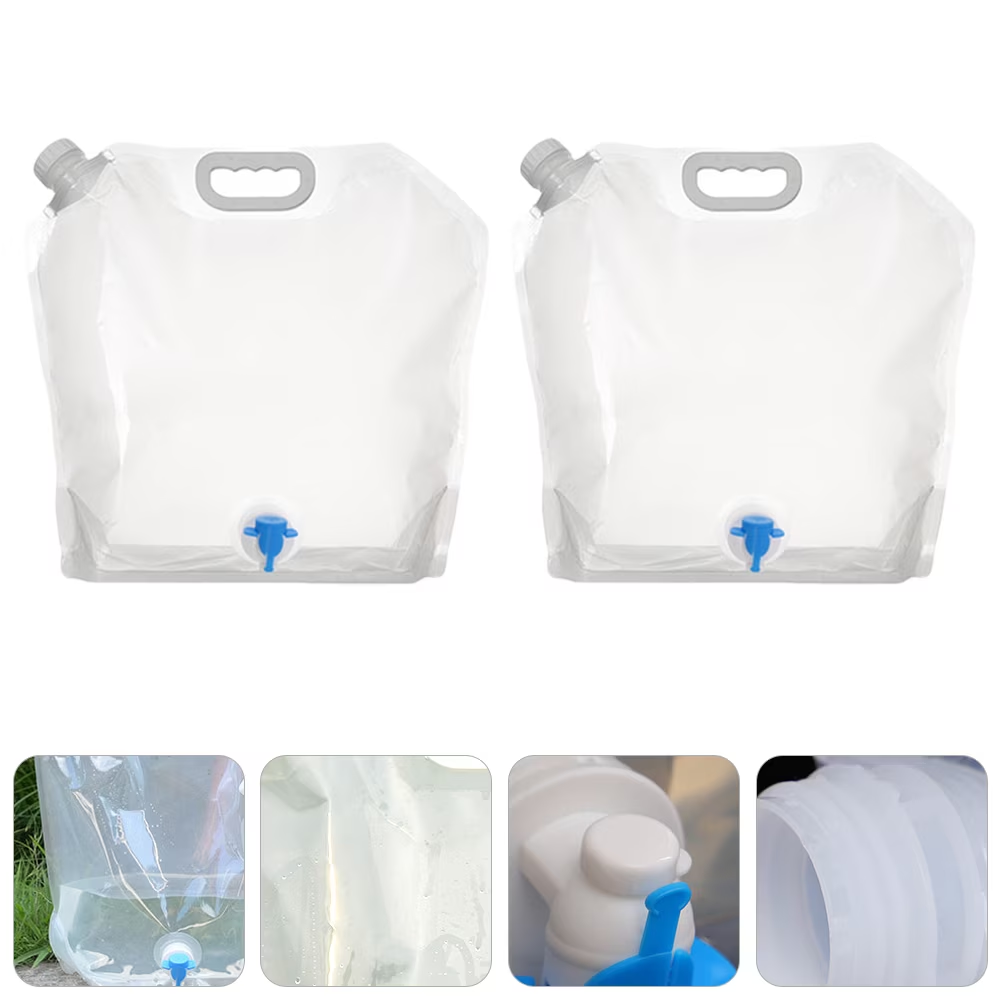
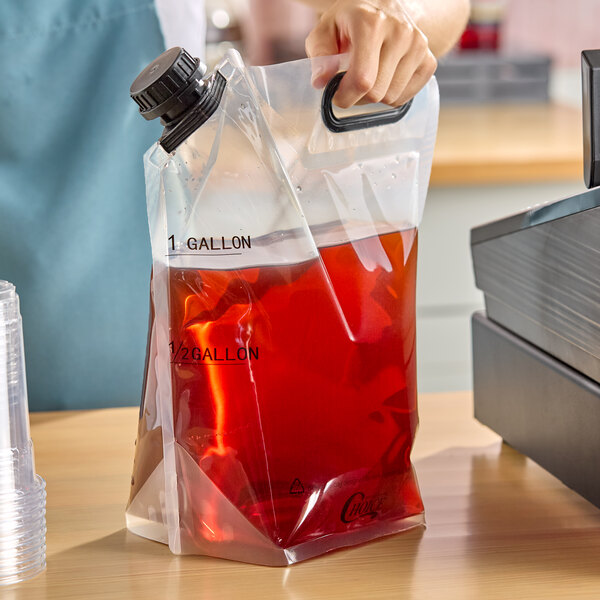
0102030405
Bag-in-Box (BIB) Applications
2026-01-21
1. Introduction: Why Bag-in-Box (BIB) Is Revolutionizing Liquid Packaging Applications
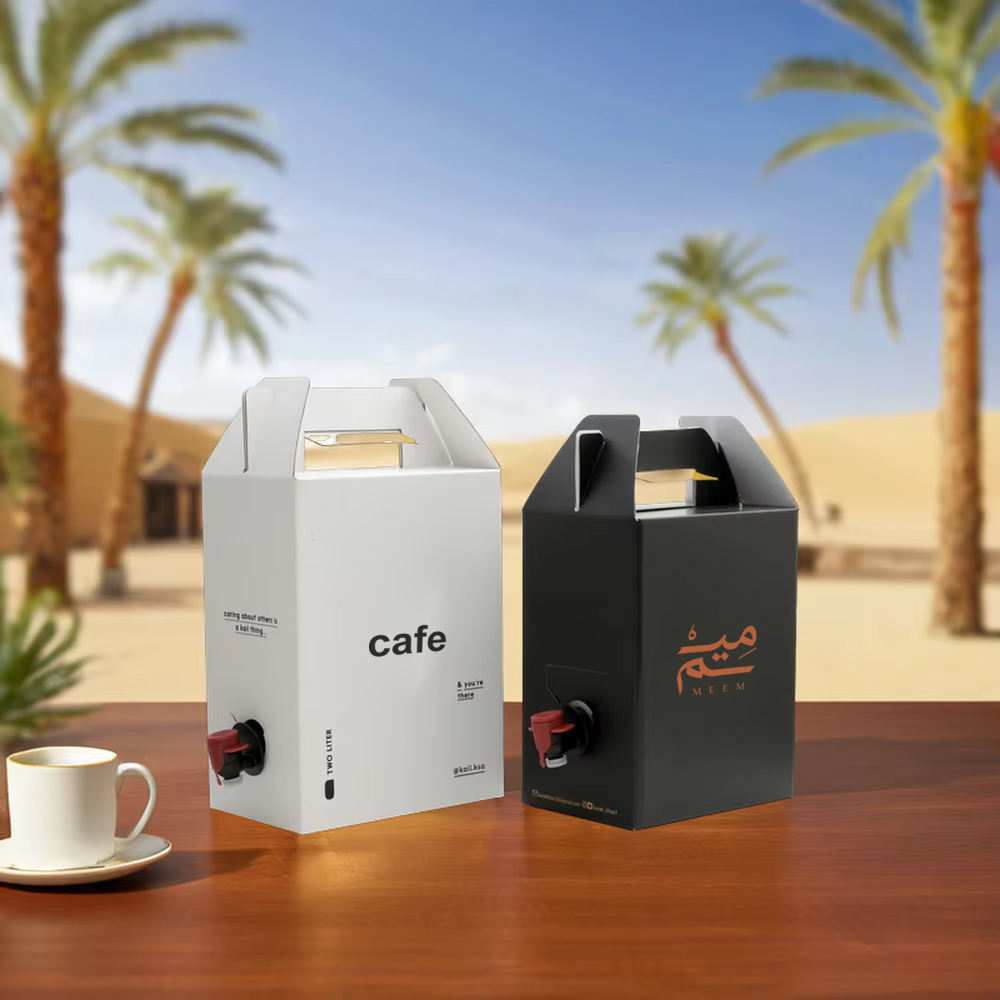
1.1 What Is Bag-in-Box (BIB) Packaging?
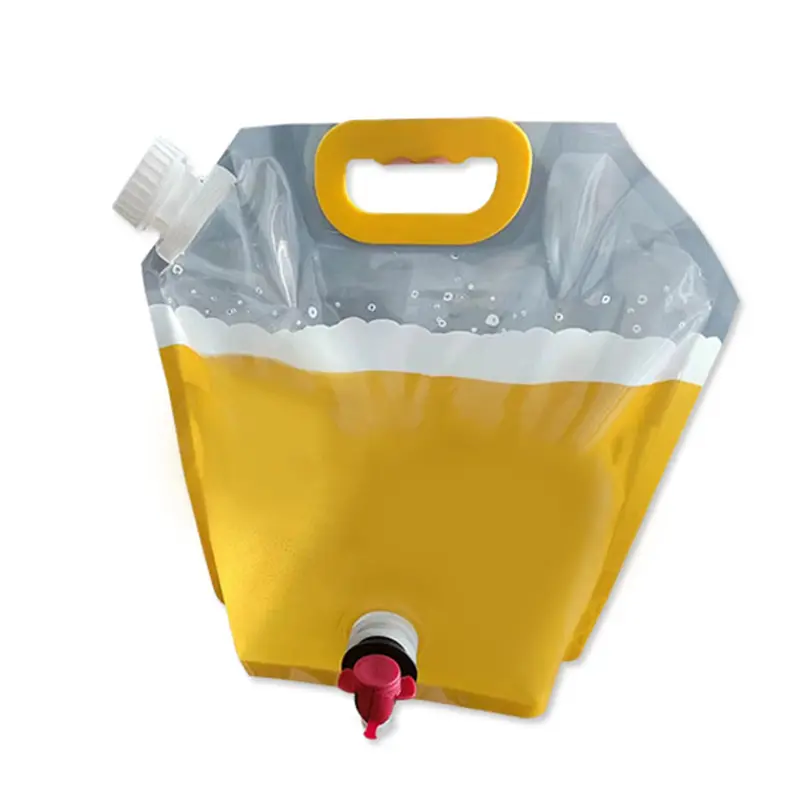
- A modular system combining a high-barrier flexible inner pouch, airtight dispenser tap/valve, and rigid corrugated outer carton.
- Core design: Collapsible inner bag minimizes oxygen exposure post-dispensing, ideal for liquid storage and distribution.
1.2 Key Drivers of BIB Application Growth (2025 Data)
- Sustainability demands: 75% lower carbon footprint vs. plastic drums and 60% less landfill waste than cans .
- Cost efficiency: 50% lighter than glass, cutting shipping costs by 40% compared to traditional bottles .
- Regulatory support: Alignment with EU packaging Waste Directive and global plastic reduction policies.
1.3 Scope of This BIB Applications Guide
- Target audience: Packaging decision-makers, product managers, and small business owners in liquid-focused industries.
- Unique value: Integrates cross-industry case studies, sustainable BIB solutions, and 2025 market trends beyond basic overviews.
2. Core Advantages of BIB Packaging: Fueling Its Wide-Ranging Applications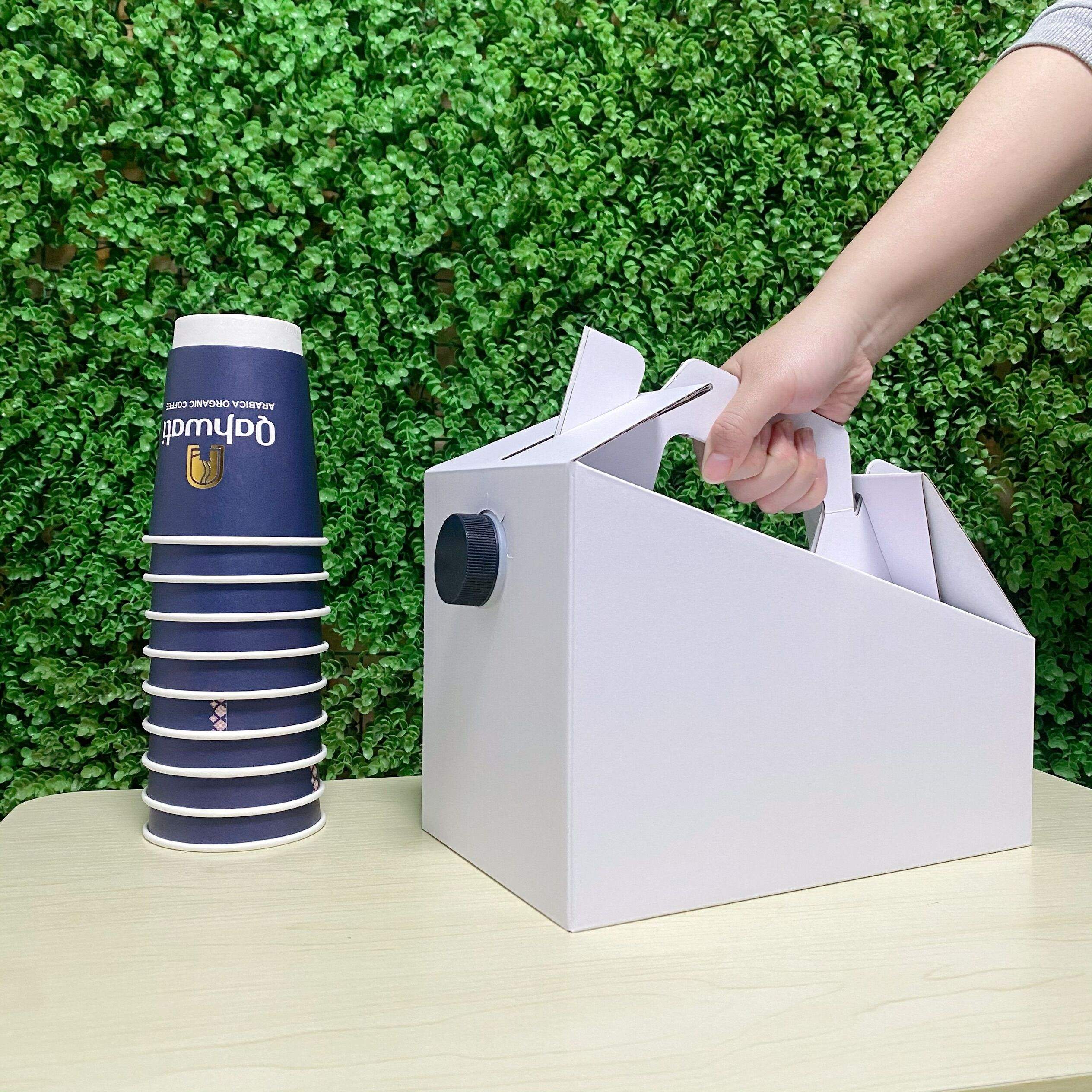
2.1 Superior Shelf Life & Product Protection
- High-barrier multi-layer films (PE/EVOH or aluminum foil) block 98% of oxygen, extending freshness to 6-8 weeks post-opening .
- Leak-proof sealed structure and double-layer inner bag design buffer transport impact, ensuring product safety .
2.2 Cost-Saving Across Supply Chains
- Material cost advantage: $0.12/unit vs. $0.35 for plastic bottles, with 80% less plastic usage .
- Logistics efficiency: Flat design increases pallet load by 80% and reduces storage space needs by 24x .
2.3 Sustainable BIB Solutions for Eco Compliance
- Recyclable components: Corrugated outer carton (100% recyclable) and low-waste inner bags .
- Bio-based innovations: Compostable PHA/PLA films that break down in 12 weeks .
2.4 Flexibility for Diverse Application Needs
- Capacity customization: 1L (household) to 220L (industrial) with versatile valve options (butterfly, button valves) .
- Compatibility with aseptic, cold, and hot filling processes for semi-automatic to fully automatic production .
3. Industry-Specific BIB Applications & Use Cases
3.1 Food & Beverage: The Largest BIB Application Market
- Wine & spirits: 30% of European wine now uses BIB, with 3L-5L portable designs extending shelf life to 6+ months .
- Sauces & condiments: McDonald’s uses BIB for sauces, saving 1,200 tons of plastic annually .
- Edible oils & dairy: Olive oil, liquid eggs, and yogurt drinks benefit from oxygen barrier and aseptic protection .
3.2 Pharmaceutical & Healthcare BIB Applications
- Medical reagents & nutraceuticals: Sterile inner bags meet GMP standards, preventing cross-contamination .
- Liquid vitamins & supplements: Preserves active ingredients with precise dispensing capabilities.
3.3 Agrochemical & Agricultural BIB Uses
- Liquid fertilizers & pesticides: Corrosion-resistant inner bags protect chemical purity, with lightweight design easing transportation .
- Plant growth regulators: Airtight packaging maintains efficacy during long-term storage.
3.4 Industrial & Daily Chemical BIB Applications
- Cleaning products & detergents: Concentrated formulas reduce packaging waste, ideal for foodservice and commercial use .
- Lubricants & adhesives: Leak-proof design ensures safe transport of hazardous and high-viscosity liquids .
3.5 E-Commerce Optimized BIB Applications
- Amazon-compliant designs (drop-test certified) driving 200% growth in DTC BIB wine sales .
- Portable, user-friendly taps for direct-to-consumer liquid products.
4. Regional BIB Application Trends & Market Differences (2025)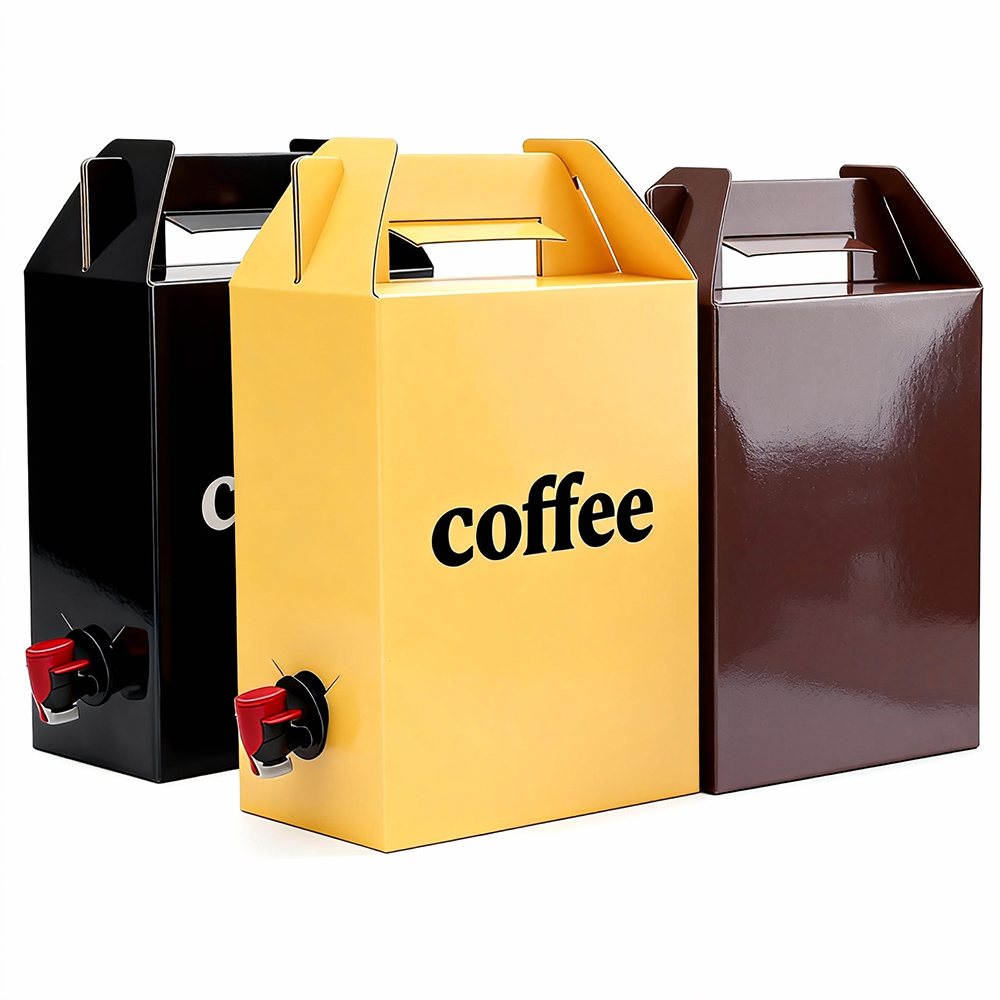
4.1 North America: BIB for Beverages & Foodservice
- Dominant applications: Wine, ready-to-drink cocktails, and foodservice condiments .
- Growth driver: Demand for low-MOQ sustainable BIB solutions from small businesses.
4.2 Europe: Sustainable BIB Leadership
- Key uses: Juices, edible oils, and pharmaceuticals, fueled by strict EU recycling regulations .
- Market data: 3L BIB emits only 70g CO₂ per litre vs. 675g for glass bottles .
4.3 Asia-Pacific: Emerging BIB Applications
- Fastest-growing sectors: Food & beverage (China) and agricultural agrochemicals (Southeast Asia) .
- Preference: 1L-2L household sizes and bulk BIB for restaurants.
4.4 Middle East & Africa: BIB for Logistics Efficiency
- Core applications: Beverages and industrial liquids, addressing remote region transportation challenges .
5. 2025-2031 BIB Application Trends & Innovations
5.1 Smart BIB Technology
- IoT-enabled taps with NFC tags for usage tracking and QR codes linking to product information .
- Example: Platina Wine’s smart taps with integrated tasting notes .
5.2 Sustainable Material Innovations
- Single-material PE recyclable inner bags and bio-based PHA/PLA films .
- Amcor’s Terra Edge compostable film leading the eco-friendly BIB trend .
5.3 Expanding BIB Application Sectors
- Plant-based beverages: Almond milk and oat milk benefit from oxygen barrier protection .
- Emergency supplies: Portable water and medical liquids for disaster relief.
5.4 Challenges in BIB Adoption & Mitigation
- High initial equipment costs: Opt for semi-automatic machines for small businesses .
- Consumer awareness gaps: Leverage sustainability marketing and product demos.
6. How to Choose the Right BIB Solution for Your Application
6.1 Key Selection Criteria for BIB Packaging
- Product compatibility: Barrier requirements for oxygen-sensitive, corrosive, or aseptic liquids .
- Compliance with certifications: FDA, EU 10/2011, and BRCGS standards .
6.2 BIB Supplier Evaluation Tips
- Assess industry experience and custom packaging capabilities .
- Verify MOQ (typically 5,000+ units) and lead time (4-8 weeks for custom designs) .
6.3 Cost-Benefit Analysis for BIB Implementation
- Calculate total ownership costs: Materials, logistics, storage, and waste reduction savings .
- Compare ROI with traditional packaging over 6-12 months.
7. Conclusion: BIB Applications as a Strategic Packaging Investment
- BIB’s versatility across industries, cost efficiency, and sustainable design make it a future-focused solution.
- Businesses leveraging BIB applications gain competitive advantages in compliance, cost savings, and consumer trust.
- Next step: Use the guide’s criteria to evaluate BIB feasibility for your core liquid products.