


Products News
0102030405
Are Food Packaging Bags Suitable for Freezer Storage?
2026-01-20
1. Key Factors Determining Freezer Suitability of Food Packaging Bags
1.1 Core Performance Requirements
- Moisture and vapor resistance: Preventing freezer burn and moisture loss.
- Low-temperature durability: Avoiding brittleness, cracking, or leakage at -18°C (0°F) or lower.
- Oil, grease, and water resistance: Adapting to different food types (meats, soups, fruits).
- Odor barrier: Stopping food from absorbing off-flavors from the freezer.
- Sealability: Ensuring airtight closure to inhibit bacterial growth.
1.2 Food-Safe Standards
- Compliance with FDA/GB 4806.7 standards for food-contact materials.
- BPA-free and non-toxic requirements: Risks of harmful substances leaching in low temperatures.
2. Suitable Food Packaging Bag Materials for Freezer Storage

2.1 Recommended Materials
- PA+PE Composite Film: Ideal for long-term storage (-40°C resistance), flexible, and leak-proof. Thickness ≥12 (0.12mm) is preferred for durability.
- Laminated Papers & Heavy-Duty Aluminum Foil: Suitable for dry-packed foods (meats, vegetables); use overwraps for extra protection.
- Vacuum-Seal bags: Multilayer construction (BPA-free) for airtight sealing, extending shelf life by 2-3 times.
2.2 Materials to Avoid
- Lightweight Aluminum Foil & Wax Paper: Poor moisture resistance, causing freezer burn.
- Bread Wrappers & Regular Plastic Bags: Insufficient vapor barrier for long-term freezing.
- Pure PE Bags: Brittle at low temperatures, prone to tearing and leakage.
3. Step-by-Step Guide to Using Food Packaging Bags for Freezer Storage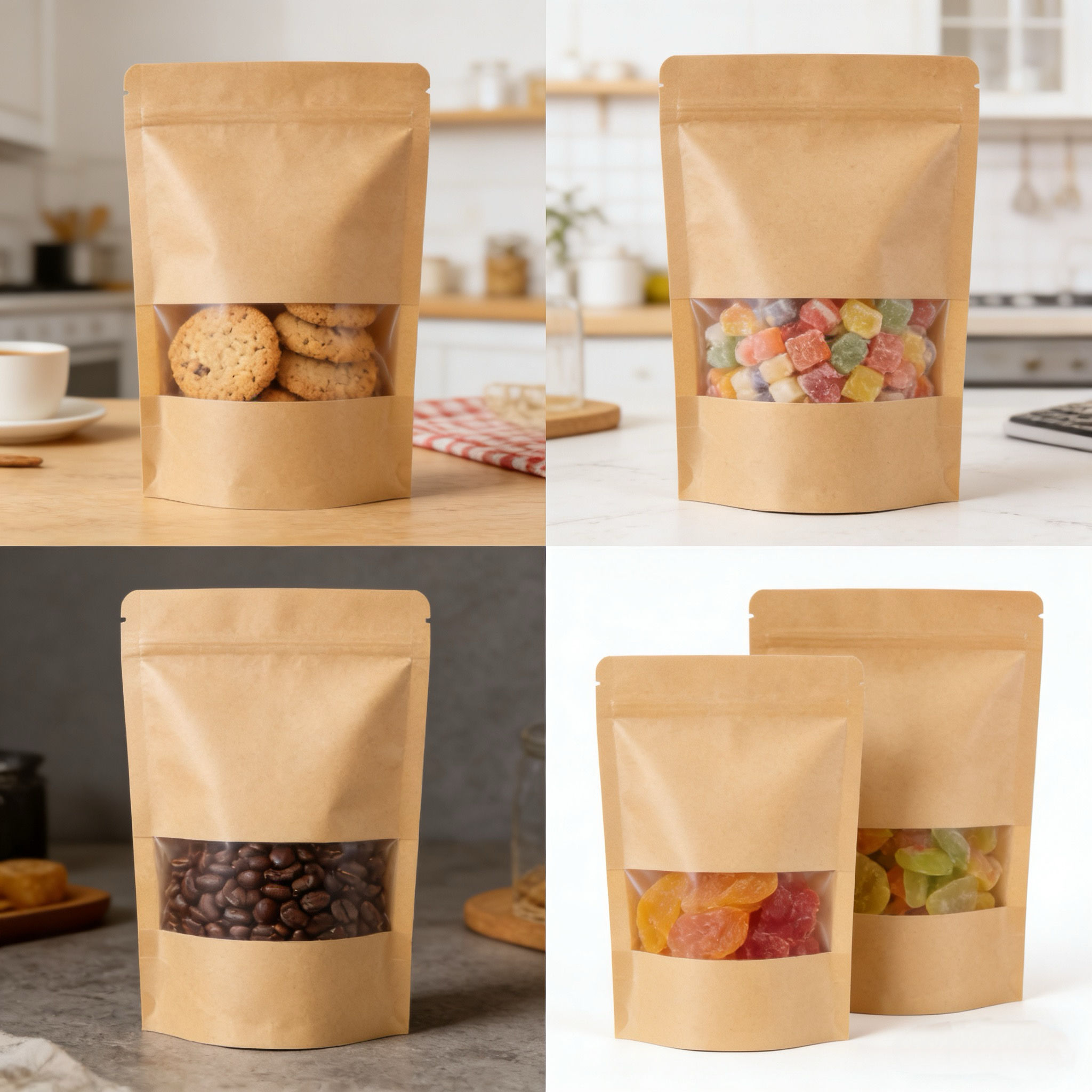
3.1 Pre-Packaging Preparation
- Cool food to room temperature first: Avoid temperature shock and freezer overload.
- Portion control: Split large batches into small portions for easy thawing and use.
3.2 Proper Packing Techniques
- Leave headspace: 1-2cm for solids, 10% of bag capacity for liquids (accommodate expansion).
- Remove excess air: Squeeze air out manually or use a vacuum sealer; twist-top "goose-neck" method for zipper bags.
- Sealing tips: Wipe bag mouths clean (no moisture/oil); ensure封口 width ≥8mm, heat-seal temp 180-200°C for composite bags.
3.3 Labeling & Storage Optimization
- Label with food name, freezing date, and shelf life (2-3 months for best quality).
- Store in protective cartons: Prevent tearing and facilitate stacking.
4. Common Mistakes to Avoid

- Using non-freezer-safe bags: Assuming all Plastic Bags are suitable, leading to leakage and contamination.
- Overpacking bags: Ignoring expansion space, causing bags to burst.
- Poor sealing: Leaving air gaps that trigger freezer burn and bacterial growth.
- Reusing damaged bags: Cracks or weak seals compromise storage safety.
- Freezing incompatible foods: E.g., carbonated drinks, whole eggs, or high-moisture greens in thin bags.
5. Special Scenarios: Food Types & Bag Selection
- Meats/Seafood: Use vacuum-seal bags or PA+PE bags with high vacuum (≥90%) to prevent oxidation.
- Soups/Sauces: Choose leak-proof freezer bags, control vacuum at 70-80% to avoid leakage.
- Fruits/Vegetables: Laminated bags or freezer-grade PE bags; blanch first to retain quality.
- Foods (Pickles, Soy Products): PA+Aluminum Foil+PE bags to block light and UV rays.
6. Comparing Freezer Bags with Other Storage Options

- Rigid Containers (Glass/Plastic): Better for liquids but bulkier; wide-mouth glass jars for freezing (tempered glass only).
- Aluminum Foil Containers: Disposable, suitable for heating but poor odor barrier.
- Vacuum-Seal Systems: Superior freshness but higher cost; compatible with vacuum bags.
- Verdict: Freezer bags excel in space-saving and versatility for most home uses.
7. FAQs About Food Packaging Bags & Freezer Storage (100-150 words)
- Q: Can zip-top bags be used for freezing? A: Yes, if marked "freezer safe"; ensure tight sealing.
- Q: How long can food last in freezer bags? A: 2-3 months for best quality; up to 6 months for vacuum-sealed bags.
- Q: Can I reuse freezer bags? A: Only if undamaged, cleaned thoroughly, and for non-raw foods.
Conclusion (100-150 words)
- Summary: Food Packaging Bags are suitable for freezer storage when choosing the right material and using proper techniques.
- Key takeaways: Prioritize freezer-safe materials, ensure airtight sealing, and avoid common mistakes.
- Final tip: Keep a variety of freezer bags (sizes, materials) for different food types to maximize freshness.