When it comes to packaging, picking the right Packaging Bags can feel pretty overwhelming, right? I mean, there’s just so many options out there. Experts like Mark Thompson from EcoPack Solutions often emphasize how crucial it is to choose the right materials to keep your products safe. He’s been quoted saying, “Quality Packaging Bags are the key to preserving your product’s integrity.” It really sticks with you, doesn’t it?
There’s a whole variety of types, sizes, and materials to consider. The trick is to really think about what you’re packaging and what that specific product needs. For instance, if you’re dealing with fragile stuff, you might want to look into padded or protective options, like those Bags On Bags setups. Take your time browsing and exploring different choices — rushing into it isn’t the best idea.
And hey, not every option is perfect. Some bags might not be as durable as you’d like or could have a bigger environmental footprint. It’s worth reflecting on what really matters for your business — durability, eco-friendliness, cost — whatever’s most important to you. Being thoughtful about this stuff is key to nailing the right packaging. It’s all about finding that sweet spot between protecting your products and keeping things sustainable.

Factors to Consider When Selecting Packaging Bags for Your Product Needs
Choosing the right packaging bags for your products is crucial. The right bag protects your items and enhances their appeal. Consider the material you will use. For instance, plastic bags are lightweight but may not be eco-friendly. Paper bags are biodegradable but might lack durability.
Think about the size of your bags. They must fit your products well but avoid unnecessary bulk. A bag that is too large can lead to wasted space and increased shipping costs. Additionally, the closure type matters. Zipper seals are secure, while adhesive seals are easier for customers to open.
Another factor is the style of the packaging. A transparent bag showcases your product, attracting buyers. Custom designs can enhance brand visibility but may require additional investment. Balance functionality with aesthetics to ensure an appealing product presentation. Consider your audience's preferences. Their feedback can guide better choices, making it easier to choose packaging that resonates with them.
Understanding Different Types of Packaging Bags and Their Uses
When choosing packaging bags, understanding their specific uses is crucial. There are several types available, each serving a different purpose. For instance, poly bags are lightweight and waterproof, making them ideal for clothing. Paper bags are recyclable but may not hold liquids well. Consider what you'll be packaging before making a choice.
Tip: Always test the bags before finalizing your decision. This can save you from unexpected issues later. Check for durability and sealing properties. Not all bags hold up under pressure, and some may tear during transit.
Also, consider the size of the bags. Too large can lead to shifting, while too small can be restrictive. Both situations can frustrate customers. Keep in mind that aesthetics matter, too. Your packaging reflects your brand's image. Think about colors and designs that will appeal to your target audience.
Evaluating the Material Choices for Packaging Bags and Their Benefits
Choosing the right packaging bags starts with understanding the materials. Many options exist, including plastic, paper, and biodegradable materials. According to a recent industry report, approximately 40% of consumers prefer eco-friendly packaging. This preference drives manufacturers to innovate.
Plastic bags are versatile and durable. They can handle various products, from food to industrial materials. However, they contribute significantly to environmental issues. In contrast, paper bags are biodegradable and recyclable. They appeal to consumers who favor sustainability. Yet, they may not provide the same level of moisture resistance as plastic.
Biodegradable options are gaining traction. These materials can break down more quickly than traditional plastics. Reports indicate that they can reduce waste by 30%. However, their cost might deter some businesses. Striking a balance between cost-effectiveness and environmental impact is crucial for brands. Packaging choices should reflect a commitment to sustainability while meeting practical needs.
The Role of Sustainability in Choosing Eco-Friendly Packaging Bags
When choosing packaging bags, sustainability plays a key role. Eco-friendly options are becoming essential. Many consumers care about the environment. Yet, not all bags labeled as "eco-friendly" truly are. It's vital to research materials. Are they biodegradable? Compostable? Or are they just recycled? Understanding these details can impact your choice.
Bags And Bags of options await you. From fabric to paper, each has its benefits. Fabric bags may last longer but require more resources to produce. Paper bags often break down easily, but their durability can be less. Reflecting on these choices can be tough. Sometimes, the most appealing option isn’t the most sustainable.
Packaging choices can also affect your brand. Opting for sustainable materials may seem costly initially. However, this decision can lead to loyal customers. Many people prefer brands that respect the planet. As you navigate your options, keep the environment in mind. Make a choice that aligns with your values. Future generations will appreciate your efforts.
Cost-Effectiveness: Balancing Quality and Budget in Packaging Choices
Cost-effectiveness plays a crucial role in selecting
Packaging Bags.
Businesses often wrestle with balancing quality and budget. It's vital to understand that not all packaging bags are created equal.
A recent study indicated that around 30% of companies overspend due to poor packaging choices. Companies might compromise quality for a lower price, which can lead to product damage.
Investing in durable packaging bags can prevent higher costs in the long run. Higher quality bags protect products better and can reduce returns.
Research shows that consumers are willing to pay more for products in high-quality packaging. For example, 65% of buyers noted they felt a product was of better quality because of its packaging.
However, overthinking can lead to analysis paralysis. Many companies spend too much time contemplating options. This can delay product launches,
causing lost revenue. Striking the right balance is critical. Evaluating both price and durability is essential.
Making informed choices about packaging bags can enhance brand perception and lead to long-term success.
Size and Shape: How to Determine the Right Dimensions for Your Bags
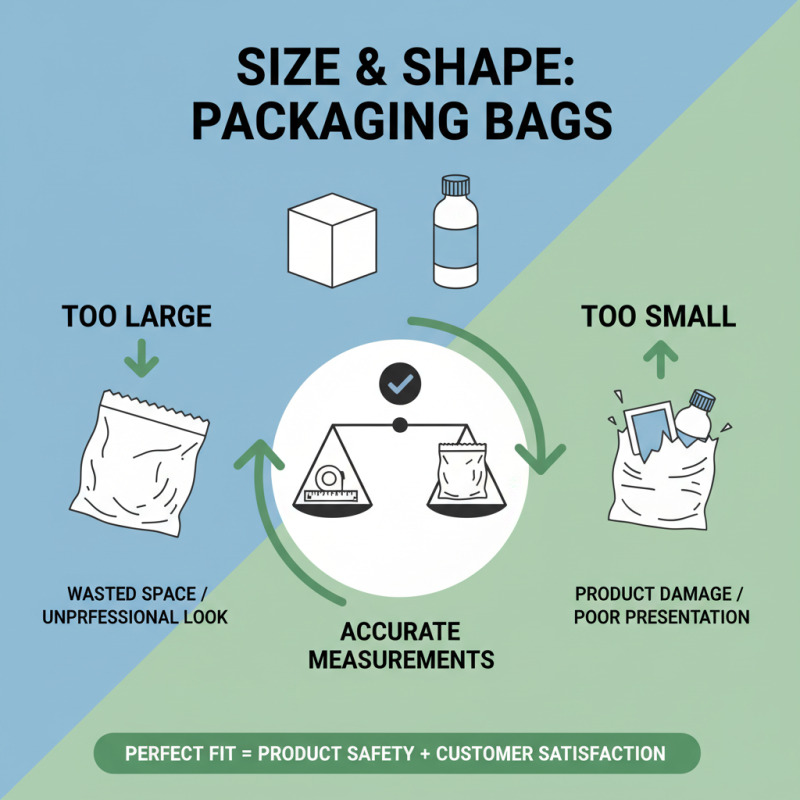
When choosing packaging bags, size and shape are crucial. They must fit your product perfectly. A bag that is too large might result in wasted space. On the other hand, a bag that is too small can damage your product. Take accurate measurements of your items. This ensures a good fit.
Consider the nature of your product. If it's fragile, opt for padded bags. If it’s food, ensure the bags are food-safe and airtight. A simple way to decide is to create a sample package. This trial can save you from costly mistakes.
Think about the presentation, too. A unique shape can attract attention. However, it should still serve its purpose effectively. Not all stylish options are practical. Reflecting on your choices can lead to better outcomes. Don’t settle for just looks; function matters.
When it comes to Bags And Packaging, understanding your dimensions can transform your business. Choose wisely, and remember, it’s a balance of form and function.
Industry Standards and Regulations Impacting Packaging Bag Selection
When selecting packaging bags, industry standards and regulations play a crucial role. These include guidelines from organizations such as the FDA and ISO. These standards ensure the safety and sustainability of packaging materials. For example, the FDA specifies requirements for food-grade materials to prevent contamination. This is essential for businesses in the food industry.
Many packaging bags, especially Big Packaging Bags, must comply with specific weight and durability standards. A recent report indicates that 25% of companies experienced product damage due to inadequate packaging. This highlights the importance of choosing bags that meet industry strength requirements. Companies often overlook this, leading to wasted resources and potential losses.
Sustainability regulations are another factor to consider. The demand for eco-friendly packaging increases each year. According to a 2022 study, 70% of consumers prefer products with sustainable packaging. Yet, many businesses struggle to find compliant materials that also meet their needs. This disconnect can complicate the packaging decision process and warrant reevaluation of current practices.
Top Tips for Choosing the Right Packaging Bags for Your Needs - Industry Standards and Regulations Impacting Packaging Bag Selection
| Criteria |
Description |
Industry Standards |
Regulatory Implications |
| Material |
Choose based on durability, barrier properties, and compatibility with contents. |
ISO 22000, ASTM D1980 |
Compliance with food safety regulations. |
| Size |
Ensure bags fit products without excess space. |
ASTM D5276 |
Packaging must meet specified dimensions for shipping standards. |
| Seal Type |
Select between heat seal, adhesive seal, or zipper seal based on usage. |
ASTM F2029 |
Effective sealing is crucial for safety and quality control. |
| Printability |
Consider surface for printing branding and product information. |
ISO 12647-2 |
Regulations on labeling and branding may apply. |
| Sustainability |
Opt for biodegradable or recyclable materials. |
ISO 14021 |
Must comply with environmental protection laws. |
FAQS
: Cost-effectiveness is crucial. It helps balance quality and budget effectively.
Yes, about 30% of companies overspend due to poor packaging decisions.
Often, lower prices can compromise quality, increasing the risk of product damage.
Durable bags protect products better, reducing returns and long-term costs.
Many consumers feel products are of better quality when packaged well.
Overthinking can lead to delays in product launches, resulting in lost revenue.
Accurate measurements of your product are essential for a good fit.
For fragile items, consider using padded bags for better protection.
Both are important, but functionality should not be compromised for aesthetics.
Proper dimensions can enhance presentation and ensure product safety.
Conclusion
Choosing the right packaging bags is essential for effectively meeting product needs. When selecting packaging bags, several factors should be considered, including the type of bag and its specific use, as different materials offer unique benefits. The analysis of material choices should also account for sustainability, as eco-friendly options have become increasingly important in modern packaging solutions. Balancing cost-effectiveness with quality is vital to stay within budget while ensuring the bags serve their intended purpose.
Additionally, determining the right size and shape of packaging bags is crucial for optimal product presentation and protection. Understanding industry standards and regulations can further impact the selection process, ensuring compliance while maximizing functionality. By taking these factors into account, businesses can make informed decisions that align with both their operational needs and sustainability goals.