As the packaging industry keeps shifting and evolving, experts are pretty much betting on big changes coming to the world of packaging materials by 2026. John Smith, who's a key player at GreenPack Solutions, honestly, says, ‘Sustainability is really going to start reshaping how we think about packaging materials in the next few years.’ That kind of sums up just how crucial eco-friendly practices are becoming these days.
You can definitely see the trend towards greener options. Companies are now really pushing to use biodegradable and recyclable materials—it's like a race to be more responsible. Consumers aren't just buying anything anymore; they want transparency, which puts more pressure on brands to adopt more sustainable methods. But, here's the catch: balancing cost and eco-friendliness remains a bit of a challenge for lots of businesses. Innovations are popping up all the time, but there are still some gaps and hurdles to overcome.
Meanwhile, new tech is starting to make waves, but let’s be real—things are pretty uneven across the board. Some companies are really ahead of the game, while others are struggling to keep up. When it comes to Food Packaging Material, I think we’re going to see these disparities continue. Looking ahead to 2026, the industry will need to face both its wins and its setbacks if it really wants to move forward effectively.

Emerging Biodegradable Materials in Packaging
The shift towards biodegradable materials in packaging is gaining momentum. Consumers are increasingly aware of their environmental impact. They seek responsible alternatives. Bioplastics made from cornstarch or sugarcane are leading this change. These materials can break down naturally, reducing waste. However, they require proper disposal methods to be effective.
Some emerging biodegradable options include mushroom-based packaging. Fungi are abundant and can decompose easily. Another interesting approach is seaweed packaging. It is not only compostable but also edible. These innovations draw attention but also raise questions. Are they scalable? Can they meet mass production needs sustainably?
While biodegradable materials are promising, they aren't a one-size-fits-all solution. They may not perform as well as traditional plastics in every scenario. There’s still much to learn about their life cycle impacts. Consumers and manufacturers alike must navigate this evolving landscape together. The journey towards sustainable packaging is full of challenges, yet it’s essential for our planet’s future.
Innovations in Recyclable Packaging Solutions
The rise of recyclable packaging solutions is transforming the
Pkg Material landscape.
As consumers become more eco-conscious, companies must adapt. Innovations like biodegradable films and plant-based plastics are gaining traction.
These materials reduce waste and promote sustainability.
However, challenges remain. Not all recyclable materials are accepted by local recycling programs. Confusion about proper disposal
often leads to contamination. Additionally, the manufacturing process for some eco-friendly options can be energy-intensive.
Companies must balance environmental impact with practicality.
Emerging technologies, such as smart packaging, offer exciting possibilities.
These innovations can enhance recycling processes. They may include QR codes that guide consumers on disposal methods.
Increased transparency in labeling is crucial. It can empower consumers to make informed choices.
The future of Pkg Material depends on ongoing collaboration between manufacturers, consumers, and waste management systems.
The Impact of E-Commerce on Packaging Design Trends
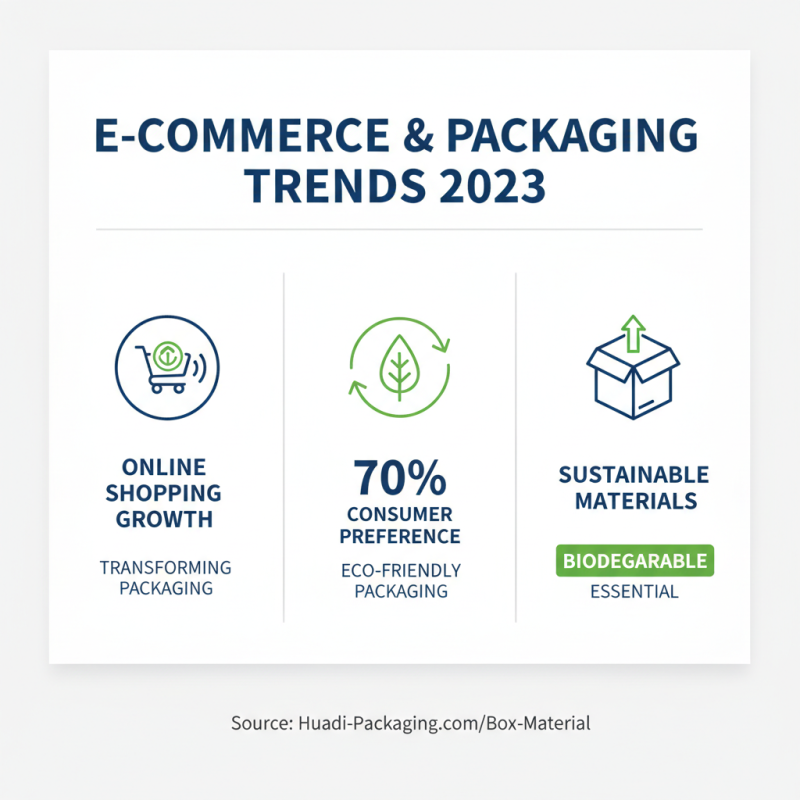
The rise of e-commerce has drastically transformed packaging design trends. As online shopping continues to grow, retailers are rethinking their packaging strategies. In 2023, over 70% of consumers indicated that they prefer eco-friendly packaging. This shift is pushing brands to consider sustainable materials for Box Material. Biodegradable options are no longer optional; they are essential.
Consumers expect their packages to arrive safely and beautifully. Reports show that 86% of customers are influenced by packaging when making a purchase. The presentation of the box material can enhance the unboxing experience. However, achieving a balance between aesthetics and sustainability remains a challenge.
The growing demand for smaller, more efficient packaging is also notable. With 30% of e-commerce shipments being returned, improving the design of box material to reduce waste is critical. Some companies are experimenting with minimalist designs. Yet, improperly designed packages can lead to damage during shipping. This highlights an essential area for improvement in the industry.
Smart Packaging Technology and Its Future Applications
Smart packaging technology is evolving rapidly. It offers exciting applications that enhance consumer experience and extend product lifespan. Imagine a Material Pouch that interacts with users, providing real-time updates about the product inside. This innovation ensures consumers know when a product is nearing its expiration date. It’s a game-changer for food safety and waste reduction.
Tips: Consider how digital features can improve product engagement. Focus on user-friendly interfaces. Consumers appreciate simplicity.
Another aspect is the incorporation of sustainability. Smart packaging can use biodegradable materials or reduce excess waste. This approach aligns with eco-conscious consumer trends. However, the balance between technology and environmental impact is crucial. Packaging should not only be smart but also responsible.
Tips: Investigate eco-friendly materials that can work with smart apps. Transparency about sourcing can boost consumer trust.
As we look toward 2026, the blend of innovation and sustainability will define packaging trends. The future promises enhanced interactions without compromising our planet's health. Embracing these technologies can lead to more informed and responsible consumer choices.
Sustainable Practices in Packaging Manufacturing
Sustainable practices in packaging manufacturing are gaining momentum. The industry faces pressures to reduce waste and carbon footprints. One trend is the use of biodegradable materials. These materials break down naturally, lessening landfill impact. However, challenges remain. Not all biodegradable options decompose effectively in various environments.
Another focus is recycling. Many companies are investing in closed-loop systems. This method reuses materials, minimizing the need for new resources. Despite this, the recycling process itself can be inefficient. Contamination often hinders the effectiveness of recycling efforts. Consumers play a role in this, too. Not everyone understands how to recycle properly.
Finally, innovative design approaches are emerging. Brands are exploring minimalistic packaging. This not only reduces material use but also cuts costs. Yet, striking a balance between functionality and sustainability is tricky. Some designs may compromise product protection. It’s vital for companies to reflect on these trade-offs.
Consumer Preferences Driving Packaging Material Choices
Consumer preferences are reshaping packaging materials in 2026. A recent study finds that 73% of consumers prefer sustainable packaging options. This trend is driving brands to rethink their material choices. Biodegradable and recyclable materials are gaining traction. Shoppers are increasingly concerned about their environmental impact.
One report indicates that 35% of consumers are willing to pay more for eco-friendly packaging. This willingness influences brands to invest in sustainable solutions. However, not all brands are adapting quickly enough. Many still rely on plastic, which frustrates eco-conscious shoppers. This gap creates opportunities for brands willing to innovate.
Tips: Focus on transparency in materials used. Consumers appreciate brands that share their sustainability journey. Also, consider the design. Aesthetic appeal can enhance the perceived value of sustainable materials. Balancing sustainability and functionality is crucial for success. Brands must stay attuned to these evolving consumer preferences to remain competitive in the marketplace.
Regulatory Changes Affecting Packaging Materials in 2026
As 2026 approaches, regulatory changes are set to reshape the packaging industry. The rise of sustainability regulations is becoming significant. Governments worldwide are pushing for materials that reduce environmental impact. This includes a focus on biodegradable and recyclable options. Companies must prioritize eco-friendly choices in their packaging design.
Specific regulations can affect the type of packaging materials used. For example, new rules may limit the use of certain plastics. This pushes brands to explore innovative Pouch Material solutions. The challenge lies in balancing compliance with functionality. New expectations will test how companies innovate and adapt.
Market leaders foresee a shift toward transparency in sourcing. Consumers will demand more clarity around packaging materials. Brands may struggle with this shift. Not all companies are ready for radical change. But those who adapt will likely thrive.
Conclusion
The article "Top Packaging Material Trends for 2026: What to Expect?" explores the dynamic landscape of packaging materials set to influence the industry in the coming years. Key trends include the rise of biodegradable materials, which aim to minimize environmental impact, and innovative recyclable packaging solutions that enhance sustainability. The growth of e-commerce is also reshaping packaging design, necessitating more durable and efficient packaging formats. Furthermore, advancements in smart packaging technology promise enhanced interactivity and functionality for consumers.
Sustainable practices in manufacturing are becoming paramount, driven by increasing consumer preferences for environmentally responsible products. Additionally, regulatory changes looming in 2026 will further affect the selection and use of packaging materials, compelling manufacturers to adapt swiftly. Overall, these trends indicate a significant shift towards more sustainable, consumer-focused, and technically advanced packaging material solutions.