In the fast-paced world of business, picking the right packaging isn’t just some small detail—it’s a big deal when it comes to keeping products safe and making your customers happy. I’d say Richard Smith from Packaging Innovations really hits the nail on the head when he says, “The right packaging bags do more than just protect the product—they also send a message about your brand.” With so many different types of packaging bags out there, it can be pretty overwhelming to figure out what works best for your needs. But understanding the options can really help your business stand out and thrive.
Think about it—whether it’s flexible pouches or tough paper bags, each type has its own unique role across different industries. Choosing the right packaging isn’t just about looks; it affects everything—how fresh your product stays, how appealing it looks on the shelf, and even how customers perceive you. With so many choices out there, it’s important for businesses to weigh all the factors—materials, sizes, and features—before making a call.
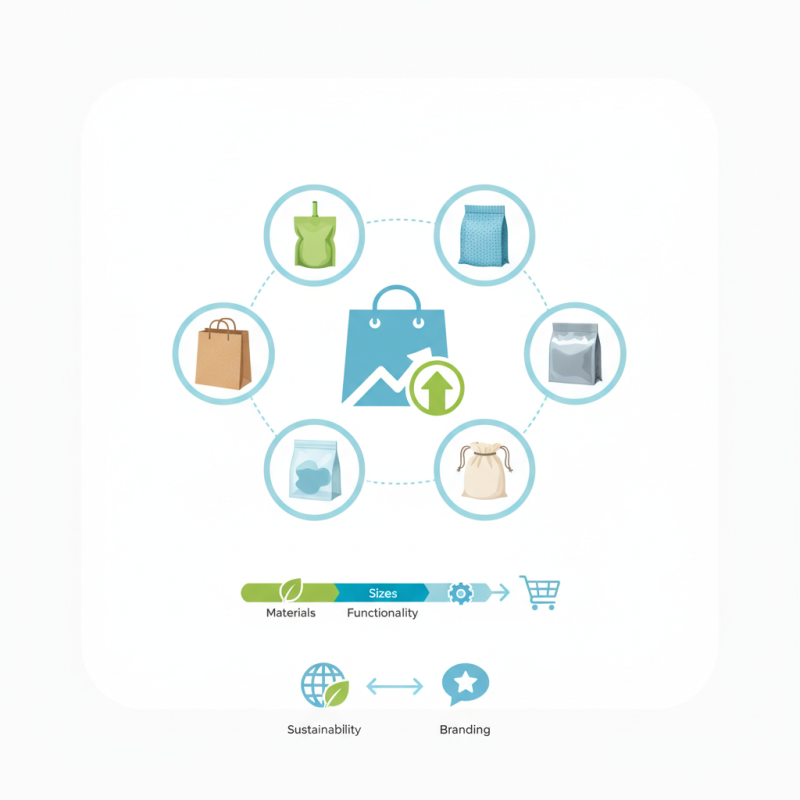
As we dive into some of the top packaging bag types out there, it’s worth remembering that your choice should also align with your company’s sustainability goals and branding. This guide will walk you through the main categories of packaging bags, and share some handy tips on making smart decisions that can boost your sales and keep your customers coming back for more.
Types of Packaging Bags: An Overview
When selecting the right packaging bag, it's essential to understand the various types available in the market. There are several popular options, including stand-up pouches, flat bags, and vacuum-sealed bags.
Stand-up pouches are excellent for products that require visibility and shelf appeal, while flat bags tend to be more cost-effective for bulk items. Vacuum-sealed bags are ideal for preserving freshness and extending shelf life, particularly for food items. Understanding the purpose of your product will help narrow down the choices.
Tips: When choosing a packaging bag, consider the material's durability and barrier properties, especially for perishable items. Additionally, think about the ease of use for both consumers and retailers to ensure your packaging stands out on the shelf.
Another category to explore is eco-friendly packaging options, which are becoming increasingly popular. Biodegradable bags and compostable materials not only showcase brand responsibility but also appeal to environmentally conscious consumers. It's important to weigh your options based on sustainability goals while ensuring that the packaging meets your product's functional requirements.
Tips: Keep an eye on new packaging innovations that might offer better protection or usability for your products, and always test sample bags to ensure they meet your expectations before placing a large order.
Understanding Different Materials Used in Packaging Bags
When it comes to packaging bags, understanding the materials used is crucial for selecting the right option for your needs. Common materials include plastic, paper, and fabric, each offering unique benefits and applications. Plastic bags are lightweight and moisture-resistant, making them ideal for items ranging from groceries to merchandise. However, they are less biodegradable, which can be a concern for eco-conscious consumers. On the other hand, paper bags are more environmentally friendly and provide a classic, natural look, but they may not be suitable for wet or heavy products. Fabric bags, such as cotton or canvas, are durable and reusable, making them perfect for shopping and promotional uses.
Tips: When choosing a material, consider the product's weight and the environment it will be stored in. For perishable goods, opt for plastic or coated paper bags that offer moisture protection. If sustainability is your priority, look for biodegradable or recycled materials that minimize environmental impact.
Another important aspect is the size and closure of the bag. A well-sized bag can reduce waste, while closures like zippers or drawstrings add convenience and security. Determine how your customers will use the bags to ensure they meet their practical needs. By aligning the choice of material with both functionality and environmental considerations, you can make informed decisions for effective packaging solutions.
Top Packaging Bags Types for Every Need and How to Choose the Right One
| Bag Type |
Material |
Best Use |
Advantages |
Disadvantages |
| Plastic Bags |
LDPE/HDPE |
Groceries, Retail |
Durable, Water-resistant |
Non-biodegradable |
| Kraft Paper Bags |
Kraft Paper |
Food, Retail |
Eco-friendly, Recyclable |
Less water-resistant |
| Woven Polypropylene Bags |
Polypropylene |
Agricultural, Construction |
Strong, Durable |
Can be heavy |
| Biodegradable Bags |
Cornstarch-based materials |
Eco-friendly packaging |
Biodegradable, compostable |
Higher cost |
| Vacuum Bags |
Plastic (multi-layer) |
Food preservation |
Extend shelf life, reduce waste |
Requires sealing machine |
Choosing the Right Size for Your Packaging Needs
When selecting the right size for your packaging needs, it's essential to consider both the product dimensions and the intended use of the packaging. According to a report from Packaging Strategies, nearly 70% of consumers indicate that they are influenced by the packaging size when making purchasing decisions. This highlights the significance of not only having a well-designed package but also ensuring the size is appropriate for the product it contains. A well-fitted package can reduce movement during transit, lowering the risk of damage, while also portraying professionalism and care to the customer.
Moreover, the right size can optimize shipping costs. The 2020 data from Packaging World reveals that oversized packaging contributes to increased freight costs and waste. By utilizing precise measurements, companies can achieve better cost efficiency, as carriers often charge based on dimensional weight. Additionally, minimizing excess space reduces the environmental impact, aligning with the growing consumer demand for sustainable practices. Choosing the optimal size for your packaging not only benefits your bottom line but also enhances customer satisfaction and loyalty.
Top Packaging Bags Types for Every Need
This chart illustrates the different types of packaging bags commonly used and their corresponding typical dimensions. Understanding the right size for your packaging needs is crucial for effective product presentation and protection.
Specialty Packaging Bags for Specific Products
When it comes to specialty packaging bags tailored for specific products, the choice of materials and designs can significantly impact both functionality and customer appeal. According to a recent report by Smithers Pira, the global flexible packaging market is projected to reach $300 billion by 2025, reflecting the growing significance of specialty bags in various industries. For example, products like organic snacks may require biodegradable packaging that not only preserves freshness but also aligns with eco-friendly consumer values. Understanding the characteristics of materials—such as barrier properties, seal compatibility, and recyclability—can help businesses optimize their packaging strategies.
Tip: Before selecting a specialty packaging bag, assess the product requirements meticulously. Consider factors like shelf life, exposure to light or moisture, and any specific storage conditions. Specialty options like foil bags, vacuum-sealed pouches, or poly bags can cater to diverse needs, ensuring your product remains protected and appealing to customers.
Moreover, the rise of e-commerce has renewed attention on packaging solutions designed for shipping. Products that require cushioning and protection, such as glass items or electronics, benefit from padded envelopes or bubble mailers. The demand has surged; a report by Research and Markets anticipates a CAGR of 4.9% for the protective packaging market from 2021 to 2026. Choosing the right specialty packaging not only safeguards products during transit but also enhances the unboxing experience for consumers.
Tip: Always prototype different packaging designs and materials before settling on the final choice. Testing for durability during shipping and customer feedback on the unboxing experience can offer valuable insights, ensuring your packaging not only performs its function but also elevates your brand image.
Eco-Friendly Options in Packaging Bags
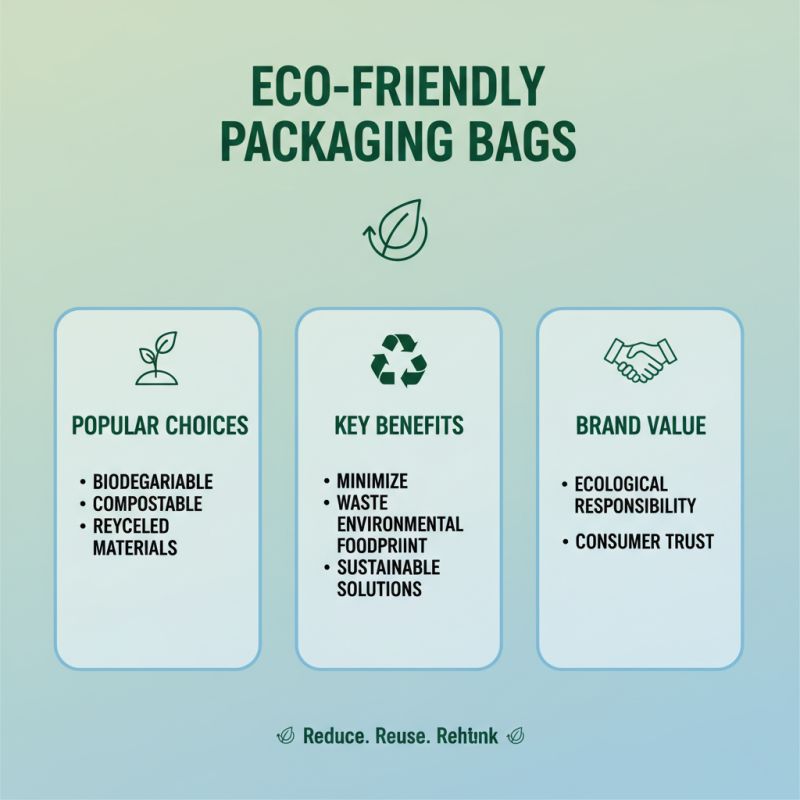
When considering packaging bags, eco-friendly options have gained significant popularity as consumers and businesses alike aim to reduce their environmental footprint. Biodegradable, compostable, and recycled materials are now common choices among manufacturers seeking sustainable solutions. These options not only minimize waste but also signal to consumers that a brand values ecological responsibility.
Tips for choosing eco-friendly packaging bags include assessing the material’s source and production process. Look for bags made from plant-based materials or those that are certified compostable, ensuring they break down naturally without harming the environment. Additionally, consider using packaging that can be reused or recycled to extend its life cycle and contribute to circular waste management.
Another viable option is to select bags that utilize minimalistic designs and production techniques, reducing resource consumption. Simple, effective packaging can efficiently serve its purpose while also enhancing sustainability. Prioritizing eco-friendly packaging not only benefits the planet but can also improve a brand’s image and attract conscientious consumers who are increasingly looking to support environmentally aware businesses.
Comparing Cost-Effectiveness of Various Packaging Bag Types
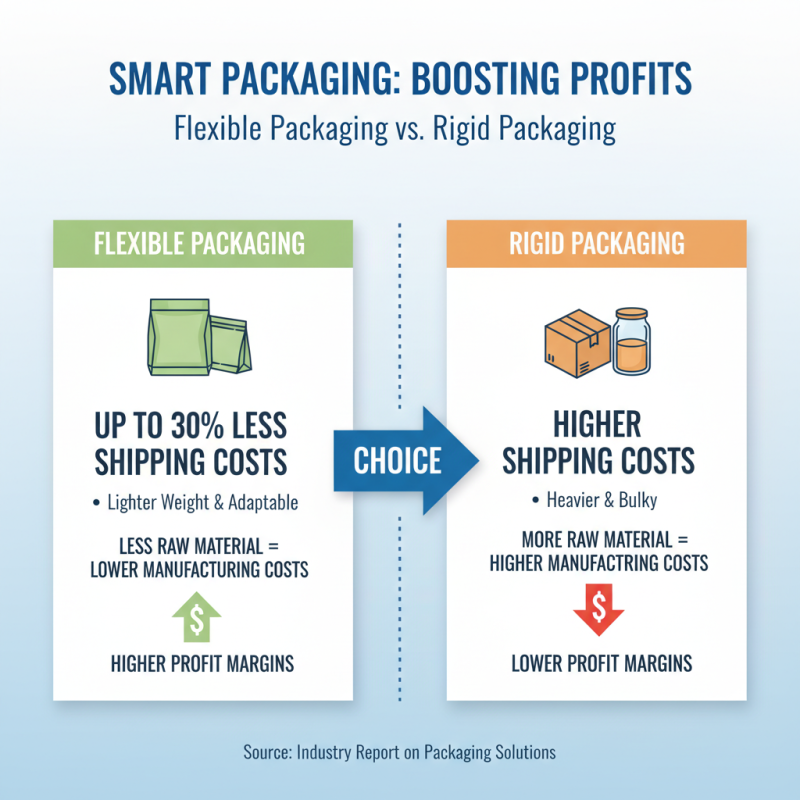
When considering packaging solutions, cost-effectiveness plays a vital role in business decisions. A recent industry report indicates that flexible packaging, such as stand-up pouches and flat bags, can reduce shipping costs by up to 30% compared to traditional rigid packaging. This reduction is primarily attributed to the lighter weight and adaptability of flexible materials. Additionally, these types of bags often require less raw material to produce, further lowering manufacturing costs, which can translate to higher profit margins for businesses.
To choose the right packaging bag type for your needs, it’s essential to assess not just the initial cost but also the overall value it brings. For instance, biodegradable packaging may have a higher upfront cost but can enhance brand reputation and appeal to eco-conscious consumers. Moreover, according to a 2022 survey, 65% of consumers are willing to pay more for sustainable packaging. Thus, while evaluating your options, consider the long-term benefits versus short-term expenses.
Tips: Always evaluate the total cost of ownership, including production and shipping, when selecting packaging materials. Additionally, conducting a market analysis can help identify consumer preferences that may justify the cost of premium packaging options. Finally, don't overlook testing different bag types—pilot programs can provide insights into which options yield the best balance of cost and customer satisfaction.
Tips for Selecting the Best Packaging Bags for Your Business
When it comes to selecting the best packaging bags for your business, understanding the specific needs of your products and audience is crucial. According to a recent report by Smithers Pira, the global market for flexible packaging is expected to reach $300 billion by 2025, indicating a strong demand for diverse packaging solutions. This market growth pushes businesses to consider packaging materials that not only protect their products but also resonate with consumer preferences for sustainability and convenience.
One of the key factors to consider is the type of material used for packaging bags. For instance, polyethylene bags are widely popular due to their versatility and cost-effectiveness, while biodegradable options are gaining traction as consumers become more environmentally conscious. A study by the Flexible Packaging Association reveals that 70% of consumers are willing to pay more for sustainable packaging. Therefore, evaluating the lifecycle and environmental impact of your packaging choices should be a priority. Moreover, assessing factors such as size, closure type, and printing capabilities can further enhance product visibility on shelves, influencing purchasing decisions significantly.
Additionally, understanding regulatory requirements and industry standards is vital when selecting packaging bags. Compliance with food safety regulations or specific guidelines for hazardous materials can not only prevent legal issues but also build trust with your customers. The recent 2023 Packaging Sustainability Report highlights that over 55% of companies recognize the importance of adapting to regulatory changes to enhance their brand reputation. Overall, combining practical considerations with an awareness of market trends can lead to informed decisions that benefit both your business and your customers.
Maximizing Efficiency in Coffee Packaging: Insights from Recent Market Reports on Huadi Custom 1L-10L Super Pouch Liquid Bags
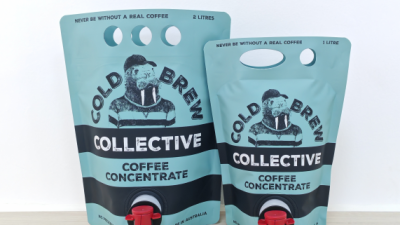
In the ever-evolving landscape of coffee packaging, maximizing efficiency is paramount for businesses aiming to meet growing market demands. The focus on innovative packaging solutions is evident, particularly with the introduction of specialized liquid bags tailored for coffee products. Among these advancements, custom large-capacity pouches offer a versatile solution for holding liquid goods, including cold-brewed coffee concentrate, while ensuring optimal freshness and convenience.
These pouches, with a capacity ranging from 1L to 10L, are designed with a portable self-supporting structure that enhances usability. Equipped with a leak-proof faucet valve, they provide easy access to the liquidContents, making them perfect for both retail and distribution purposes. The incorporation of handle holes also facilitates effortless handling and hanging, catering to various storage and display needs. The material used in these bags is specifically engineered for safe liquid storage, ensuring that flavors and quality are preserved.
As more businesses look to streamline their packaging processes, the demand for such efficient solutions is expected to rise. Companies planning to optimize their packaging strategies will find these customizable liquid pouches instrumental in enhancing operational workflows while also meeting consumer expectations for convenience and quality in coffee products.
FAQS
: The common materials include plastic, paper, and fabric. Each material offers unique benefits for various applications, such as moisture resistance or reusability.
Plastic bags are lightweight and moisture-resistant, making them suitable for a wide range of products. However, they are less biodegradable compared to other options, which may concern eco-conscious consumers.
Paper bags are more environmentally friendly and provide a classic look, but they may not be suitable for wet or heavy products due to their lack of moisture resistance.
Factors to consider include the product's weight, storage environment, moisture protection needs, and sustainability preferences.
Specialty packaging bags are designed based on product requirements, such as shelf life and exposure to conditions like light or moisture. Options include foil bags and vacuum-sealed pouches tailored for different needs.
Prototyping and testing packaging designs ensure durability during shipping and gather customer feedback on the unboxing experience, helping to elevate brand image and functionality.
Flexible packaging can reduce shipping costs by up to 30% compared to traditional rigid packaging due to its lighter weight and adaptability, leading to potential higher profit margins.
Sustainable packaging may have a higher upfront cost but can enhance brand reputation, with surveys indicating that many consumers are willing to pay more for eco-friendly options.
A market analysis helps identify consumer preferences which can justify the costs associated with premium packaging options, ensuring better alignment with customer expectations.
Consider production and shipping costs, assess the long-term value versus short-term expenses, and conduct pilot programs to understand which packaging options yield the best balance of cost and satisfaction.
Conclusion
Packaging bags are essential tools for businesses, serving a variety of needs across different industries. This article provides a comprehensive overview of the types of packaging bags available, highlighting the various materials used, including plastics, paper, and biodegradable options. Understanding the right size for your packaging needs is crucial, as is recognizing specialty packaging bags designed for unique products.
Moreover, as sustainability becomes increasingly important, eco-friendly packaging options are also discussed. The article compares the cost-effectiveness of different packaging bag types, offering practical tips for selecting the best solutions tailored to your business's requirements. By considering these factors, businesses can make informed decisions that not only protect their products but also align with their environmental commitments.