You know, these days, the packaging industry is really buzzing, especially when it comes to high-quality Polythene Bags. More and more people are leaning towards options that are both convenient and eco-friendly. I read somewhere that recent market research suggests the global plastic bag market—yup, that includes polythene bags—is expected to hit around $50 billion by 2027. That’s like a 3.5% annual growth rate! So, it’s pretty clear that businesses are on the lookout for reliable packaging solutions. Picking the right manufacturers is super important to ensure that the products not only meet quality standards but also embrace sustainability across various uses. Take Dongguan Huadi Packaging Products Co., Ltd., for example. Established in 2003, they’ve really made a name for themselves by offering customized packaging solutions that keep up with the ever-changing needs of different industries. By keeping up with market insights and trends, companies can better pinpoint the top manufacturers that fit their packaging needs, especially when it comes to Polythene Bags.
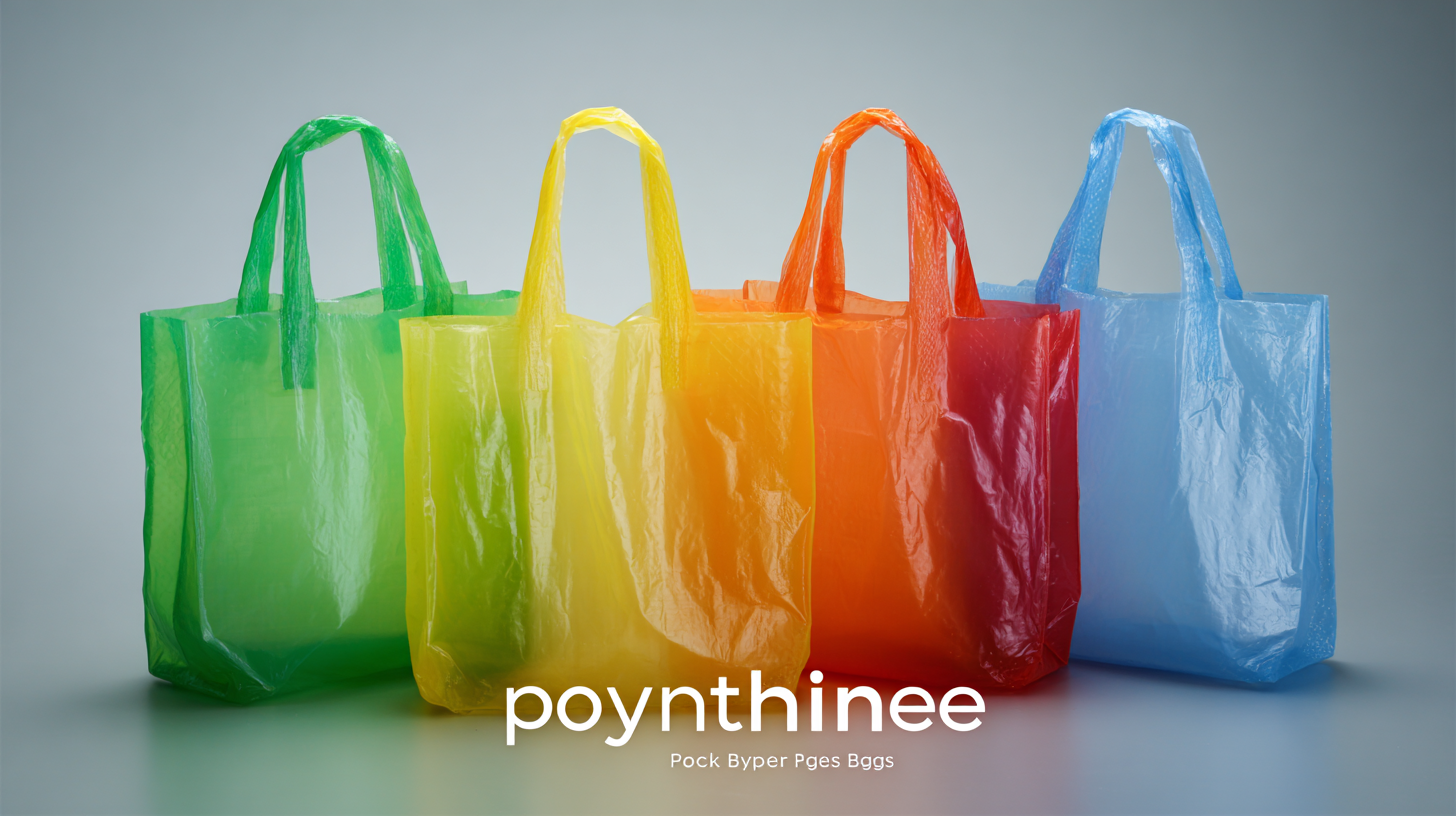
Understanding the Importance of Selecting Quality Polythene Bag Manufacturers
When it comes to picking out quality polythene bag manufacturers, it’s super important for businesses that want to keep their products looking good and boost their brand's reputation. Did you know that polythene makes up about 60% of the flexible packaging market? According to the Flexible Packaging Association, it’s expected to hit $34 billion by 2024! This really shows how much people are leaning towards high-quality materials that not only meet consumer needs but also follow regulations. Choosing the right manufacturer means you’ll get bags that are not just durable and eco-friendly, but they can also help you cut down on production costs without skimping on quality.
So, here’s a tip: look for manufacturers with certifications like ISO 9001 and ISO 14001. These are basically indicators that they take quality management and the environment seriously. Oh, and pay attention to suppliers who have a solid reputation for sustainability—after all, reports show that 63% of consumers would rather stick with brands that are environmentally responsible.
Now, if you dive into industry reports like the ones from Smithers Pira, you’ll see there’s a big trend leaning towards bioplastics. Manufacturers who focus on these materials can give you some pretty innovative options that match up with today’s environmental concerns. Teaming up with manufacturers who mix both traditional and sustainable choices will really help your business stand out in the competitive market.
And here’s another tip: always ask for samples and run some tests to see how strong and usable the materials really are. Plus, chatting directly with manufacturers can give you some great insights into their production methods and show you just how much they care about quality control.
Polythene Bag Manufacturers: Quality Assessment
Key Criteria to Evaluate Polythene Bag Manufacturers
Choosing the right manufacturers for polythene bags isn’t just a checklist; it’s a pretty big deal if you want to ensure they’re up to snuff in terms of quality and sustainability. To kick things off, you definitely want to take a close look at how committed a manufacturer is to environmental regulations. Are they genuinely invested in sustainable practices? A key point here is whether they use recycled materials in their production. Did you know that around 70% of plastic waste can actually be recycled? That’s a huge stat and really highlights why a solid recycling system is super important. Manufacturers that put effort into this don’t just cut down their carbon footprint; they’re also playing a part in a circular economy, which is great for everyone.
Pro tip: Check out manufacturers who are getting into bioplastics. Studies show that these sustainable options can seriously reduce the environmental impact when compared to the conventional stuff. Making the switch to renewable materials is essential if we want to lessen the ecological footprint of plastic production.
Another biggie to consider is whether these manufacturers comply with legal standards, especially in places that are really grappling with plastic waste issues—like many African countries. Getting a grip on how they handle these regulations can give you a clue about their maturity and reliability as a partner. There have been some recent updates to the rules on plastic waste management that really stress the need for strict compliance. Those who proactively embrace sustainable practices can gain a competitive edge, and that’s something worth looking for.
Here’s a tip: Make sure to do some thorough audits of potential suppliers. This way, you can check out how they stack up against both local and international sustainability standards. It’s all about finding partners who don’t just meet the current requirements but are also gearing up for future regulations in the industry.
The Role of Technology and Innovation in Polythene Bag Production
You know, the world of polythene bag production is constantly changing, and technology really is at the heart of it all. Manufacturers are starting to embrace newer, smarter techniques like automation and using eco-friendly materials to spruce up their production processes. It's pretty great because not only does this make things run smoother, but it also tackles those nagging environmental issues—especially with everyone lately being so focused on sustainability. By jumping on the tech bandwagon, companies are finding ways to cut down on waste and shrink their carbon footprints, which definitely points towards a more responsible way of handling packaging solutions.
When it comes to picking the best manufacturers, one big thing to keep an eye on is how committed they are to innovation. You want to see companies that are really investing in research and development to whip up more sustainable products. Plus, it's important they can roll with the punches when new regulations come in, especially with some places banning single-use plastics. If a manufacturer is offering biodegradable or recyclable options, that shows they’re thinking ahead and staying in tune with what’s happening in the market.
And let’s not forget, you also need to check out how scalable their production is. Can they keep up with growing demand while still keeping quality in check? It’s smart to look at their past performance and get some feedback from current clients to make sure they’re reliable and can deliver. By focusing on these factors, businesses can really find manufacturers that not only produce top-notch polythene bags but are also leading the way in sustainability within the industry.

Sustainability Practices Among Leading Polythene Bag Manufacturers
You know, sustainability is really becoming a big deal when it comes to choosing manufacturers for polythene bags. More and more, folks—both consumers and regulatory bodies—are really prioritizing eco-friendly practices. Did you catch that report from Allied Market Research? They say the global market for biodegradable plastic bags is expected to hit a whopping $8.5 billion by 2027! That just shows how much people are looking for sustainable options in packaging these days. It's pretty exciting!
So, what's happening in the industry? Well, a lot of the top polythene bag manufacturers are stepping up their game. They're experimenting with innovative materials and processes, trying to cut down on their carbon footprint while also answering the call for greener products.
Here’s something interesting: a solid 67% of leading manufacturers are investing in recycling technologies. They’re actually turning post-consumer waste into reusable materials—how cool is that? Companies like Novolex and Inteplast Group are making a real commitment to sustainable sourcing. They want to make sure that the raw materials in their polythene bags meet environmental standards.
And it gets even better! Independent audits have shown that about 85% of these big manufacturers are on track to slash their greenhouse gas emissions by 2025. That’s a clear sign that there's a strong team effort happening in the industry to move toward sustainability. As all this unfolds, keeping an eye on transparency and accountability is going to be super important in picking the right manufacturers for polythene products.
Evaluating Manufacturer Reputation and Customer Feedback
Choosing the right manufacturers for polythene bags isn't just a checkbox on a list; it’s really about digging into their reputation and what customers are saying about them. A report from Smithers Pira points out that a whopping 62% of consumers see brand reputation as a big deal when they're deciding what to buy. This stat really highlights why it’s essential to team up with manufacturers who care about sustainability and quality. If you check out customer reviews on platforms like Trustpilot or even some industry-specific forums, you can get some fantastic insights into how reliable they are and how good their service really is.
So, how do you figure out if a manufacturer has a solid reputation? Well, one tip is to look at their certifications and any awards they might have. For instance, if they're ISO certified, that usually means they stick to some pretty tough quality management standards, which is a good sign they can be trusted. Plus, by looking at the trends in customer reviews, you can spot common issues or strengths in their production process—pretty handy!
Oh, and here’s another great idea: why not reach out to some of their past clients or business partners? There’s this survey from International Pack that says 85% of businesses actually ask for references before they settle on a supplier. Talking with others about their experiences can uncover some details that you won’t find just reading reviews, giving you a more complete picture of what to expect from a manufacturer in the polythene bag game.
Exploring Global Trends in the Polythene Bag Industry
The polythene bag industry is witnessing significant transformations driven by global trends in sustainability and consumer preferences. According to a recent report by Smithers Pira, the global market for polythene bags was valued at approximately $20 billion in 2022 and is expected to grow at a CAGR of 4.5% through 2027. As regulations around plastic usage tighten, manufacturers are increasingly leaning towards innovative materials and production methods. This shift not only addresses environmental concerns but also aligns with consumers’ growing demand for eco-friendly packaging solutions.
Tip: Always look for manufacturers who prioritize sustainability in their production processes. Certifications such as ISO 14001 can provide insights into a company's commitment to environmental management.
Moreover, geographical trends are shaping the industry landscape. For instance, Asia Pacific remains the largest market for polythene bags, accounting for over 40% of the global consumption. This region’s rise can be attributed to its booming retail sector and increasing demand for packaged goods. In contrast, Europe is pushing for the adoption of biodegradable options, which could alter the future of polythene production.
Tip: When selecting a manufacturer, consider their adaptability to regional trends and regulatory changes. Engaging with suppliers who are open to innovation helps ensure compliance and sustainability in your product line.

Maximizing Food Safety: Insights from Industry Reports on Huadi Customized Aseptic Bags for Packaging Innovation
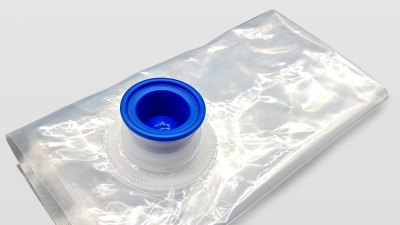
In today’s food and beverage sector, the innovation of packaging is vital for ensuring product safety and quality. Huadi’s customized aseptic bags have emerged as a significant solution to meet these demands. These bags are engineered to preserve the flavor, color, and nutritional integrity of various products such as juices, sauces, soups, and dairy alternatives. The aseptic process employed in these bags not only provides extended shelf stability but also simplifies storage for consumers, contributing to a reduction in food waste. By maintaining a sterile environment, these bags guarantee that the essence and freshness of food items are retained up to the point of consumption.
Beyond food safety, the application of aseptic bags extends into the pharmaceutical industry, where they serve as critical tools for the safe storage and transportation of liquid medications, vaccines, and intravenous solutions. In healthcare settings, where hygiene is paramount, aseptic bags prevent contamination and ensure the efficacy of essential medical products. The ability to safeguard these vital items underscores the importance of maintaining high standards in packaging innovation. Huadi’s customized solutions exemplify how tailored packaging can advance food safety and pharmaceutical integrity, ultimately fostering consumer trust and health.
FAQS
: Selecting quality polythene bag manufacturers is crucial for maintaining product integrity, enhancing brand reputation, minimizing production costs, and meeting consumer and regulatory standards.
Look for manufacturers with ISO certifications such as ISO 9001 for quality management and ISO 14001 for environmental practices, as these indicate adherence to high standards.
Consumer preferences increasingly favor brands that demonstrate environmental responsibility, with 63% of consumers preferring such brands, prompting manufacturers to adopt sustainable practices.
Bioplastics are gaining popularity as manufacturers seek to provide innovative and environmentally friendly packaging solutions that align with modern consumer demands and regulatory measures.
To evaluate a manufacturer’s reputation, check certifications, industry accolades, and customer reviews, and consider directly connecting with past clients for insights into their experiences.
Global trends in sustainability and tightening regulations are transforming the industry, pushing manufacturers toward innovative materials and eco-friendly packaging solutions in response to consumer demand.
Asia Pacific is the largest market, accounting for over 40% of global consumption, driven by retail sector growth, while Europe is focusing on adopting biodegradable options influencing future production.
Requesting samples allows businesses to conduct quality tests to evaluate the material's strength and usability, ensuring that the products meet their standards before making a commitment.
Engaging directly with manufacturers can reveal their production processes and commitment to quality control, helping businesses make informed decisions based on firsthand information.
The global market for polythene bags was valued at approximately $20 billion in 2022 and is expected to grow at a CAGR of 4.5% through 2027.