Hey there! So, in today's fast-changing world of packaging, it’s super important for businesses to really get a grasp on the nitty-gritty of packaging materials if they want to amp up their sustainability and efficiency game. You know, recent industry reports have been buzzing about how the global packaging materials market is expected to hit a whopping USD 1 trillion by 2025! That’s a pretty big deal, and it's all thanks to rising demand from a bunch of sectors like food, pharmaceuticals, and e-commerce.
Now, let me introduce you to Dongguan Huadi Packaging Products Co., Ltd., which has been around since 2003. They’re definitely leading the pack in this fast-paced industry, focusing on high-quality packaging solutions that cater to the unique needs of different sectors. In this blog, we’re going to dive into the technical bits of various packaging materials and share some insights to help companies pick the best options for their products. Plus, we’ll keep an eye on the tech trends that are expected to shape 2025. So, stick around!
Understanding Packaging Materials: A Comprehensive Overview
You know, when it comes to packaging materials, it's super important to really get a feel for what makes each one tick. Packaging isn’t just about keeping a product safe; it’s kinda at the heart of branding, sustainability, and keeping customers happy. You’ve got all sorts of materials out there, like cardboard, plastic, glass, and metal, each with their own quirks that make them fit for different purposes. For example, you can’t beat cardboard for being light and recyclable—it’s great for printing, too! But if you’re looking to really preserve something like food or beverages, glass is your best bet. Just keep in mind that it can be heavier and more delicate.
Now, here’s some food for thought: when you’re picking out packaging materials, don’t forget about the environment. Choosing sustainable options can really boost your brand's image. Try to go for biodegradable materials or ones that have been recycled whenever you can. Plus, think about how your packaging vibes with what you’re selling. If you’ve got something that’s sensitive to temperatures, you might need insulated or foam packaging to keep it in tip-top shape during shipping.
Also, let's talk about cost-effectiveness. You don’t want to skimp on quality, but keeping an eye on costs is super important, too. Taking a closer look at the lifecycle of your packaging can reveal some pretty neat savings. If you invest in packaging that helps reduce damage while shipping, you could save a lot on replacements for broken items. And hey, well-designed packaging does more than just keep stuff safe—it can really elevate the unboxing experience, which might just turn one-time buyers into loyal fans!
Key Factors in Choosing the Right Packaging Material
So, when you’re picking the right packaging material, there are a few important things you really wanna think about. First off, you’ve gotta consider whether the material actually works well with whatever you’re putting in there. I mean, it’s super crucial. For example, there’s this study from the Protective Packaging Association that found over 70% of businesses deal with product damage because their packaging just didn’t cut it. Using stuff like bubble wrap or those cool specialty corrugated boxes can really make a difference and keep your products safe from bumps and moisture.
Now, let’s talk about sustainability, which is a biggie these days. A report from Smithers Pira in 2022 suggests that the demand for sustainable packaging is expected to hit a staggering $500 billion by 2025. More and more consumers are choosing brands that care about the planet, like those using biodegradable plastics and recycled papers. So, going for sustainable options not only boosts your brand image but also helps you keep up with the growing regulations around being environmentally friendly. It’s a win-win!
Last but not least, you definitely want to keep an eye on costs. According to an analysis by Freedonia Group, businesses can save as much as 20% on packaging just by making smarter material choices. So, if you invest in the right packaging from the beginning, you’re not just saving some cash in the short run, but you’re also setting yourself up for better product protection and less waste in the long haul.
Technical Specifications: What to Look For in Packaging Solutions
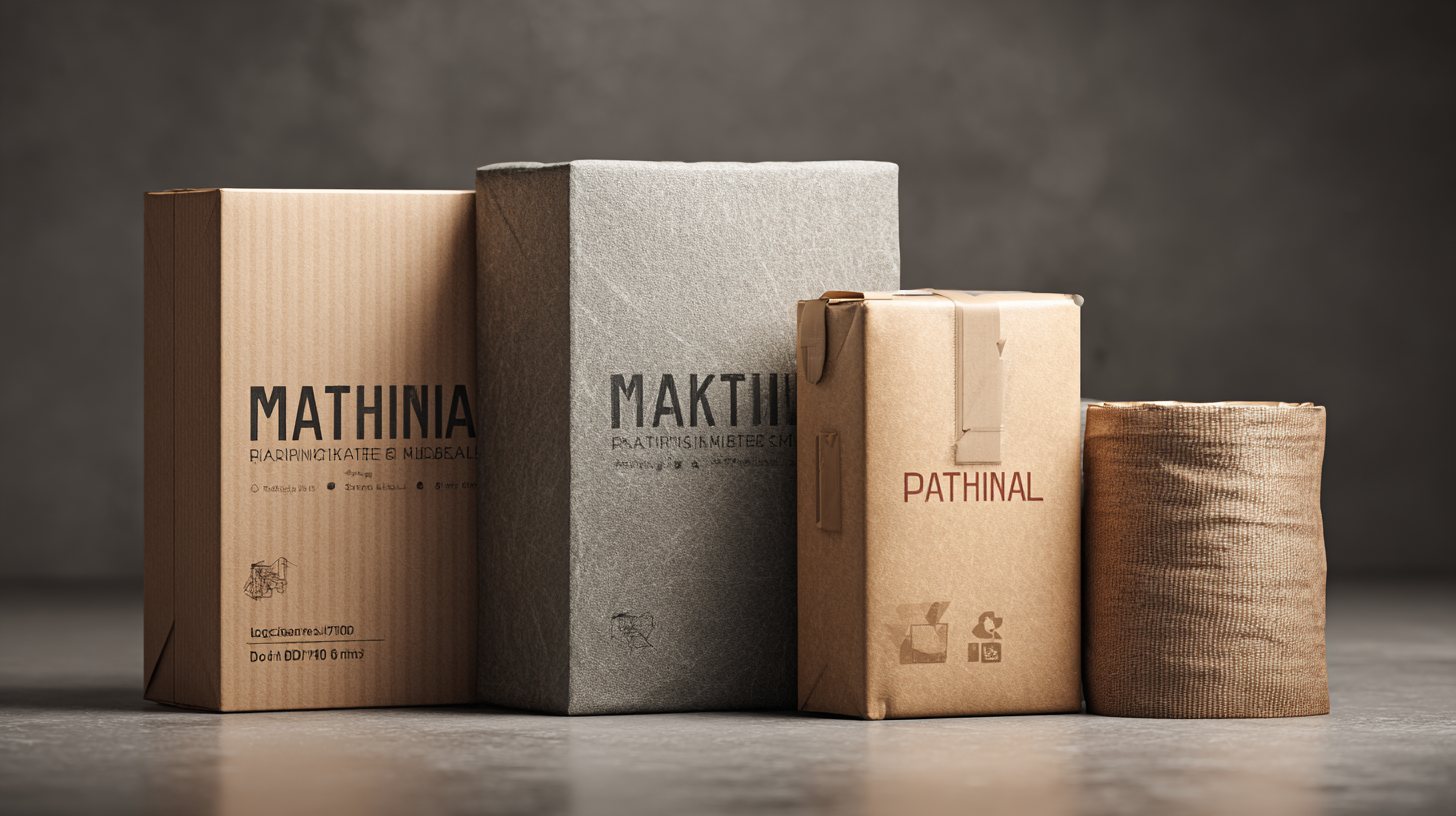
Alright, so when you're picking out packaging materials, it's super important to get a grip on the technical specs. This stuff really matters for keeping things safe, sustainable, and in good shape. You've got to think about a few key points, like what the material is made of, how thick it is, and how well it keeps out moisture and oxygen. Take polyethene and cardboard, for example; they can be pretty different in terms of how tough they are and how they hold up against the elements. A thicker material might do a better job of handling bumps and scrapes, but those barrier properties? They’re what really tell you how well your packaging can fend off things that might mess with your product.
And hey, don’t forget about how eco-friendly your packaging is! It's a good idea to check for certifications like FSC for paper stuff or go for materials that can be easily recycled or reused. Plus, if you’ve got products that don’t like temperature changes, you’ll definitely want to keep an eye on the thermal properties of your packaging. By really paying attention to these technical details, businesses can make smarter choices that not only protect their products but also fit in with eco-friendly practices. This can lead to happier customers and stronger brand loyalty in the long run.
Unlocking the Secrets to the Best Packaging Material
This chart illustrates the properties of various packaging materials based on their durability, cost-effectiveness, and environmental impact.
Sustainability in Packaging: Exploring Eco-Friendly Options
You know, sustainability in packaging has really become a big deal for both manufacturers and consumers these days. It seems like everyone’s jumping on the green bandwagon! With the world leaning more towards eco-friendly practices, it’s no surprise that alternative packaging options are really starting to catch on. A report from Grand View Research in 2022 even pointed out that the global sustainable packaging market might hit a whopping 644.2 billion dollars by 2027—talk about impressive growth, right? We're looking at a compound annual growth rate (CAGR) of 7.9% since 2020! This change isn’t just happening for fun; it's largely driven by stricter regulations and a push from consumers who want more sustainable choices. Companies are buzzing with ideas, coming up with biodegradable, recyclable, and compostable materials like it’s nobody's business.
One of the coolest advancements in sustainable packaging is definitely biodegradable plastics. These bad boys can break down naturally and really help reduce our environmental footprint. You might find it interesting that a survey by McKinsey & Company showed that 66% of people around the globe are actually ready to spend a bit more on sustainable packaging. That really highlights how crucial eco-friendly materials have become in snagging market share. Plus, there’s been a notable uptick in using post-consumer recycled (PCR) content in packaging. This not only cuts down waste but also helps conserve our precious resources. The Ellen MacArthur Foundation points out that using PCR materials can drastically lower carbon footprints, which is a major win for businesses dedicated to going green.
Unlocking the Secrets to the Best Packaging Material: In-Depth Technical Specifications You Need to Know - Sustainability in Packaging: Exploring Eco-Friendly Options
| Packaging Material |
Weight (g/m²) |
Tensile Strength (N/mm²) |
Recyclability |
Biodegradability |
Sustainability Score |
| Kraft Paper |
120 |
25 |
Yes |
Yes |
8.5 |
| Corrugated Cardboard |
250 |
30 |
Yes |
Yes |
9.0 |
| Bioplastics |
200 |
20 |
Yes |
Yes |
7.5 |
| Glass |
600 |
50 |
Yes |
No |
8.8 |
| Aluminum |
500 |
40 |
Yes |
No |
7.0 |
Cost vs. Quality: Finding the Balance in Packaging Materials
You know, when we talk about packaging materials, it’s like that classic tug-of-war between cost and quality. Businesses often find themselves in a bit of a pickle trying to choose materials that not only keep their products safe but also don’t break the bank. It's such a tricky balance to strike, right? Going for the cheap stuff can really backfire, leading to unhappy customers and returns that nobody wants. But on the flip side, splurging on high-quality packaging can really boost how people see your brand, plus it can save money down the line by cutting down on damages and returns—pretty neat, huh?
A smart move here is to really think about what the product needs. If you’re dealing with something fragile or perishable, you definitely want to use tougher materials that provide extra safety and durability. And hey, looking into innovative options like biodegradable or recyclable materials is a win-win—they keep your product safe and show your customers that you care about the environment. In the end, it's all about understanding the trade-offs and keeping an eye on the long-term effects on your budget and brand image. That's the secret sauce for making those thoughtful packaging decisions.