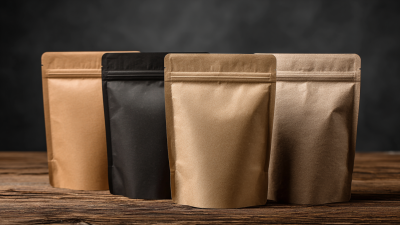
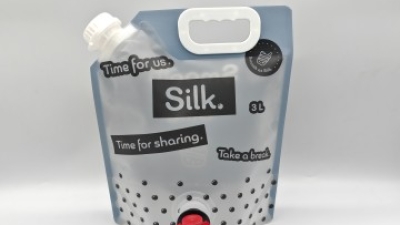
You know, in the fast-changing world of retail these days, sustainable practices are really taking center stage. It’s pretty wild how much this shift is influencing what consumers want and how brands package their products. One area that’s definitely feeling the heat of this change is Print Packaging — it’s become a key player in catching the eye of eco-conscious shoppers.
Companies like Dongguan Huadi Packaging Products Co., Ltd., which started back in 2003, are leading the charge with top-notch packaging solutions that serve a wide range of industries. As more folks favor eco-friendly products, brands really need to rethink their packaging strategies. Not only to boost their brand visibility but also to stay aligned with sustainability goals.
In this article, I’ll dive into how print packaging can be innovatively used to meet these new demands — and how it could really make a difference in engaging customers while also helping the environment.
Innovative Designs: Enhancing Consumer Experience with Print Packaging
You know, these days, innovative print packaging is really changing the game—not just making products look cooler but actually enhancing how customers experience them. I read somewhere that, according to Smithers Pira, the global market for sustainable packaging is on track to hit around $500 billion by 2026, and print packaging is a big part of that shift. Brands that focus on savvy design choices—like using eco-friendly inks or recyclable materials—are really connecting with folks who care more than ever about the environment. In fact, studies show that about 75% of consumers prefer products that come with sustainable packaging. It’s pretty clear—people want brands to show they’re serious about being eco-conscious.
And here’s something else that’s pretty exciting—adding interactive features to packaging can seriously ramp up how engaged customers feel. Take augmented reality (AR), for example—more and more brands are using it to create fun, memorable experiences right from the box. A report from the Packaging Association mentioned that packaging with AR can boost consumer interaction by as much as 70%. That’s huge! It’s not just about catching the eye; it’s about building loyalty and telling stories that really connect with people. As the retail world keeps changing so fast, leaning into innovative print packaging is gonna be key for brands that want to stand out—especially when everyone’s paying more attention to sustainability and creating better customer experiences.
Eco-Friendly Materials: Shaping the Future of Sustainable Packaging
As the retail world keeps changing, eco-friendly materials are really taking center stage in the whole sustainable packaging scene. I came across a report from Smithers Pira, and it’s wild—by 2027, they’re projecting that the global market for sustainable packaging will hit around $500 billion. A big reason? More and more, consumers are asking brands to be greener and more responsible with their packaging. In fact, about 72% of people say they’re totally willing to pay a bit extra for products that come in sustainable packaging. So, brands are definitely starting to put more emphasis on materials that are better for the environment. It’s a smart move, not just because it matches what people want, but also because it opens up some cool opportunities for companies to innovate and stand out in a crowded market.
On top of that, research from Mordor Intelligence shows that biodegradable and compostable materials are expected to boom, mainly thanks to stricter regulations and the growing awareness around plastic waste. More companies are jumping on board using things like plant-based plastics and recycled materials. And it’s not just about looking good in the eyes of consumers; this shift actually helps companies meet their sustainability goals, cut down on carbon emissions, and reduce waste. Overall, this trend in print packaging reflects a bigger industry push toward being more eco-friendly—so retailers can not only meet what customers want but also lead the way toward a greener future.
Technology Integration: Smart Packaging Solutions for Modern Retail
Smart packaging solutions are really changing the retail game pretty quickly these days. Thanks to tech innovations and the growing push for sustainability, it’s a trend that’s only picking up steam. I read in a recent report from Smithers that the smart packaging market could hit around $43.4 billion by 2024—that’s a big jump and shows how much brands are investing in better ways to connect with customers and keep track of products. These new packaging ideas aren’t just about making logistics easier; they also appeal to eco-conscious shoppers who want greener options. For example, packaging with QR codes can let consumers find out where their product came from and how eco-friendly it is, making shopping a lot more informed—and maybe a little more interesting too.
If you’re thinking about jumping into smart packaging for your own business, a good place to start might be investing in digital printing tech. It’s great because it lets you create custom designs that really tell your brand’s story — plus, it cuts down on waste that comes with traditional printing. Plus, adding sensors that track moisture or temperature can help keep products in perfect shape during transit, which customers definitely notice and appreciate.
Another exciting trend is the rise of IoT, or the Internet of Things, in packaging. According to MarketsandMarkets, the market for IoT-enabled packaging is expected to grow from about $21 billion in 2021 to a whopping $50 billion by 2026. That means brands can now keep tabs on inventory in real-time, helping stores avoid running out of stock or overproducing. As shoppers become more interested in transparency, having smart packaging that can share real-time info about freshness and sustainability isn’t just a cool feature anymore—it’s becoming a must-have to meet their expectations.
Brand Identity: How Print Packaging Reflects Sustainability Values
In today’s retail world, having a strong brand identity really depends a lot on sustainability these days, and print packaging is actually playing a pretty big role in this whole shift. I read somewhere that according to McKinsey & Company, about 66% of consumers are even willing to pay a bit more for brands that are eco-friendly. Crazy, right? This means that if businesses want to connect with folks who care about the environment, they really need to step up their game. Using eco-friendly materials and creative design ideas that cut down on waste can do a lot to show customers that a brand genuinely cares about sustainability. When companies choose recyclable or biodegradable packaging options, not only do they boost their brand image, but they also build a stronger bond with their customers—trust and loyalty tend to follow.
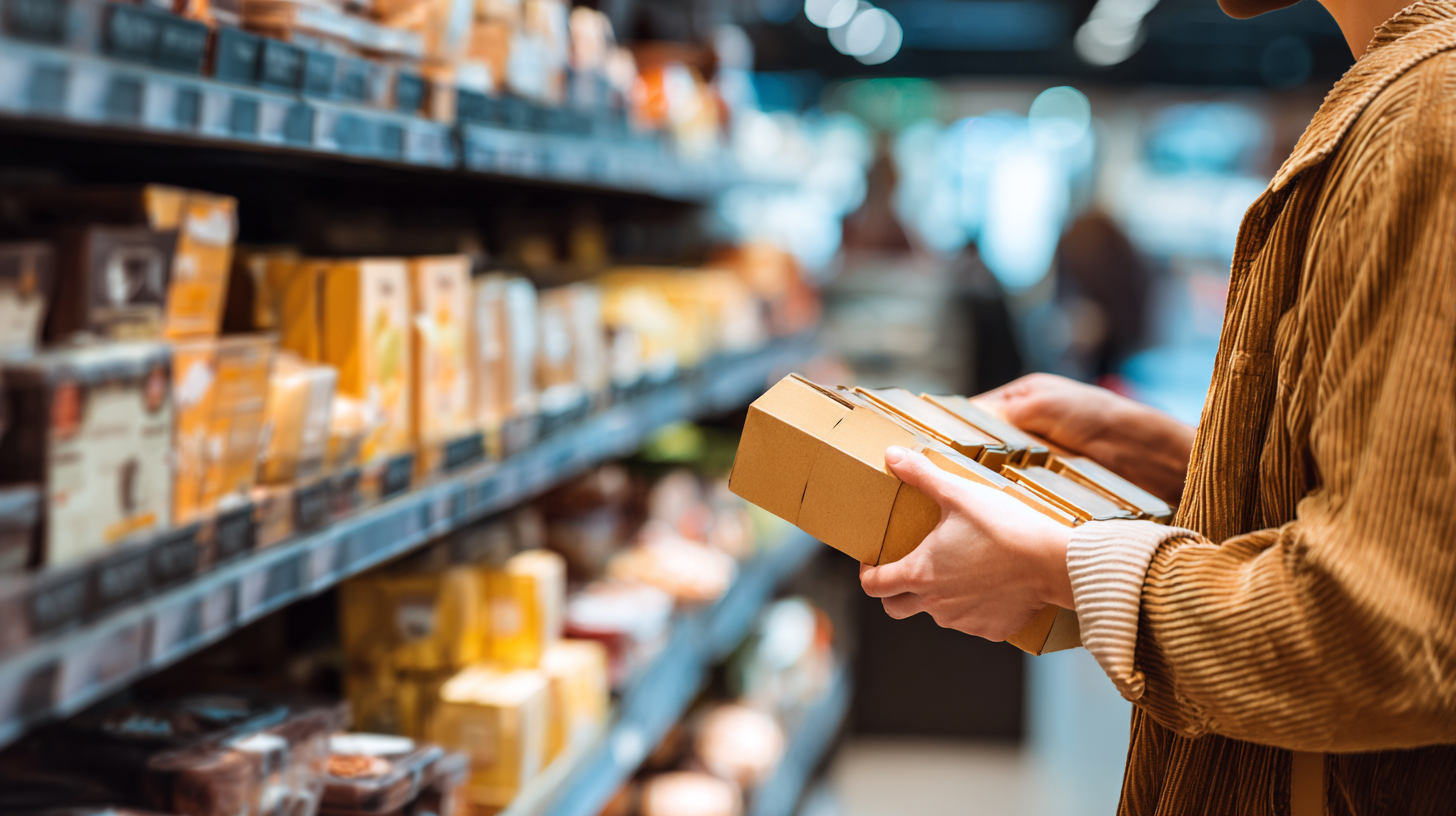
And get this—Smithers Pira reports that the global market for sustainable packaging is expected to hit around $500 billion by 2027. That’s mainly because people are getting more and more into eco-friendly products. Print packaging gives brands a pretty unique chance to highlight their green values, like sourcing locally or using carbon-neutral processes. When a brand honestly communicates these efforts through its packaging, it really helps boost how trustworthy and genuine they seem. As the retail world keeps changing, making sustainability a key part of print packaging design is going to be pretty much essential for brands that want to stay competitive and relevant.
Consumer Behavior: Trends Driving Demand for Sustainable Packaging
Lately, it's pretty clear that the demand for sustainable packaging is really shaping what the future of retail looks like. More and more folks are leaning toward eco-friendly options, and it’s not just a fad. I came across a recent survey by McKinsey that said about 66% of people worldwide are even willing to pay a bit extra for products that are sustainable—that’s a pretty big shift in how consumers view their buying choices. And it’s not just a one-off thing; it’s part of a bigger movement toward sustainability across different industries. The same report also pointed out that 75% of millennials think companies should be doing much more to cut down their environmental impact. Basically, brands really need to get on board with sustainable practices when it comes to packaging if they want to stay relevant.
As retailers start to embrace these trends, there are some clever strategies they can use to really connect with eco-conscious shoppers. Here’s a tip: try using recyclable or biodegradable materials for your packaging – it’s a simple way to cut down on waste. Going for a minimalistic design can also help reduce resource use, and honestly, it can still look really good! Research from the Sustainable Packaging Coalition shows that about half of consumers prefer brands that put sustainability first, which really proves that eco-friendly choices can boost customer loyalty and build a better brand image.
And don’t forget, it’s super helpful to tell people about your green efforts clearly. For example, using labels or straightforward messaging that highlights the eco-friendly aspects of your packaging can make a big difference. Being transparent about where your packaging comes from and how it’s made also attracts more savvy consumers who are paying attention to the environmental impact of their purchases. As this market continues to evolve, those brands that adapt to these sustainable trends aren’t just meeting demands—they’re helping bring about a positive change in the retail world.
Regulatory Impact: Navigating Policies for Sustainable Print Packaging
As sustainability keeps gaining ground in the retail world, it’s absolutely crucial for businesses to get a handle on the rules around print packaging. You see, a recent report from Smithers Pira predicts that the global market for eco-friendly packaging could hit a staggering $500 billion by 2027. That growth is mainly fueled by growing regulations aimed at cutting down environmental damage. Legislation’s not standing still either — take the European Union’s Green Deal, which aims to make all packaging recyclable or reusable by 2030. This push is nudging retailers to rethink their packaging choices and processes so they stay ahead of the game as policies evolve.
But it’s not just about reacting to new laws. These regulations are also shaping what customers want. Nielsen’s survey shows that a huge 73% of people around the world are ready to change what they buy to help the environment. That’s a clear sign that businesses need to be proactive about embracing sustainability regulations. If brands ignore these changes, they risk hefty fines — or worse, losing customers who prefer eco-friendly options. Getting ahead of the curve now means retailers can get creative by using greener materials and innovations, really connecting with what today’s consumers are looking for overall.
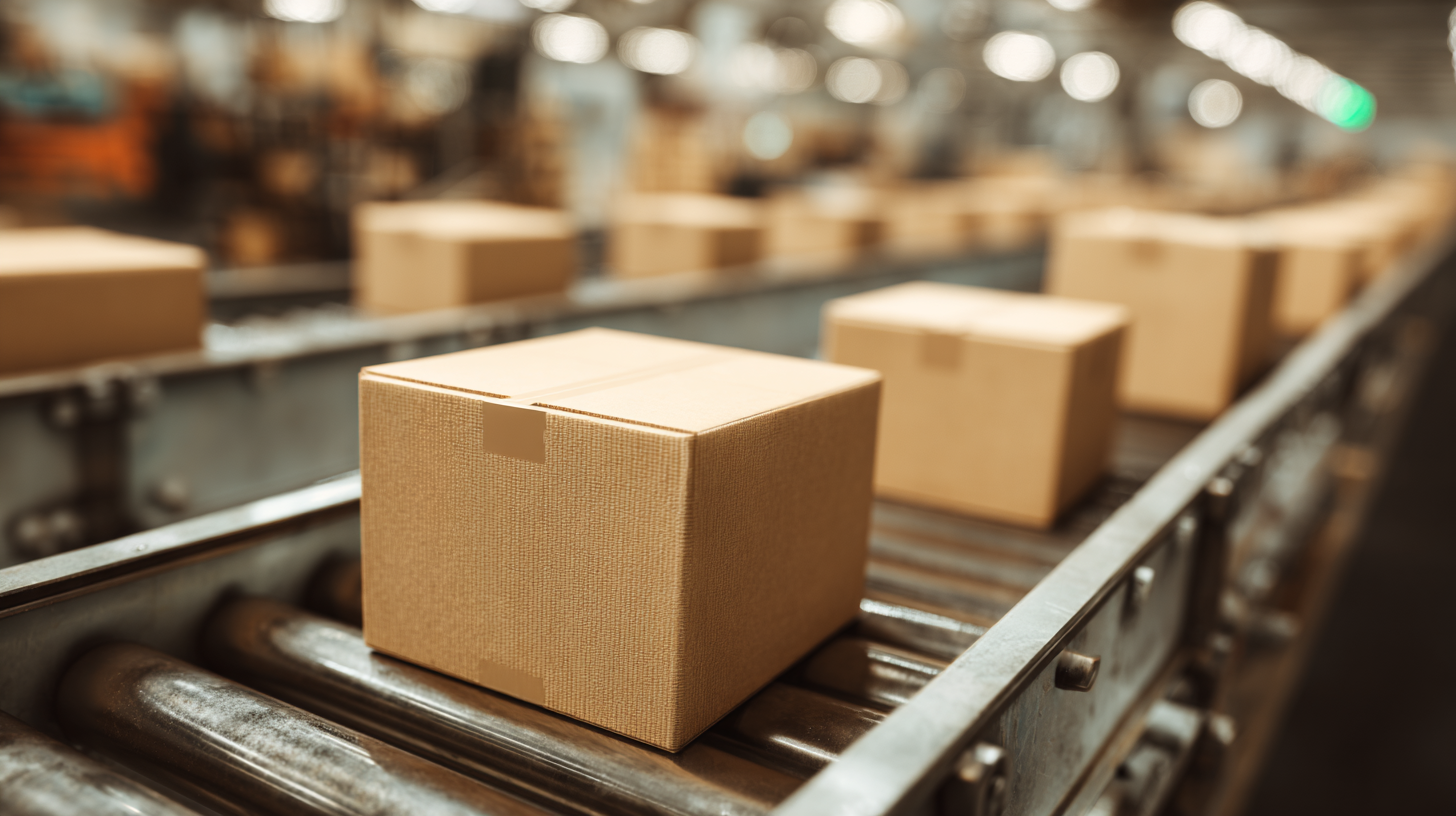
Innovative Solutions in Liquid Packaging: The Customized 3-Liter Butterfly Valve Suction Nozzle Bag for Drinking Water
In the realm of liquid packaging, the introduction of the 3-Liter Food-Grade Butterfly Valve Suction Nozzle Bag marks a significant advancement in the convenience and functionality of portable water solutions. Designed with a focus on user experience, this bag is equipped with a unique leak-proof butterfly valve that allows for effortless dispensing without the risk of messy spills. According to a recent industry report, the global market for innovative liquid packaging solutions is projected to grow significantly, driven by an increasing demand for convenience in hydration products. This 3-liter bag is tailored to meet these needs while ensuring optimal safety and hygiene standards.
Offering an impressive storage capacity, the bag is perfect for various settings—from outdoor adventures and picnics to everyday commutes. Its food-grade materials guarantee that the water stored remains uncontaminated, providing peace of mind for users. The design’s portability allows for easy transport, especially for those who engage in outdoor activities. Data indicates that 78% of consumers prioritize easy-to-use packaging when selecting hydration solutions, reinforcing the importance of our customizable design. The 3-Liter Butterfly Valve Suction Nozzle Bag not only meets these consumer expectations but sets a new standard in the industry, making fresh drinking water accessible wherever life takes you.
FAQS
: The demand is driven by a significant shift in consumer behavior towards environmental responsibility, with 66% of global consumers willing to pay more for sustainable products according to a McKinsey survey.
A report indicates that 75% of millennials believe companies should take substantial steps to decrease their environmental impact, highlighting the importance of sustainable practices in packaging.
Retailers are encouraged to use recyclable or biodegradable materials and to consider minimalistic designs to reduce resource use.
Brands that prioritize sustainable packaging can improve customer loyalty, as 50% of consumers prefer brands that focus on eco-friendly options according to research from the Sustainable Packaging Coalition.
Brands should use clear labeling and messaging that highlights the eco-friendly aspects of their packaging to attract environmentally-conscious consumers.
The global sustainable packaging market is anticipated to reach $500 billion by 2027, driven by regulatory measures aimed at reducing environmental impact.
The EU's Green Deal aims to ensure that all packaging is recyclable or reusable by 2030, prompting retailers to rethink their packaging materials and processes.
Engaging early allows businesses to innovate in their packaging strategies, comply with regulations, avoid fines, and cater to the growing consumer preference for environmentally responsible options.
According to a Nielsen survey, 73% of global respondents are willing to change their consumption habits to reduce their environmental impact.
Brands that do not comply with sustainability expectations may face fines and risk losing market share as consumers increasingly favor eco-friendly options.
Conclusion
The article titled "Revolutionizing Retail: The Future of Print Packaging in Sustainable Consumer Trends" dives into how print packaging is actually transforming the modern retail scene. It talks about cool design ideas that aren’t just pretty—they really improve the whole shopping experience. Plus, there's a focus on how attractive and functional packaging can sway buying decisions more than you might think. They also spotlight eco-friendly materials, emphasizing a shift toward sustainability that lines up with what buyers really care about these days.
On top of that, they get into how technology is making its way into print packaging—think smart, innovative solutions that suit today’s retail needs. The article also explores how packaging reflects a company's values, especially when it comes to being environmentally responsible. It even touches on changing consumer habits, showing that people are increasingly craving sustainable options, and how regulations are playing a role in shaping the industry’s future. Companies like Dongguan Huadi Packaging Products Co., Ltd. are stepping up by providing top-quality print packaging that adapts to the ever-changing demands across different sectors. All in all, it’s about how innovation and environmental consciousness are shaping what’s next for retail packaging.