request to quote
Leave Your Message
0%

In today’s super fast-moving world of e-commerce, picking the right postage bags really can’t be overstated. As businesses look for ways to make their shipping smoother and keep their customers happy, choosing the right packaging options becomes more important than ever. Did you know? A recent report by the Packaging Industry Association predicts the global market for postage bags will grow at around 6.5% annually from 2023 to 2028. That’s a clear sign that everyone’s leaning more on sturdy, flexible packaging that can handle all kinds of shipping needs.

When you’re faced with so many options out there, getting some expert advice can really help. John Smith, a top packaging pro at Market Insights Group, sums it up nicely: “Picking the right postage bag can not only cut down on shipping costs but also speed things up when it comes to deliveries. It can totally change the game for how your business connects with customers.” His insights remind us that investing in good-quality postage bags isn’t just about functionality—it’s also a smart strategy.

As companies adapt to what customers want and the growing concern for eco-friendliness, understanding the different types of postage bags and what makes each unique is key. So, in this guide, we’ll walk through the various materials, sizes, and features of postage bags to help you make a choice that’s just right for your business’s needs.
What is a Postage Bag and How to Choose the Right One for Your Needs?

What is a Postage Bag? Definition and Overview

What is a Postage Bag and How to Choose the Right One for Your Needs?

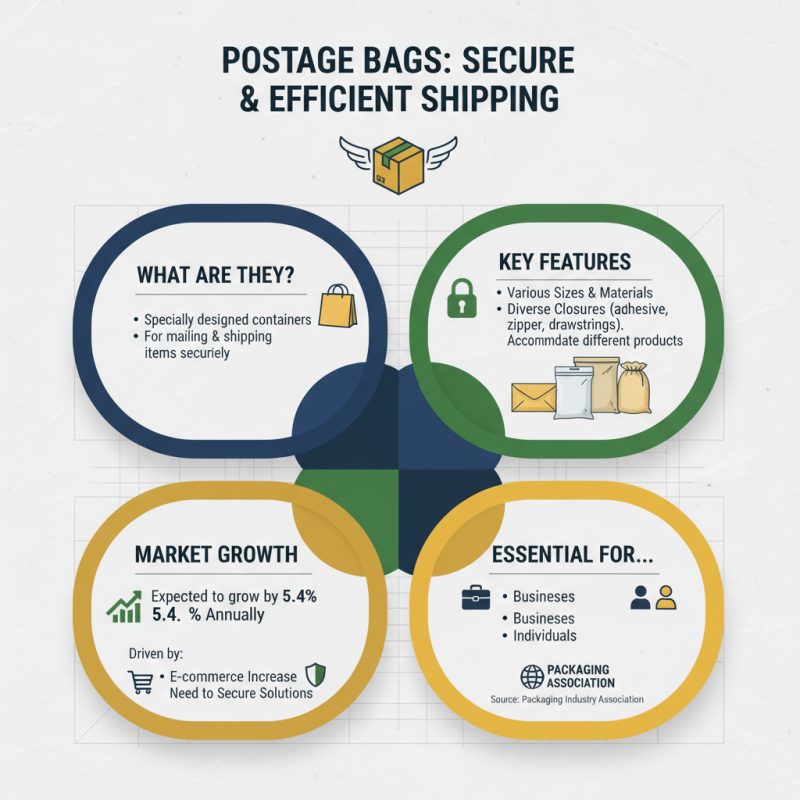
A postage bag is a specially designed container used for mailing and shipping items securely and efficiently. These bags come in various sizes, materials, and closures to accommodate different types of products, making them an essential tool for businesses and individuals alike. According to the Packaging Industry Association, the global mailing and shipping bag market is expected to grow by 5.4% annually, driven by the increase in e-commerce and the growing need for secure shipping solutions.

The primary function of a postage bag is to protect the contents during transit. They are typically crafted from durable materials such as polyethylene or kraft paper, which provide resistance against tearing, moisture, and other environmental factors. Moreover, many postage bags come with tamper-evident seals and padded linings to enhance security and ensure that items arrive in pristine condition. As per the International Mail and Express Delivery (IMED) report, 70% of consumers indicate that secure packaging influences their purchase decisions, highlighting the importance of choosing the right postage bag for various needs.

When choosing a postage bag, it is crucial to consider factors such as the weight and fragility of the items being shipped, as well as the shipping method. Light and sturdy items may be suited for poly mailers, while heavier or more delicate items might require a padded or bubble mailer. By selecting the appropriate postage bag, businesses can not only safeguard their products but also enhance customer satisfaction, ultimately contributing to repeat business and positive reviews.

Types of Postage Bags: Materials and Sizes Explained

What is a Postage Bag and How to Choose the Right One for Your Needs?

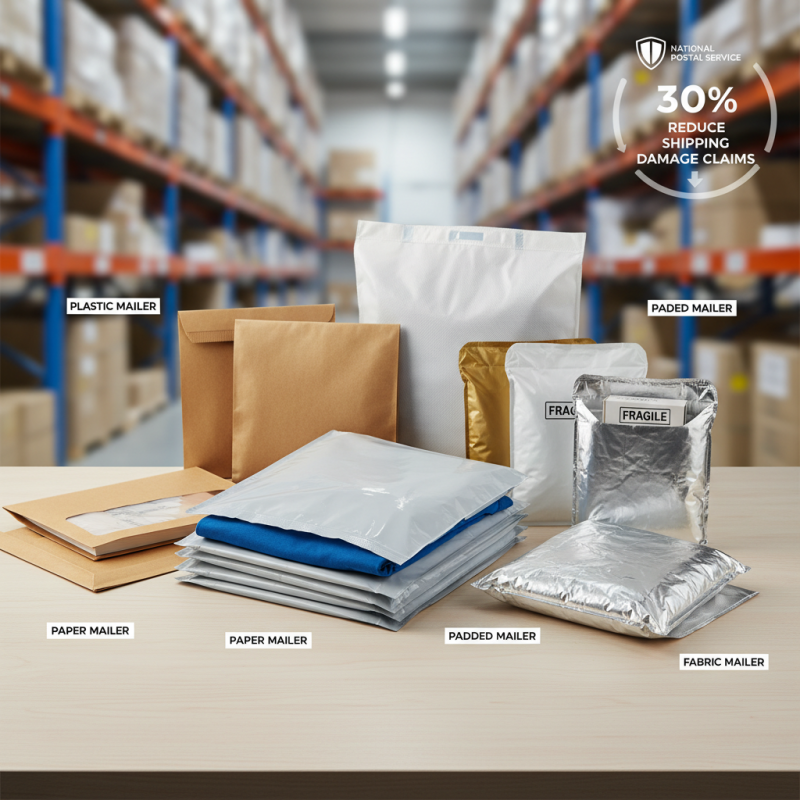
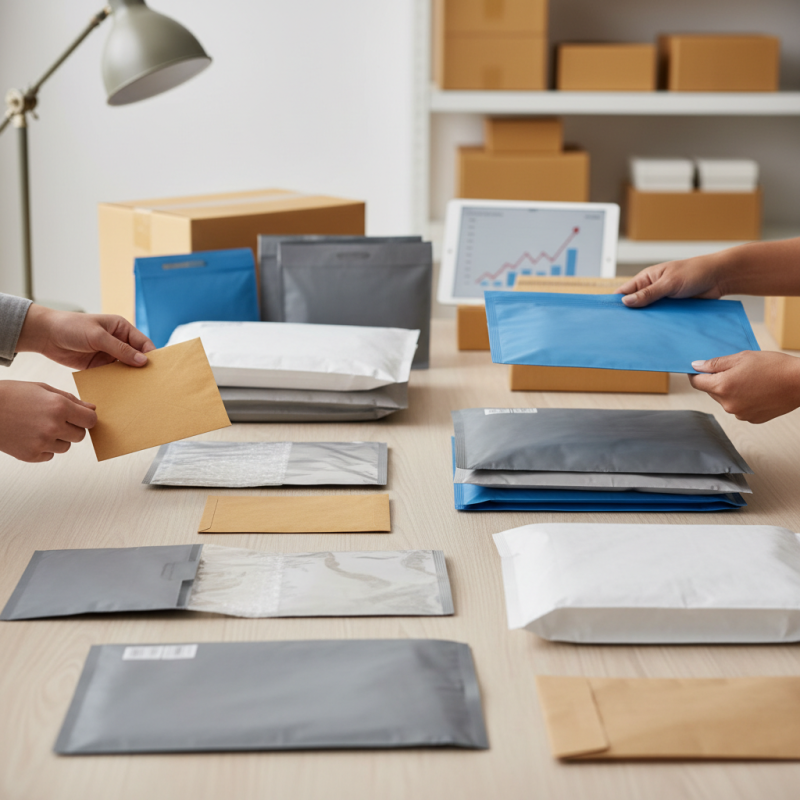
When selecting a postage bag, understanding the various types available is essential for ensuring your items reach their destination safely and efficiently. Postage bags come in a variety of materials, including plastic, paper, and padded options, each offering different protections based on your shipping needs. For instance, plastic bags are lightweight and moisture-resistant, making them a popular choice for clothing and non-fragile items, while padded mailers, often lined with bubble wrap, are ideal for shipping fragile items such as electronics or glassware. According to the National Postal Service, using the correct packing materials can reduce shipping damage claims by up to 30%.

Size also plays a critical role in choosing the right postage bag. Selecting a bag that closely matches the dimensions of your item minimizes movement during transit, reducing the chances of damage. Standard sizes are available, but custom sizes can be ordered to cater to specific items. A report by the Packaging Industry Association states that poorly fitted packaging can increase shipping costs by up to 40% due to dimensional weight pricing, highlighting the importance of ideal sizing.

**Tips:** Always measure your items accurately before selecting a postage bag, taking into account any additional materials like padding or fillers. Additionally, consider the nature of the contents; for heavier or sensitive items, opt for reinforced or padded bags to enhance protection during the shipping process.

Key Features to Consider When Choosing a Postage Bag

When selecting a postage bag, several key features should be taken into account to ensure you choose the right one for your shipping needs. First and foremost, the size of the postage bag is crucial. It should be appropriately sized for the items you plan to ship, allowing for a snug fit without excess space that could lead to damage during transit. Consider the dimensions of your parcels and select bags that accommodate various sizes, especially if your shipments vary significantly.

Another important aspect is the material of the postage bag. Generally, you’ll want something that offers adequate protection. For items that are fragile or sensitive, padded or bubble-lined bags provide extra cushioning. Additionally, consider the weather-resistance of the material. If your items may be exposed to moisture, opting for waterproof bags is advisable to safeguard against potential damage. Lastly, closure mechanisms can impact security; look for bags with strong seals that can withstand handling while ensuring the contents remain secure throughout the shipping process. By taking these features into account, you can select a postage bag that best fits your specific shipping requirements.

Assessing Your Shipping Needs: Weight, Size, and Durability

When assessing your shipping needs, it's essential to consider three critical factors: weight, size, and durability of the postage bag you choose. According to a recent industry report, efficient shipping can reduce costs by up to 25% when businesses tailor their packaging strategy to their specific shipping requirements. Understanding the weight of your items can guide you in selecting the right bag, as heavier items may require reinforced materials to prevent tearing or damage during transit.

Size is another significant consideration. A postage bag that is too large can lead to increased shipping costs due to dimensional weight pricing, as many carriers charge based on package size rather than weight alone. A 2022 study indicated that properly sized packages resulted in a 15% decrease in overall shipping expenses for merchants. Ensure your postage bag fits snugly around your items to maximize efficiency and minimize excess weight.

**Tips:** Always measure your items accurately and opt for a postage bag that closely matches those dimensions. Additionally, consider the material of the bag; if you frequently ship fragile items, a padded or bubble-lined bag can provide the extra protection needed during transit. Lastly, when in doubt, consult carrier guidelines or utilize shipping calculators to estimate costs based on various bag sizes and weights. Proper planning will not only enhance your shipping process but also improve customer satisfaction.

What is a Postage Bag and How to Choose the Right One for Your Needs?

Feature Description Ideal Use Case
Weight Capacity Up to 5 kg Small items like clothing or accessories
Size 30 x 40 cm Documents or flat items
Material Polyethylene Water-resistant and durable
Closure Type Self-seal Easy to use
Durability Tear-resistant Shipping items in rough handling conditions

Eco-Friendly Postage Bag Options: Sustainable Choices for Shippers

The growing concern over environmental sustainability has led to an increased demand for eco-friendly postage bag options among shippers. According to a recent report by Smithers, the global market for sustainable packaging is expected to reach $500 billion by 2025, driven largely by consumers’ preference for environmentally responsible products. This shift is prompting businesses to evaluate their packaging materials more closely, looking for alternatives that minimize ecological impact.

When choosing an eco-friendly postage bag, shippers should consider options made from biodegradable or recyclable materials. For instance, bags made from compostable plastics can break down naturally within a few months, reducing the amount of waste heading to landfills. Additionally, the Environmental Protection Agency (EPA) highlights that using recycled materials can save energy and reduce greenhouse gas emissions, making it a sustainable choice for companies focused on reducing their carbon footprint. By selecting postage bags that adhere to these environmentally friendly practices, businesses can not only meet customer expectations but also contribute positively to the planet.

Tips for Properly Sealing and Sending Postage Bags

When it comes to sending items securely, properly sealing and preparing a postage bag is essential. First, ensure the items inside are cushioned and protected to prevent damage during transit. Use bubble wrap or packing peanuts if necessary, particularly for fragile items. Once your items are securely packed, it’s time to seal the postage bag. Most postage bags come with adhesive strips; however, for added security, consider using packing tape along the edges. Make sure there are no openings or gaps to prevent the contents from shifting or falling out.

After sealing, it’s crucial to correctly affix the postage label. Ensure that the label is clearly printed and includes all necessary information such as the recipient’s address, sender’s address, and any return information. If you're reusing a postage bag, make sure to remove or cover any old labels to avoid confusion. Finally, check if the postage bag is properly sealed by gently shaking it to ensure nothing shifts inside.

With these tips, you can be confident that your items will reach their destination safely and securely.

Cost Considerations: Budgeting for Postage Bags and Shipping Fees

When selecting a postage bag, cost considerations play a crucial role in effective budgeting for both packaging and shipping fees. According to industry analysis by the Parcel Shipping Index, global parcel volume grew by over 27% from 2019 to 2020, indicating an increasing demand for efficient shipping solutions. Businesses need to account for the fluctuating prices of postage bags, which can range significantly based on material quality and size. For instance, durable materials like poly mailers typically cost between $0.10 to $0.30 per bag, while thicker, padded options may rise to $1.00 or more, depending on bulk purchase discounts.

Additionally, shipping fees can vary widely based on weight and destination. The 2023 shipping rate report from the National Association of U.S. Postal Services highlights that the average shipping cost for small packages increased by 8% year-over-year. Therefore, when budgeting, businesses should not only consider the price of postage bags but also the overall weight and size of the packaged items, as these factors greatly influence final shipping costs. Implementing a strategic approach to selecting suitable postage bags based on actual shipping needs and budget can lead to enhanced cost efficiency and better resource allocation.

Postage Bags and Shipping Costs

FAQS

: What is the first step in preparing a postage bag for sending items securely?

: The first step is to ensure that the items inside are cushioned and protected to prevent damage during transit, using materials like bubble wrap or packing peanuts for fragile items.

How should I seal a postage bag to ensure its contents are secure?

After packing the items, seal the postage bag properly, ideally using the adhesive strips provided and adding packing tape along the edges for extra security to prevent any openings or gaps.

What information should be included on the postage label?

The postage label should clearly state the recipient’s address, sender’s address, and any return information necessary for successful delivery.

What should I do if I’m reusing a postage bag?

If you are reusing a postage bag, make sure to remove or cover any old labels to avoid confusion when sending the package.

How can I check if my postage bag is properly sealed?

You can check if the postage bag is sealed properly by gently shaking it to ensure nothing shifts inside, indicating that it is securely closed.

What factors should I consider when budgeting for postage bags and shipping fees?

When budgeting, consider the fluctuating prices of postage bags based on material quality and size, as well as the overall weight and destination of the packaged items, as these significantly influence shipping costs.

How much do postage bags typically cost?

The cost of postage bags can range widely based on material quality and size, with durable options generally costing between $0.10 to $0.30 per bag, while thicker, padded bags may cost $1.00 or more.

How much have shipping costs for small packages increased recently?

According to a 2023 shipping rate report, the average shipping cost for small packages has increased by 8% year-over-year, which should be considered when budgeting.

Why is it important to implement a strategic approach to selecting postage bags?

A strategic approach can enhance cost efficiency and lead to better resource allocation by ensuring that the selected postage bags meet actual shipping needs and fit within budget constraints.

What impact does global parcel volume growth have on shipping solutions?

The growth in global parcel volume indicates an increasing demand for efficient shipping solutions, highlighting the importance of budgeting and cost-effective packaging options for businesses.

Conclusion

Postage bags are essential tools for shipping, offering various materials and sizes to accommodate different shipping needs. When choosing the right postage bag, it is important to consider key features such as durability, weight capacity, and size. Assessing your shipping requirements will guide you in selecting a postage bag that meets the specific demands of your items, ensuring their safe transport.

Moreover, eco-friendly options are increasingly available, allowing shippers to make sustainable choices while fulfilling their shipping needs. Proper sealing and sending techniques are crucial to prevent damage during transit. Finally, budgeting for postage bags and associated shipping fees is vital for effective financial planning. By understanding these aspects, individuals and businesses can make informed decisions when it comes to selecting the most suitable postage bags for their requirements.


Ethan

Ethan

Ethan is a dedicated marketing professional at Dongguan Huadi Packaging Products Co., Ltd., a company established in 2003 that specializes in delivering high-quality packaging solutions tailored to meet the diverse requirements of various industries. With extensive knowledge of the company's......
Previous Unlocking Cost-Effective Solutions: A Guide to Selecting the Perfect Postage Bags for Your Business