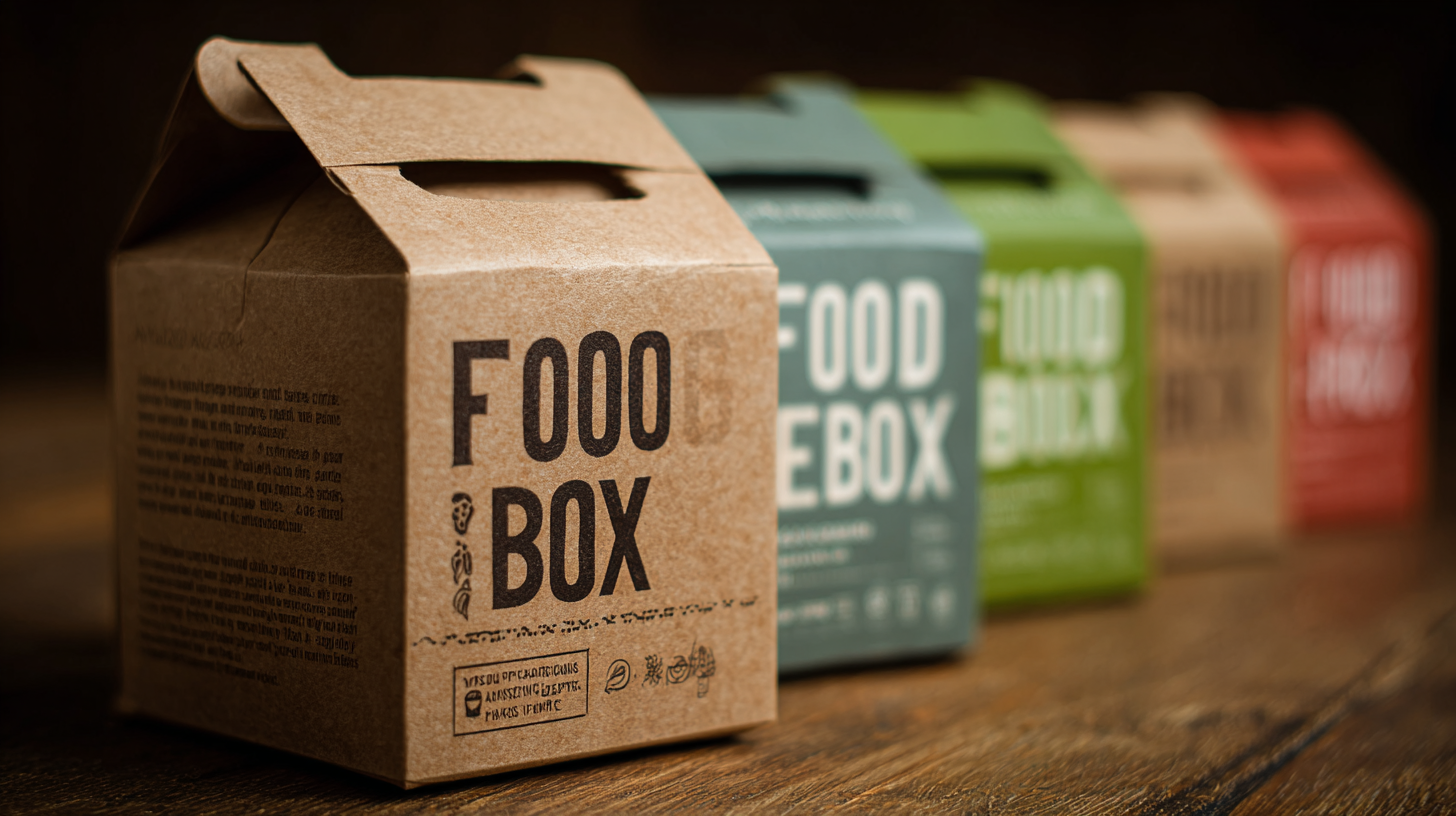
As we head into 2025, it's really interesting to see how the food packaging market is changing fast, thanks to new tech and what folks are looking for these days. One big player in this shift is the Food Pack Box—it's like the first line of defense when it comes to keeping products fresh and safe. Here at Dongguan Huadi Packaging Products Co., Ltd., which we started way back in 2003, we focus on creating top-notch packaging solutions that fit the unique needs of different industries.
In this blog post, we’re going to talk about what the future holds for food packaging and share some tips on how to pick the right Food Pack Box for your products. It’s crucial for businesses to understand what drives packaging decisions, especially if they want to stay in the game and cater to those eco-conscious consumers. So, come along with us as we dive into the key trends shaping the food packaging landscape and how to spot trustworthy suppliers that can lift your brand’s packaging game.
The Evolution of Food Packaging: Trends Shaping 2025 Markets
You know, as we head toward 2025, the way we package food is really shaking things up for both consumers and businesses alike. I came across this interesting report by Smithers Pira that predicts the global food packaging market will hit a whopping $469 billion by 2025! Can you believe it? A big part of that surge is all about convenience and a growing preference for eco-friendly options. It's great to see so many companies making the switch to greener materials, like biodegradable plastics and designs that can be recycled. A recent survey from Packaging Innovations even found that 72% of consumers prefer brands that take sustainability seriously—talk about a wake-up call for businesses!
On top of that, technology is really changing the game when it comes to food packaging. Smart packaging, which uses sensors and those handy QR codes, is becoming more popular these days. This means consumers can get real-time info about freshness and traceability right on their phones. Super cool, right? Experts are saying that this smart packaging trend could even generate over $20 billion in revenue by 2025! As brands start to adapt to these exciting changes, it’s going to be crucial for them to figure out how to pick the right food pack box that not only meets what consumers want but also follows all the necessary regulations.
Sustainability in Food Packaging: Innovations and Consumer Demands
You know, sustainability is really shaking things up in the food packaging world these days! It’s crazy how much consumer preferences have shifted; people are really paying attention to how their food is packaged. A recent report from the Freedonia Group found that the demand for sustainable packaging is set to grow about 4.4% every year until 2025. Biodegradable and recyclable materials are really leading the charge here. It seems like more and more consumers are drawn to brands that make eco-friendly choices. I mean, a survey by Nielsen even showed that 73% of people around the globe are willing to change their buying habits just to lessen their environmental impact. That's a big deal, right? Because of this growing awareness, manufacturers are feeling the pressure to innovate and adapt their practices to keep up with what consumers are looking for.
Speaking of innovation, have you heard about smart packaging? It’s becoming a game-changer! It helps improve shelf life and cuts down on food waste, which we all know is pretty important. The smart packaging market is predicted to hit a whopping $37.7 billion by 2027, according to ResearchAndMarkets. Brands are starting to experiment with some cool new materials, like plant-based plastics and lighter-impact paper products. These not only help with sustainability but also make the whole consumer experience a little better. As more companies get on board with this, it looks like the food packaging industry is really gearing up for a big transformation. It’s all about balancing profit with doing the right thing for the planet. So these days, it’s more crucial than ever for consumers to pick packaging that truly reflects their values.
Material Choices for Food Pack Boxes: Balancing Quality and Environment
You know, the future of food packaging really depends on the choices we make about the materials we use. As more people start to think about environmental issues, companies are feeling the heat to pick packaging that strikes a balance between quality and being eco-friendly. Think about it—biodegradable plastics, recycled paper, and those cool plant-based alternatives are really stepping into the spotlight as top picks for sustainable food packaging. These materials don’t just keep our food fresh and safe; they also help cut down on our carbon footprint. So, it makes sense that brands that care about the environment are looking at these options more closely.
When it comes to picking the right food pack box, manufacturers have a bunch of things to think about, like what type of food they’re wrapping up. For example, if it’s something perishable, they’ll need tougher materials to keep it fresh. On the other hand, dry goods usually have a lot more flexibility in terms of packaging. And hey, it’s super important to think about the whole lifecycle of the packaging—from where the materials come from to how they’ll be disposed of later. By choosing quality materials that care about both how things function and the planet, brands can really meet what consumers are looking for while helping lead the way toward a more sustainable food packaging industry. It’s an exciting time!
Food Packaging Material Choices in 2025
Technological Advancements in Food Packaging Solutions
Looking ahead to 2025, it’s pretty clear that the food packaging industry is in for some exciting changes, all thanks to new tech innovations. You’ve got things like biodegradable materials and smart packaging that are really changing the game when it comes to food safety and being eco-friendly. For instance, biodegradable plastics made from renewable resources are not only helping to cut down our environmental footprint but are also responding to the growing demand from folks who want greener products. And then there’s smart packaging—you know, the stuff with sensors and indicators—which keeps our food fresher for longer and helps with inventory management. This way, consumers get the best quality food while also cutting down on waste.
On top of that, the use of artificial intelligence and machine learning is shaking things up in packaging design. It’s making it possible to create customized solutions that fit specific food items perfectly. These technologies let manufacturers fine-tune packaging materials for better shelf life and more efficient transportation, which can really help lower costs and reduce waste, too. As people become more health-conscious and eco-aware, brands really need to jump on these innovations to stay in the mix and cater to today’s tastes. It’s clear that the future of food packaging is going to rely heavily on how well companies leverage these advancements to create packaging that’s both functional and sustainable.
Exploring the Future of Food Packaging Markets in 2025
| Packaging Type |
Market Share (%) |
Growth Rate (%) |
Key Technologies |
| Flexible Packaging |
35 |
5.0 |
Biodegradable Films, Smart Packaging |
| Rigid Packaging |
30 |
4.2 |
Recyclable Plastics, Glass |
| Food Containers |
25 |
6.5 |
Sustainable Materials, Nano-packaging |
| Labels & Tags |
10 |
3.3 |
QR Codes, RFID Technology |
Evaluating Cost-Effectiveness: Choosing the Right Packaging for Your Product
Let’s talk food packaging for a second. You know, making it cost-effective is super important for any business decision. There’s this report from Smithers Pira that predicts the global food packaging market could hit around $500 billion by 2025! Wow, right? That really shows how fast things are changing in this industry. Now, picking the right packaging isn’t just about saving a few bucks; it can really affect how long your products last on the shelf and even how appealing they are to customers.
For example, more companies are trying out cool stuff like biodegradable plastics and smart packaging. These innovations could help cut down on waste while keeping products fresh, which means more savings down the road.
So it’s clear that doing a deep dive into packaging options is a must. The Packaging Innovation Research Group pointed out that businesses pouring some resources into cutting-edge packaging design might reduce their material use by as much as 30%. That’s pretty awesome! Less material not only cuts costs but also benefits the environment—it’s a win-win for everyone!
It’s really all about finding that balance between what you invest upfront and what you save in the long haul. And by using solid data and insights from industry reports, companies can make smart choices that fit their budgets while being eco-friendly too!
Global Perspectives: How Chinese Manufacturing is Transforming Food Packaging
You know, the world of food packaging is really changing fast, and Chinese manufacturing is a big player in that game. According to a report from Smithers Pira, the global food packaging market is set to hit a whopping $430 billion by 2025. A huge chunk of that growth is coming from some really cool and innovative packaging solutions that are popping up in China. What’s driving this growth? Well, it's largely because of China's strong manufacturing skills, which allow them to crank out sustainable and high-tech packaging that meets what consumers are looking for these days—convenience and a nod to environmental responsibility, you know?
Speaking of sustainability, China is really making waves in the food packaging scene. A 2022 study by Transparency Market Research showed that about 60% of food manufacturers have started to use biodegradable materials in their packaging. Guess who's leading the pack? Yep, you got it—China! Now companies have an array of eco-friendly food boxes to choose from that keep food fresh while also being kinder to our planet. This whole shift towards greener options is part of a much bigger trend in the food industry, placing Chinese manufacturers right at the cutting edge of innovation and efficiency in food packaging. Pretty exciting stuff, right?
Creative and Practical Solutions: Huadi's Customized 30L and 200L Transparent Plastic Bags for Oil Storage
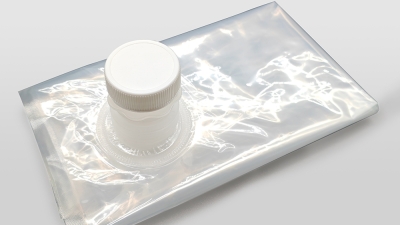
When it comes to oil storage, finding effective and efficient solutions is crucial for both manufacturers and end-users. Huadi's customized transparent plastic bags, available in 30L and 200L sizes, embody the perfect blend of creativity and practicality. Designed specifically for oil storage, these bags offer unmatched clarity, allowing users to easily monitor the contents while ensuring the purity and integrity of the oil. This feature alone enhances user convenience and confidence in the packaging.
Moreover, the large Bag-in-Box (BIB) packaging from Huadi is a game-changer for storage and transport. Its compact design is engineered to optimize space, allowing more products to fit into limited storage areas. As a result, manufacturers can significantly reduce their storage costs without compromising on efficiency. In addition to space savings, the lightweight nature of the packaging leads to lower shipping expenses, establishing it as a cost-effective option for businesses looking to streamline their operations. With Huadi's transparent plastic bags, oil storage has never been more efficient and economical.
FAQS
: The global food packaging market is projected to reach a value of $469 billion by 2025.
Rising consumer demand for convenience and sustainable options is driving the shift towards eco-friendly packaging.
According to a survey by Packaging Innovations, 72% of consumers prefer brands that commit to sustainable packaging practices.
Technological advancements, such as smart packaging solutions and biodegradable materials, are transforming food packaging by enhancing food safety and sustainability.
Smart packaging, which includes sensors and QR codes, allows consumers to access real-time information about product freshness and traceability.
Experts predict that the smart packaging segment will account for over $20 billion in market revenue by 2025.
Cost-effectiveness influences business decisions as the right packaging affects expenses, product shelf life, and consumer appeal.
Companies can potentially reduce packaging material usage by up to 30% by investing in advanced packaging design, leading to lower material costs and reduced environmental impact.
Thorough evaluation of packaging options is essential for minimizing costs while maximizing quality and aligning with sustainability goals.
Leveraging data and insights from industry reports helps companies make informed choices that align with their budgetary constraints and sustainability goals.