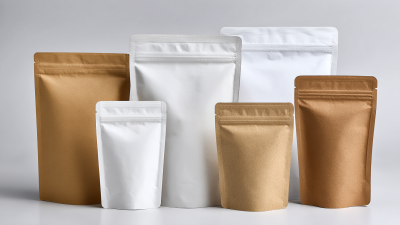
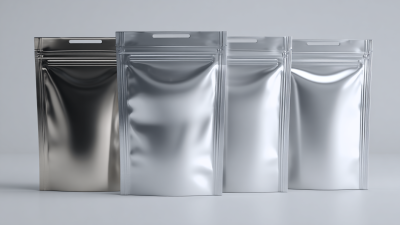
You know, the packaging industry has really come a long way over the years. These days, pouch types are pretty much everywhere — versatile and popular across so many different sectors. I came across a report from Smithers Pira, and it says that by 2025, the global flexible packaging market could hit around $320 billion. That’s mainly because folks are craving packaging that's not only convenient but also eco-friendly. At Dongguan Huadi Packaging Products Co., Ltd., we've been around since 2003, really focusing on delivering top-notch packaging solutions that fit a bunch of different industries. Our range of pouches — you’ve got stand-up pouches, ziplock bags, vacuum pouches — it’s all about pushing the envelope when it comes to innovation and quality. When we look at each pouch type, it’s not just about how they work, but also how they boost product appeal and help the environment. The market’s changing fast, and we're all about keeping up with those trends, making sure our products do their job while also being good for the planet.
Understanding the Basics: What Are Pouch Types and Their Importance?
You know, pouch types are really gaining popularity these days, mainly because they're so versatile and practical for packaging across all sorts of industries. They come in a bunch of different styles—like stand-up pouches, flat ones, and zippers—and each kind has its own special use. I was reading a report from MarketsandMarkets, and it turns out the global flexible packaging market is expected to hit around $289 billion by 2025. A big chunk of that growth is thanks to pouches—they're lightweight but tough enough to handle a lot. This trend really highlights how important it is to understand the different pouch types and what they’re best used for.
But it’s not just about convenience, either. Pouches are actually a big deal when it comes to being eco-friendly. Since they usually require less material than rigid cartons or bottles, they help cut down on waste and have a smaller carbon footprint. Smithers Pira did a study showing that using flexible packaging can cut energy use during manufacturing by up to 30% compared to more traditional options. Plus, there’s a real push towards recyclable and biodegradable pouch materials, giving brands a way to be greener without sacrificing quality. As folks are becoming more and more aware of environmental issues, the way products are packaged—especially with pouches—is only going to get more important in how companies design and promote their stuff.
Key Features of Popular Pouch Types: A Detailed Comparison
When you get into the world of different pouch types, it’s pretty important to understand what makes each one stand out if you want to make smart packaging choices. I recently came across a report by Research and Markets, and it mentioned that the global market for flexible packaging—yep, that includes all kinds of pouches—is expected to hit around $404 billion by 2027, growing at roughly 4.9% annually. Interesting, right? Now, different pouches—like stand-up pouches, flat ones, or vacuum-sealed types—each have their own perks, tailored to different products. For example, stand-up pouches are really popular in the food and drink world because they look good on the shelf and let you see what's inside. On the other hand, flat pouches are often more affordable, especially great for smaller stuff, like when you're shopping online.
And it’s not just about looks. Functionality is super important too. A report from the Flexible Packaging Association in 2022 pointed out that about 68% of consumers prefer packaging that they can reseal—so convenience is kind of a big deal these days. Plus, what you make the pouch from can make a huge difference in how fresh the product stays and how long it lasts. Barrier pouches, which use special films like PET and nylon, can actually extend the freshness of food by up to three times compared to regular packaging. Not only does this help keep food good longer, but it also lines up pretty well with the push for sustainability, since many brands are now switching to recyclable materials to meet eco-conscious shoppers' expectations.
Innovative Materials in Pouch Design: What’s Trending?
You know, in the world of pouch design that keeps changing all the time, it’s pretty exciting to see how new materials are really shaking things up when it comes to both looks and usability. One big trend lately is using biodegradable and compostable stuff — which is such a smart move given how more and more folks want eco-friendly packaging. Companies are leaning towards plant-based plastics and recycled films now, mainly because it lines up with their sustainability goals and also appeals to those eco-conscious shoppers out there. Honestly, this shift isn’t just good for the planet; it also helps brands boost their image in today’s super competitive market.
And there’s more going on too! A lot of brands are experimenting with high-tech materials that make their pouches more durable and easier to use. For example, some manufacturers are trying out smart materials that change with temperature or even have anti-microbial features, which is perfect for food items or personal care products. These kinds of innovations don’t just improve how the pouches work—they also make them stand out on store shelves. As the industry keeps evolving, I believe these advanced materials will be key in shaping the future of pouch design—balancing practicality with style and wow-factor.
Functionality vs. Aesthetics: Choosing the Right Pouch for Your Needs
When it comes to choosing the perfect pouch, it’s really all about finding that sweet spot between practicality and looks. I came across a report by Smithers Pira that predicts the global flexible packaging market will hit around $300 billion by 2027 — pretty impressive, right? That just shows how much people are loving different pouch styles these days. Folks aren’t just after something that works; they also want it to catch their eye. Take stand-up pouches with bright, eye-catching graphics — they really pop on store shelves and are tough enough to hold food without any fuss.
On top of that, industry insiders say features like resealable zippers and tear notches are huge selling points. There was a survey by Packaging Strategies that found about 60% of shoppers actually prefer packaging that makes life easier. It kinda shows that, nowadays, brands really need to think about adding those user-friendly touches, without losing the style factor. As brands juggle all this, they’ve gotta step up their game and find pouches that tick both boxes — being practical and looking good. It’s all about staying in tune with what consumers want as their tastes keep evolving.
Exploring the Diverse World of Pouch Types
Environmental Impact: Eco-Friendly Pouch Options in Today’s Market
So, these days, as people become more and more aware of environmental issues, it’s pretty clear that
eco-friendly pouches
are really catching on in the packaging world. I mean, a report from Grand View Research says the global
market for eco-friendly packaging could hit around around 530 billion bucks by 2027 — that’s huge! A big part of it is because more companies are looking to be sustainable.
Pouches made from stuff like plant-based plastics and compostable films are super popular now because they’re better for the planet than those old-school petroleum-based packs.
Plus, a lot of brands are coming up with smart designs that not only cut down on waste but also keep products fresh longer.
The Flexible Packaging Association found that flexible pouches use about half the material of rigid containers — which is pretty awesome because it means less waste and lower emissions during manufacturing and shipping.
More brands are jumping on this eco-conscious bandwagon, especially since surveys show that around 73% of millennials are even willing to pay a bit more for sustainable stuff.
At the end of the day,
choosing eco-friendly pouches
isn’t just good for the environment — it’s also a smart move for brands looking to boost their image in today’s market where people really value sustainability.
Tips for Selecting the Perfect Pouch: Factors to Consider
When you're trying to pick out the perfect pouch for your needs, there are quite a few things you'll want to keep in mind. Interestingly, a recent report by Smithers Pira mentioned that the global market for pouches is expected to hit around $45 billion by 2024 — which really shows just how much demand there is for all kinds of pouch types across different industries. Getting to know the different features—like stand-up, flat, or zipper pouches—can really help you make a smarter choice.
First off, think about the material the pouch is made of. A lot of these pouches are crafted from multilayer films that act as barriers, which is super important for keeping food fresh or preventing contamination, especially in medical stuff. Also, it’s a good idea to consider what you’re actually gonna use the pouch for. For example, stand-up pouches are pretty popular in retail since they’re easy to see through and quite stable on shelves. Another thing to watch out for are features like resealable zippers or child-resistant closures—these are key in food and pharma sectors where safety and convenience really matter.
And don’t forget to think about the size and design, making sure they fit your product perfectly. Some research from Grand View Research even says that custom pouches not only boost your brand’s visibility but can also be tailored to stand out in niche markets. By taking all these factors into account, you’ll be able to pick a pouch that not only protects your product but also makes it more appealing to customers.
FAQS
: Eco-friendly pouch options are packaging solutions made from biodegradable materials like plant-based plastics and compostable films, which have a reduced environmental impact compared to traditional petroleum-based packaging.
The demand for eco-friendly packaging is increasing due to growing consumer awareness of environmental issues and a significant shift toward sustainable practices, with the eco-friendly packaging market projected to reach USD 530 billion by 2027.
Flexible pouches use 50% less material than rigid containers, resulting in lower carbon emissions during production and transportation, while also enhancing product preservation.
Brands that offer eco-friendly pouches can strengthen their image in the marketplace and appeal to a growing consumer base that values sustainability, with many willing to pay more for sustainable products.
Key factors include the material of the pouch, its intended use (e.g., stand-up vs. flat pouches), and features such as resealability or child-resistant closures relevant to specific sectors like food and pharmaceuticals.
The size and design of a pouch should be evaluated in relation to the product to enhance brand recognition and cater to niche market needs, ensuring that the pouch protects the product while appealing to consumers.
Stand-up pouches are ideal for retail, as they offer visibility and shelf stability, making them an attractive option for showcasing products.
Multilayer films provide crucial barrier properties that help preserve food freshness and prevent contamination, which is essential in both food packaging and medical applications.
Conclusion
Hey there! So, I went through this blog titled "Exploring the Diverse World of Pouch Types: A Comprehensive Guide to Their Unique Features," and honestly, it's pretty insightful. It dives into the essentials of different pouch types and why they matter across various industries. If you're wondering what makes these pouches so important in packaging and branding, it does a great job breaking that down. They've even included a detailed side-by-side comparison of the most popular pouch types, which is super helpful if you’re trying to figure out what fits your needs best.
What I really liked is how they talk about the coolest new materials popping up in pouch design lately—focusing on how they mix style with functionality for a great user experience. Plus, they’re not ignoring the environment either. The blog highlights eco-friendly pouch options, which is a huge plus considering today's focus on sustainability.
To top it all off, they give some handy tips on picking the right pouch—keeping different factors in mind so that whether it’s for packaging or presentation, you end up with a choice that really matches what you're looking for. And by the way, with over 20 years of experience under their belt, Dongguan Huadi Packaging Products Co., Ltd. really knows their stuff when it comes to providing top-quality packaging solutions tailored to all kinds of needs.
All in all, if you’re into packaging or just curious about pouches, this blog is worth a read!