Leave Your Message
-
Phone
-
E-mail
-
Whatsapp

-
Whatsapp

You know, when you think about it, the way packaging bags have evolved really says a lot about where the industry is headed—more focus on sustainability and fresh, innovative ideas. I mean, recent reports are pretty clear: the global market for these bags is projected to hit around 20 billion USD by 2027. That’s mostly because people are becoming more conscious about eco-friendly options and creative designs. Since 2003, Dongguan Huadi Packaging Products Co., Ltd. has been keeping up with these trends, really understanding what different industries need. They’ve been working hard to incorporate sustainable materials and cutting-edge technology into their products, making sure their packaging bags aren’t just meeting today’s standards but also helping shape a more responsible future for packaging. In this article, I want to take a look at some of the biggest changes happening in the world of packaging bags—what new trends are emerging and how sustainable practices are really transforming the industry’s vibe.
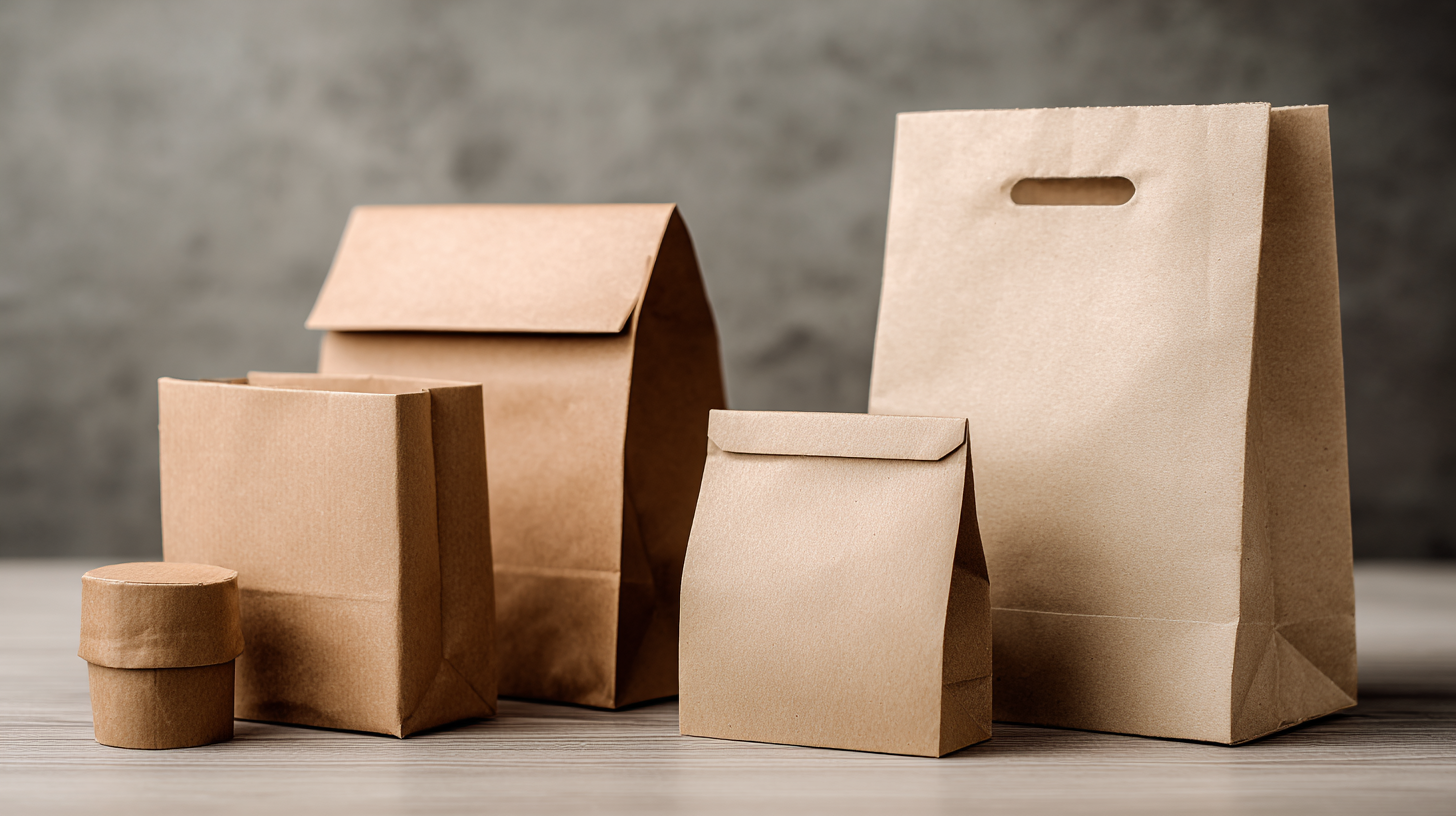
You know, moving away from traditional packaging options to more eco-friendly ones really marks a big shift in the packaging world. It’s all about folks caring more about the environment and wanting brands to be more responsible. You’ve probably heard about packaging made from mushrooms or bamboo, right? Well, that market is expected to grow quite a bit. For example, mushroom-based packaging is projected to hit over $8.49 million by 2024, and it’s set to grow at an average rate of more than 9.4% annually from 2025 to 2034. Pretty amazing, huh? It really shows how these new, green materials are gaining ground and proving their worth.
And it’s not just the packaging you see on store shelves. As consumers keep leaning towards brands that care about sustainability, the direct-to-consumer (DTC) packaging market is also expected to see a boom. By 2032, it’s predicted to grow significantly, with options like plastic, paper, and even glass all playing a part. This trend towards greener packaging isn’t just about changing consumer tastes — it’s an open door for companies to get creative and adopt more environmentally friendly practices. As demand for stylish, sustainable solutions rises, you can bet more companies will be pouring into R&D to stay ahead of the game and meet these new expectations.
| Year | Type of Packaging | Materials Used | Sustainability Score | Innovative Features |
|---|---|---|---|---|
| 2000 | Plastic Bags | Polyethylene | 2/10 | Lightweight |
| 2005 | Reusable Bags | Canvas, Cotton | 7/10 | Durable, Washable |
| 2010 | Biodegradable Bags | PLA, Starch | 9/10 | Compostable |
| 2015 | Recycled Plastic Bags | Recycled Polyethylene | 8/10 | Reduced Waste, Customizable |
| 2020 | Plant-based Bags | Cornstarch, Sugarcane | 10/10 | Fully Biodegradable |
In the ever-evolving world of liquid packaging, the need for practical and efficient solutions has grown significantly. The unveiling of our 3-Liter Food-Grade Butterfly Valve Suction Nozzle Bag marks a notable advancement in design tailored for drinking water. With a storage capacity of three liters, this bag is engineered for both functionality and convenience, catering to the modern consumer's on-the-go lifestyle. The innovative butterfly valve suction nozzle not only enables easy access to fresh water but also ensures an airtight seal, preventing leaks and spills—a common pain point in traditional water storage options.
According to a recent industry report by Smithers Pira, the global packaging market for liquids, particularly in outdoor and portable formats, is projected to grow at a compound annual growth rate (CAGR) of 4.5% through 2025. This growth is driven by increased demand for portable hydration solutions and heightened consumer awareness about the need for clean water access. Our 3-Liter Butterfly Valve Suction Nozzle Bag is perfectly positioned to meet this rising demand, offering an ideal solution for outdoor enthusiasts, families, and anyone seeking reliable hydration. With the focus on food-grade materials, users can confidently utilize this innovative product knowing it's safe for everyday use.
The design of this bag is not only practical for hydration during outdoor adventures or casual picnics but also embodies the durability and ease of use that are paramount in today’s packaging solutions. By integrating advanced material technology and user-centric design, we are redefining the standards for liquid packaging, making it easier than ever to enjoy healthy, fresh drinking water anytime and anywhere.
: Examples of digital packaging technologies include QR codes, augmented reality, and smart labels, which enhance consumer engagement by offering interactive experiences.
Sustainability is important because it allows brands to showcase their commitment to environmental responsibility while integrating eco-friendly materials into their packaging solutions.
The food and beverage sector is leading the charge in the adoption of digital packaging technologies.
According to recent surveys, nearly 50% of companies plan to invest in digital packaging within the next five years.
Unilever's "Better Plastic" initiative aims to make all its plastic packaging recyclable, reusable, or compostable by 2025.
Coca-Cola aims to collect and recycle a bottle or can for every beverage sold by 2030, transitioning to using recycled PET in its bottles.
Biodegradable plastics and plant-based composites are expected to surge in use as brands prioritize eco-friendly solutions.
Advancements will lead to smart packaging equipped with sensors and IoT capabilities, providing real-time data on product freshness and helping reduce food waste.
Customization will become key as brands use AI and 3D printing to create packaging tailored to specific consumer needs and preferences.
The convergence will lead to creative, responsible, and innovative packaging solutions that enhance the customer experience while minimizing environmental impact.
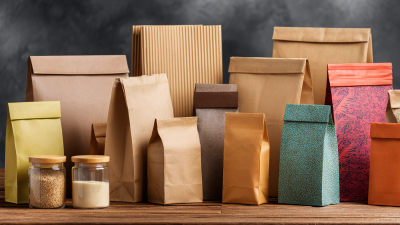
You know, when we look at how packaging bags have evolved over the years, it’s pretty clear that there's been a big shift away from the old-school materials. Nowadays, more and more brands are leaning into eco-friendly options — I mean, people are really caring about sustainability. If you look at the latest stats, there's a clear uptick in demand for biodegradable and recyclable packaging stuff, which is pushing companies to come up with some pretty innovative solutions. Bioplastics, for example, are totally changing the game by offering new, sustainable materials that help cut down on environmental damage. And it’s not just about the materials—digital tech is starting to play a bigger role too, making packaging smarter and more interactive for consumers.
If you check out some case studies of top brands, you’ll see they’re successfully using these green practices, and it’s paying off in terms of customer loyalty and overall market success. Looking ahead, I’d say the next ten years are going to bring even more exciting changes in packaging design and features—things that not only look good but also really prioritize taking care of our planet. As a company that’s all about high-quality packaging solutions, Dongguan Huadi Packaging Products Co., Ltd. is in a good spot to keep up with these trends and help build a more sustainable future.

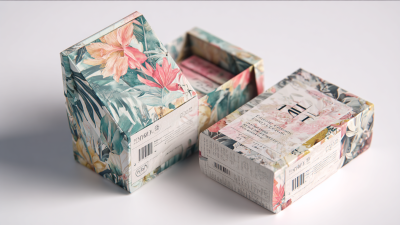
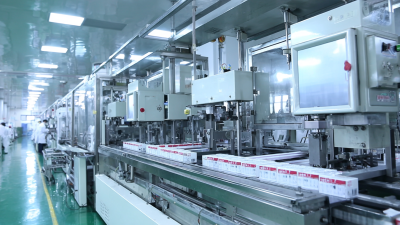
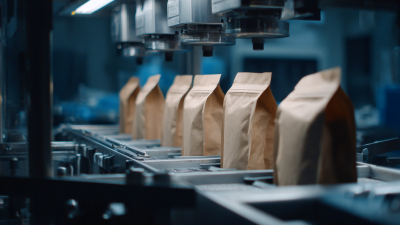


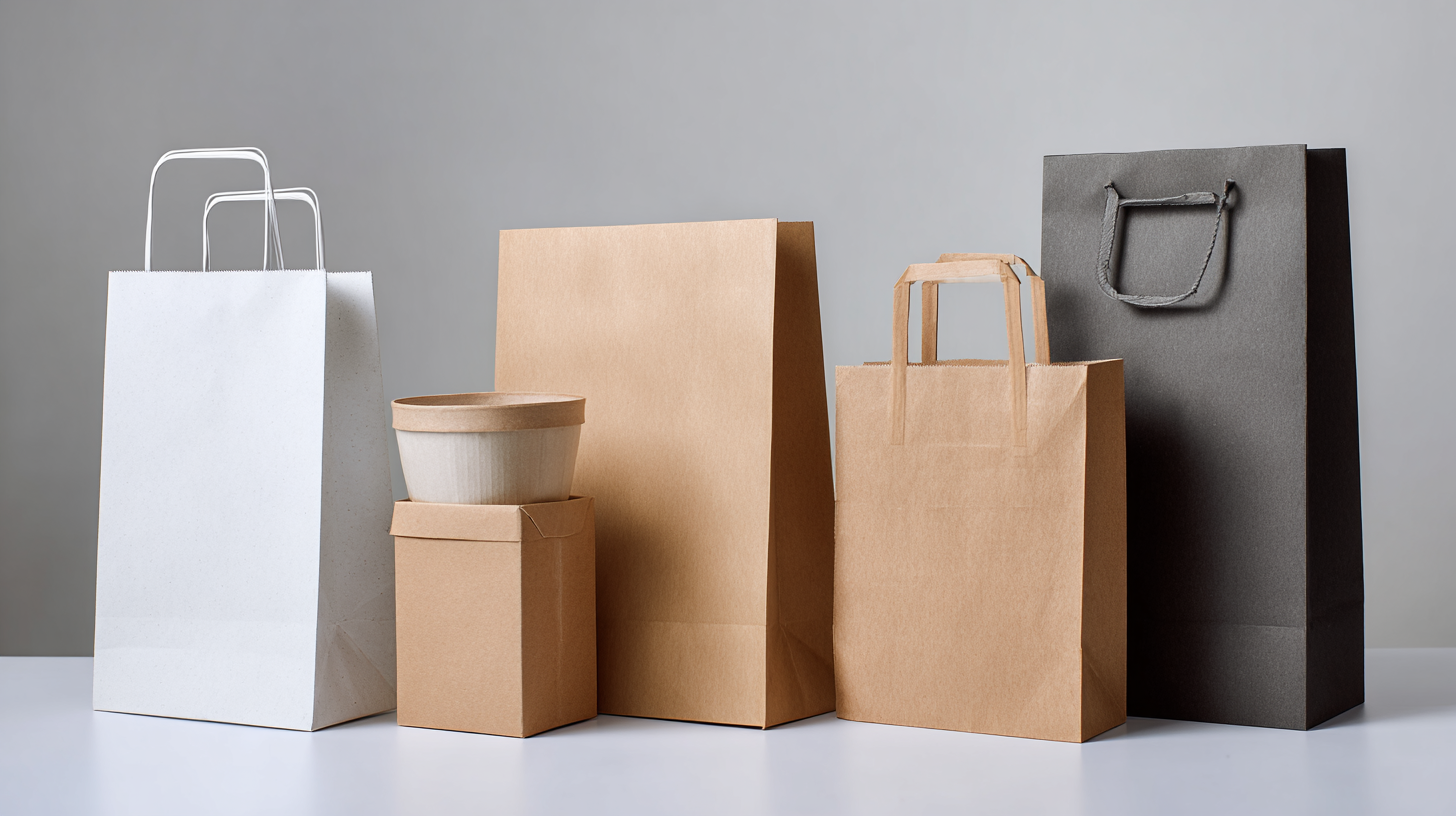 Lately, digital packaging tech has really taken off. It’s changing the game when it comes to how brands connect with us consumers. Things like QR codes, augmented reality, and smart labels are now common on packaging, making the whole experience way more interactive—kind of like having a conversation with the brand right through the box or bottle. And with everyone talking about being eco-friendly, a lot of companies are now mixing these digital features with sustainable materials. It’s like they’re saying, ‘Hey, we care about the planet too, while also giving you cool, innovative ways to engage.’