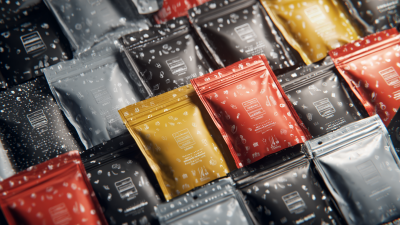
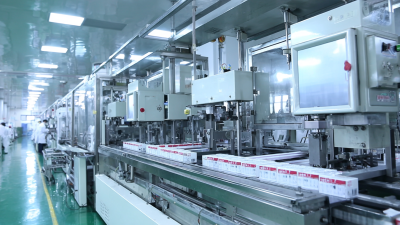
You know, in today's fast-changing world of packaging, hopping on the innovation train with different pouch types isn’t just a cool trend anymore — it’s pretty much essential if we wanna stay sustainable. I recently came across a report from Smithers Pira that says the global flexible packaging market could hit around $248 billion by 2024. That’s a clear sign people are really into versatile, eco-friendly solutions these days. Dongguan Huadi Packaging Products Co., Ltd., which’s been around since 2003, has been right there adapting to these changes — providing top-notch packaging options that suit a bunch of different industries. And with consumers becoming more conscious about the environment, switching to pouch designs made from biodegradable or recyclable materials isn’t just about ticking a box — it’s about staying competitive and doing the right thing. In this blog, I’ll dive into how these new pouch types can help create a more sustainable future, all while showing how Huadi stays committed to quality and innovation in packaging.
Advantages of Adopting Sustainable Pouch Types in Modern Packaging
You know, shifting towards more sustainable pouch types in packaging isn't just some passing trend anymore—it's really become a must for a healthier planet. Honestly, one of the coolest perks of these new pouch designs is how much they can cut down on waste. Think about it:
regular packaging often just ends up in landfills and adds to pollution. But with sustainable pouches, which can be made from biodegradable materials or recycled stuff, we’re actually making a difference and easing the environmental burden.
Plus, these eco-friendly pouches aren’t just good for the planet—they also help keep products fresh longer while still protecting what's inside. Thanks to modern tech, we now have materials that are both green and effective at shielding products from the elements. That means less spoilage and less waste from expired or unsold goods—saving money for companies and giving consumers a better experience too.
By jumping on this bandwagon, businesses aren’t just doing something good for the environment; they’re also meeting the growing demand from folks like us who really care about responsible practices and sustainability.
Exploring Biodegradable Materials in Pouch Design for Eco-Friendliness
Hey, you know, as the world moves more and more towards sustainability, the pouch packaging industry is really starting to get creative with new, eco-friendly materials. It’s pretty exciting because this shift doesn’t just help with environmental worries linked to those old-school plastics, but it also gives brands a cool chance to connect with folks who genuinely care about the planet. By using biodegradable polymers, companies can make pouches that naturally decompose, which means less trash piling up in landfills and a healthier Earth for all of us.
If you’re thinking about going down the biodegradable route for your pouch designs, here's a tip: always check whether the material is truly compostable. Certifications like ASTM D6400 or EN 13432 are good markers that you’re on the right track. Also, it’s worth thinking about where your materials come from—using locally sourced ones can help cut down your carbon footprint even more. And don’t forget, spreading the word about how awesome biodegradable pouches are can really boost customer loyalty and push everyone toward more responsible choices.
Plus, playing around with different kinds of bioplastics can lead to some pretty innovative designs. For example, materials made from plant stuff like cornstarch or sugarcane aren’t just eco-friendly—they also have great barriers, keeping your products fresh. So, it’s a win-win: you get packaging that’s kind to the environment and keeps your goodies in top shape. By mixing creativity with a focus on sustainability, pouch makers can make a big difference in creating a greener, cleaner future.
Innovative Technologies Driving the Evolution of Pouch Types
You know, the pouch packaging industry has been changing pretty fast these days. It’s mainly driven by new tech that's all about being more eco-friendly. Companies like Dongguan Huadi Packaging Products Co., Ltd. have actually been leading the way since 2003, offering top-notch solutions that cater to all sorts of industry needs. Recent reports are pointing to a pretty steady growth in flexible packaging—especially pouches—with a forecasted CAGR of around 4.2% through 2027. A big reason? More and more consumers actually prefer packaging options that are kinder to the planet.
One of the coolest trends right now is using advanced materials like bio-based resins and recyclable films. These innovations do a couple of things—they help keep products fresher longer on the shelf and also cut down on environmental issues, like plastic waste. For example, a 2022 study revealed that about 72% of people are more likely to buy from brands that use sustainable packaging. That’s a pretty clear sign that consumer habits are shifting, pushing brands to adopt greener practices.
**Pro tip:** If you wanna tap into this trend, you might wanna think about adding smart packaging tech. Stuff that gives real-time updates on freshness or authenticity can really make a difference. Also, working with suppliers who prioritize eco-friendly materials can boost your sustainability game and help you meet those ever-growing expectations from eco-conscious buyers.
Embracing Innovation in Pouch Types for a Sustainable Future
| Pouch Type |
Material |
Sustainability Rating |
Innovative Features |
Recyclable |
| Stand-Up Pouches |
Biodegradable Films |
A+ |
Spout for easy pouring |
Yes |
| Flat Pouches |
Recycled Plastic |
B |
Easy to store |
Yes |
| Retort Pouches |
Aluminum Laminate |
B- |
Long shelf life |
No |
| Reclosable Pouches |
Plant-Based Plastic |
A |
Zipper closure |
Yes |
| Pouches with Window |
Kraft Paper |
A |
Product visibility |
Yes |
Cost-Effectiveness of Sustainable Pouches for Businesses
In today's fast-paced and ever-changing market, more and more businesses are realizing just how cost-effective sustainable pouches can be. These eco-friendly packaging options do a lot more than just help the environment—they can also lead to pretty big savings on production and shipping costs. Switching over to sustainable pouches allows companies to cut down on material waste, consume less energy, and generally become more efficient across their entire supply chain.
On top of that, these eco-friendly options really resonate with the growing number of consumers who care about responsible products. As more people start making sustainability a priority in their buying choices, brands that adopt green packaging can boost their image and build a loyal customer base. Sure, there might be some upfront costs for switching to sustainable materials, but in the long run, the savings from less waste and better customer loyalty usually make it worth it. Embracing innovative packaging solutions not only helps your bottom line but also shows you're committed to making a positive impact. It’s really about positioning your business to succeed both financially and socially in today’s eco-conscious world.
Cost-Effectiveness of Sustainable Pouches for Businesses
This chart illustrates the cost-effectiveness of various types of sustainable pouches compared to traditional packaging options. The data reflects average cost per unit and the corresponding sustainability rating for each pouch type.
Consumer Preferences: The Shift Towards Eco-Conscious Packaging Options
These days, more and more consumers are really turning their attention to being eco-friendly, and that shift is showing up in what they want from brands. People aren’t just looking for practical pouches—they want options that are kinder to the planet, you know? So, brands are stepping up their game, coming up with new packaging ideas that use recyclable, biodegradable, or renewable materials. It’s a clear sign that folks are becoming more aware of environmental issues, and they’re also craving transparency—wanna know what’s inside that package and how it’s made.
Here’s a tip: If you’re looking to appeal to eco-conscious buyers, think about using plant-based pouches or those that use water-based inks. It’s an easy way to boost your sustainability creds and give customers that responsible vibe they’re after.
Plus, brands have the tricky job of explaining why their packaging is eco-friendly. Sure, people love cool designs, but they also want to see straightforward labels showing off how sustainable your materials are. By weaving some education into your marketing—maybe telling your sustainability story on the packaging or social media—you can build a stronger connection with customers who genuinely care about making eco-friendly choices.
And don’t forget, sharing your journey towards sustainability can really resonate with your audience. It’s all about making them feel like they’re part of something bigger—supporting your efforts to create a greener future. The more honest and engaging you are about this, the more loyal your customers will become.
Case Studies: Success Stories of Brands Using Eco-Friendly Pouch Solutions
You know, innovative pouch designs aren’t just some passing trend—they actually mark a pretty big shift toward more sustainable packaging. More and more companies are starting to really wake up to the environmental impact of what they put out there, and it's pushing them to switch to eco-friendly pouch options. I saw a recent report from Smithers Pira that says the whole global market for sustainable packaging might hit around $500 billion by 2027—crazy, right? That just shows how fast demand for greener materials is growing.
Big brands like Unilever and Coca-Cola are definitely leading the charge here. They’re putting out recyclable and compostable pouches, which is super encouraging. Take Unilever’s “Love Beauty and Planet”—they use pouches made entirely from recycled plastic, which helps cut down waste AND appeals to people who really care about the planet. On the other hand, Coca-Cola’s “PlantBottle” project features pouches made from renewable materials, making a real difference in their carbon footprint. These examples show how smart packaging choices can do a lot of good for the environment while also boosting a company’s reputation and customer loyalty.
And it’s not just the big guys getting in on this. Smaller brands like Snacklins are also making a splash with biodegradable pouches—proving that even smaller businesses can hop on the eco-friendly train. It really just goes to show that companies of any size can come up with creative, sustainable solutions that push the industry toward a more circular economy. All in all, it’s pretty exciting to see how everyone’s working toward a greener future for packaging.
FAQS
: The main advantages include significant waste reduction, use of biodegradable or recycled materials, enhanced product shelf life, and maintaining the integrity of contents, leading to less spoilage and waste.
Sustainable pouches help consumers by reducing the ecological footprint associated with packaging waste and offering products that are less likely to spoil or expire, ultimately saving money and minimizing waste.
Trends include the integration of bio-based resins, recyclable films, and smart packaging technologies that provide real-time product information, all aimed at enhancing sustainability and meeting consumer demand.
Consumer preferences are shifting towards eco-conscious packaging solutions, with a growing demand for recyclable, biodegradable, or renewable materials that minimize environmental impact.
Companies can use pouches made from plant-based materials or water-based inks, clearly communicate the environmental benefits of their packaging, and engage with consumers about their sustainability efforts.
Clear labeling is crucial because it helps consumers understand the sustainability of materials used, fostering trust and encouraging them to make responsible purchasing choices.
Businesses can share their sustainability journey on social media, highlighting the positive impact of eco-conscious options, which can help build a loyal customer base that values their commitment to the environment.
Innovative technology enhances pouch packaging by developing materials that are eco-friendly while effectively protecting products, thus aligning with the need for sustainability in the packaging industry.