Cookie packaging is actually a pretty big deal in the dessert world. It’s not just about making things look attractive — although, let’s be honest, eye-catching packaging definitely helps boost those sales. Companies like Cookie Co. and Sweet Treats are always trying out new, innovative ways to pack their goodies because they know that a good-looking package can really make a difference.
But good cookie packaging isn’t just about how it looks; it’s also about keeping the cookies fresh and safe from any outside stuff. You really want your packaging to be sturdy enough to prevent those cookies from getting smashed or broken — trust me, nobody likes finding crumbs in their box! Sometimes mistakes happen, like forgetting to properly seal the Bag, and that can mess with the quality, which is kind of a letdown.
Lately, there's been a lot of buzz around using eco-friendly and sustainable materials for cookie packaging. People really seem to appreciate options that are better for the environment. That said, it’s not always easy to strike the right balance — you want packaging that looks good, works well, and doesn’t harm the planet. The Bag Cookie idea has been gaining popularity because it combines convenience with stylish design. Still, not every company hits the mark right away. It’s all about constantly improving and paying attention to what customers want — that’s how you keep up, after all.
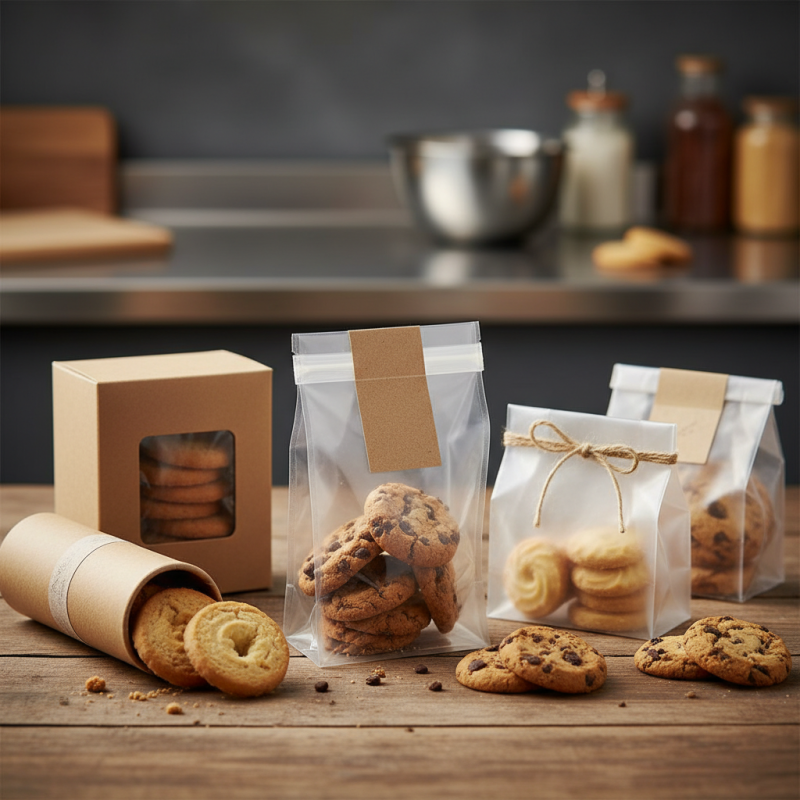
Cookie packaging refers to the design and production of containers for cookies. This packaging serves both functional and aesthetic purposes. Good packaging helps preserve freshness and quality. It also attracts customers with appealing visuals.
When considering Cookie Bags, it’s essential to choose materials that keep cookies safe. Some options include plastic, foil, or eco-friendly paper. The right choice can make a difference in how long your cookies stay fresh. However, many overlook how packaging affects the delivery process. Fragile cookies can crumble in transit if not packed securely.
Tips:Ensure your Cookie Bags have proper seals. This prevents air from entering and keeps cookies tasting great. Don't forget to pay attention to design. A fun, colorful package candraw in customers. Testing different styles can help you find what works best. Remember, packaging might not be perfect, but a little experimentation can lead to better results.
The development of cookie packaging has an interesting history. It began as simple paper wrappings in the early 20th century. Consumers needed a way to keep cookies fresh. Basic materials did not provide adequate protection. Many cookies broke during transport. This was a problem for bakers.
Then, advancements evolved the landscape. In the 1950s, Plastic Packaging emerged. This was revolutionary for cookies. The Cookie Pouch offered a seal that maintained freshness. The transparent design allowed customers to see the product. However, not all innovations succeeded. Some materials affected taste. Issues with sustainability emerged later.
Today, cookie packaging is more than just a protective layer. It is about design and consumer appeal.Brands often face challenges in balancing aesthetics and functionality. Many still overlook the environmental impact. While the Cookie Pouch serves a purpose, it invites reflection. The journey of cookie packaging continues as technology evolves.
Cookie packaging plays a vital role in preserving freshness. Different materials are used to enhance shelf life and appeal. Each type has its benefits and constraints.
Paper and cardboard remain popular choices. They are recyclable and biodegradable. However, they may not provide sufficient moisture barriers. This can lead to stale cookies. In a recent report, 35%of consumers indicated a strong preference for eco-Friendly Packaging. This trend pushes manufacturers to rethink their strategies.
Plastic packaging is another common option. It offers excellent moisture retention. Yet, it raises sustainability concerns. Many companies are now exploring biodegradable plastics. Interestingly, 40% of consumers say they would pay more for sustainable options. Finding the balance between performance and environmental impact is essential. The cookie industry faces a challenging yet exciting future in packaging innovation.
Effective cookie packaging serves as the first point of contact between the product and the consumer. Attractive packaging can boost sales significantly. Research shows that 72% of consumers make decisions based on packaging alone. This is crucial for bakery businesses aiming to stand out in a crowded market. Unique designs can capture attention, while functional features can enhance the consumer experience.
Cookie Pouches offer practical benefits too. They provide freshness and protect cookies from environmental factors. A study indicates that products in well-sealed packages have a 30% longer shelf life. This is especially important for cookies, as staleness can lead to lost sales. Additionally, eco-friendly materials are increasingly favored. About 54% of consumers prefer recyclable packaging. This choice impacts their purchasing decisions, reflecting broader environmental concerns.
However, it's essential to strike a balance. Overly elaborate packaging can lead to waste. Some companies find themselves with excess packaging that doesn't align with consumer values. Brands need to think beyond mere aesthetics. They must reflect their commitment to sustainability while ensuring functionality remains a top priority.
In cookie packaging design, several key aspects must be taken into account for effective results. An eye-catching design can significantly influence consumer decisions. According to a study by Packaged Facts, 72% of consumers engage with products based on their packaging alone. Choosing the right materials is vital. Eco-friendly options are gaining popularity. In fact, 58% of consumers prefer packages made from sustainable materials.
The functionality of the packaging also plays a critical role. It should preserve freshness and enhance shelf life. A report from the National Confectioners Association shows that 90% of baked goods sales depend on proper preservation packaging. However, balancing aesthetics and functionality poses a challenge. Some designs look great but fail in practical application.
Additionally, understanding the target audience is crucial. Demographics can dictate packaging choices. For example, younger consumers may prefer vibrant, playful designs, while older demographics might lean toward elegant, minimalist styles. Ignoring these aspects could lead to wasted resources and unsold products. Striking the right balance is essential for successful cookie packaging.
Innovative trends in cookie packaging are shaping the industry significantly. A recent report highlighted that eco-friendly packaging options are gaining traction. Brands are increasingly opting for biodegradable materials. This shift caters to environmentally conscious consumers, reflecting a demand for sustainability. In fact, a study indicated that 75% of consumers prefer brands that use sustainable packaging.
Moreover, interactive packaging is becoming popular. This trend uses QR codes and augmented reality features to engage customers. Reports show that up to 40% of consumers enjoy a unique unboxing experience. However, implementing advanced packaging can add to production costs. Balancing creativity and affordability is a challenge for many companies.
Design also plays a crucial role in cookie packaging. Eye-catching designs can drive sales, with 60% of customers being influenced by what they see on the shelf. Yet, brands must ensure that aesthetic appeal does not compromise functionality. Proper sealing is crucial for maintaining freshness. Striking a balance between attractive design and effective 1 Packaging remains a work in progress for many.
| Packaging Type | Material | Benefits | Sustainability | Innovative Features |
|---|---|---|---|---|
| Boxed Packaging | Cardboard | Protects cookies, easy to stack | Recyclable | Custom designs, printed logos |
| Pouch Packaging | Biodegradable film | Lightweight, flexible | Compostable | Resealable zipper, clear window |
| Tin Tie Bags | Kraft paper | Appealing look, freshness | Recyclable | Easily resealable |
| Glass Jars | Glass | Reusable, preserves freshness | Reusable | Custom labels, elegant packaging |
| Cellophane Wrap | Cellophane | Clear visibility, elegant presentation | Biodegradable | Tied with decorative ribbon |
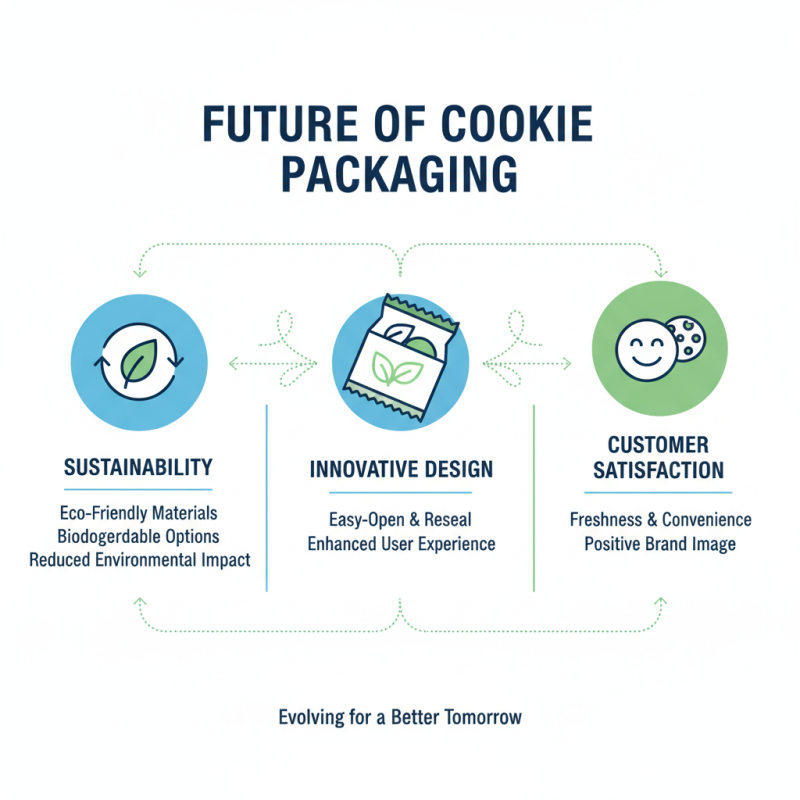
The future of cookie packaging is evolving rapidly. With a growing focus on sustainability, many companies are exploring eco-friendly materials. Biodegradable options are becoming popular. These materials break down naturally, reducing the impact on our environment. Innovations in design also enhance user experience. Packaging that is easy to open and reseal can improve customer satisfaction.
However, challenges remain. Not all sustainable materials are suitable for long-term preservation. Finding a balance between eco-friendliness and product safety is crucial. There's also the issue of cost. Sustainable options often come with a higher price tag. This can deter some businesses from making the switch.
Moreover, consumer expectations continue to rise. Shoppers are more aware of packaging waste than ever before. They demand transparency and responsibility from brands. Companies need to rethink their strategies. More collaboration between manufacturers and designers is essential. Together, they can develop packaging solutions that are both practical and sustainable. The road ahead is not clear-cut, but it’s filled with opportunities for innovation.
: It provides convenience for daily tasks. Many users appreciate its efficiency and ease of use.
Follow the instructions carefully. It's important to familiarize yourself with all features.
Troubleshooting steps are included in the manual. Contact support if problems persist.
Yes, it is designed for all skill levels. However, some features may take time to master.
Yes, many helpful resources are available. Video tutorials can enhance understanding significantly.
It typically consists of durable materials. However, check specifications for exact details.
Regular cleaning is essential. Avoid harsh chemicals, as they may cause damage.
Yes, a warranty is generally provided. Read the terms carefully to understand coverage.
Yes, oversights in setup are frequent. Taking time to read the manual can prevent issues.
It is versatile but may have restrictions. Always review guidelines for optimal usage.
Cookie packaging refers to the various methods and materials used to encase cookies, ensuring their freshness and appealing presentation while catering to consumer preferences. Over the years, cookie packaging has evolved significantly, moving from simple paper wrappers to more sophisticated materials designed to enhance product longevity and visual appeal. Key packaging materials include cardboard, plastic, and biodegradable options, each offering distinct advantages in terms of protection and eco-friendliness.
Effective cookie packaging not only preserves the product but also serves as a marketing tool, attracting customers with innovative designs and sustainable practices. Considerations in packaging design include size, shape, and functionality, as well as current trends that emphasize environmental consciousness and consumer engagement. The future of cookie packaging solutions promises even more advancements, with a focus on sustainability and technology, ensuring that cookie packaging remains both functional and appealing in a competitive market.